Information
Landmark: Indian Valley Mine Historic SiteCity: Anchorage
Country: USA Alaska
Continent: North America
Indian Valley Mine Historic Site, Anchorage, USA Alaska, North America
The Indian Valley Mine Historic Site is one of Alaska’s most accessible and atmospheric reminders of its early gold-mining era, located just 25 miles (40 kilometers) south of Anchorage along the Seward Highway. Set on a wooded hillside overlooking Turnagain Arm, this historic claim offers visitors a glimpse into life during the early 20th-century gold rush while providing hands-on opportunities to try gold panning for themselves.
Origins and History
The mine dates back to 1910, when Peter Strong, a gold prospector from the Kenai Peninsula, established a claim in the Indian Valley area. This was a period when gold fever still ran high across Alaska, following the massive strikes in Nome and the Klondike. Though the Indian Valley claim was smaller than those in the interior, it remained an active placer mining site for decades, producing small but steady yields from nearby Crow Creek and Indian Creek.
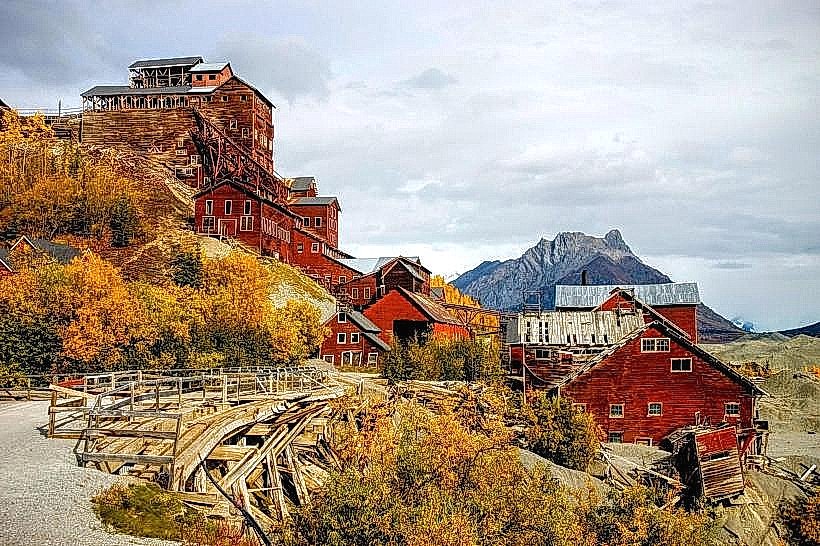
The property’s two hand-hewn log cabins, built by early miners, are preserved as part of the site’s museum complex. The main cabin served as a home and workshop, while a second structure was used as an assay shack-a place where ore samples were tested and weighed. Over time, the site passed through several owners before being restored and opened to the public as a National Historic Site.
Visitor Experience
Today, the Indian Valley Mine combines heritage preservation with interactive fun. Visitors can step into the historic cabins to see displays of early mining tools-picks, sluice boxes, rocker cradles, and tin pans-alongside vintage photographs of the rugged men and women who worked the claim. Inside the small museum and gift shop, you’ll find gold flakes preserved in vials, local crafts, and hand-carved Alaskan souvenirs.
The highlight, though, is the gold panning experience. Staff provide demonstrations of how to swirl, sift, and separate gold dust from the gravel-filled pans using water from Indian Creek. The technique is deceptively simple yet addictive, and many visitors leave with a few bright specks of genuine Alaskan gold in a small vial to take home. Children especially enjoy the hands-on activity, making it a popular family stop on the route between Anchorage and the Kenai Peninsula.
Setting and Scenery
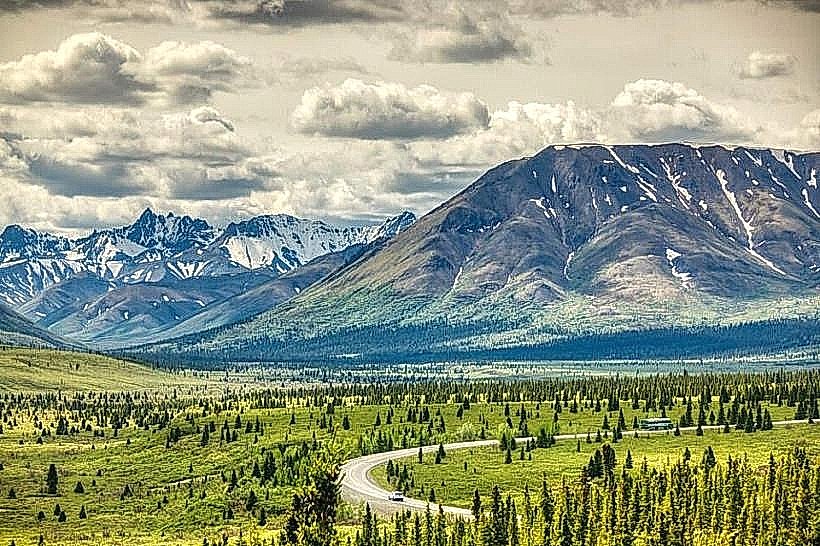
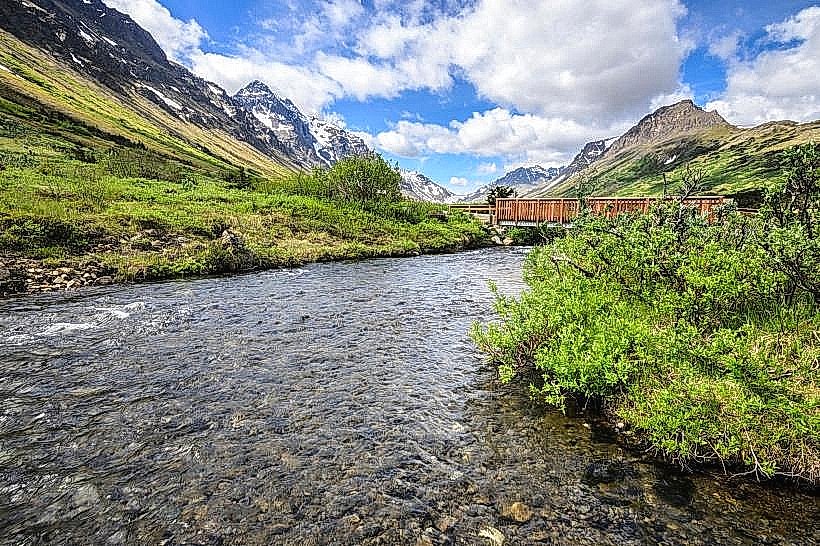
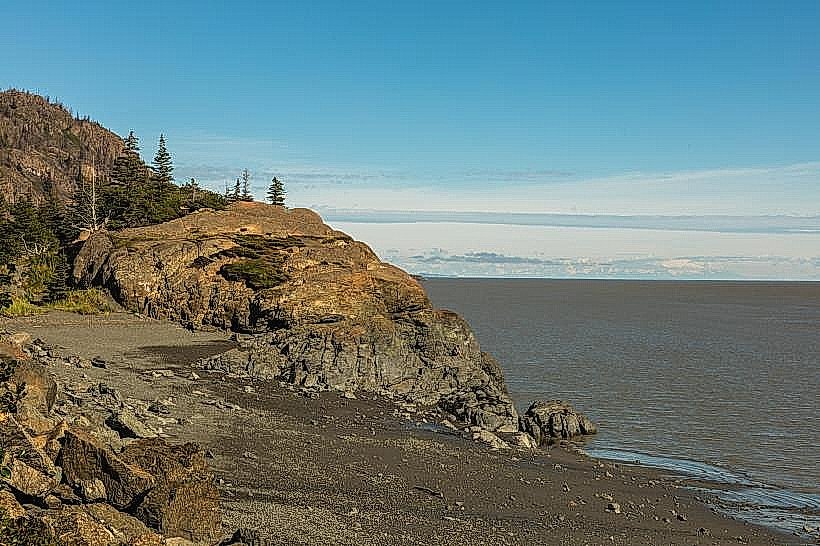
The site is surrounded by dense spruce and birch forest, with the sharp peaks of the Chugach Mountains rising above and the silver-blue sweep of Turnagain Arm visible below. In summer, the air smells faintly of resin and wildflowers, and the sound of the creek provides a constant backdrop. It’s not uncommon to see bald eagles, ravens, or even a moose wandering near the property. The mine sits near several scenic pullouts along the highway where travelers often stop to watch beluga whales following the tides.
Practical Details
Location: Mile 104 of the Seward Highway, approximately 25 miles south of downtown Anchorage.
Open season: Generally May through September, when the site is free of snow and panning is possible.
Activities: Guided gold panning, self-guided tours of the historic cabins, photo opportunities, and a small gift shop.
Facilities: Parking area, restrooms, picnic tables, and interpretive signage detailing the history of the mine and early gold rush life in Southcentral Alaska.
Overall Impression
Visiting Indian Valley Mine feels like stepping into a small but authentic pocket of Alaska’s frontier past. The setting is intimate-just a few rustic buildings and a cold mountain creek-but the atmosphere carries the weight of history. The combination of hands-on gold panning, heritage storytelling, and natural beauty makes it a memorable stop for anyone traveling between Anchorage and the Kenai Peninsula. It’s a simple place, but one that captures the enduring spirit of Alaskan adventure and self-reliance.