Information
Landmark: Turnagain Arm & Beluga Point LookoutCity: Anchorage
Country: USA Alaska
Continent: North America
Turnagain Arm & Beluga Point Lookout, Anchorage, USA Alaska, North America
Turnagain Arm is a narrow, tidal inlet of Cook Inlet stretching approximately 80 miles from the Kenai Peninsula to Anchorage, framed by the Chugach Mountains. Known for its dramatic tidal fluctuations, frequent bore tides, and stunning scenery, it provides a visually striking corridor for travelers along the Seward Highway. Beluga Point, located about 12 miles southeast of Anchorage, is a popular scenic overlook and wildlife observation site, offering layered views of the inlet, mountains, and occasionally marine life.
Geography and Landscape
Tidal Flats and Bore Tides – Turnagain Arm experiences some of the highest tides in North America, with differences of up to 40 feet (12 meters). The resulting tidal flats reveal mudflats at low tide, creating habitat for birds and shellfish, and produce bore tides-waves that rush upstream during high tides, visible from several lookout points.
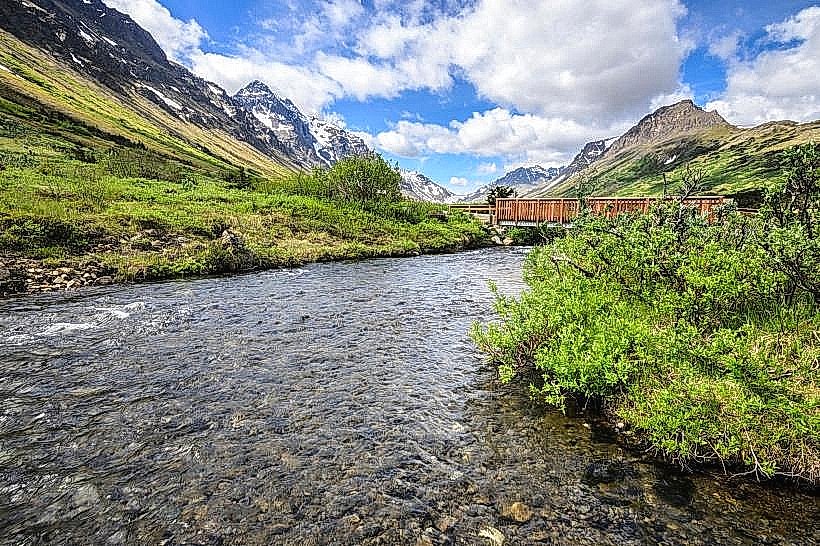
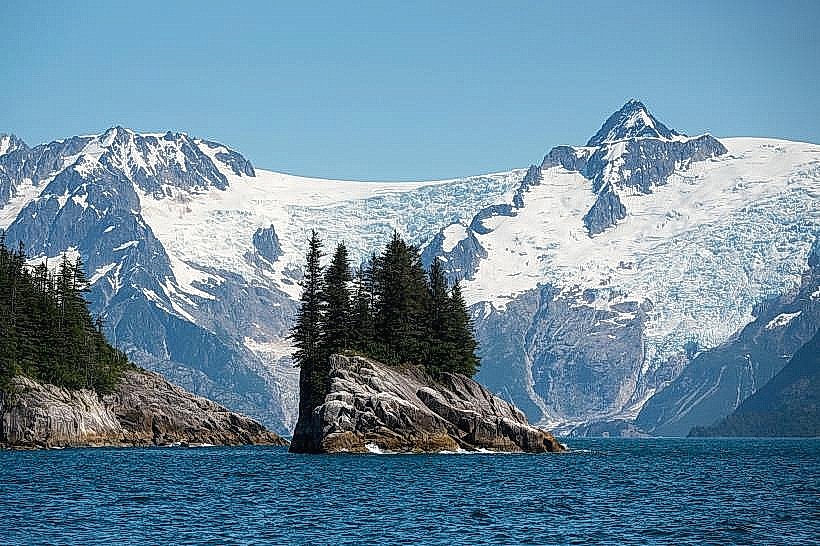
Mountain Backdrop – The Chugach Mountains rise steeply along the northern side of the arm, often dusted with snow, framing the inlet with dramatic slopes and waterfalls.
Coastal Views – From Beluga Point, visitors can see a mix of water, mudflats, and mountains, with sunlight playing across the inlet for photographic opportunities.
Wildlife and Ecology
Turnagain Arm and Beluga Point support diverse species in both marine and coastal environments:
Beluga Whales – The inlet occasionally hosts residents of the Cook Inlet beluga population, best observed during calm waters and certain seasons.
Birds – Shorebirds, gulls, bald eagles, and waterfowl are abundant on mudflats and along cliffs.
Marine Mammals – Harbor seals and sea lions may be seen in tidal areas, while occasional sea otters appear near the coast.
Terrestrial Wildlife – Moose and foxes inhabit the slopes and adjacent forests, sometimes visible from the highway.
Visitor Experience
Beluga Point Overlook – A pullout and viewing platform with interpretive signs provides safe access for wildlife watching, photography, and scenic observation.
Scenic Driving – The Seward Highway, designated a National Scenic Byway, runs along Turnagain Arm, offering multiple viewpoints and picnic areas.
Photography and Observation – Sunrise and sunset often illuminate the mountains and tidal flats, creating layered landscapes ideal for photographers.
Interpretive Learning – Signs at Beluga Point explain tidal phenomena, bore tides, local geology, and wildlife.
Cultural and Historical Significance
Indigenous History – Dena’ina Athabaskans historically navigated and utilized the Turnagain Arm corridor for fishing, hunting, and transportation.
Transportation Corridor – The Seward Highway, following the arm, has connected Anchorage to southern Alaska for decades, combining natural beauty with practical access.
Atmosphere and Impressions
Visitors often experience a sense of dynamic natural power-the wide tidal flats, rushing bore tides, and looming Chugach Mountains convey both grandeur and movement. Wildlife sightings add vitality to the scene, while seasonal shifts-from winter snowfields to autumn’s golden slopes-offer continuously changing perspectives. Beluga Point provides a layered viewpoint: tidal waters in the foreground, mountains behind, and often wildlife throughout, creating a quintessential Alaska experience accessible from Anchorage.
Legacy
Turnagain Arm and Beluga Point showcase Alaska’s dramatic coastal landscapes and tidal phenomena, providing accessible interaction with both marine and terrestrial ecosystems. The area combines educational opportunities, scenic beauty, and wildlife observation, allowing visitors to witness the interplay of geology, hydrology, and ecology in a highly photogenic and memorable location.