Information
Landmark: Church of St. Mary PerybleptosCity: Ohrid
Country: North Macedonia
Continent: Europe
Church of St. Mary Perybleptos, Ohrid, North Macedonia, Europe
Overview
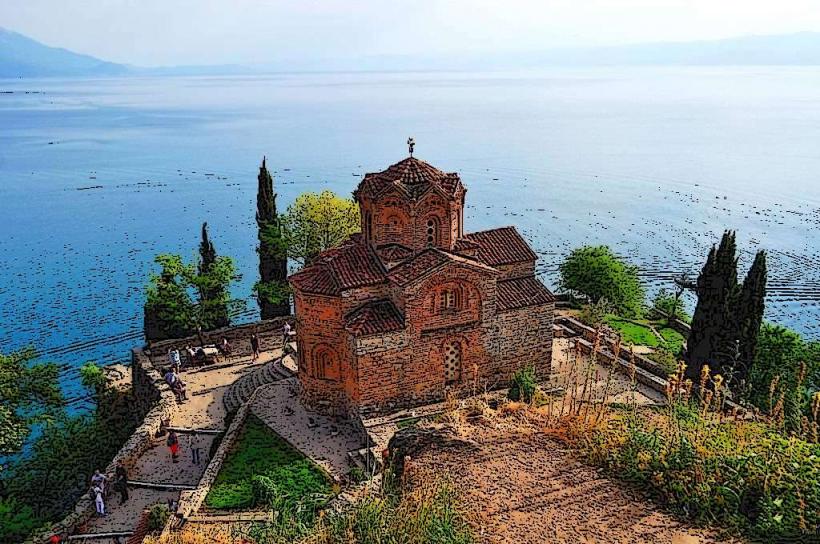
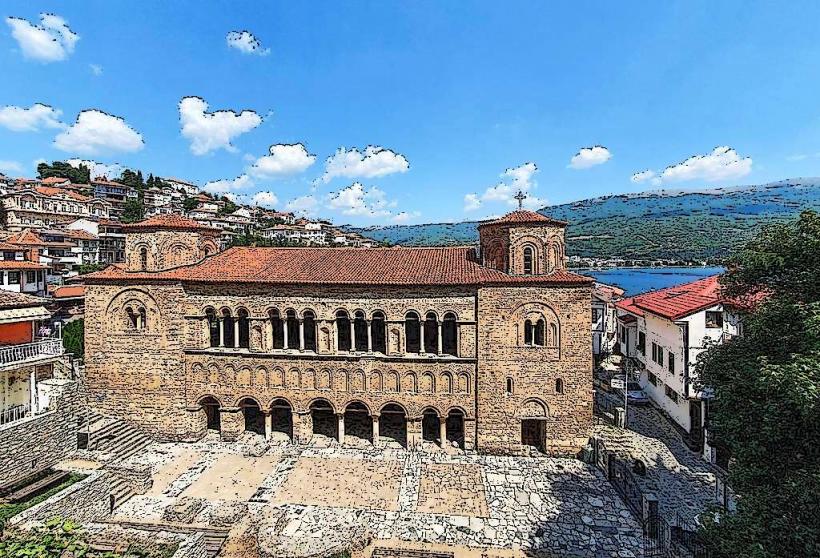
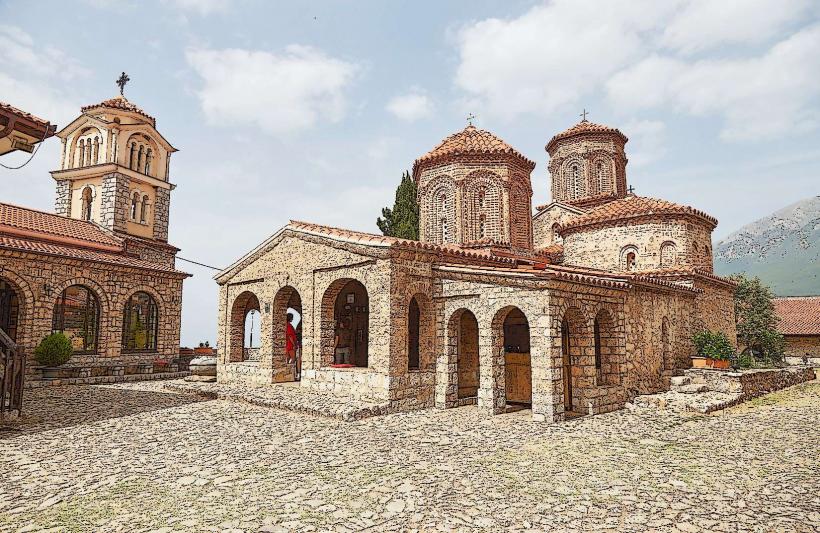
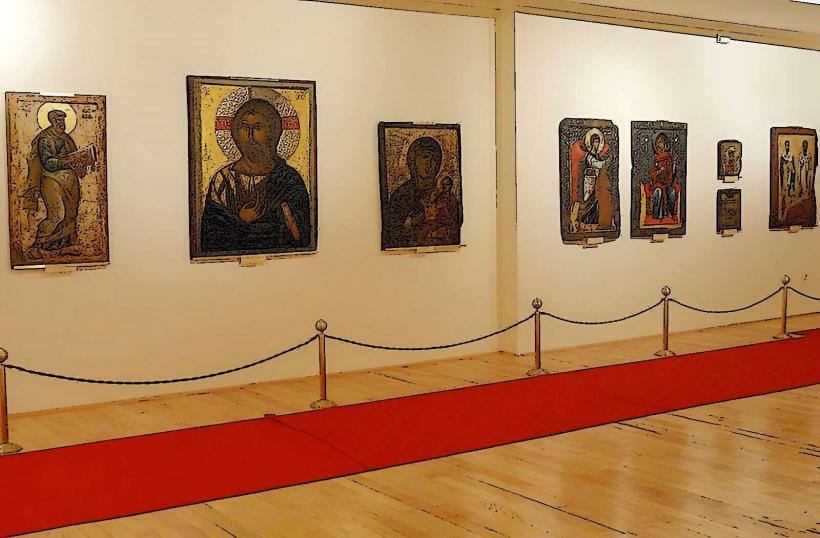
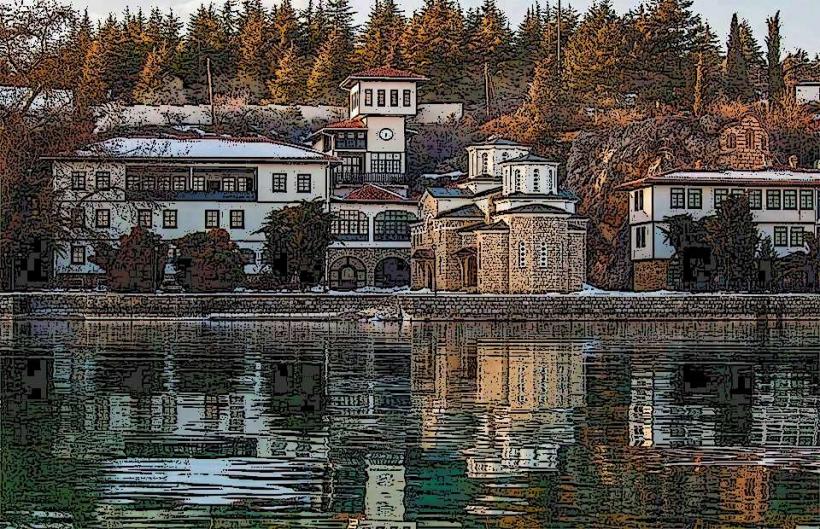
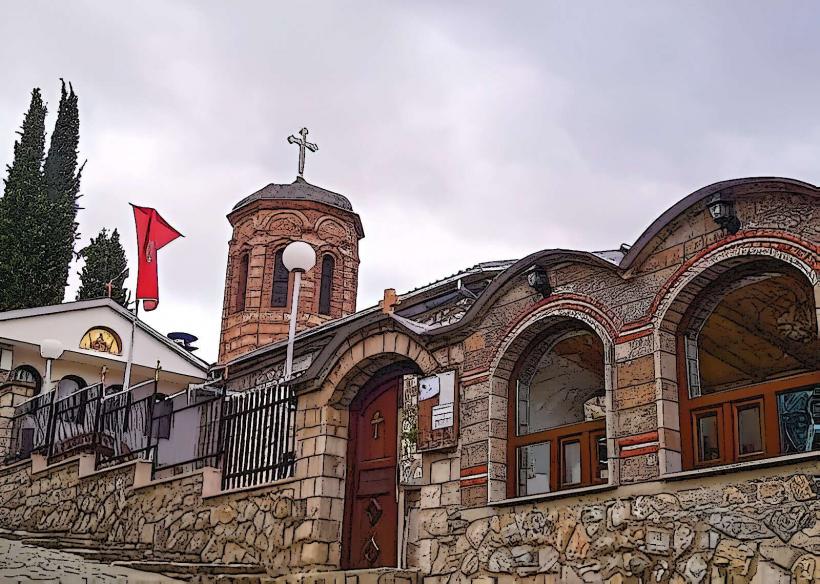
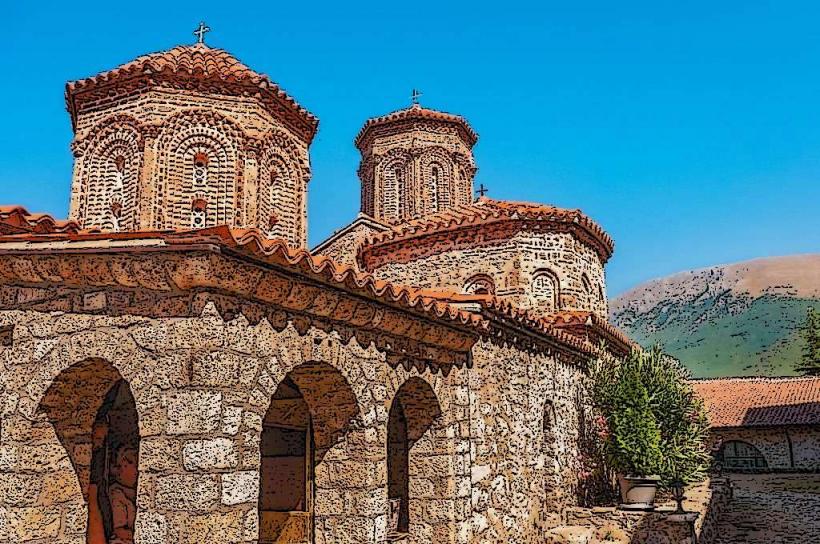
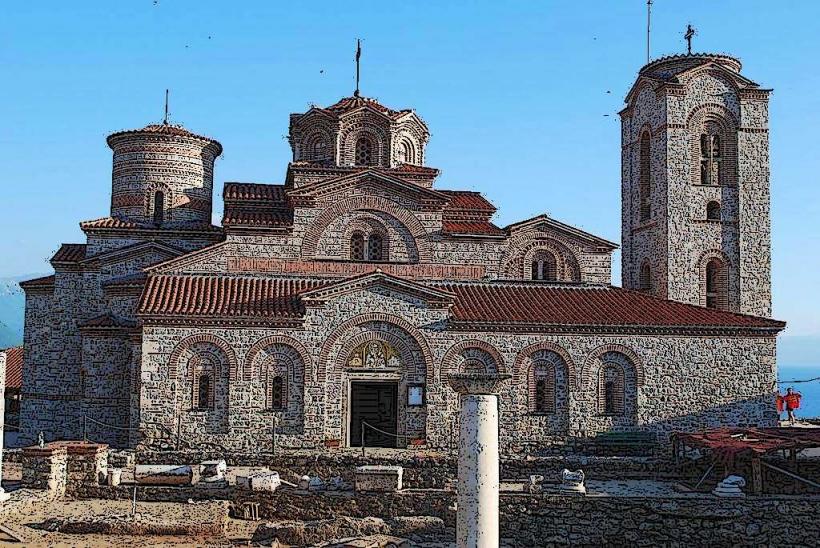
As you can see, In Ohrid, North Macedonia, the Church of St, and mary Perivlepta stands as one of the city’s most vital Orthodox landmarks, its stone walls and vivid frescoes preserving the grandeur of medieval Byzantine architecture and sacred art.People come from far and wide to behold its frescoes-delicate bursts of color on ancient plaster-among the finest in the region, and to experience the deep well of history and culture the region holds, in conjunction with the Church of St. Mary Perivlepta sits in Ohrid’s timeworn town, just a short wander from the Ancient Theatre and surrounded by centuries-timeworn stone streets and other historic landmarks, as well as the church stands within UNESCO’s World Heritage zone that includes Ohrid’s historic landmarks, its stone walls weathered by centuries.Funny enough, It’s dedicated to the Virgin Mary, bearing the title “Perivlepta,” meaning “She Who Is All-Holy” or “Most Pure.”In Orthodox Christianity, this title for the Virgin Mary highlights her holiness and her role as Christ’s mother, equally important the Church of St, in some ways Mary Perivlepta, its stone walls still cool to the touch, was built between 1295 and 1305, when medieval Ohrid thrived as a key center of faith in the Byzantine Empire, furthermore demetrius of Ohrid, the local despot under Byzantine rule, had it built during his reign, its stone walls rising beside the lake.The church belonged to a wider push to create and preserve sacred spaces, a vital thread in the Orthodox Christian life of the Balkans, furthermore the Church of St. Mary Perivlepta functioned both as a setting of worship and a dynastic church, a clear sign of the local nobility’s power and prestige in Ohrid at the time, in turn over the centuries, it saw many renovations, especially under Ottoman rule, when Christian churches were often repurposed, repaired, or carefully kept standing.Built in the traditional Byzantine style, it follows the classic cross-in-square plan, its stone walls and domed roof echoing the form favored in Orthodox churches of that era, along with the church, built of weathered stone and warm brick-materials typical of medieval Byzantine design-rises beneath a dome that crowns the central nave.Its plan unfolds in three parts: a shaded narthex at the entrance, the open naos beyond, and, at the far end, the altar, moreover an iconostasis-a screen adorned with painted saints-divides the altar from the rest of the church, marking both a physical and spiritual boundary.Outside, the building stands with quiet elegance, its simple walls framed by graceful Byzantine arches and carved details, alternatively a quiet courtyard wraps around the church, offering a peaceful venue to pause beneath the rustle of olive leaves.Inside, the walls bloom with frescoes-some of the finest medieval Byzantine art in the region, in turn vivid frescoes stretch across the interior walls-nave, apse, and narthex alike-bursting with rich color, intricate detail, and layers of symbolic meaning.In the apse’s dome, the Pantocrator fresco-its gold halo catching the light-is the church’s most famous and treasured work, as well as it shows Christ as the Pantocrator-Ruler of All-a central image in Byzantine art that conveys His divine authority and power.Around Him, vivid frescoes tell stories from His life: the quiet glow of the Nativity, the flowing waters of His Baptism, the shadowed anguish of the Crucifixion, and the radiant triumph of the Resurrection, also each scene bursts with fine brushstrokes that bring Christ’s life and his role in salvation vividly to life.In a way, Around the church, frescoes of saints-Saint Mary in deep blue robes, St, along with clement of Ohrid, and St. John the Baptist-watch over the walls, furthermore in Orthodox Christian churches, saints are portrayed to show both their spiritual importance and their region in the church’s teachings.In the Church of St, as a result mary Perivlepta, frescoes follow the Byzantine style, glowing with golden backdrops, rich reds and blues, and figures posed in still, symbolic form.In the frescoes, the figures stand in a stiff, formal pose, their faces serene, as if the artist cared more for the soul than for the weight of their bodies, not only that the saints and other figures are shown with long, slender faces and wide, expressive eyes, their stance radiating a quiet, commanding grace.The Church of St, on top of that mary Perivlepta stands as a treasured landmark of Orthodox faith in the region.Not surprisingly, For centuries, people have come here to worship, to make pilgrimages, and to pause in quiet spiritual reflection, the air still carrying the faint scent of burning incense, then as part of the Ohrid Diocese, the church plays a vital role in the city’s spiritual life and in the faith of the wider region, its bells carrying across the lake at dusk.It also stands as a powerful symbol of Ohrid’s rich history and cultural heritage, therefore in the medieval era, Ohrid thrived as a key center of Orthodox Christianity, and the Church of St. Mary Perivlepta still rises as proof of its spiritual and cultural weight, subsequently inside, frescoes glow with deep blues and golds, their scenes revealing the artistic styles and theological ideas of the time, offering a vivid glimpse into centuries-aged faith and tradition.As far as I can tell, The church remains alive with worship, especially on major feast days like Christmas, Easter, and the Virgin Mary’s day on August 15, when incense hangs in the air, equally important it also draws travelers eager to perceive medieval art, admire Byzantine architecture, and experience the living heart of Orthodox heritage.Visitors flock to notice the church’s vivid frescoes, graceful arches, and the quiet hush that hangs in the air, furthermore if you’re curious about its history or the meaning behind its images, you can join a guided tour.On these tours, you’ll uncover the stories and meaning behind the church’s frescoes, gleaming icons, and intricate stonework, in addition in the end, the Church of St. Mary Perivlepta stands among the most significant Orthodox Christian landmarks in Ohrid, North Macedonia, in turn with its soaring Byzantine arches, vivid frescoes, and deep religious roots, it stands as a cornerstone of the city’s spiritual and cultural life.The church’s frescoes, vivid with deep blues and gold leaf, are celebrated for both their beauty and their symbolic power, offering a window into the rich Christian art of the medieval Balkans, furthermore pilgrims and tourists alike still find the Church of St, mildly Mary Perivlepta a setting of profound faith and history, its worn stone walls standing as a quiet witness to Ohrid’s rich artistic heritage.
Author: Tourist Landmarks
Date: 2025-09-02