Information
Landmark: De Vargas Street Historic DistrictCity: Las Cruces
Country: USA New Mexico
Continent: North America
De Vargas Street Historic District, Las Cruces, USA New Mexico, North America
Overview
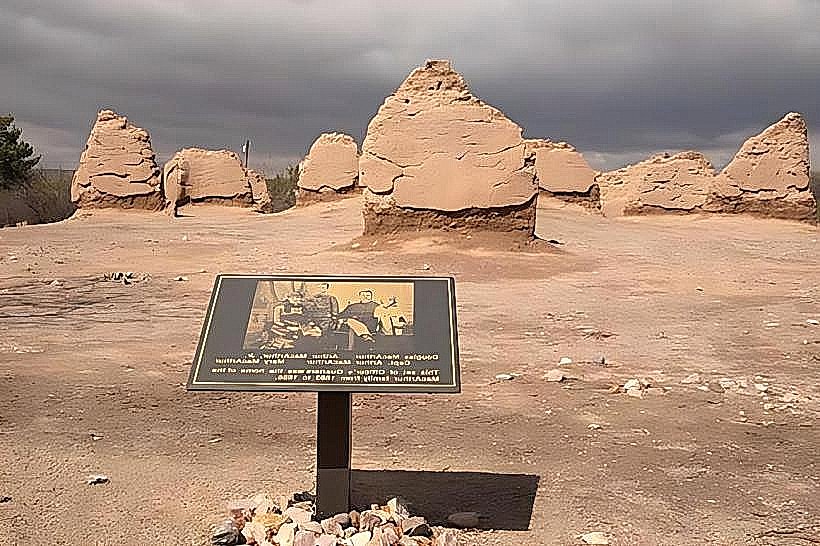
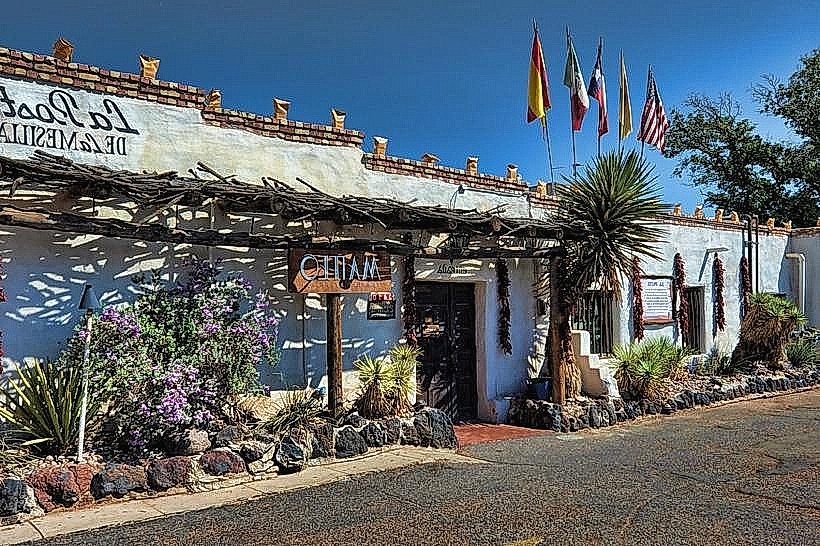
Somehow, Tucked away in Santa Fe, current Mexico, the De Vargas Street Historic District is one of the city’s most vivid neighborhoods, where adobe walls seem to hold centuries of stories, in addition locals call it part of the oldest neighborhood in the country, and within a few easy blocks you’ll find centuries of Santa Fe’s architecture, culture, and everyday life-adobe walls warm under the afternoon sun.De Vargas Street anchors this district, where Spanish Colonial and Pueblo traditions still thrive among sun-warmed adobe homes, winding lanes, and weathered walls that have stood since the early 1600s, also de Vargas Street’s history reaches back to 1610, when Spanish settlers and Pueblo peoples built one of North America’s first enduring communities in what would become Santa Fe, their homes of sunbaked adobe rising against the clear desert sky.The street is named for Diego de Vargas, the Spanish governor who reclaimed modern Mexico in 1692 after the Pueblo Revolt of 1680, riding in under a frosty autumn sky, then for centuries, artisans, farmers, and families lived here, their adobe homes slowly taking shape like sun-baked clay molded by countless hands.Most of the buildings here went up by hand, their walls made from sun-baked bricks of mud and straw, each innovative room added as a family’s laughter and footsteps filled the aged ones, as a result despite fires, floods, and bouts of unrest, the area kept its tight-knit street layout and the warm, dusty hue of its earthen walls.Interestingly, Today it’s a living museum of early fresh Mexican life, with history drifting out of every doorway and sunlit courtyard, what’s more strolling down De Vargas Street, you catch the scent of sun-warmed adobe and feel as if you’ve slipped straight into another century.Santa Fe’s behold comes alive in its Pueblo-Spanish architecture, with low adobe walls, rounded parapets, and vigas-those thick wooden beams-jutting out from sun-warmed façades, in turn across the district, you’ll spot thick adobe walls-sometimes whitewashed, sometimes left in their warm, sandy brown, catching the golden light of the high desert sun, not entirely The doors and window frames were painted a deep blue, a local tradition meant to keep evil spirits away, not only that modest wooden gates open into cool, shaded courtyards where hollyhocks lean toward the sun, chile ristras sway gently, and handmade pottery rests on warm adobe ledges.Flat roofs meet soft, rounded corners, shaping the neighborhood into something sculptural and alive, like clay smoothed by hand, equally important even the newest renovations stick to strict design rules, keeping the warm adobe curves and weathered wood that give De Vargas Street its timeless harmony, relatively Within and around the De Vargas Street Historic District, you’ll find historic adobe buildings and other key cultural sites, drawing visitors eager to trace Santa Fe’s earliest roots, in addition the De Vargas Street House, a modest adobe with weathered walls, is believed to date back to the early 1600s and is often hailed as the oldest home in the United States.Partly raised on the antique stone base of a Pueblo building, it gives you a rare examine at the simple, sun-baked walls of early colonial homes, subsequently step inside and you’ll discover snug rooms with low ceilings, beams darkened by age, and a few weathered tools left behind by the first settlers.San Miguel Chapel sits just a few steps away, its adobe walls dating back to around 1610–1626, making it the oldest church in the continental United States, then the plain adobe walls, thick wooden beams, and weathered 18th-century bell tower carry the weight of centuries, echoing the faith and grit that built them.The chapel still hosts regular services, the scent of polished wood mingling with hymns that link history to the present, what’s more barrio de Analco-just beyond the De Vargas area-was once a tight-knit neighborhood where Native American and mixed-heritage families lived and worked shoulder to shoulder with Spanish colonists, the scent of woodsmoke often drifting from their kitchens.In Nahuatl, its name means “across the river,” a nod to the first settlement just south of the Santa Fe River, where the water ran deliberate and brown, equally important modern trails wind along the Santa Fe River, crossing sturdy footbridges where you can watch the current and picture how the landscape guided the town’s earliest settlers.Together, these landmarks create one of Santa Fe’s richest pockets of history, and the De Vargas Street Historic District isn’t some staged attraction-it’s a lived-in neighborhood where people still open creaky wooden doors to homes built centuries ago, in addition the air feels still, almost warm against your skin, and the space draws you in close.It seems, At first light, sunlight slips through the cottonwood leaves and glances off the cool, mud-plastered walls, then from San Miguel Chapel, faint church bells drift through the air, blending with the soft tap of footsteps on the flagstone.All day long, the district pulls in artists sketching intricate façades, photographers chasing the play of texture and morning light, and visitors who come for its genuine charm, subsequently the streets are lined with tiny galleries, tucked-away artisan shops, and weathered plaques, but it still feels like a true neighborhood where locals greet you on the sidewalk.You’ll still spot red chile ristras hanging to dry in the warm sun or a hand-carved wooden cross tucked beside a doorway-miniature, everyday touches that keep tradition alive, to boot at night, lanterns cast a gentle glow while the sharp, sweet scent of piñon wood drifts through the air, carrying with it centuries of home and habit-a quiet echo of Santa Fe’s enduring story, generally The De Vargas Street Historic District, part of the larger Santa Fe Historic District, is nationally recognized and listed on the National Register of Historic Places, where its adobe walls still catch the warm glow of late-afternoon sun, then preservation efforts center on keeping antique building methods alive, limiting modern changes, and protecting the neighborhood’s everyday character, right down to the worn brick steps at each doorway.Groups like the Historic Santa Fe Foundation and local preservation teams document and restore classical adobe buildings, patching walls with warm, earthen plaster instead of frosty cement, to keep the natural integrity-and the sun‑baked charm-these homes were built with, in addition by honoring its past, De Vargas Street stays alive-not merely a relic, but a vibrant thread of cultural continuity, where Indigenous, Spanish, and Mexican traditions mingle beneath rows of sun-warmed, earth-toned walls.In the end, the De Vargas Street Historic District holds the spirit of heritage Santa Fe-warm sunlight on adobe walls, hushed streets, and a scale that feels unmistakably human, in conjunction with it tells a story of endurance-homes that have stood through generations, faith that’s survived uprisings and rebuilds, and artistry still carving patterns into the city’s soul.As you wander here, time eases into its own pace-sun-soaked adobe walls hold the day’s heat, shadows stretch lazily over the cobblestones, and the town’s quiet heartbeat carries the weight of centuries still alive.
Author: Tourist Landmarks
Date: 2025-10-12