Information
Landmark: Rio Grande BridgeCity: Las Cruces
Country: USA New Mexico
Continent: North America
Rio Grande Bridge, Las Cruces, USA New Mexico, North America
The Rio Grande Bridge is a concrete arch bridge spanning the Rio Grande River in Las Cruces, New Mexico. It serves as a critical transportation link for the region.
Visual Characteristics
The bridge features a single, large concrete arch. The deck is constructed from reinforced concrete and asphalt. Its total length is approximately 1,200 feet, with a main span of 600 feet. The structure has a utilitarian design, prioritizing function over ornamentation.
Location & Access Logistics
The Rio Grande Bridge is located approximately 5 miles west of downtown Las Cruces, New Mexico. Access is via Interstate 10 (I-10) West. Take Exit 132 for NM-28/Anthony. The bridge is directly accessible from NM-28. Ample parking is available on the east and west sides of the bridge, particularly at designated pull-off areas. No public transport directly serves the bridge itself, but local bus routes operate within Las Cruces, requiring a taxi or ride-share for final access.
Historical & Ecological Origin
Construction of the Rio Grande Bridge was completed in 1967. It was designed by the New Mexico State Highway Department to facilitate traffic flow across the Rio Grande, replacing an older, less efficient crossing. The bridge spans a section of the Rio Grande valley, an area characterized by riparian ecosystems and arid desert flora.
Key Highlights & Activities
Pedestrian access is permitted on designated sidewalks along the bridge. Visitors can walk across the bridge to observe the Rio Grande River and the surrounding landscape. Photography of the bridge structure and the valley views is a common activity. Fishing is possible from the riverbanks below the bridge, accessible via trails on either side.
Infrastructure & Amenities
Restrooms are not available directly at the bridge. Shade is minimal, primarily provided by the bridge structure itself during certain times of day. Cell phone signal (4G/5G) is generally available. No food vendors are located at the bridge; amenities are available in Las Cruces.
Best Time to Visit
For photography, early morning or late afternoon provides optimal lighting conditions due to the angle of the sun. The best months for visiting are typically March through May and September through November, offering moderate temperatures. The Rio Grande's water levels can vary seasonally; check local conditions if river access is a priority.
Facts & Legends
A local anecdote suggests that during construction, workers discovered a small, fossilized bone fragment believed to be from an ancient camelid, a species that once roamed the region. The bridge's construction was a significant engineering feat for its time, utilizing advanced concrete pouring techniques.
Nearby Landmarks
- Mesilla Plaza (2.5km East)
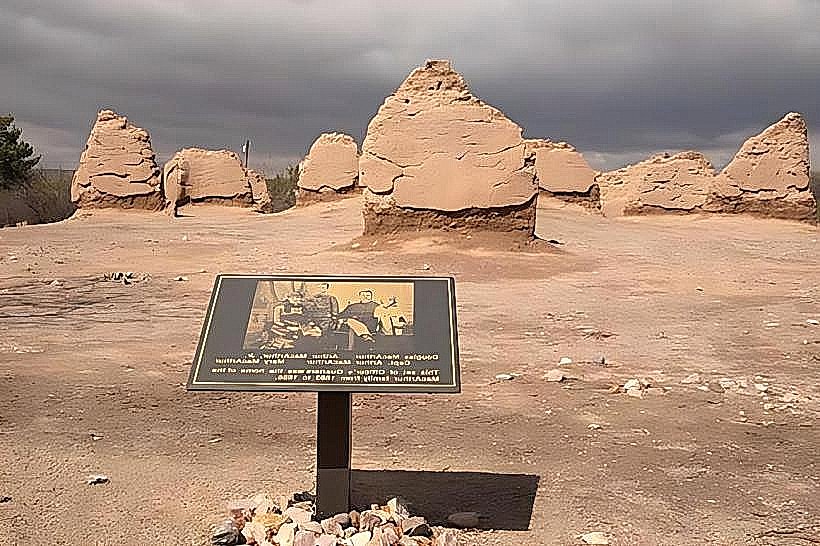
- Fort Selden Historic Site (15km South)
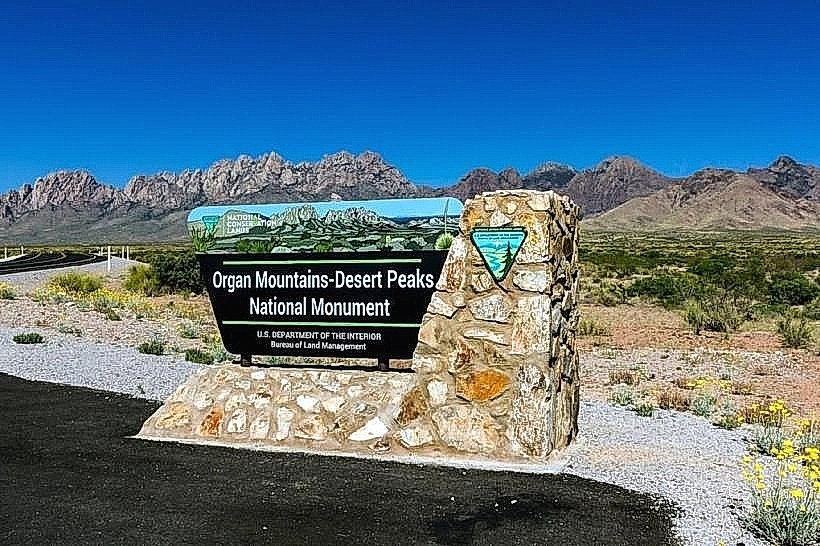
- Organ Mountains-Desert Peaks National Monument (10km East)
- New Mexico Farm and Ranch Heritage Museum (6km East)