Information
Landmark: Dripping Springs Natural AreaCity: Las Cruces
Country: USA New Mexico
Continent: North America
Dripping Springs Natural Area, Las Cruces, USA New Mexico, North America
Dripping Springs Natural Area is a protected desert landscape located southwest of Las Cruces, New Mexico. It encompasses approximately 1,000 acres of Chihuahuan Desert terrain.
Visual Characteristics
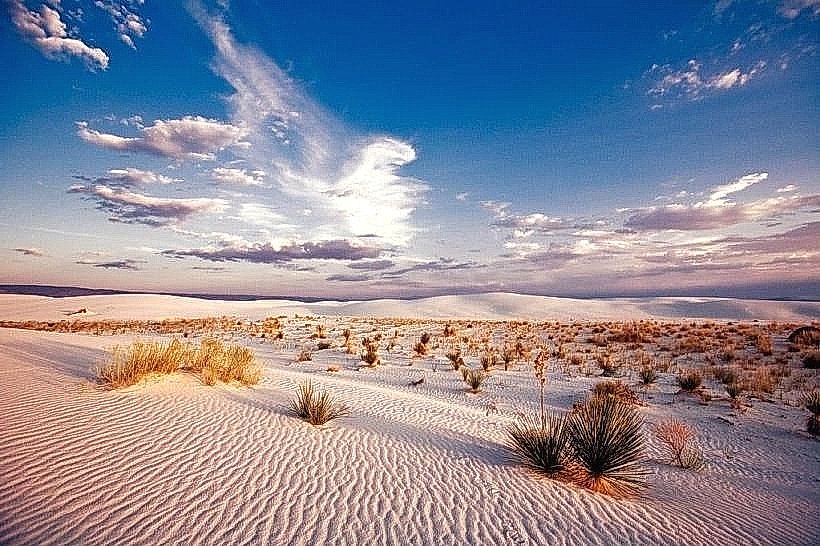
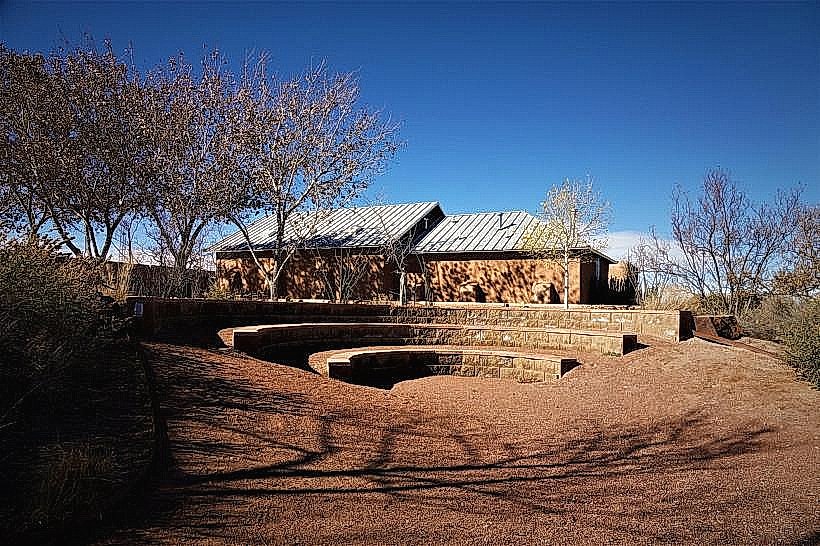
The area features arid desert scrubland dominated by creosote, mesquite, and yucca plants. Rock formations consist primarily of sedimentary rock, exhibiting shades of tan, brown, and grey. Elevation changes create varied topography with canyons and mesas. The namesake "dripping springs" are small seeps of water emerging from rock faces, supporting localized vegetation.
Location & Access Logistics
Dripping Springs Natural Area is situated approximately 15 miles southwest of Las Cruces. Access is via County Road B002, also known as Dripping Springs Road, which is a paved road for the initial section and transitions to a well-maintained gravel road. The gravel section is approximately 3 miles long. Parking is available at the main trailhead. No public transport services this location.
Historical & Ecological Origin
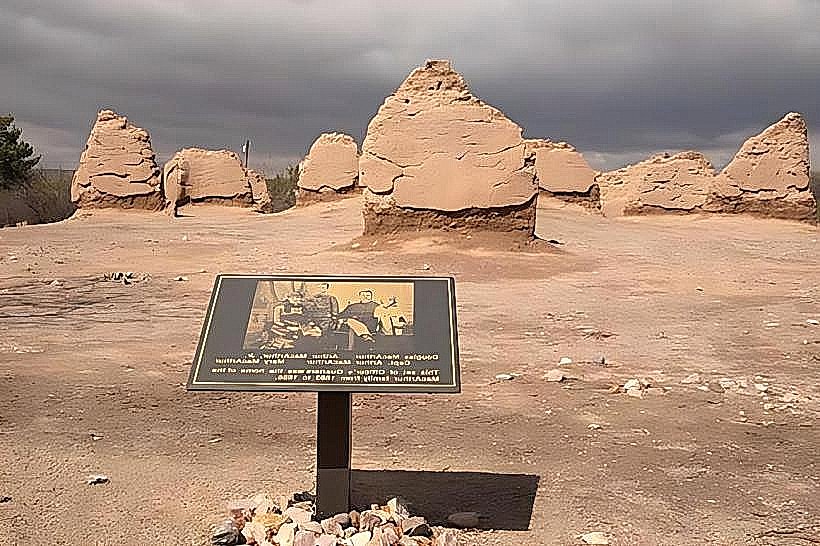
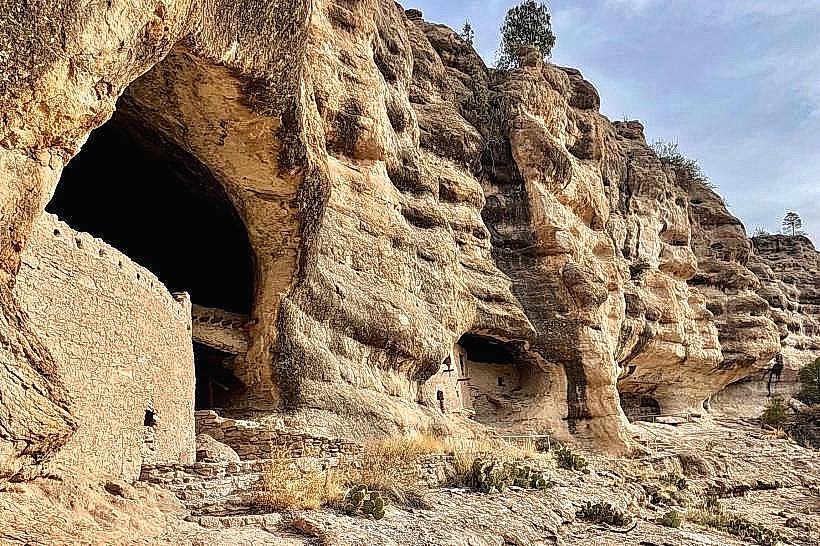
The geological formations are primarily Permian-aged sedimentary rocks, indicative of ancient marine environments. The area's ecological classification is Chihuahuan Desert, characterized by its high elevation and arid climate. Historically, the springs were a vital water source for indigenous peoples and later for travelers and ranchers in the region. The ruins of the historic La Cueva homestead are present within the area.
Key Highlights & Activities
Hiking is the primary activity. The main trail system includes the Dripping Springs Trail (approximately 3 miles roundtrip to the springs and ruins) and the La Cueva Trail (approximately 1.5 miles roundtrip to the homestead ruins). Wildlife observation, including birds and desert mammals, is possible. Photography of desert flora and rock formations is also a key activity.
Infrastructure & Amenities
Restrooms are available at the main trailhead. Shade is minimal, primarily found near the homestead ruins. Cell phone signal is intermittent to non-existent within the natural area. No food vendors are present within the natural area; visitors should bring their own provisions.
Best Time to Visit
The best time of day for photography is during the early morning or late afternoon when the sun angle creates longer shadows and highlights rock textures. The most favorable months for visiting are October through April, avoiding the extreme heat of summer. Temperatures can exceed 100°F (38°C) from May to September.
Facts & Legends
The ruins of the La Cueva homestead, built in the late 19th century, are a notable feature. Legend suggests that the springs were once more substantial, supporting a small ranching operation before water flow diminished. A specific tip for visitors is to carry ample water, as the desert environment is unforgiving, and water sources within the area are unreliable.
Nearby Landmarks
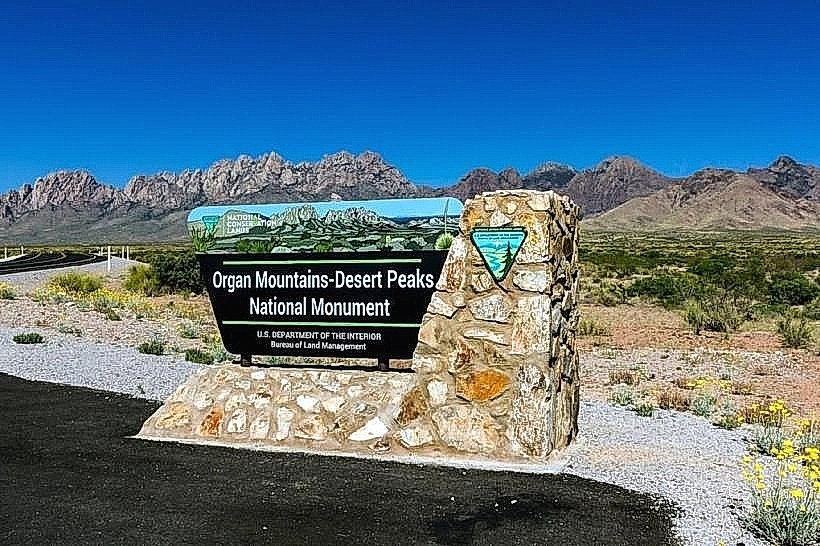
- Organ Mountains-Desert Peaks National Monument (5km Northeast)
- Mesilla Valley Bosque State Park (12km East)
- New Mexico Farm and Ranch Heritage Museum (14km East)
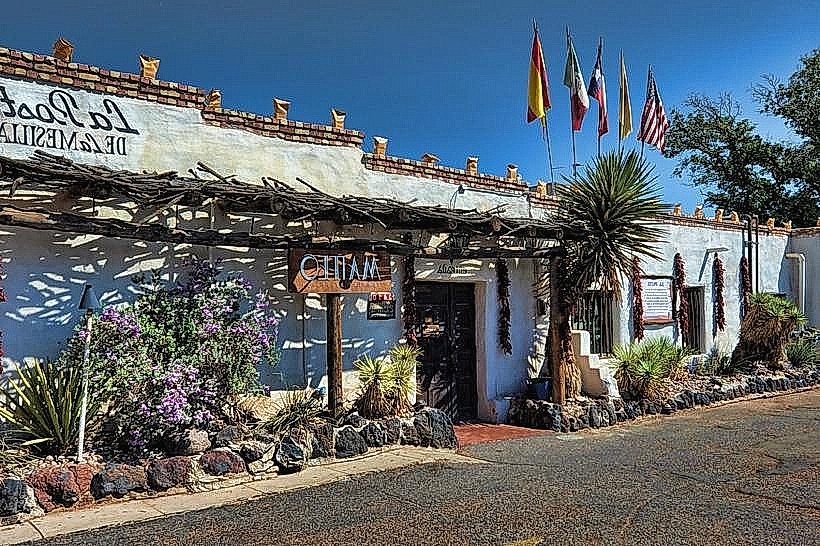
- Old Mesilla Historic Village (15km East)