Information
Landmark: Organ Mountains-Desert Peaks National MonumentCity: Las Cruces
Country: USA New Mexico
Continent: North America
Organ Mountains-Desert Peaks National Monument, Las Cruces, USA New Mexico, North America
The Organ Mountains-Desert Peaks National Monument is a protected area in southern New Mexico, USA, encompassing a significant portion of the Chihuahuan Desert and the distinctive Organ Mountains range.
Visual Characteristics
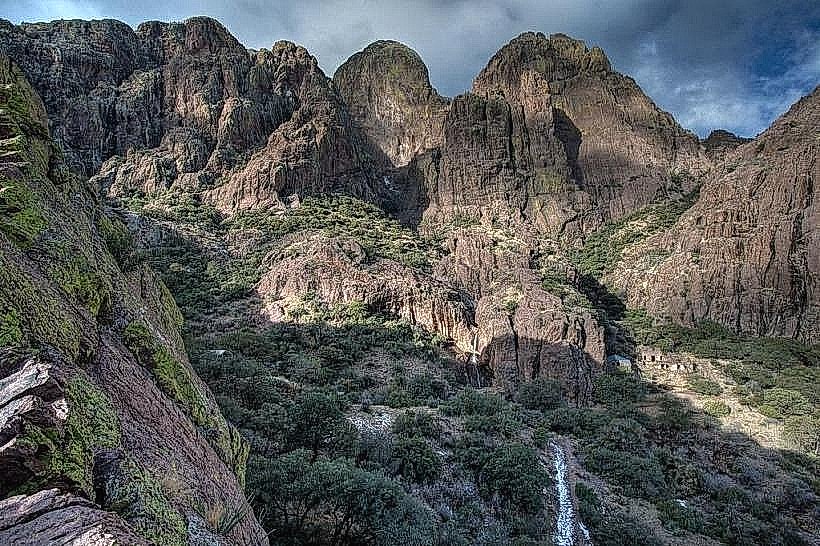
The monument features the prominent Organ Mountains, characterized by jagged, vertical rock formations resembling organ pipes, composed primarily of Precambrian granite and rhyolite. The surrounding desert landscape consists of arid plains with creosote bush, yucca, and various cacti. Elevations range from approximately 4,000 feet to over 9,000 feet in the mountains.
Location & Access Logistics
The monument is located east of Las Cruces, New Mexico. Access points include the Aguirre Spring Recreation Area, approximately 15 miles east of Las Cruces via Highway 70 East, and the Soledad Canyon Day Use Area, accessible via Doña Ana County Road 48. Several unpaved roads provide further access, requiring high-clearance vehicles. Parking is available at designated trailheads and recreation areas. No public transport directly serves the monument.
Historical & Ecological Origin
The Organ Mountains are a fault-block mountain range formed by tectonic uplift. The area's ecological classification is Chihuahuan Desert, supporting a diverse range of desert flora and fauna adapted to arid conditions. The monument was designated in 2014 to protect its geological, cultural, and natural resources.
Key Highlights & Activities
Hiking is available on numerous trails, including the Pine Tree Trail in the Aguirre Spring area and the Soledad Canyon Trail. Rock climbing is permitted in designated areas. Wildlife viewing opportunities exist for desert bighorn sheep, mule deer, and various bird species. Stargazing is notable due to low light pollution.
Infrastructure & Amenities
Restrooms are available at the Aguirre Spring Recreation Area and Soledad Canyon Day Use Area. Limited shade is present at developed picnic sites. Cell phone signal is intermittent to non-existent within most of the monument. No food vendors are located within the monument boundaries; visitors should bring their own supplies.
Best Time to Visit
The best time for hiking is during the spring (March-May) and fall (September-November) when temperatures are moderate, ranging from 50°F to 80°F. Summer temperatures can exceed 100°F. Early morning or late afternoon provides optimal lighting for photography, particularly for the mountain formations.
Facts & Legends
Local legend suggests that the distinctive peaks of the Organ Mountains were formed by the petrified pipes of a giant celestial organ played by ancient spirits. A verified historical fact is the presence of numerous petroglyphs and archaeological sites within the monument, indicating long-term human habitation by indigenous peoples.
Nearby Landmarks
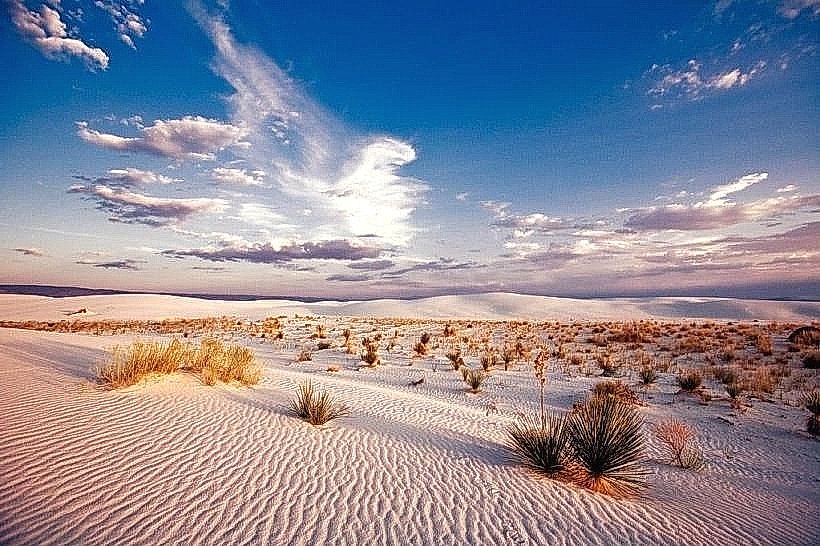
- White Sands National Park (15km Northeast)
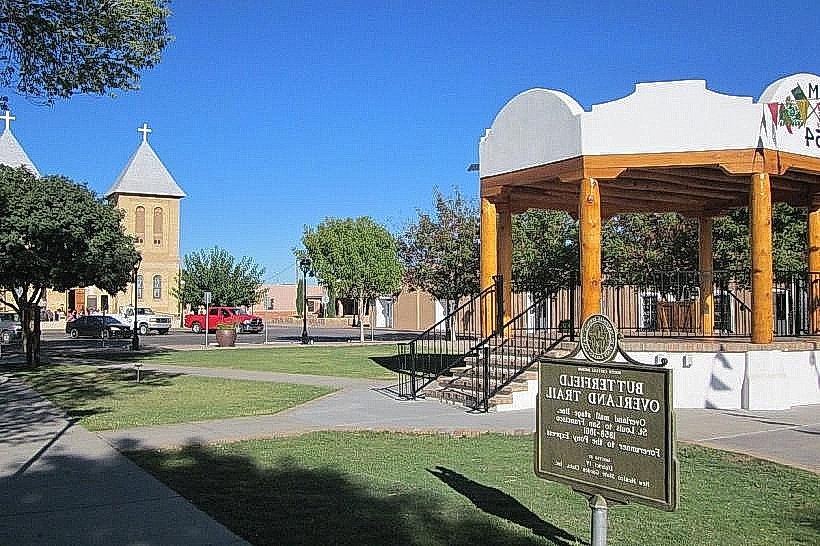
- Mesilla Historic Village (12km Southwest)
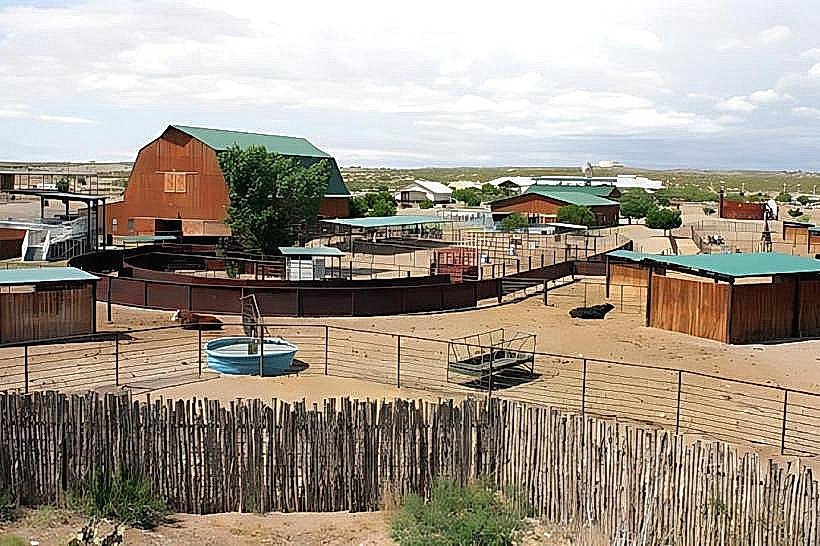
- New Mexico Farm and Ranch Heritage Museum (10km West)
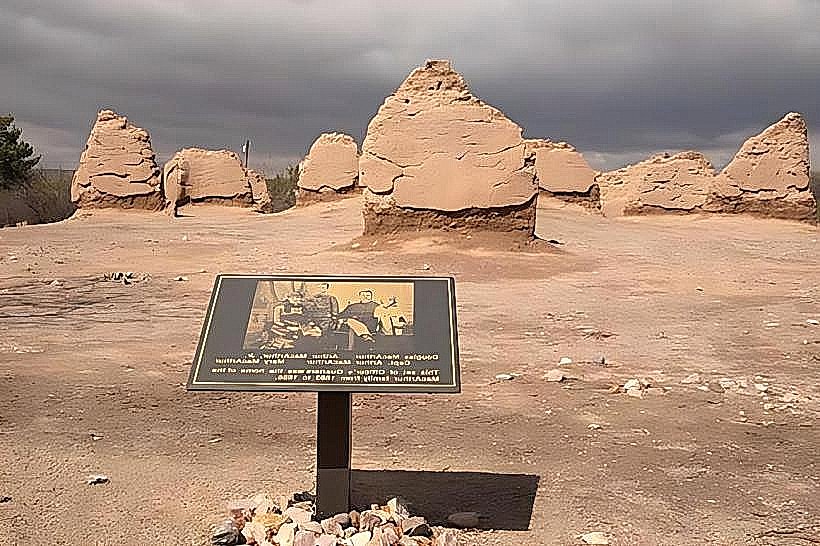
- Fort Fillmore Ranch State Park (13km West)