Information
Landmark: New Mexico State University Campus (NMSU)City: Las Cruces
Country: USA New Mexico
Continent: North America
New Mexico State University Campus (NMSU), Las Cruces, USA New Mexico, North America
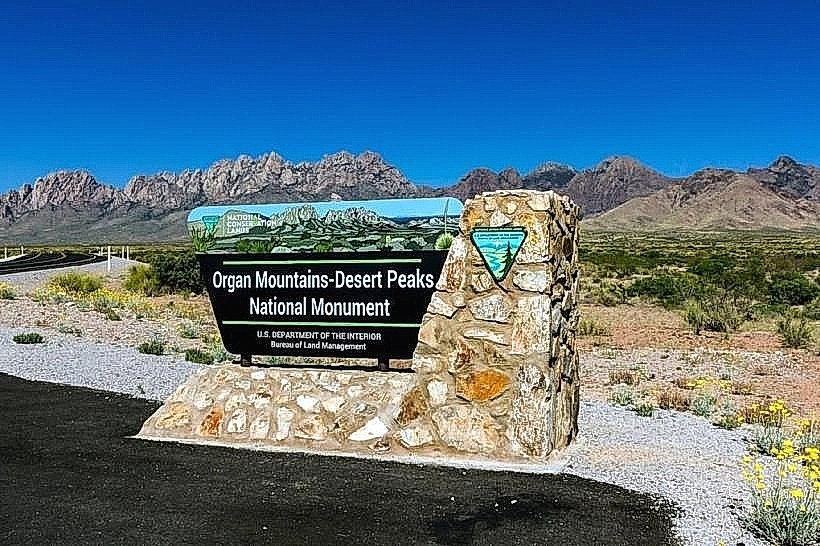
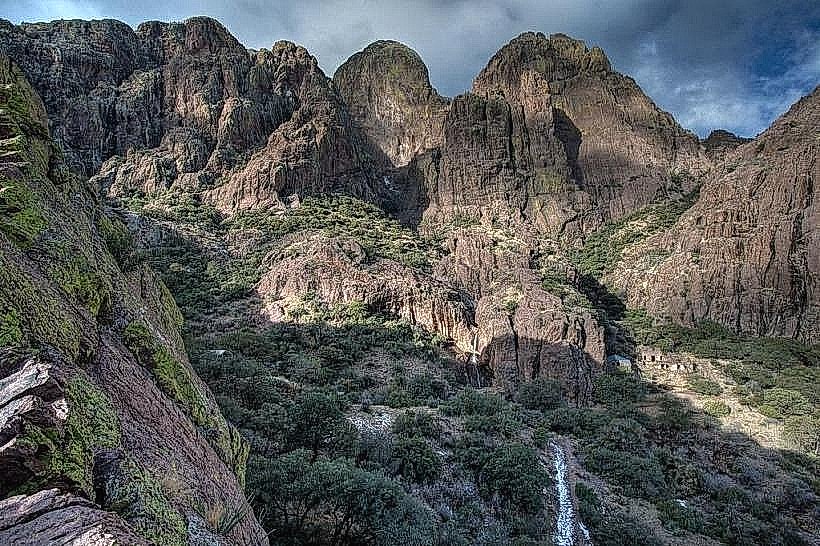
The New Mexico State University (NMSU) Campus, located in Las Cruces, is one of the most picturesque and historically rich academic settings in the American Southwest. Set against the dramatic backdrop of the Organ Mountains, this 900-acre campus combines early 20th-century architecture, desert landscapes, and a dynamic student culture. As the state’s oldest public institution of higher education, founded in 1888, NMSU blends tradition and innovation, serving as a center for research, agriculture, and cultural life in southern New Mexico.
Setting and Atmosphere
The campus spreads across gently rolling desert terrain on the east side of Las Cruces, offering expansive views of both the Mesilla Valley and the rugged Organ Mountains. Its open layout, shaded walkways, and palm-lined boulevards create a calm yet invigorating environment. Visitors often notice the quiet hum of campus life - the sound of footsteps on gravel paths, the echo of conversation in shaded courtyards, and the ever-present sunlight casting sharp contrasts across white stucco walls.
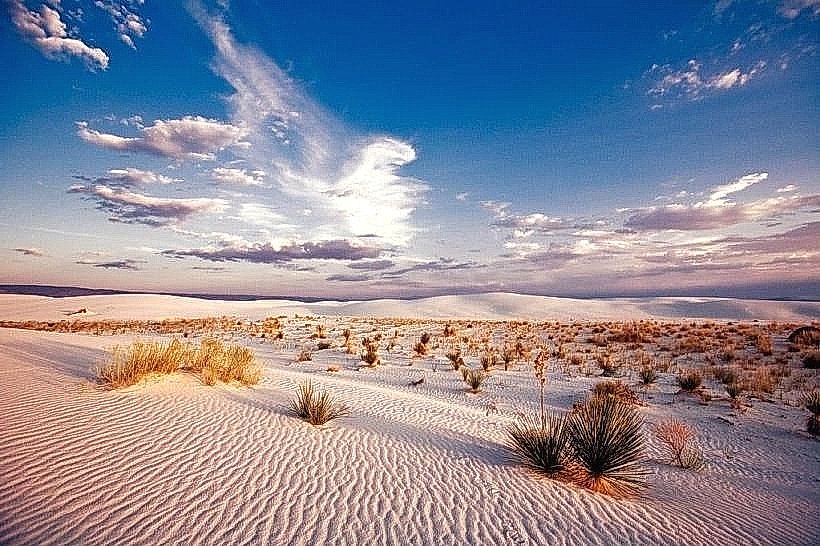
The desert climate shapes the landscape: mesquite trees, ocotillo, and native grasses mingle with cultivated gardens and fountains, reflecting a conscious balance between sustainability and aesthetics. At dusk, the sky over NMSU turns a deep violet, and the glow from the “A” Mountain - a white-painted hillside letter symbolizing Aggie pride - lights the horizon.
Architectural Character
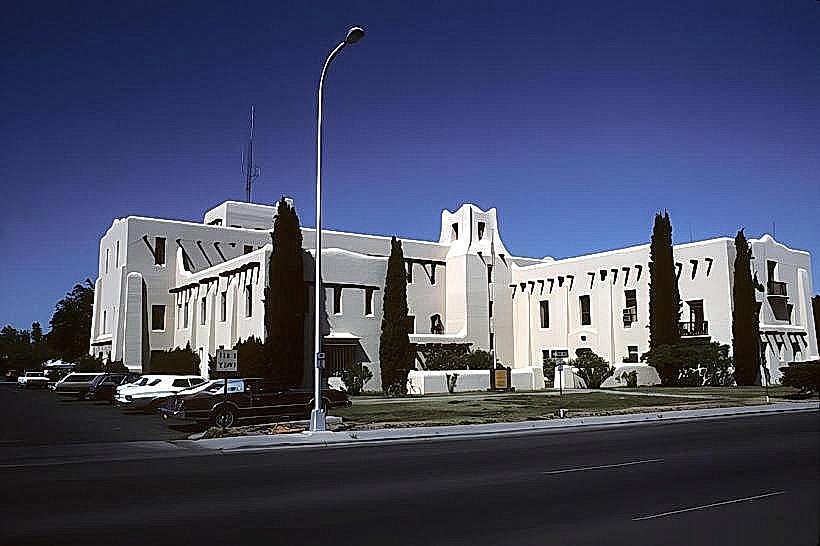
NMSU’s campus architecture reflects a cohesive Pueblo Revival and Spanish Colonial Revival style, unified by stucco facades, red-tile roofs, and archways that frame mountain views. Many of the original buildings, constructed in the early 1900s, were designed by renowned Southwestern architect Henry C. Trost, whose influence still defines the campus’s visual identity.
Key architectural highlights include:
Hadley Hall – The university’s first permanent building (completed in 1907), featuring classic Mission-style elements and serving as an administrative landmark.
Goddard Hall – A historic engineering building with a graceful courtyard and decorative tilework.
Zuhl Library and Museum – Combining modern function with regional design, housing a remarkable fossil and mineral collection.
Aggie Memorial Stadium and Pan American Center – Central hubs for student life and athletics, designed with wide concourses and sweeping desert vistas.
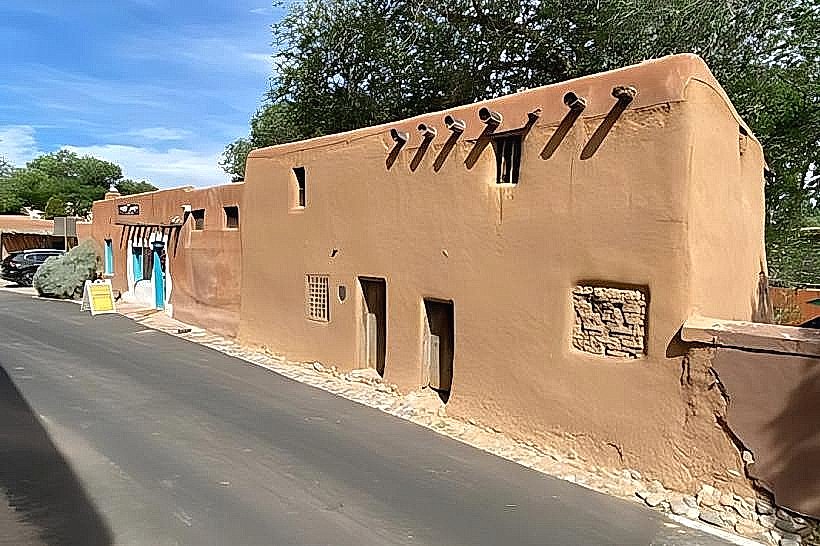
Nason House – A restored early faculty home now used for university events, showcasing original adobe craftsmanship.
Each structure contributes to a sense of continuity - a living architectural narrative linking the university’s past to its evolving role in modern education.
Academic and Cultural Life
As a land-grant, space-grant, and Hispanic-serving institution, NMSU maintains a strong focus on research, outreach, and diversity. Its academic programs in agriculture, engineering, education, and the arts attract students from across the world. Laboratories and research centers explore everything from desert ecology and aerospace engineering to renewable energy and borderland studies.
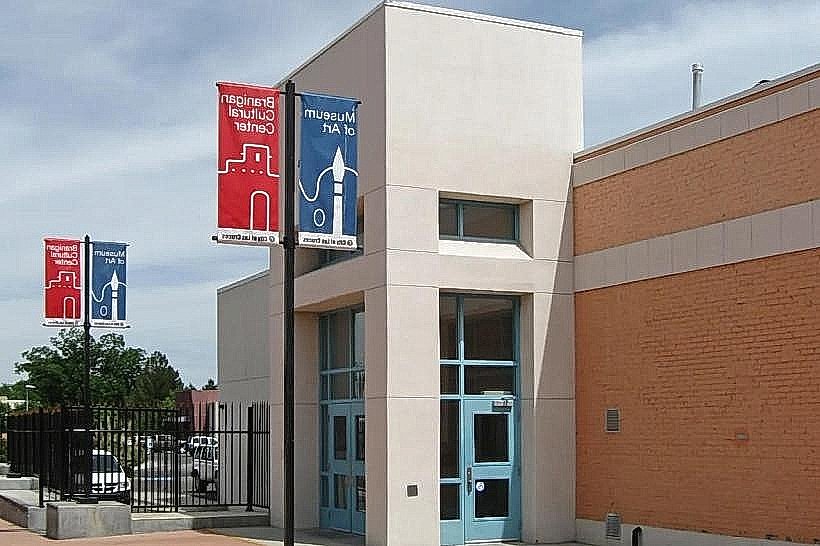
The campus is also a cultural nucleus. The University Art Museum, located inside Devasthali Hall, presents rotating exhibitions of contemporary and regional art. The Center for the Arts houses the Department of Theatre Arts and the American Southwest Theatre Company, staging professional-level productions year-round. Meanwhile, the NMSU Music Center, with its soaring glass façade, hosts orchestral concerts, recitals, and community performances that resonate through the campus’s tranquil courtyards.
Throughout the academic year, festivals and traditions like Homecoming Week, Pan Am concerts, and Aggie basketball games foster an unmistakable sense of unity.
Landmarks and Green Spaces
The NMSU campus is dotted with inviting outdoor spaces that invite exploration and reflection:
The Horseshoe – A circular lawn at the campus core, framed by palm trees and iconic academic buildings, often used for gatherings and ceremonies.
International Mall – A tree-lined walkway filled with sculptures, seating areas, and plaques honoring cultural exchange and global awareness.
Miller Field – A wide green expanse popular for student recreation and outdoor events.
Native Plant Garden – Near the biology complex, this garden highlights desert flora and pollinator habitats.
Tombaugh Observatory – Named for Clyde Tombaugh, the NMSU astronomer who discovered Pluto, it remains a quiet spot for stargazing and public astronomy nights.
Each area adds a layer of character - from formal lawns to intimate desert gardens - making the campus both a place of study and a sanctuary of open air.
Student and Visitor Experience
Walking through NMSU offers a sensory blend of movement and stillness. On a typical morning, you might hear bicycle tires on gravel, see groups of students gathering under the shade of cottonwoods, and catch the scent of mesquite after a rare rain. Cafés and eateries around Corbett Center Student Union provide social hubs, while the Bookstore and Barnes & Noble Café bustle with everyday campus rhythm.
Visitors often explore by foot, admiring the clean lines of the architecture and the interplay between modern research buildings and older adobe structures. The Aggie Memorial Tower, with its bells marking the hours, serves as both an orientation point and a symbol of continuity.
Legacy and Role in the Region
NMSU’s influence extends far beyond academia. As a central institution in southern New Mexico, it anchors the economy, arts, and intellectual life of the region. Its agricultural research benefits the entire Southwest, while its community outreach programs strengthen ties between Las Cruces and surrounding towns.
The university’s commitment to sustainability is evident in its solar energy projects, green architecture, and desert restoration initiatives - a reflection of how education and environment coexist in harmony here.
Closing Impression
The New Mexico State University Campus embodies the essence of the Southwest - a blend of desert light, architectural grace, and intellectual vitality. It is more than a university; it’s a landscape of discovery where history, science, and art meet beneath a vast, sunlit sky. Whether one visits to attend a concert, stroll the Horseshoe, or admire the mountains from a shaded bench, NMSU leaves an impression of openness and quiet inspiration - a place that grows not just minds, but an enduring sense of place.