Information
Landmark: New Mexico Farm and Ranch Heritage MuseumCity: Las Cruces
Country: USA New Mexico
Continent: North America
New Mexico Farm and Ranch Heritage Museum, Las Cruces, USA New Mexico, North America
The New Mexico Farm and Ranch Heritage Museum is an institution dedicated to preserving and interpreting the agricultural history of New Mexico. It is located in Las Cruces, New Mexico.
Visual Characteristics
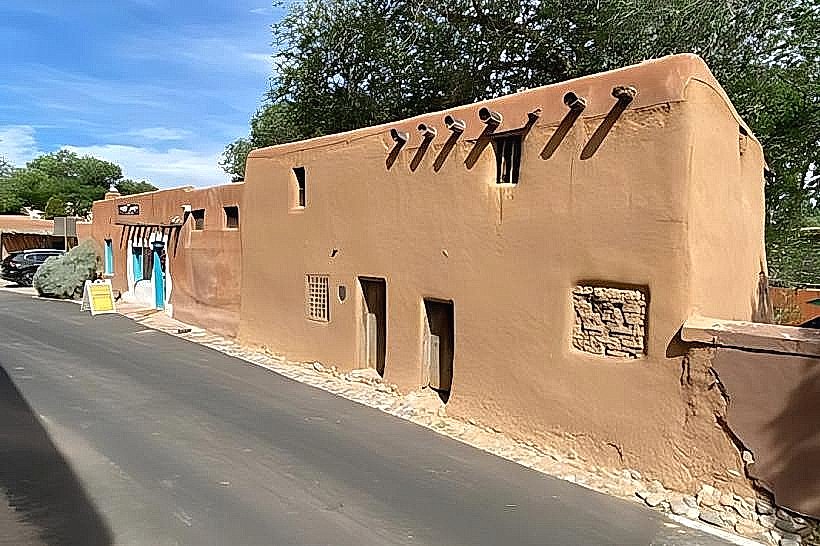
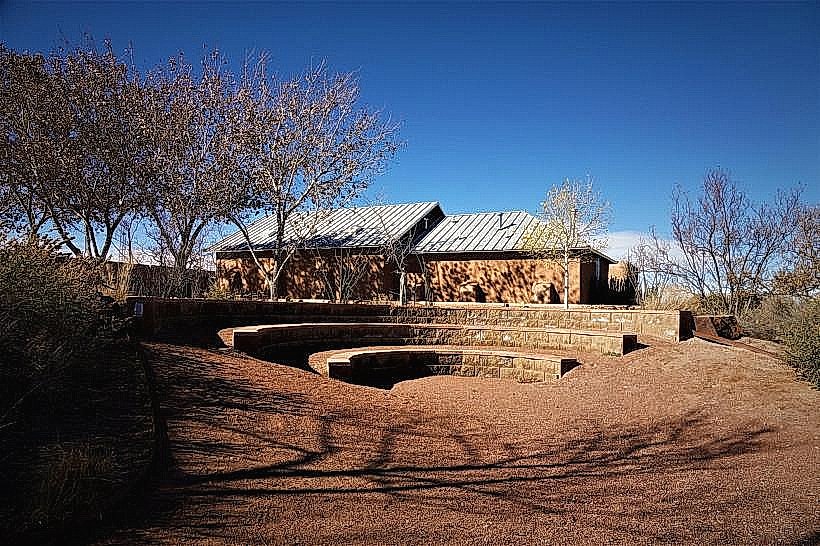
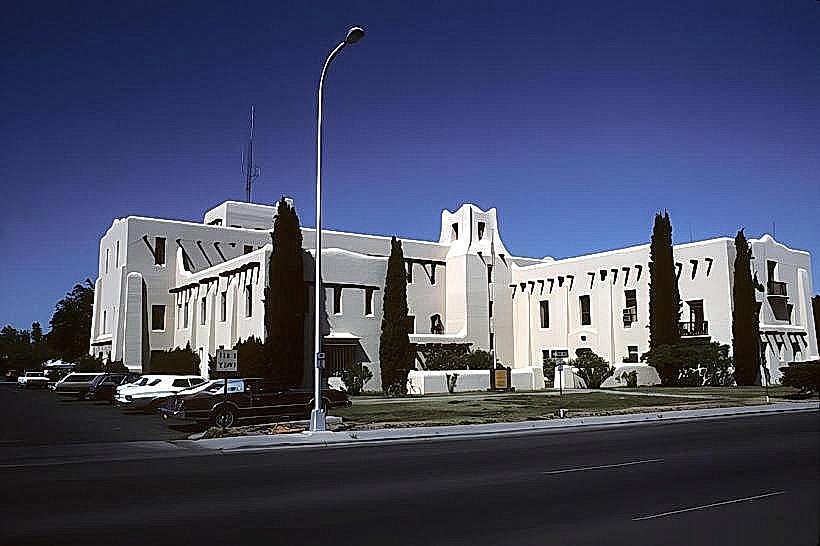
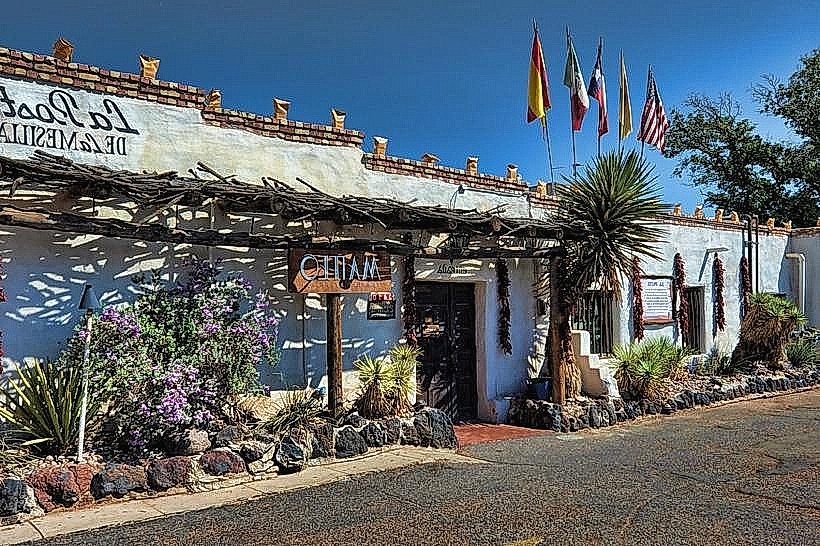
The museum complex comprises several buildings constructed from adobe and stucco, reflecting traditional New Mexican architectural styles. The main exhibition hall features a pitched roof and large windows. Outdoor exhibits include a historic barn, corrals, and cultivated fields. The color palette is dominated by earth tones, with muted reds, browns, and tans.
Location & Access Logistics
The museum is situated at 4100 Dripping Springs Road, approximately 5 kilometers north of downtown Las Cruces. Access is via Dripping Springs Road, which connects to Highway 70. Ample free parking is available on-site, including designated spaces for buses and RVs. The Las Cruces public transit system does not directly serve the museum; visitors typically require private transportation.
Historical & Ecological Origin
The museum was established in 1994 to document and showcase the evolution of farming and ranching in New Mexico from prehistoric times to the present. The site itself was formerly part of a working ranch, preserving elements of its agricultural past. The surrounding landscape is characteristic of the Chihuahuan Desert, with arid conditions and native vegetation.
Key Highlights & Activities
Visitors can explore exhibits on crop cultivation, livestock management, and the impact of technology on New Mexico agriculture. Demonstrations of traditional farming techniques, such as blacksmithing and weaving, are conducted on select days. The museum features a heritage breed livestock area with animals like Corriente cattle and Navajo-Churro sheep. A historic barn and a replica of a turn-of-the-century farmhouse are also accessible.
Infrastructure & Amenities
Restrooms are available within the main building. Shaded areas are provided by ramadas and mature trees in outdoor exhibit spaces. Cell phone signal (4G/5G) is generally reliable within the museum grounds. No on-site food vendors are present, but a gift shop offers light refreshments and souvenirs. The nearest dining establishments are located in Las Cruces.
Best Time to Visit
The best time of day for photography is generally mid-morning or late afternoon when the sunlight is less direct, creating softer shadows on the adobe structures. The most favorable months for visiting are April through October, when outdoor demonstrations are more frequent and the weather is typically warm and dry. The museum is open year-round, with no specific tide requirements.
Facts & Legends
A unique aspect of the museum is its collection of antique farm equipment, including a fully restored 1930s John Deere tractor. Local lore suggests that the land the museum occupies was once a favored resting spot for travelers on the old El Camino Real, drawn by the availability of water from nearby springs.
Nearby Landmarks
- New Mexico State University (2.5km South)
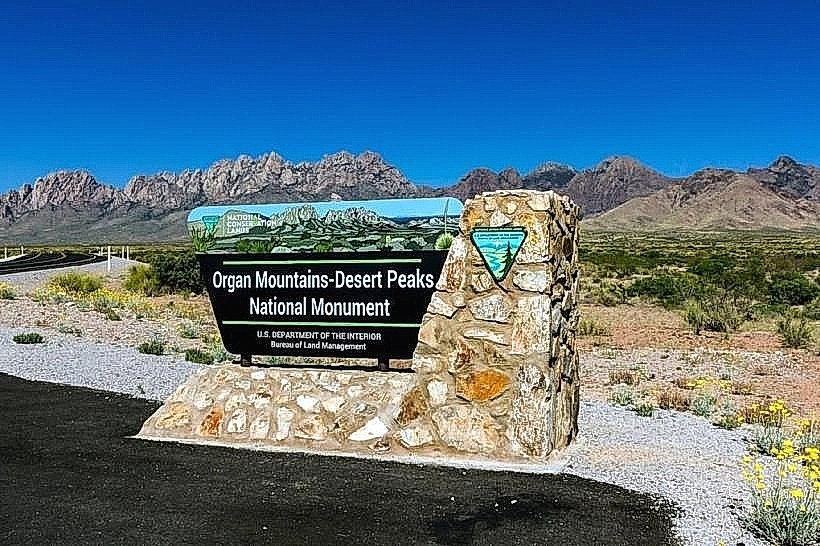
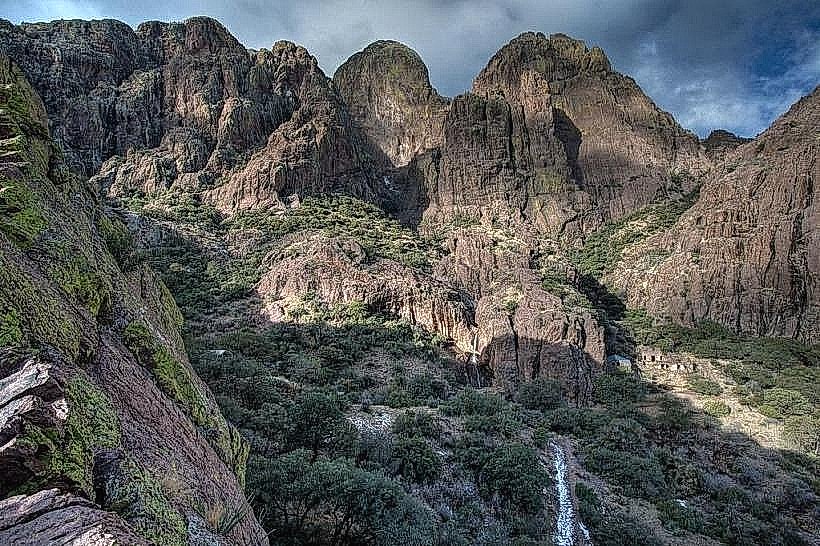
- Organ Mountains-Desert Peaks National Monument (15km East)
- Mesilla Historic Village (6km South)
- Fort Seldon State Monument (20km North)