Information
Landmark: Mesilla Valley Bosque State ParkCity: Las Cruces
Country: USA New Mexico
Continent: North America
Mesilla Valley Bosque State Park, Las Cruces, USA New Mexico, North America
Overview
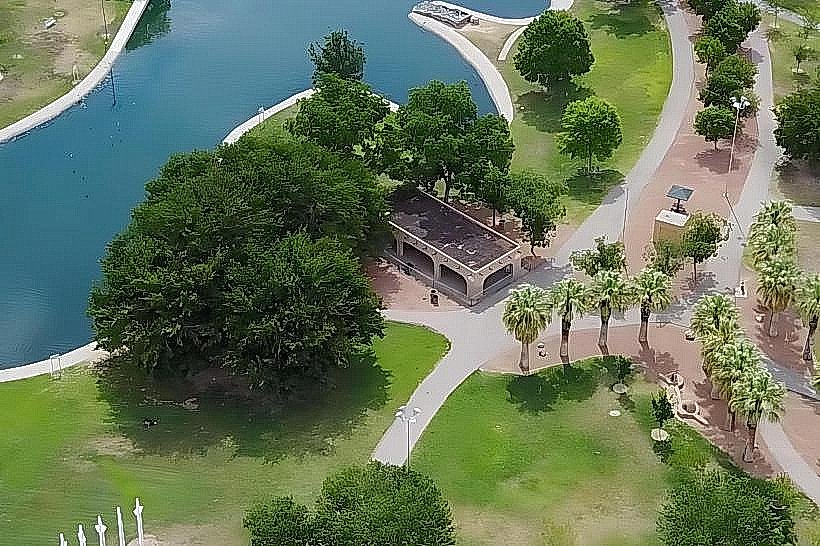
Just west of Las Cruces, novel Mexico, Mesilla Valley Bosque State Park offers a quiet stretch of cottonwoods along the Rio Grande, protecting the fragile riparian life of the Chihuahuan Desert, along with covering over 300 acres, the park weaves together desert and wetland, offering a haven where sand meets still water for migratory birds, native animals, and resilient desert plants.Visitors get a rare chance to step into the green hush of a river bosque, a winding ribbon of life cutting through the dry, sun-baked Mesilla Valley, also the park sits on the Rio Grande’s floodplain, where shifting seasonal waters carve out a patchwork of cottonwood groves, quiet wetlands, and sun‑baked desert grasslands, occasionally They call it “bosque,” taken from the Spanish word for “forest,” a nod to the cottonwood and willow trees that cast dappled shade along the river’s edge, on top of that step through the gate and the dry, sun‑baked desert gives way to a cool stretch of green, where leaves whisper overhead.Fremont cottonwoods tower overhead, their leaves whispering in the breeze, while saltcedar, coyote willow, and mesquite edge the narrow, winding paths, likewise the air drifts in with river mist tangled in the bite of dry sage, a distinctly Southwestern scent that shifts from cool dawn to sun-baked afternoon.To the east, the Organ Mountains rise in jagged peaks, framing the river’s languid, glassy drift and layering the scene with contrasts-the desert’s bare, sun-bleached slopes against the water’s calm, full presence, also as the sun comes up, golden light spills through the branches, throwing long, shivering shadows over the dirt trails.As dusk settles, the cottonwoods burn amber, and cranes with ducks glide in low for the night, their cries carrying over the glassy water, in addition mesilla Valley Bosque State Park invites quiet wandering and hands-on learning, its tidy paths winding past cottonwood groves and open desert flats, a little The Bosque Trail, the park’s main route, winds through the cottonwood forest’s heart, where you might catch the rustle of leaves as you pass signs explaining the area’s ecology and wildlife, at the same time the Riverside Trail hugs the Rio Grande, giving you wide-open views of the glittering water and the patchwork fields beyond.Shorter paths like the Coyote Loop and Rio Loop lead you through quiet shifts in the landscape, where cool, shady riparian forest gives way to sun‑baked desert scrub, as well as soft sand and a scatter of dry leaves shift under your feet, while the air carries a quiet mix of rustling wind, birds calling, and the faint hush of water sliding past.Not surprisingly, Near the entrance stands the Visitor Center, a low adobe-style building where you can learn about the area and pause to rest in the shade, then step inside and you’ll find displays of shining desert wildflowers, wildlife tracks in sand, and stories that show why restoring rivers matters in dry landscapes.Frankly, Staff and volunteers often take people out on guided nature walks, birding tours, and hands‑on outdoor workshops, helping them grasp how the region’s ecosystems work-like spotting a heron fishing along the riverbank, meanwhile flora and FaunaThe park’s diverse habitats shelter everything from vivid hummingbirds to shy desert foxes, earning it a spot among southern innovative Mexico’s top birding destinations.Over 250 bird species call this location home, from sandhill cranes and great blue herons to roadrunners, American kestrels, white‑winged doves, and the splash of seasonal migratory waterfowl cutting across the sky, along with on winter mornings, cranes and geese rise together from the frosted wetlands in a single sweeping motion, while spring and fall shimmer with the quick flashes of warblers and darting flycatchers.Alongside its birds, the bosque shelters cottontail rabbits, mule deer, foxes, and now and then a lone coyote gliding silent through the dry, rustling brush, and whiptail lizards and western coachwhips stretch out on warm, dusty paths, as dragonflies drift in setting over the glittering riverbank.You can glimpse in the leaves and stems how plant life holds a fragile balance between soaking rain and parched earth, alternatively cottonwoods stretch overhead to form the park’s leafy canopy, while four-wing saltbush, desert broom, and sacaton grass grip the sandy soil, holding it steady beneath your feet.In the park’s restoration zones, native plants have been brought back to push out invasive growth, so the floodplain can flourish again-willows leaning toward the water, their leaves catching the breeze, along with mesilla Valley Bosque State Park acts as a living classroom, where visitors can learn about environmental stewardship while hearing the rustle of cottonwood leaves overhead.As far as I can tell, The mission focuses on protecting river ecosystems, especially in an area where farms and expanding cities have reshaped the water’s once-steady course, on top of that park programs show visitors how to protect water, care for wildlife habitats, and understand why riparian zones matter so much to the Southwest’s fragile ecology-picture cottonwoods lining a quiet stream, kind of The innovative Mexico State Parks Division works with local schools and community groups to restore habitats-planting cottonwoods, pulling out invasive weeds, and guiding water back into its aged, winding channels, after that these efforts keep riverbanks steady and protect the mix of life along the water’s edge, serving as a clear model for managing desert rivers sustainably.Each season reshapes the park, from spring’s soft blush of blossoms to the crisp gold leaves that crunch underfoot, also spring rolls in with fresh leaves and splashes of color, wildflowers opening along dusty trails.In summer, insects buzz in the heat, while the canopy offers a patch of cool shade beneath the relentless desert sun, also in autumn, the bosque glows with gold and deep rust, drawing photographers and birdwatchers alike to capture the light filtering through the leaves.In winter, the land opens wide, and the distant, mournful cries of migrating cranes drift through the chilly air, furthermore the park’s gentle rhythm invites you to deliberate down, to watch without rushing, as city noise falls away and the rustle of cottonwood leaves draws you into the living pulse of the Rio Grande.In the end, Mesilla Valley Bosque State Park shows the quiet strength of fresh Mexico’s riverlands-a destination where water glints in the sun, light shifts through cottonwood leaves, and life threads itself together in delicate balance, in conjunction with it’s a destination to stroll at an easy pace, hear every rustle in the dry grass, and watch the desert draw a measured breath where it touches the river.Visitors might watch herons skim low across the shallows, follow fresh tracks pressed into warm sand, or pause beneath the cool cottonwood shade, at the same time in each moment, they sense a quiet that seems to stretch beyond time-a gentle proof that in the desert, life thrives wherever water runs.
Author: Tourist Landmarks
Date: 2025-10-12