Information
Landmark: Earthships-Sustainable CommunitiesCity: Taos
Country: USA New Mexico
Continent: North America
Earthships-Sustainable Communities, Taos, USA New Mexico, North America
Earthships are a type of passive solar house designed to be a self-sufficient dwelling, located in the unincorporated community of Taos, New Mexico, USA.
Visual Characteristics
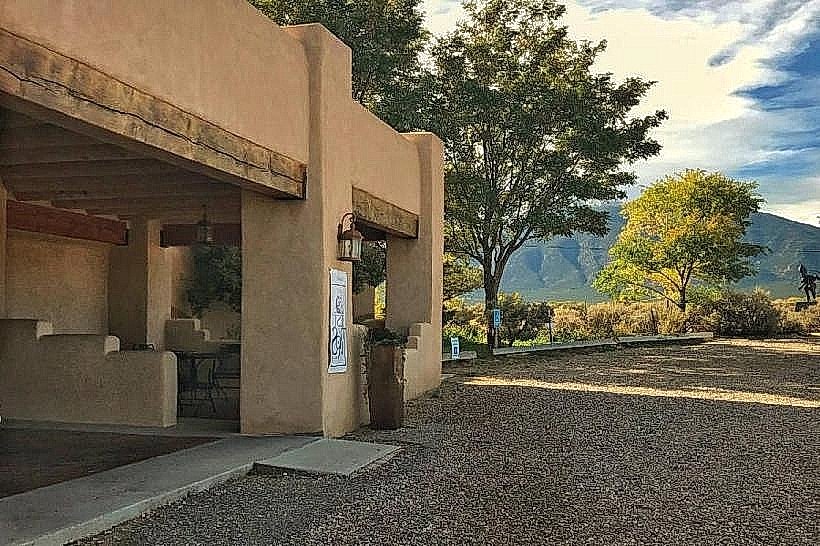
These structures are primarily constructed from recycled materials, notably used tires packed with earth, and adobe. Exterior walls often exhibit a rough, textured finish due to the tire and earth construction, with some sections faced with adobe plaster. The buildings are typically low-profile, integrated into the landscape, and feature large south-facing windows for solar gain. Roofs are often covered with soil and planted with vegetation, contributing to insulation and water catchment.
Location & Access Logistics
Earthship communities are situated approximately 15 miles northwest of the town of Taos. Access is via unpaved roads, requiring a vehicle capable of handling rough terrain. The primary access route is generally from the north off State Road 570 (also known as the "Earthship Way"). Parking is available on-site, typically unassigned and informal. Public transport is not available to the Earthship communities; private vehicle transport is necessary.
Historical & Ecological Origin
The concept of Earthships was developed by architect Michael Reynolds in the 1970s. The original purpose was to create affordable, sustainable housing that could operate off-grid, utilizing passive solar design, natural and recycled materials, and integrated systems for water, waste, and energy. The ecological origin lies in the principles of permaculture and sustainable building, aiming to minimize environmental impact and resource consumption.
Key Highlights & Activities
Visitors can take guided tours of various Earthship models to understand their construction and operational systems. Demonstrations of passive solar heating, water harvesting, and integrated greenhouse systems are common. Self-guided exploration of the exterior architecture is also possible. Some Earthships are available for short-term rental, allowing for an immersive experience.
Infrastructure & Amenities
Restrooms are available at the visitor center and within some tourable Earthship models. Shade is provided by the structures themselves and by vegetation. Cell phone signal can be intermittent and unreliable within the communities. Food vendors are not typically present on-site; visitors should plan to bring their own provisions. Basic visitor facilities are concentrated around the main tour area.
Best Time to Visit
The best time of day for photography is mid-morning or late afternoon to capture the interplay of light and shadow on the unique building materials. The best months for visiting are typically from April to October, offering milder weather conditions. Winter months can be cold, though the passive solar design aims to maintain interior temperatures.
Facts & Legends
A notable aspect of Earthship construction is the use of thousands of discarded tires, which are packed with earth to form load-bearing walls. This method provides significant thermal mass, helping to regulate interior temperatures naturally. Local lore often centers on the ingenuity of self-sufficiency and the community's commitment to off-grid living.
Nearby Landmarks
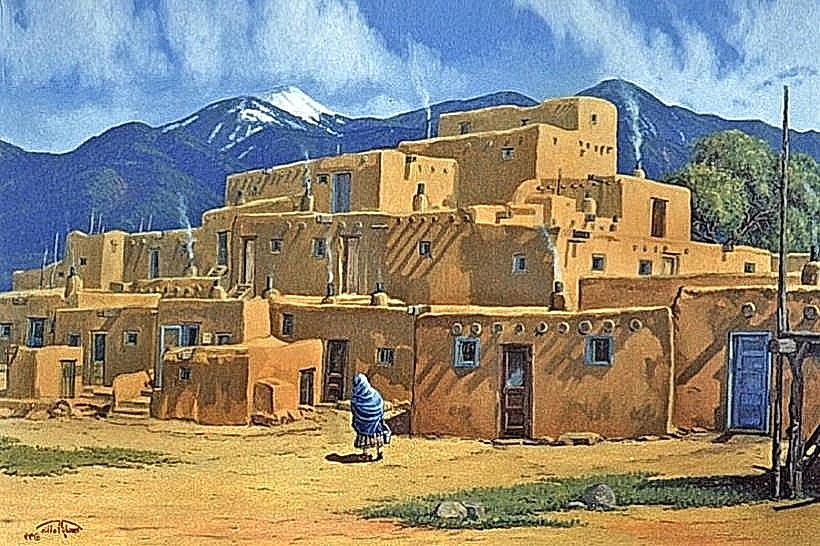
- Taos Pueblo (15km Southeast)
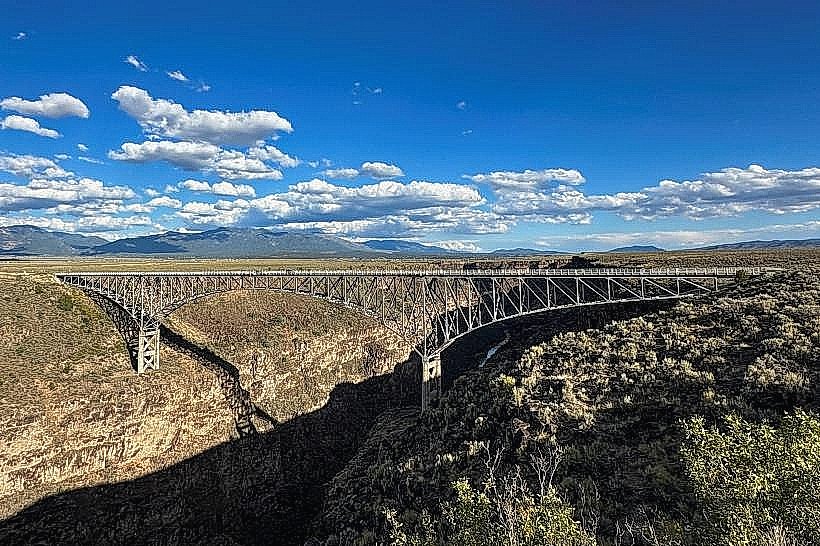
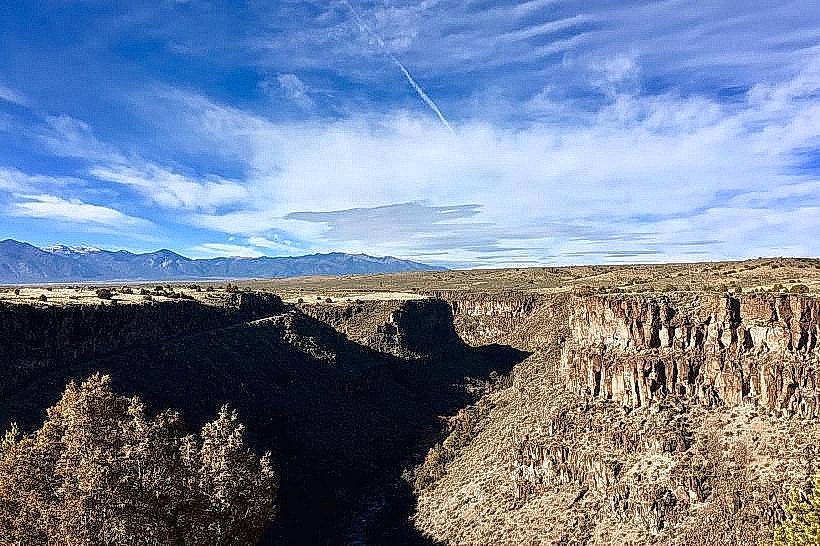
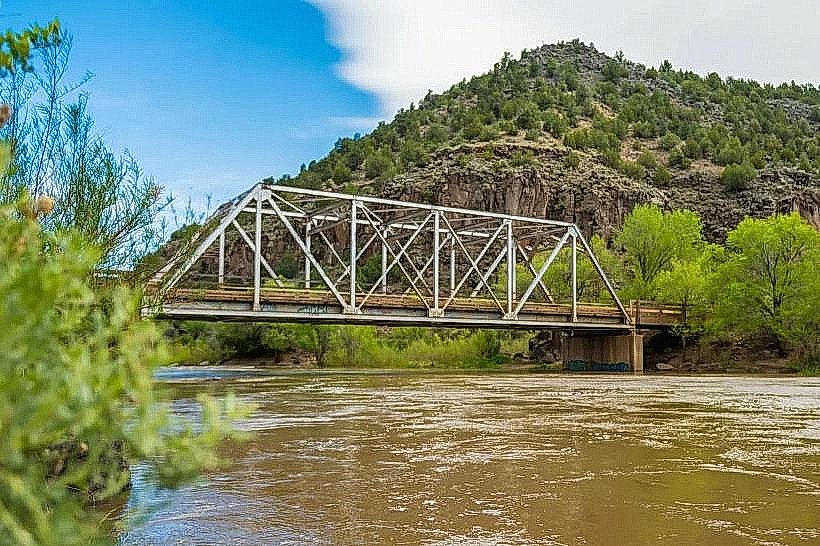
- Rio Grande Gorge Bridge (10km West)
- Carson National Forest (Variable distances, North/East)
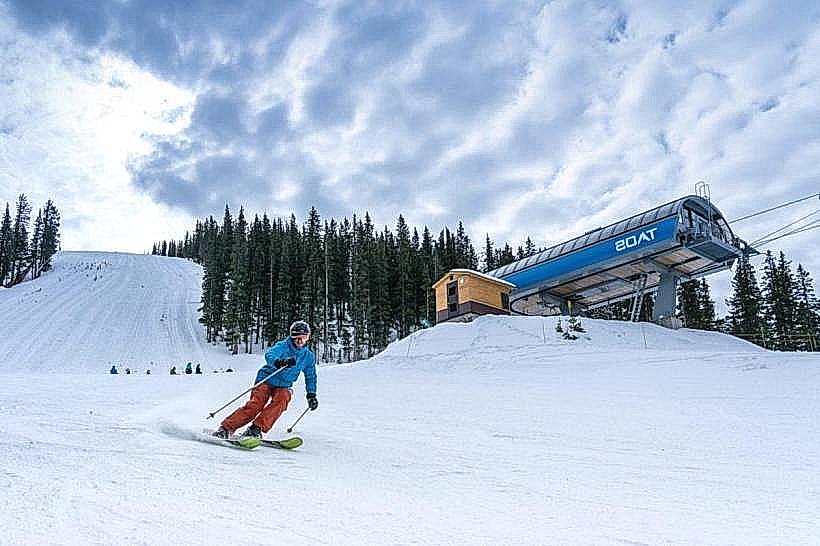
- Taos Ski Valley (30km Northeast)