Information
Landmark: Taos PuebloCity: Taos
Country: USA New Mexico
Continent: North America
Taos Pueblo, Taos, USA New Mexico, North America
Taos Pueblo is an ancient Native American village located in Taos, New Mexico, USA. It is one of the oldest continuously inhabited communities in North America.
Visual Characteristics
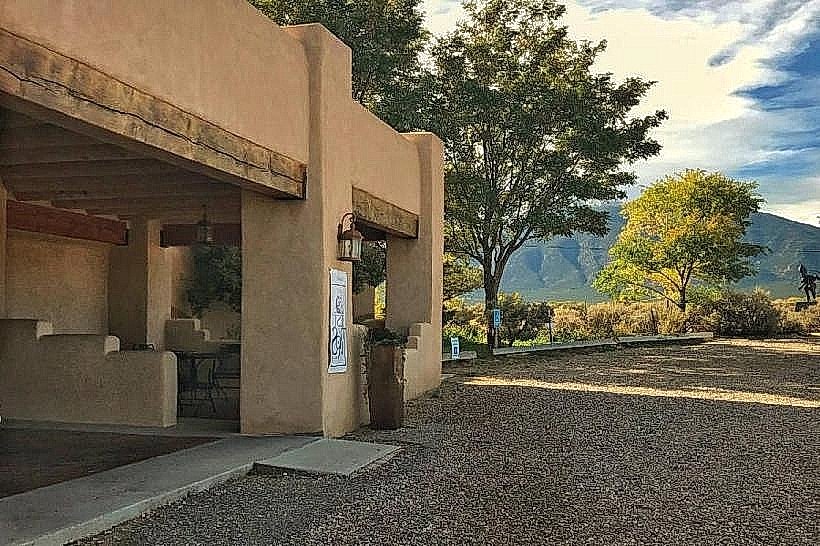
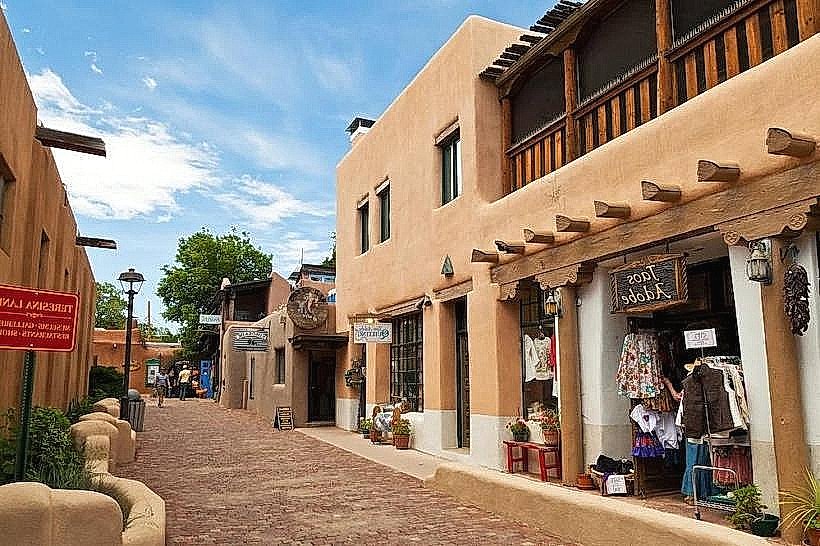
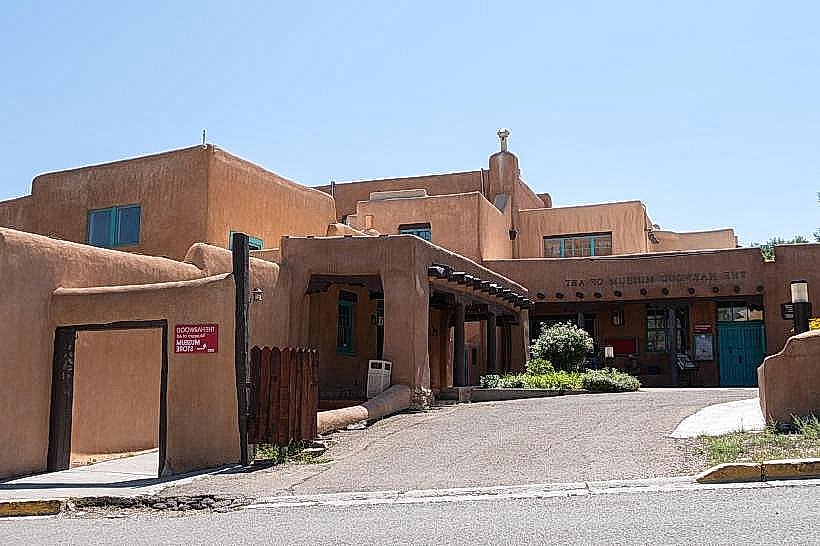
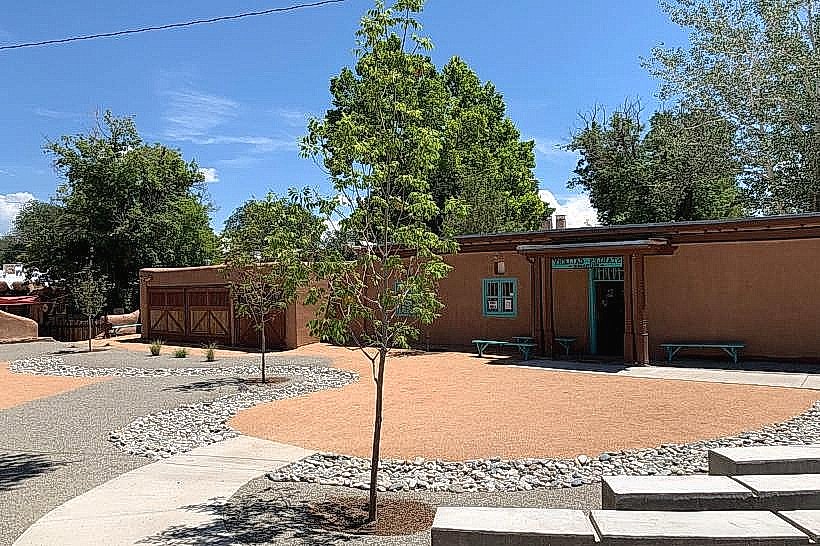
The pueblo consists of multi-story adobe structures constructed from earth and timber. The walls are typically reddish-brown, with a smooth, plastered finish. Buildings are arranged in a terraced fashion, with no two structures identical. The architecture is characterized by its organic integration with the surrounding landscape.
Location & Access Logistics
Taos Pueblo is situated approximately 1.6 kilometers (1 mile) northeast of the Taos town center. Access is via Pueblo Road, which connects directly to State Road 68. Ample parking is available at the main entrance. No public transport directly serves the pueblo; visitors typically arrive by private vehicle or taxi from Taos.
Historical & Ecological Origin
The origins of Taos Pueblo date back over 1,000 years. The current structures are believed to have been built between 1000 and 1450 AD. The pueblo was constructed by the Tiwa people using traditional building techniques, with adobe bricks made from local soil and straw. Its purpose has always been residential and ceremonial.
Key Highlights & Activities
Visitors can walk through the pueblo's ancient pathways and observe the architecture. Photography is permitted in designated areas, with a fee. Traditional crafts, including pottery and jewelry, are sold by residents. Guided tours are available, providing historical and cultural context.
Infrastructure & Amenities
Restrooms are available near the entrance. Limited shade is provided by the structures themselves. Cell phone signal is generally available within the pueblo grounds. Food vendors are typically present near the entrance, offering local cuisine.
Best Time to Visit
The best time of day for photography is generally mid-morning or late afternoon when the sunlight casts distinct shadows on the adobe walls. The best months for visiting are May through October, avoiding the harshest winter conditions. The pueblo is closed for a period in late winter/early spring for ceremonial purposes; check the official schedule.
Facts & Legends
A notable historical fact is that Taos Pueblo has been continuously inhabited for at least 1,000 years, making it one of the oldest living communities in the United States. A local legend speaks of a sacred spring within the pueblo that possesses healing properties.
Nearby Landmarks
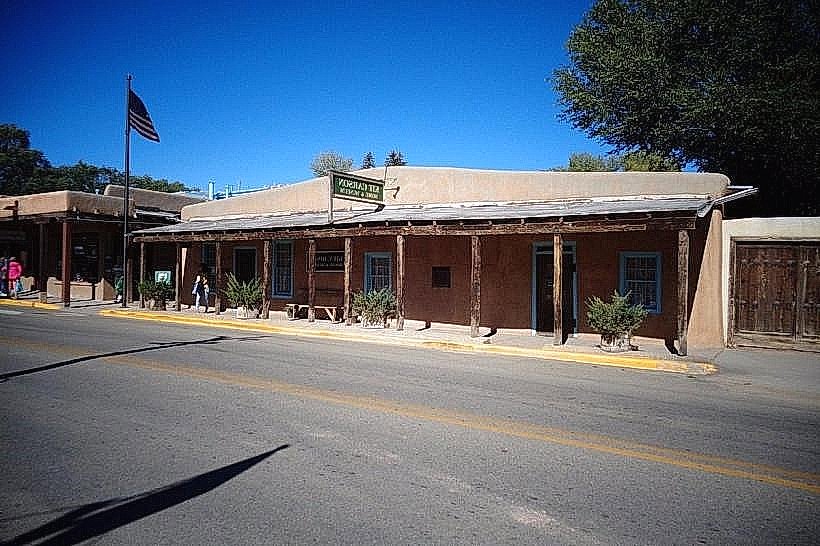
- Kit Carson Home and Museum (0.8km Southwest)
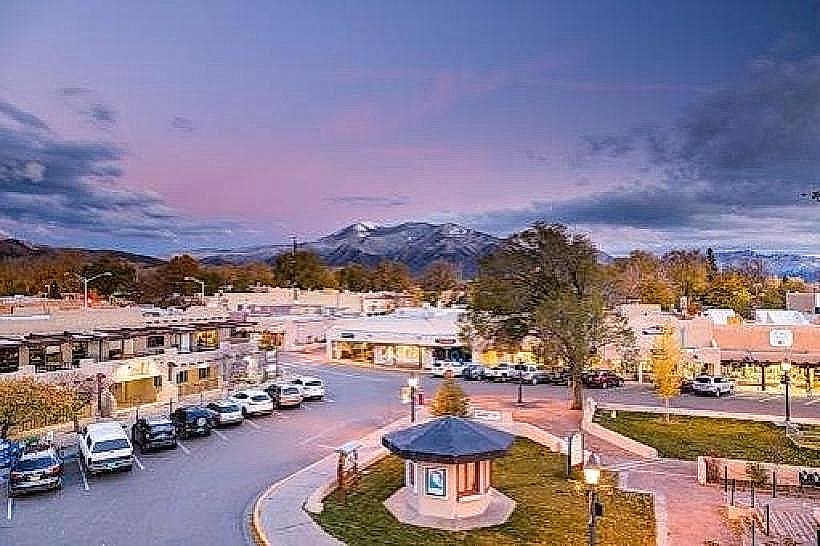
- Taos Plaza (1.5km Southwest)
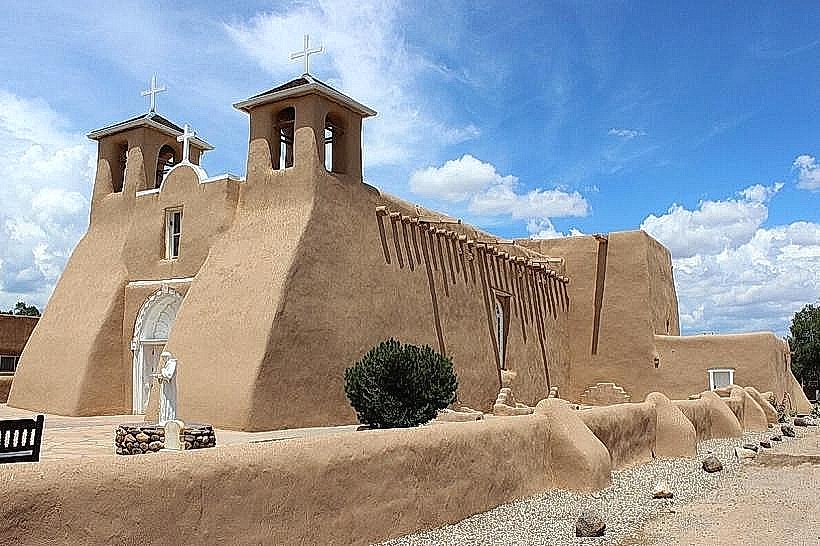
- San Francisco de Assisi Mission Church (4.0km South)
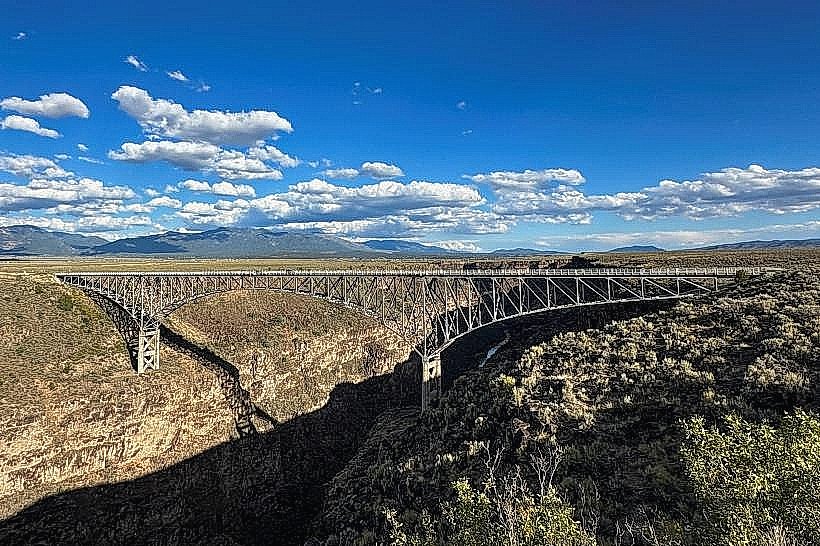
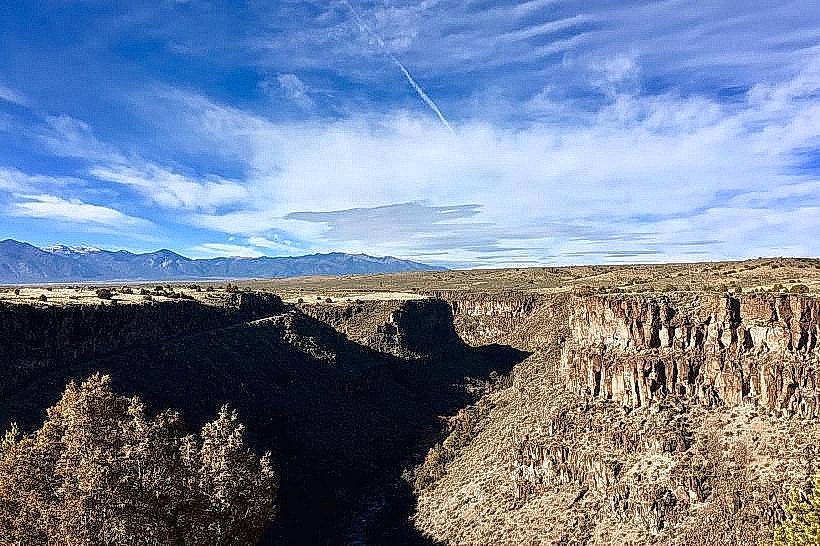
- Rio Grande Gorge Bridge (15.0km West)