Information
Landmark: John Dunn BridgeCity: Taos
Country: USA New Mexico
Continent: North America
John Dunn Bridge, Taos, USA New Mexico, North America
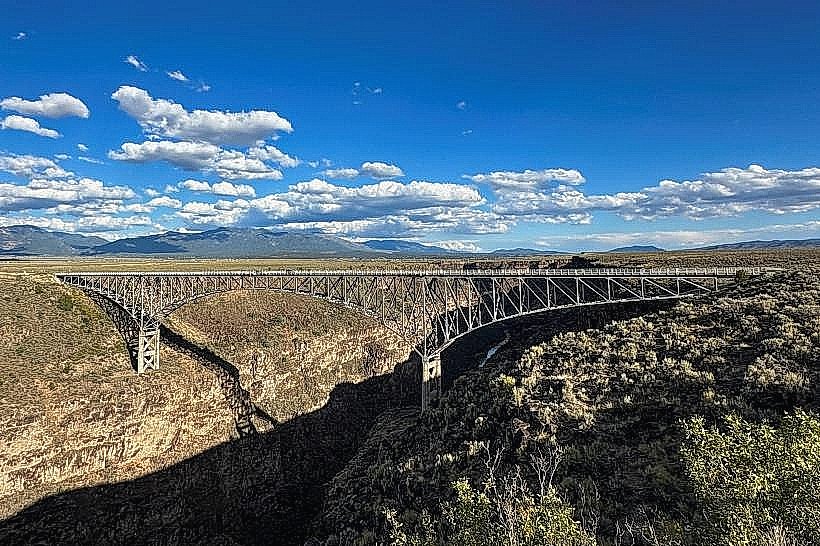
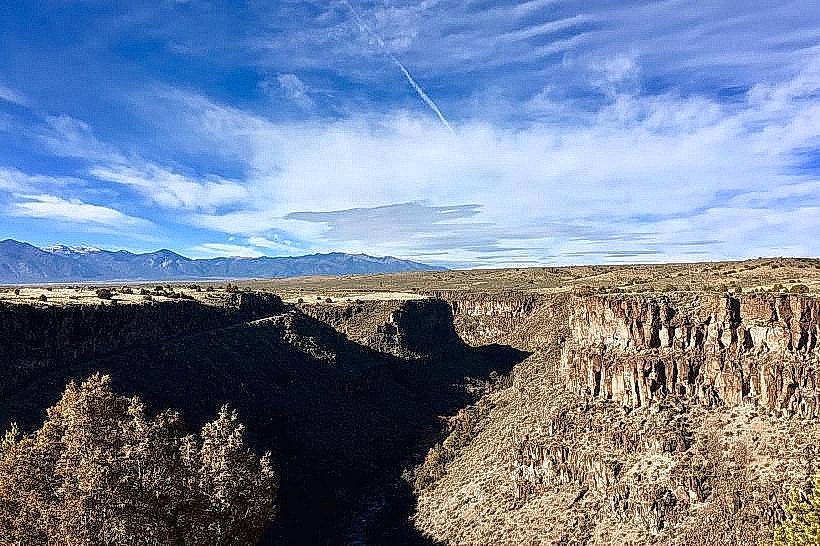
John Dunn Bridge is a historic bridge spanning the Rio Grande Gorge near Taos, New Mexico. It provides access to the canyon floor and surrounding recreational areas.
Visual Characteristics
The bridge is a steel arch structure with a deck width of approximately 15 feet. Its primary color is a weathered grey, consistent with its age and exposure to the elements. The arch spans approximately 400 feet across the gorge.
Location & Access Logistics
The bridge is located 12 miles west of Taos, New Mexico, accessed via State Road 68. Turn west onto County Road 111 (also known as John Dunn Bridge Road) and proceed for approximately 3 miles. Parking is available in a designated gravel lot at the southern end of the bridge. No public transport services directly reach the bridge.
Historical & Ecological Origin
The current John Dunn Bridge was constructed in 1937, replacing an earlier wooden structure. It was built to provide access to the mining claims and recreational opportunities within the Rio Grande Gorge. The gorge itself is a geological feature formed by the erosive power of the Rio Grande over millions of years, exposing layers of volcanic rock.
Key Highlights & Activities
Activities include fishing in the Rio Grande, picnicking at designated sites, and exploring the canyon floor. The bridge itself offers a vantage point for observing the gorge's geological formations. Access to hiking trails on the canyon floor is available from the southern end.
Infrastructure & Amenities
Restrooms are available at the parking area. Shade is limited to natural rock overhangs and vegetation. Cell phone signal is intermittent to non-existent within the gorge. No food vendors are present at the bridge site; visitors should bring their own provisions.
Best Time to Visit
For photography, early morning or late afternoon provides optimal lighting conditions for the gorge walls. The best months for visiting are typically May through October, avoiding potential winter road closures due to snow and ice. The Rio Grande's water levels can vary, impacting fishing and water-based activities.
Facts & Legends
The bridge is named after John Dunn, an early prospector who established a toll road and ferry service in the area in the late 19th century. A local anecdote suggests that Dunn's ghost still guards the canyon, though this is unsubstantiated.
Nearby Landmarks
- Rio Grande Gorge Bridge (1.5km North)
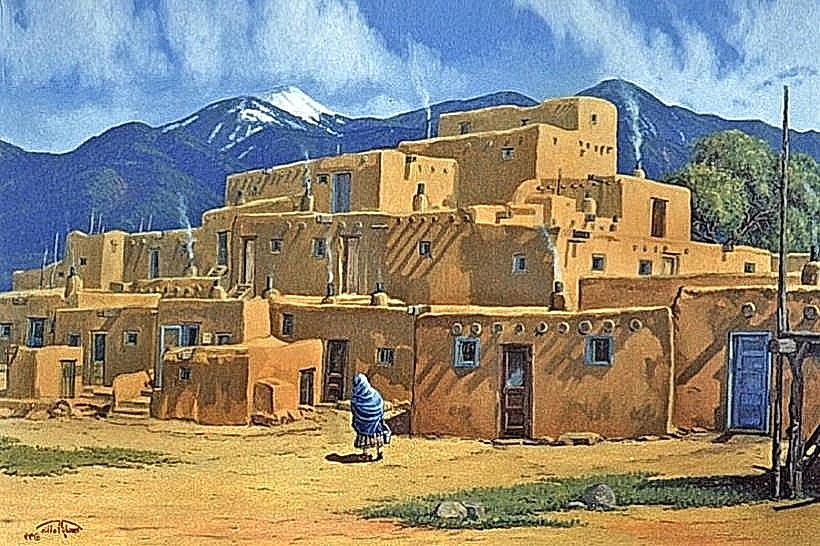
- Taos Pueblo (15km East)
- Carson National Forest (Variable distances, generally East and North)
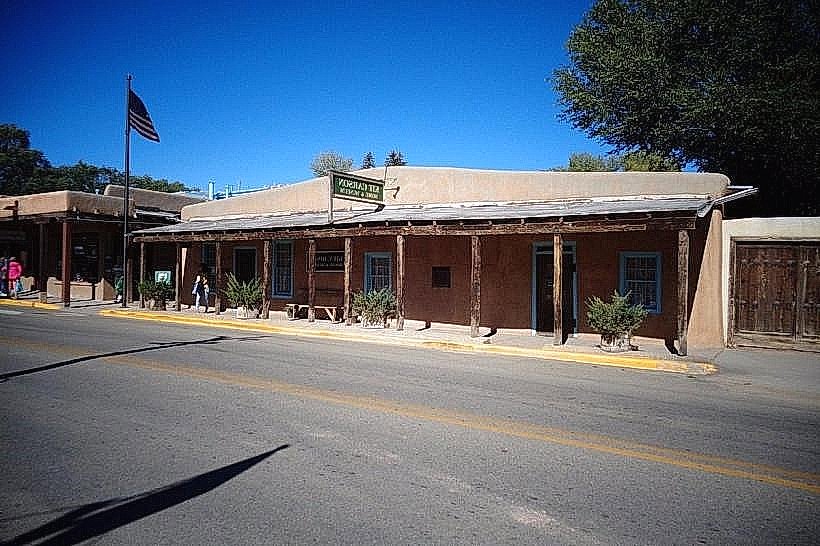
- Kit Carson Park (13km East)