Information
Landmark: Harwood Museum of ArtCity: Taos
Country: USA New Mexico
Continent: North America
Harwood Museum of Art, Taos, USA New Mexico, North America
Overview
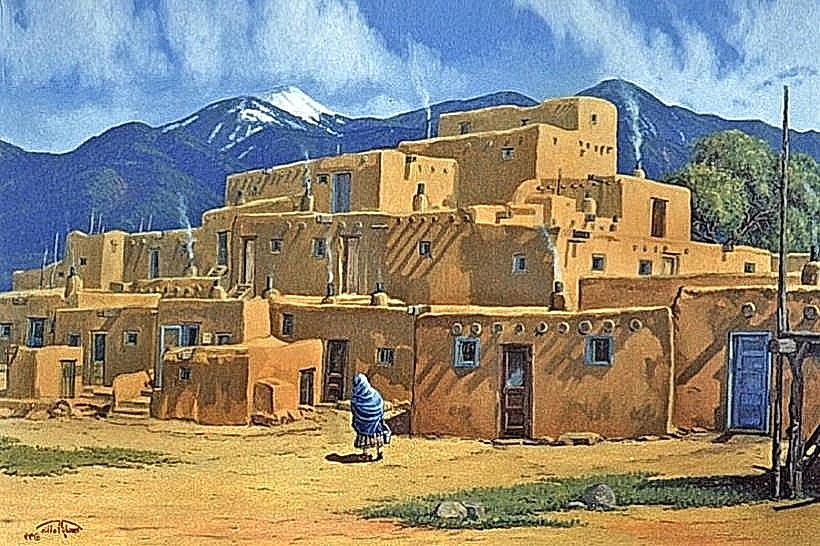
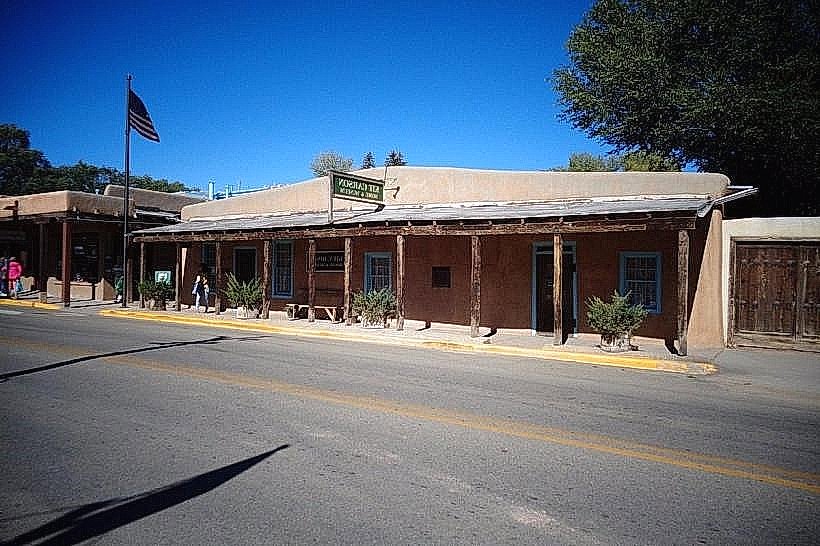
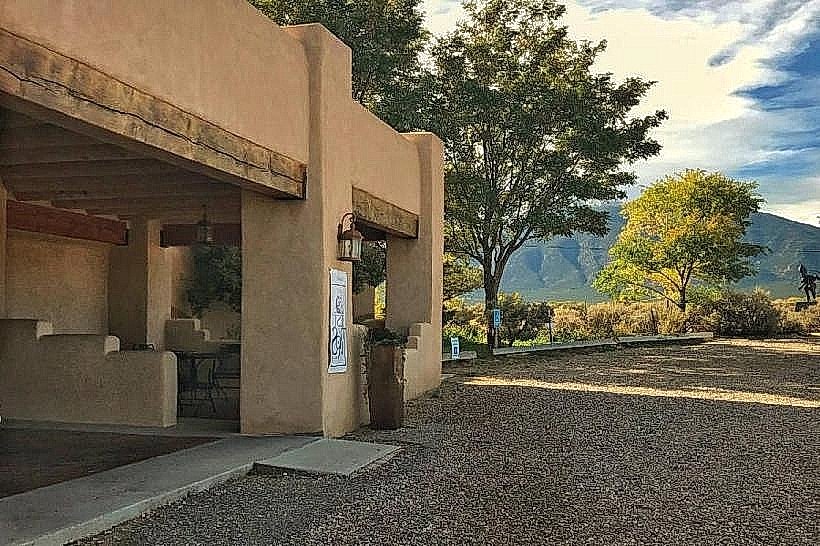
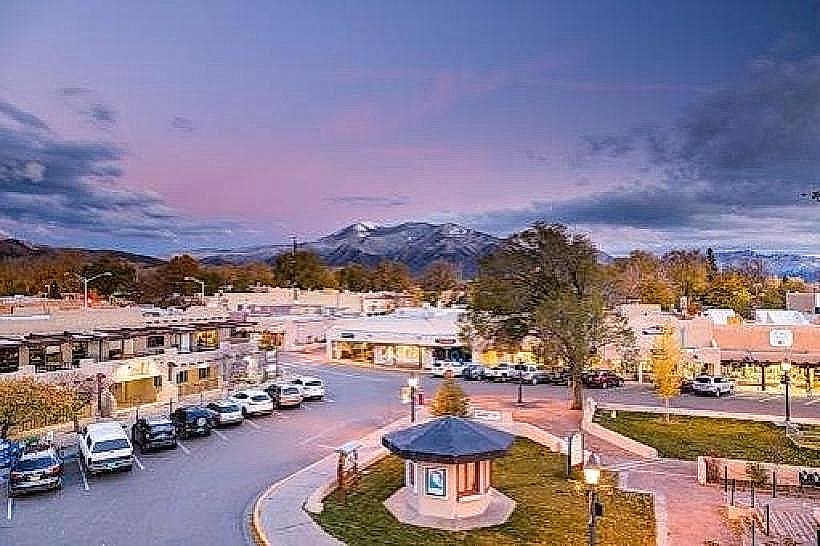
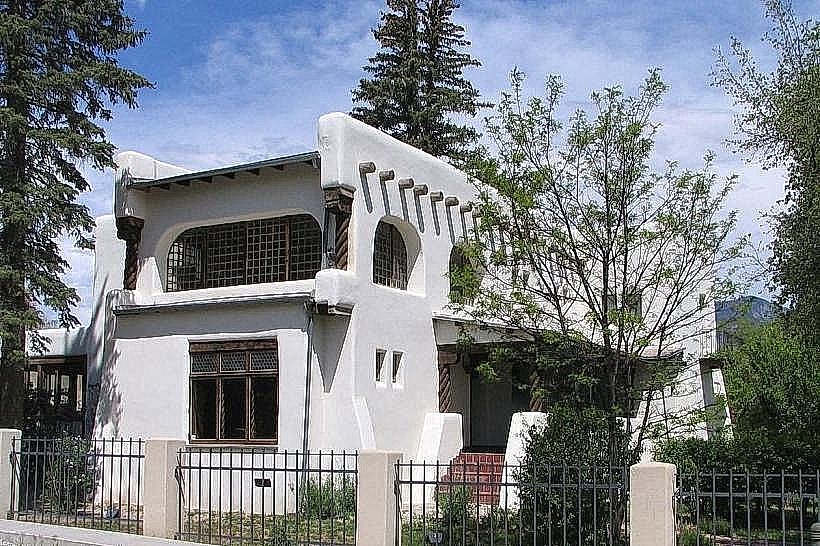
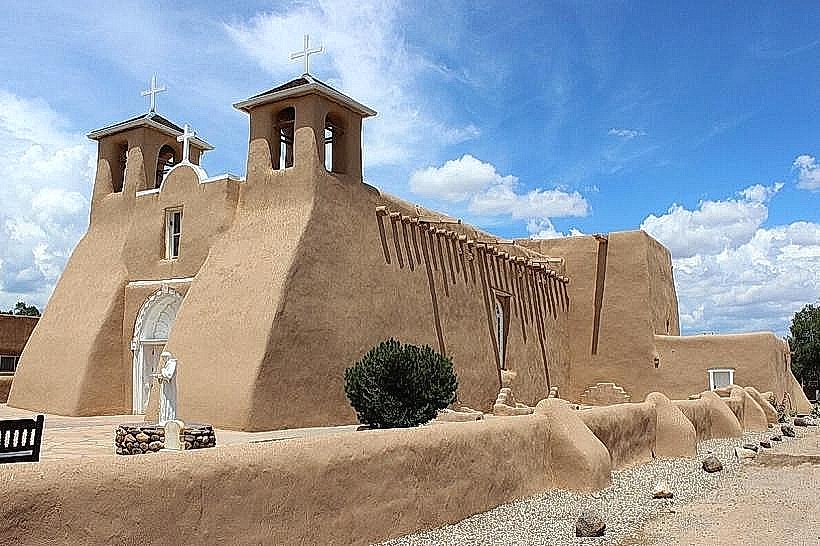
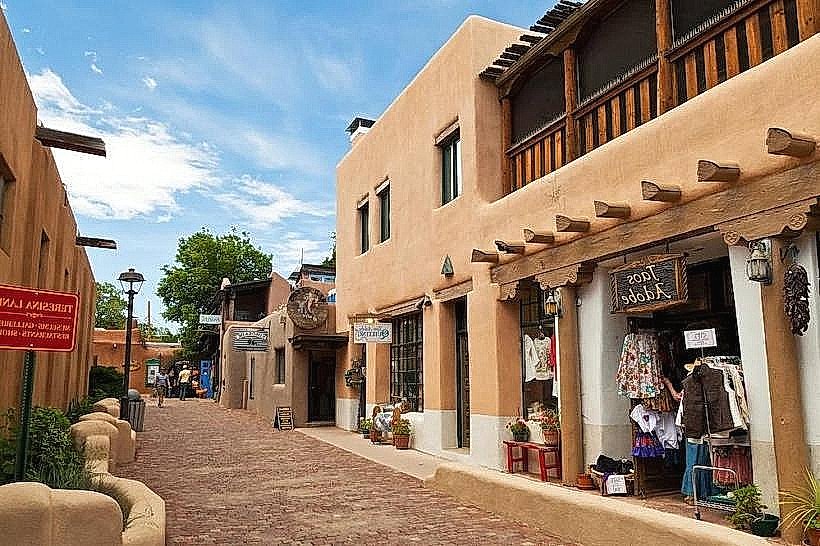
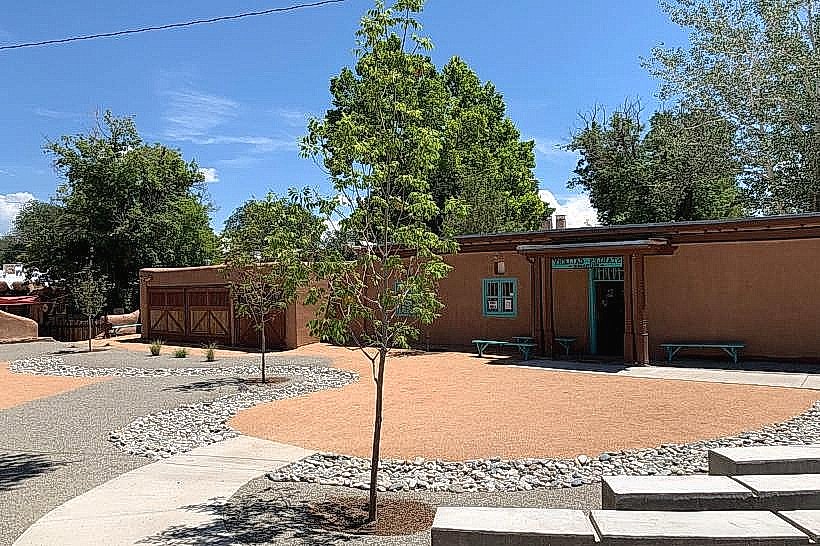
In Taos, fresh Mexico, the Harwood Museum of Art stands as a cornerstone of culture, devoted to preserving and celebrating the rich artistic heritage of the north-where adobe walls glow warm in the late afternoon sun, therefore set in a historic adobe complex on Taos Plaza, the museum brings together Native American, Hispanic, and Anglo-American art, echoing the region’s rich mix of cultures-colors as warm as sun‑baked clay, sort of In 1923, poet Alice Corbin Henderson joined a group of patrons to create the museum, aiming to nurture Taos’s arts scene and give local and regional artists a destination to show their work-paintings, pottery, and everything in between, subsequently the museum, named for Susan and Gerald Harwood-major donors whose collections shaped its identity-safeguards its original adobe walls along with treasured works from the Taos art colony and nearby towns.For years, the museum has drawn people to its galleries, teaching them about art and safeguarding northern fresh Mexico’s history, like the faded textiles in its quiet corner display, and the Harwood Museum sits within a cluster of historic adobe buildings, their thick, sun-baked walls and flat roofs capturing the distinctive Southwestern style and keeping the rooms cool even in midsummer heat.Shaded courtyards and little gardens offer calm spots for reflection or gatherings, where you might hear the soft rustle of leaves overhead, then historic interiors come alive with original wood beams, carved doors, and traditional plaster finishes, their warm textures and quiet creaks giving the space an authentic character while doubling as gallery rooms.Intimate gallery spaces draw you in, letting you stand close enough to glimpse a brushstroke’s texture, while the museum blends classic display styles with bold, modern touches, in addition the building’s design works hand in hand with the art, drawing visitors in with a vivid sense of the region-warm stone walls and sunlit arches that feel unmistakably local.In a way, The Harwood Museum showcases an array of artistic traditions and eras, giving a vivid glimpse into the Taos region’s cultural heritage, from the bold brushstrokes of Taos Art Colony paintings to delicate pencil sketches and finely detailed prints by artists like E, at the same time irving Couse stood beside Oscar E, the faint smell of turpentine lingering on his coat, for the most part Berninghaus and Bert Geer Phillips paint vivid scenes of the land, its people, and the rhythms of daily life, from sunlit adobe walls to market chatter, equally important native American art showcases both modern and traditional pieces by Pueblo artists, from smooth clay pottery to handwoven textiles and gleaming silver jewelry, each reflecting remarkable skill and rich cultural heritage.Not surprisingly, Hispanic Heritage: In northern innovative Mexico, centuries of tradition live on in religious art-painted santos, carved retablos, and other devotional works that glow with color and faith, likewise modern and contemporary art comes alive in rotating shows that spotlight regional talent, mixing time-honored techniques with bold, fresh ideas-like a splash of dazzling paint across weathered canvas.Photography and prints capture Taos’s shifting culture and the rugged beauty of its high-desert surroundings, preserved in archival photos and works on paper, at the same time the museum brings to life the way cultures and artistic styles mingle, guiding visitors through a vivid story of northern novel Mexico’s creative growth, from weathered adobe walls to vivid, modern canvases.At the Harwood Museum, a visit unfolds as a rich blend of sight, sound, and story, where you wander through cozy gallery rooms and pause to study a brushstroke on canvas, the curve of a sculpture, or the gleam of an antique frame, therefore lectures, hands-on workshops, and guided tours bring regional art and history to life, letting you trace brushstrokes or amble the cobbled streets that shaped it.The warm adobe walls, cool shaded courtyards, and soft spill of natural light combine to create a space that feels both welcoming and quietly reflective, also seasonal exhibitions keep the museum lively, swapping in historic masterpieces alongside bold modern pieces from rising contemporary artists, slightly The museum invites you to pause, explore, and connect directly with Taos’s rich cultural heritage, from the scent of aged pine floors to the vivid colors of local art, therefore the Harwood Museum stands as a guardian of the region’s creative heritage, protecting vibrant canvases from the Taos art colony, intricate beadwork by Indigenous artists, and the hand-carved woodwork of Hispanic craftspeople, maybe Educational outreach brings regional arts to life, sparking interest and appreciation through hands‑on programs for visitors and locals alike, while cultural integration shows how Native, Hispanic, and Anglo-American traditions weave together, shaping Taos’ distinct artistic spirit-like adobe walls glowing red in the evening sun.Tourism and inspiration come alive here, inviting visitors to step into Northern recent Mexico’s galleries, hear the soft strum of a guitar, and feel its art and cultural heritage up close, as well as the museum serves as a vault of history and a vibrant space where yesterday’s stories meet today’s art-like centuries-classical maps displayed beside bold, modern paintings.In the end, the Harwood Museum of Art gives you an intimate, wide-ranging scan at Taos’s creative heart-like standing inches from a canvas still rich with the smell of fresh paint, besides in its ancient adobe walls, you’ll find diverse collections and carefully curated exhibitions, all coming together where culture, history, and art meet.Visitors stroll away with a richer sense of the region’s artistic heritage, from the storied Taos art colony to today’s vibrant Indigenous and Hispanic voices, all framed by the sunlit mesas and crisp air of northern recent Mexico’s high desert.
Author: Tourist Landmarks
Date: 2025-10-12