Information
Landmark: Taos Historic DistrictCity: Taos
Country: USA New Mexico
Continent: North America
Taos Historic District, Taos, USA New Mexico, North America
The Taos Historic District is a designated area in Taos, New Mexico, USA, preserving traditional adobe architecture and cultural heritage.
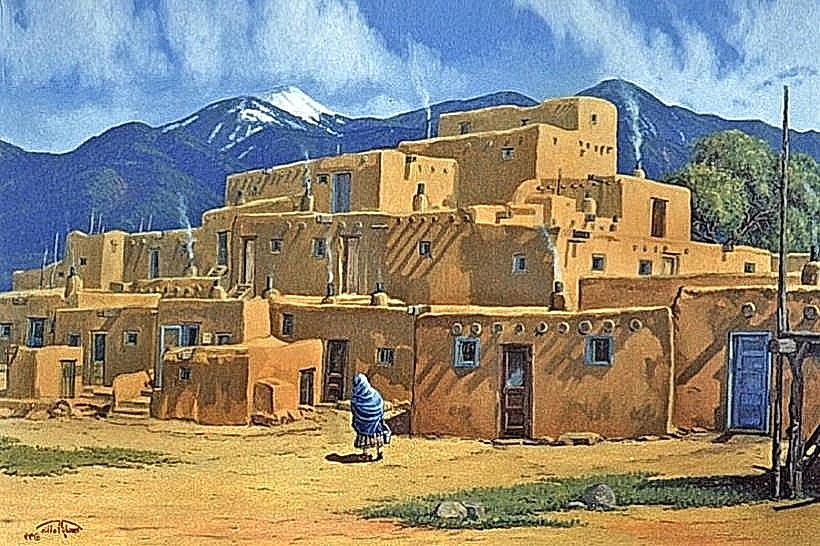
It encompasses the Taos Pueblo, a UNESCO World Heritage Site, and the surrounding historic town center.
Visual Characteristics
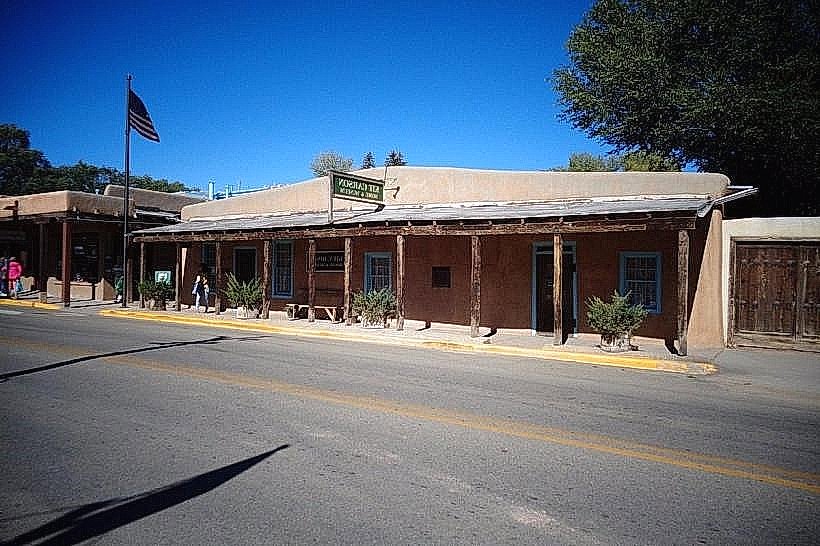
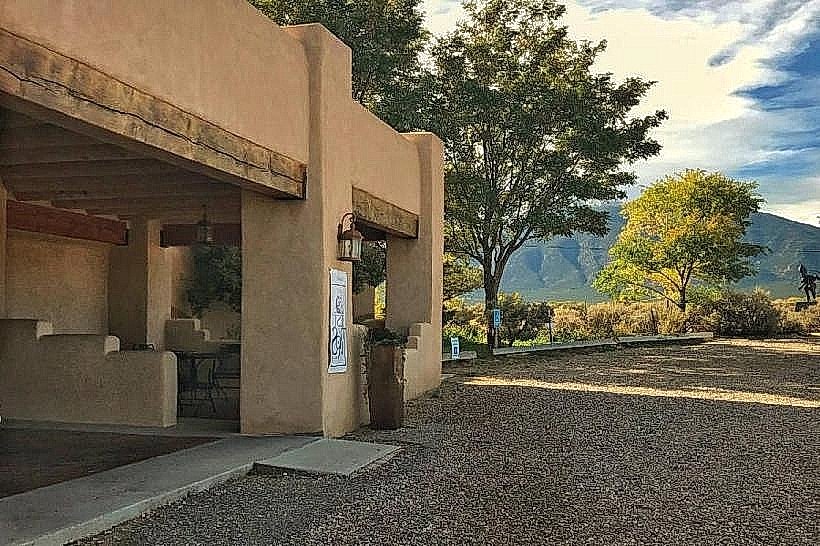
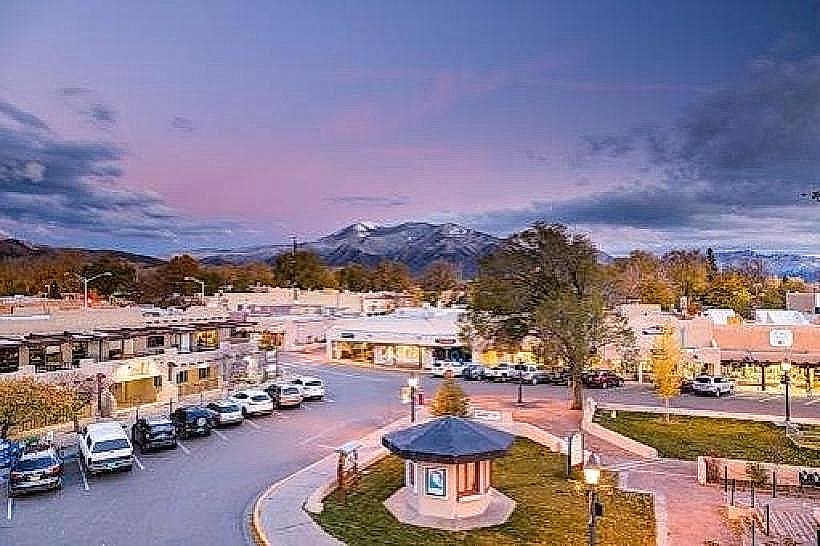
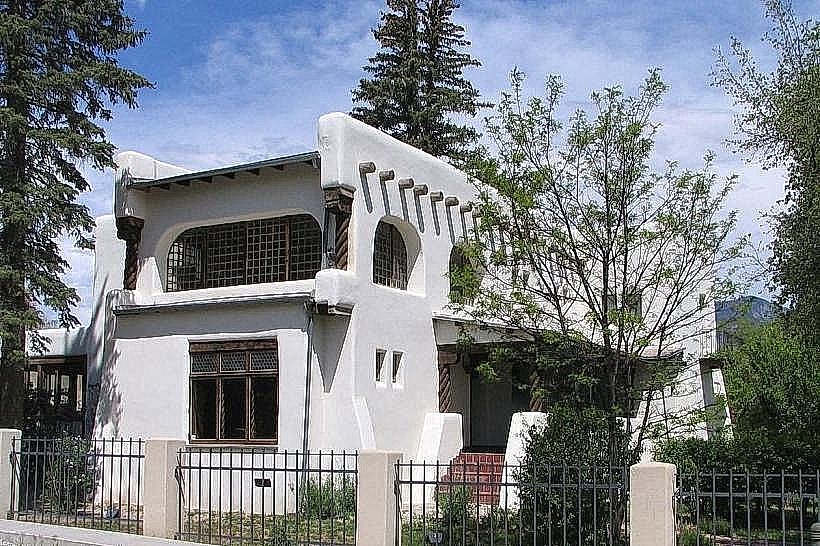
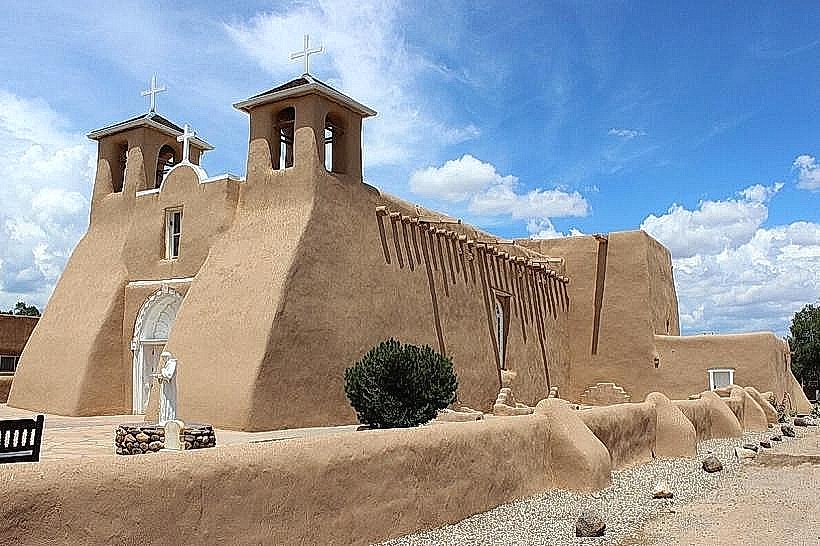
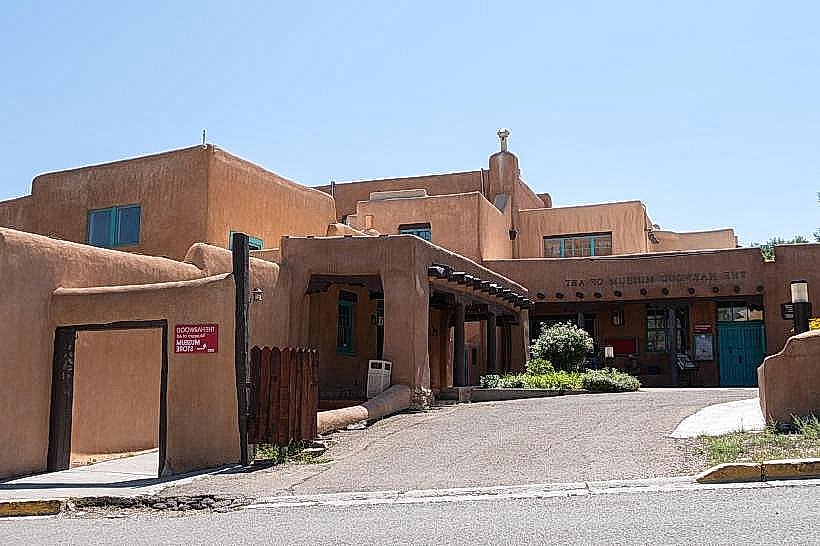
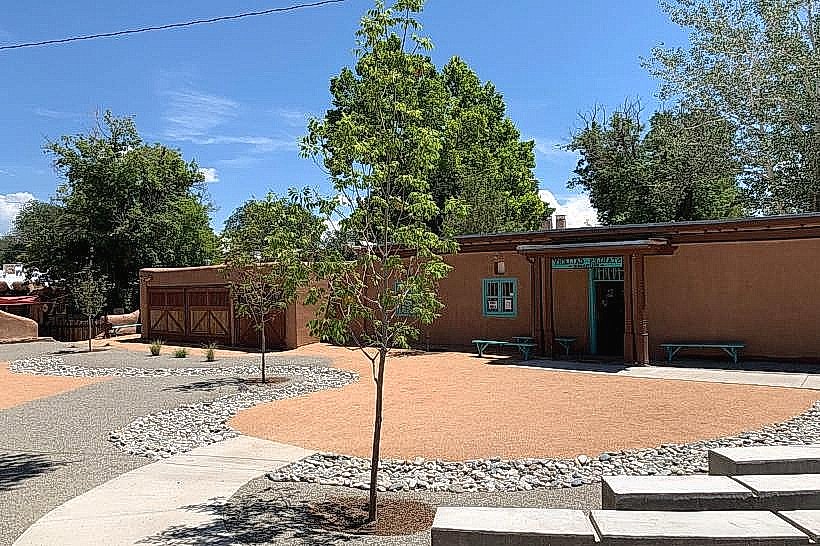
The district features structures constructed primarily from adobe, a sun-dried brick made from clay and straw. Buildings are typically low-rise, with flat roofs and thick walls designed for thermal regulation. Colors range from earthy browns and reds to lighter, sun-bleached tones. Architectural elements include vigas (exposed wooden beams) and latillas (smaller wooden poles supporting ceilings).
Location & Access Logistics
The Taos Historic District is located in the center of Taos, New Mexico. Taos Pueblo is situated approximately 1.6km (1 mile) southeast of the main town plaza. Access to the town plaza is via State Road 68 (Paseo del Pueblo Norte/Sur). Taos Pueblo is accessed via Pueblo Road, which branches off NM 68. Parking is available in designated lots near the Taos Pueblo entrance and around the town plaza. Public transport options within Taos are limited; the Taos Express bus service connects Taos to Santa Fe, with stops near the historic district.
Historical & Ecological Origin
Taos Pueblo is one of the oldest continuously inhabited communities in North America, with evidence of settlement dating back over 1,000 years. The current structures are believed to have been built between 1000 and 1450 AD. The town of Taos developed around the pueblo, serving as a trading post and administrative center during Spanish colonial rule and later American territorial periods. The adobe construction method is an adaptation to the arid climate and local material availability.
Key Highlights & Activities
Visitors can explore the ancient multi-story adobe dwellings of Taos Pueblo, some of which are still inhabited. Photography is permitted in designated areas, with a fee. The Taos Plaza offers shops selling Native American crafts, art galleries, and restaurants. Guided tours of Taos Pueblo are available from tribal members. Walking tours of the historic town center can be self-guided or booked through local organizations.
Infrastructure & Amenities
Restrooms are available at Taos Pueblo and in various locations around the Taos Plaza. Shade is provided by building overhangs and some trees in the town plaza. Cell phone signal (4G/5G) is generally available within the district. Food vendors and restaurants are concentrated around the Taos Plaza; limited food options are available within Taos Pueblo itself.
Best Time to Visit
The best time of day for photography is generally mid-morning or late afternoon when the sunlight casts distinct shadows on the adobe structures. The best months for weather are typically April through October, offering mild temperatures. Taos Pueblo observes specific closing days for religious ceremonies; checking the official pueblo calendar is recommended before visiting.
Facts & Legends
A local legend states that the distinctive red color of some Taos Pueblo buildings is due to the blood of ancient warriors mixed into the adobe. In reality, the color often comes from iron-rich soil and natural pigments used in the plaster.
Nearby Landmarks
- Kit Carson Home and Museum (0.3km West)
- Taos Art Museum at Fechin House (0.5km Northwest)
- San Francisco de Asis Mission Church (3.5km South)
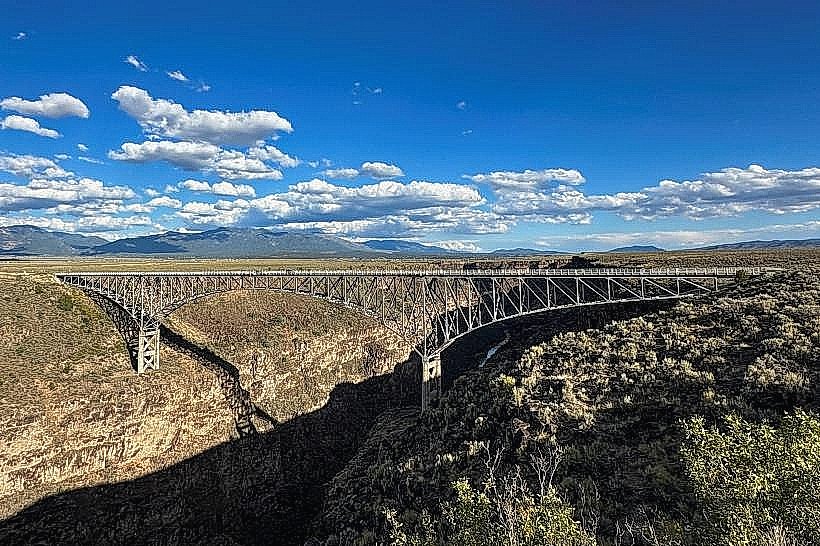
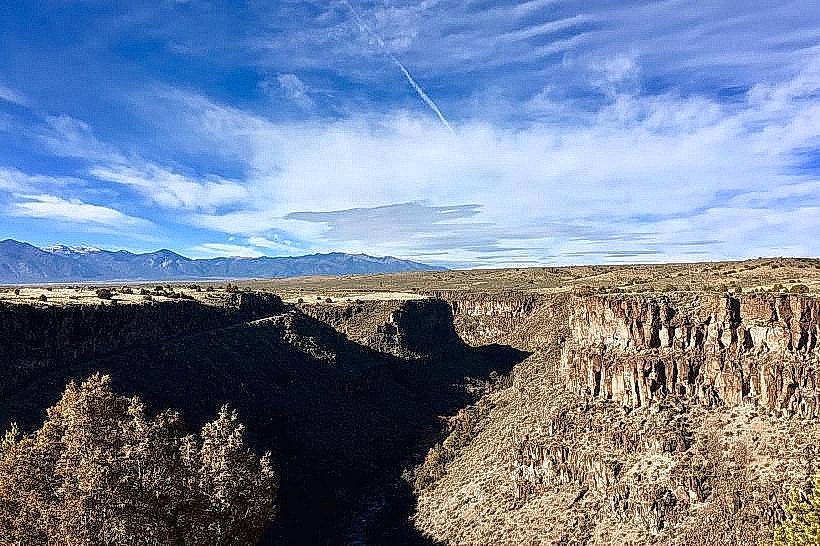
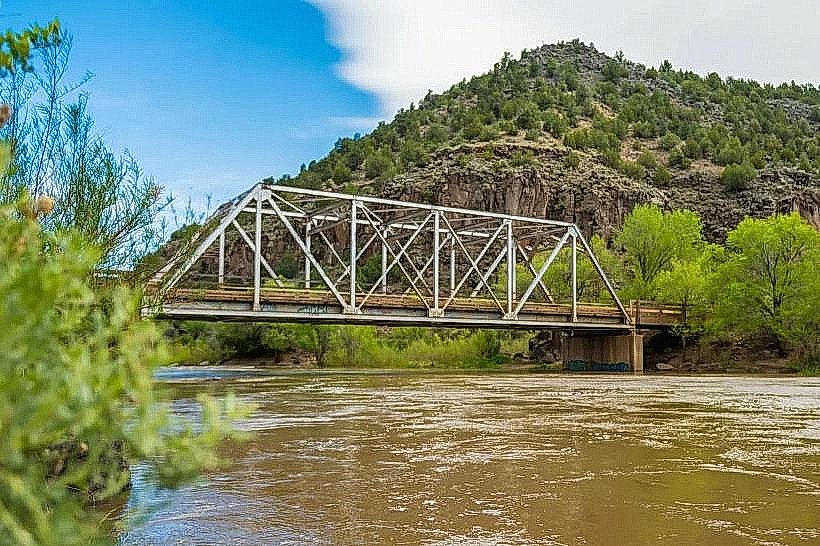
- Rio Grande Gorge Bridge (15km West)