Information
Landmark: San Francisco de Asis Mission ChurchCity: Taos
Country: USA New Mexico
Continent: North America
San Francisco de Asis Mission Church, Taos, USA New Mexico, North America
San Francisco de Asis Mission Church is a historic Roman Catholic parish church located in the village of Ranchos de Taos, New Mexico.
It is recognized as a National Historic Landmark and a National Historic Site.
Visual Characteristics
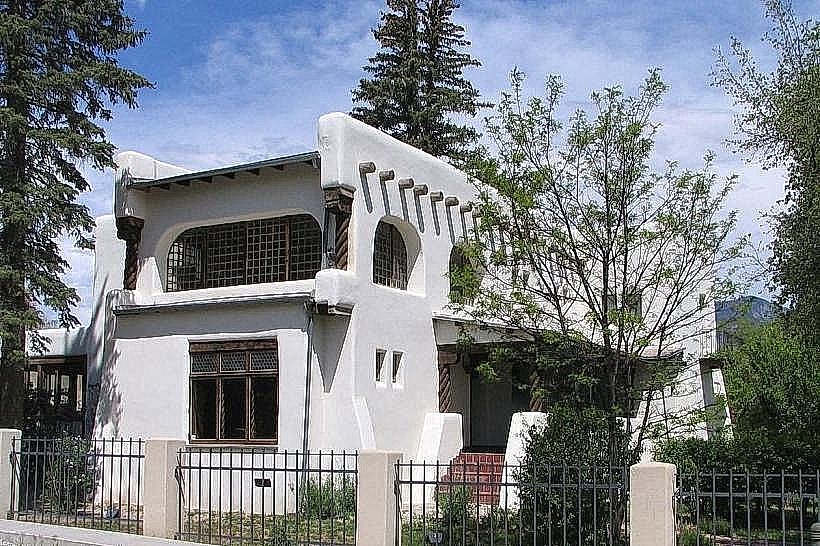
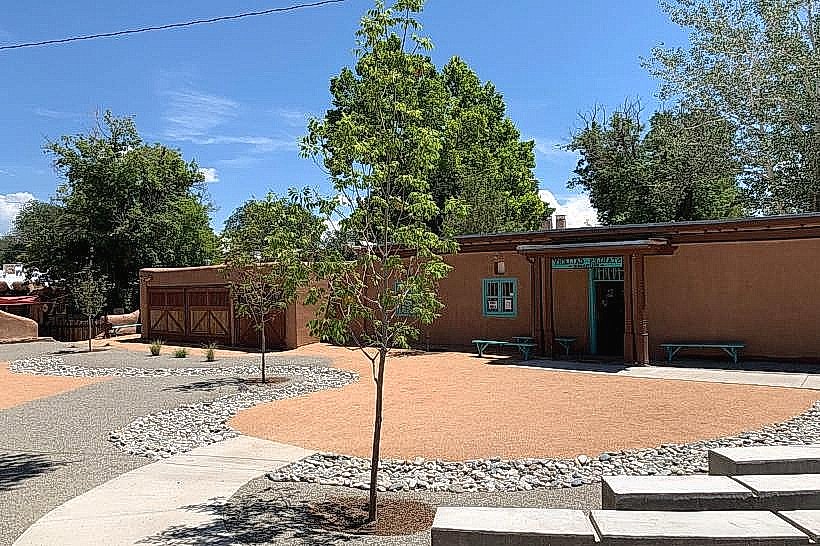
The church is constructed primarily from adobe bricks, a sun-dried mixture of clay and straw. Its exterior walls are thick, averaging 3 feet in width, and are coated with a natural plaster derived from local soil. The building features a nave and a sanctuary, with a distinctive bell tower separate from the main structure. The roof is supported by vigas, large wooden beams, and is covered with earth. The exterior color is a light brown, characteristic of the adobe material and its plaster coating.
Location & Access Logistics
The church is situated approximately 4 miles south of the town of Taos, New Mexico, along State Road 68. It is centrally located within the village of Ranchos de Taos. Parking is available on-site, directly adjacent to the church. Public transportation options to Ranchos de Taos are limited; the Taos regional transit system may offer service to the general area, but direct routes to the church are not guaranteed. Visitors typically arrive by private vehicle.
Historical & Ecological Origin
Construction of the current church began around 1772 and was completed in 1815. It was built by the local community under the direction of Franciscan missionaries. The original purpose was to serve as a spiritual center for the Spanish colonists and indigenous Pueblo people of the region. The architectural style reflects a blend of Spanish colonial and Pueblo influences, adapted to the local environment and available materials.
Key Highlights & Activities
Visitors can observe the unique adobe architecture and the exterior buttresses. Interior visits are permitted during designated hours, allowing for viewing of the church's artwork, including paintings by local artists and the famous reredos. Photography inside the church may be restricted or require a permit. The church grounds offer a quiet space for reflection.
Infrastructure & Amenities
Restrooms are available on the church grounds. Limited shade is provided by the building's structure and nearby trees. Cell phone signal (4G/5G) is generally available in the area. Food vendors are not typically located directly at the church, but dining options are available in the nearby town of Taos and in Ranchos de Taos itself.
Best Time to Visit
The best time of day for exterior photography is during the late afternoon, when the low-angle sunlight highlights the texture of the adobe walls. The months of May through October offer the most favorable weather conditions, with warm temperatures and minimal precipitation. There are no specific tide requirements as the site is inland.
Facts & Legends
A local legend suggests that the church's walls are infused with the blood of the community members who helped build it, contributing to their durability. A verified historical detail is that the church has undergone several restoration efforts throughout its history, most notably in the early 20th century, to preserve its unique adobe structure.
Nearby Landmarks
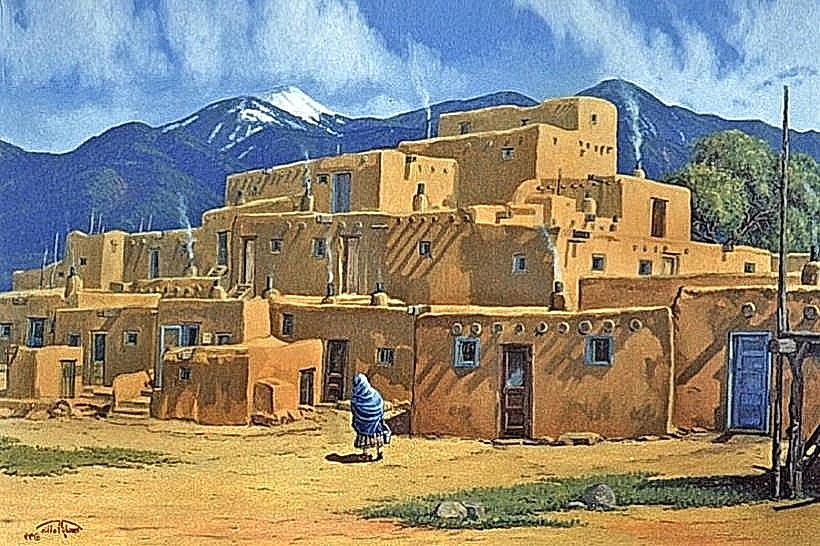
- Taos Pueblo (2.5km North)
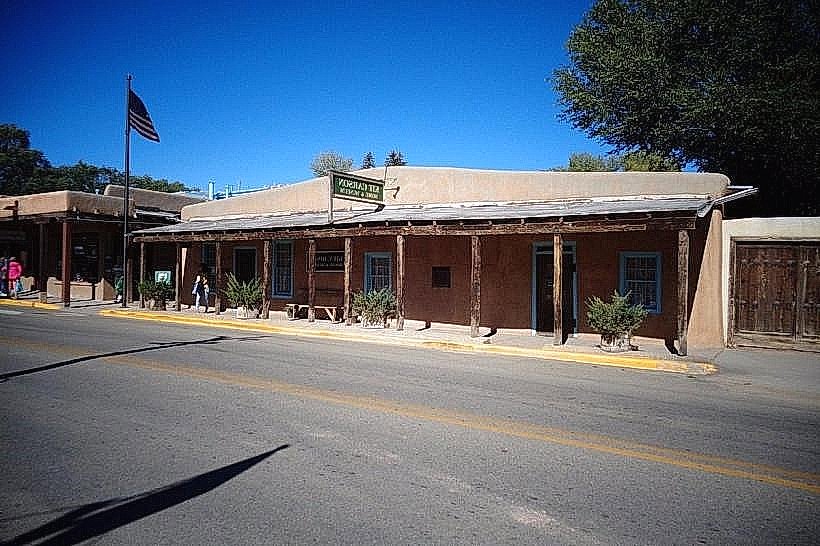
- Kit Carson Home and Museum (4.0km North)
- Taos Plaza (4.2km North)
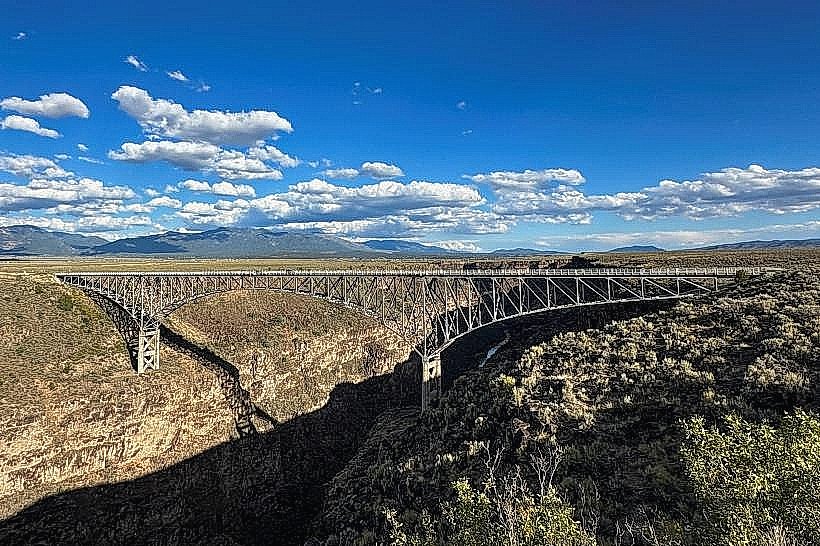
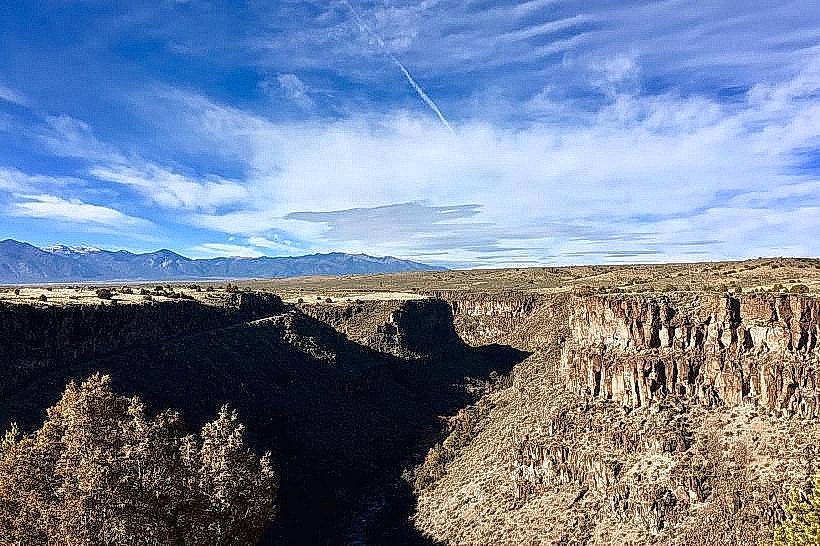
- Rio Grande Gorge Bridge (15.0km West)