Information
Landmark: Fort WadsworthCity: Staten Island
Country: USA New York
Continent: North America
Fort Wadsworth, Staten Island, USA New York, North America
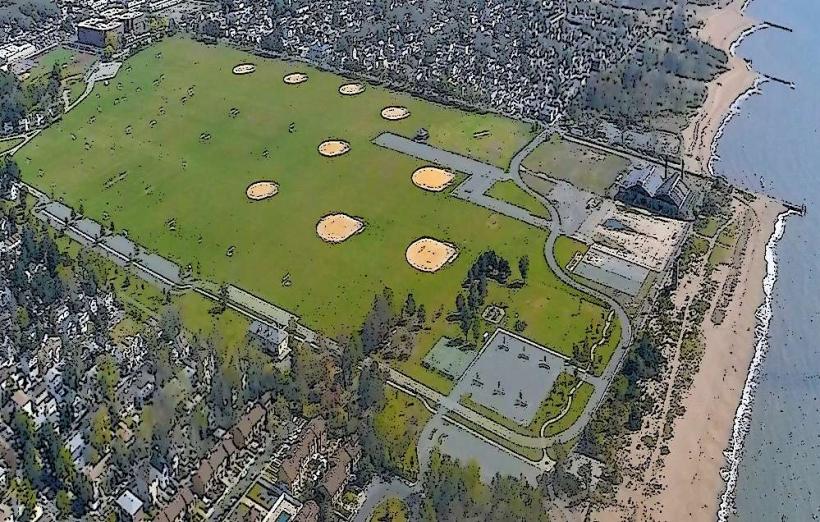
Fort Wadsworth is one of the oldest and most historically significant military sites in the United States, located on Staten Island’s northeastern shore overlooking the Verrazzano-Narrows-the waterway connecting Upper and Lower New York Bay. It has played a vital role in the defense of New York Harbor for over three centuries.
Historical Background
Early Origins:
The site’s military history dates back to 1663, when the Dutch built a small blockhouse here to guard the harbor. This was one of the earliest European fortifications in the area.
American Revolutionary War:
During the Revolutionary War, the fort was known as Flagstaff Fort. The British occupied it until 1783, using it as a strategic point to control the harbor.
19th Century Expansion:
In the early 1800s, the site was renamed Fort Wadsworth in honor of Brigadier General James Wadsworth, who served in the War of 1812. During the mid-to-late 19th century, it became part of a network of harbor defenses protecting New York City. Significant construction included Fort Tompkins, Fort Richmond (now demolished), and Battery Weed.
Endicott Era Fortifications:
Between 1885 and 1916, under the Endicott Program-an effort to modernize coastal defenses nationwide-the site saw major upgrades. Massive concrete batteries, gun emplacements, and other military structures were built to house heavy artillery designed to defend against naval attacks.
World Wars and Cold War:
Fort Wadsworth continued to serve a defensive role through both World War I and World War II. During the Cold War, it was used as a radar and missile installation until the early 1990s.
Decommissioning and Preservation:
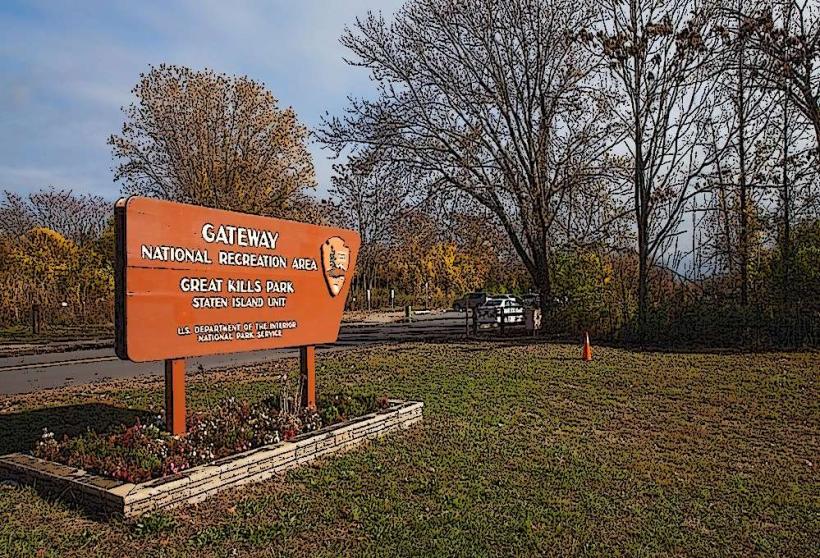
The U.S. military officially closed Fort Wadsworth in 1994. It was then transferred to the National Park Service and incorporated into the Gateway National Recreation Area. Today, it is preserved as a historic site open to the public.
Key Features and Structures
Fort Tompkins:
Perched on a bluff overlooking the harbor, this fortification was built to house cannons and soldiers. Its walls and casemates showcase 19th-century military architecture.
Battery Weed:
One of the largest Endicott-era batteries, Battery Weed was armed with 12-inch rifles housed in concrete gun emplacements. It also features a historic lighthouse built in 1903 on top, which was deactivated in 1965 and restored in 2005.
Fort Wadsworth Light (Lighthouse):
The lighthouse atop Battery Weed guided ships entering New York Harbor for many decades. Its restoration preserves an important piece of maritime history.
Scenic Views:
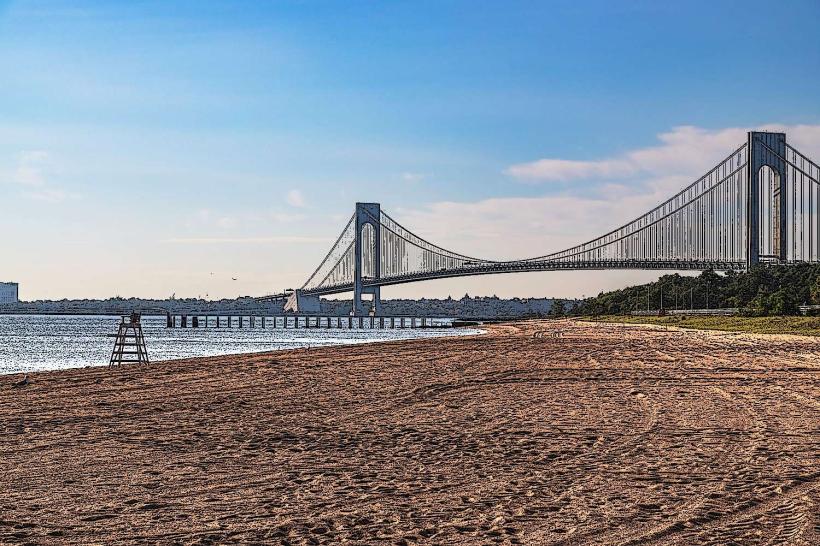
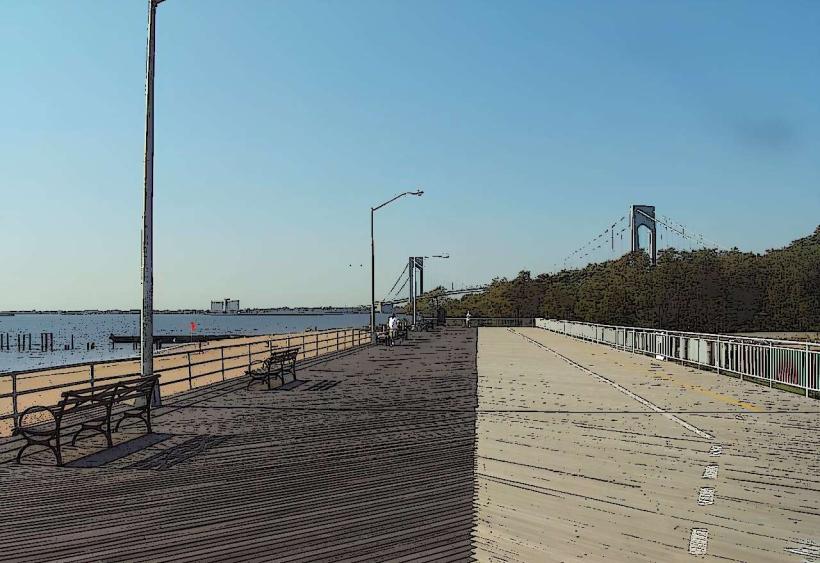
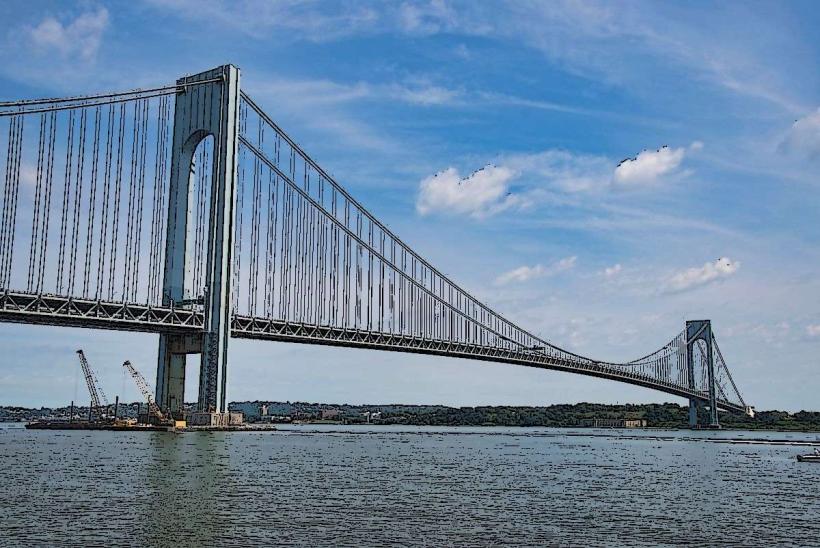
Throughout the site, there are panoramic views of the Verrazzano-Narrows Bridge, New York Harbor, and the Manhattan skyline, making it a popular spot for sightseeing and photography.
Historic Military Buildings:
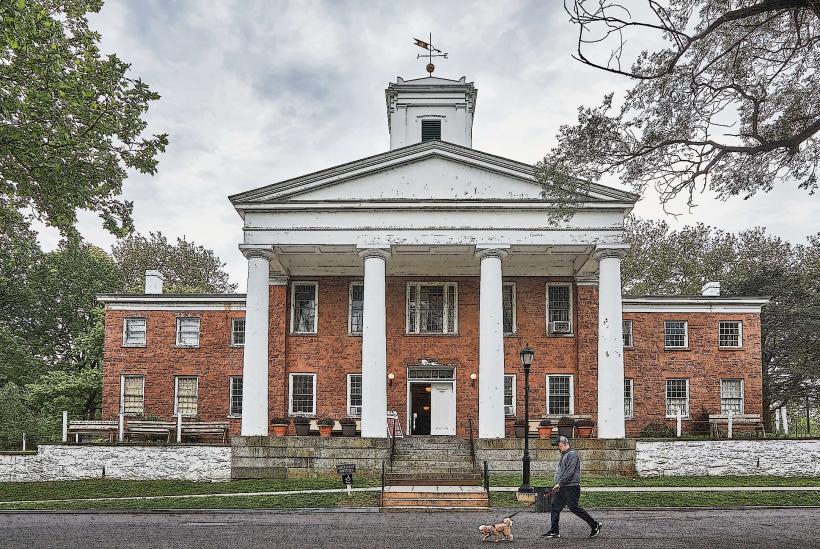
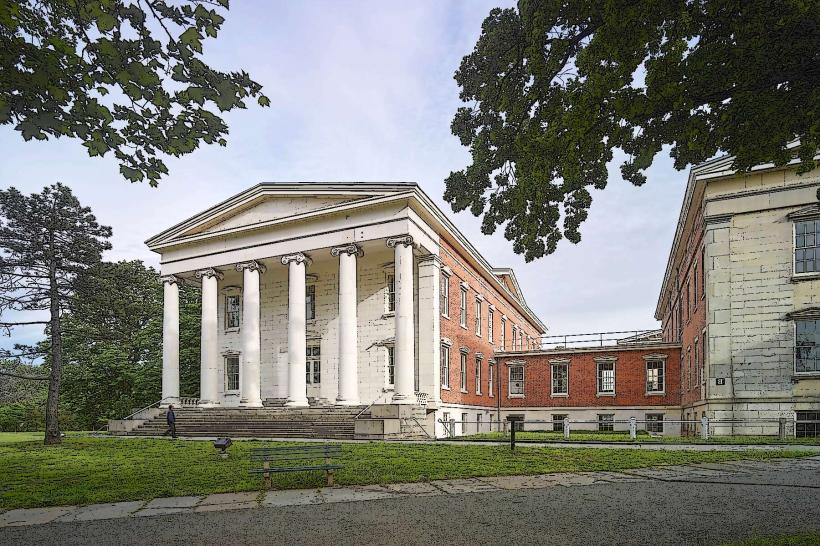
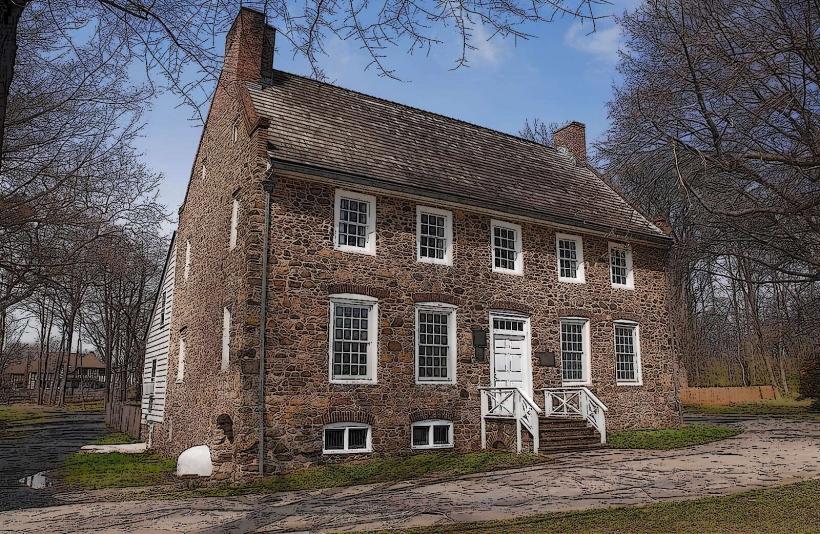
Various barracks, officer quarters, and support buildings remain on the site, some restored and open for tours, illustrating the life of soldiers stationed there.
Visitor Information
Visitor Center:
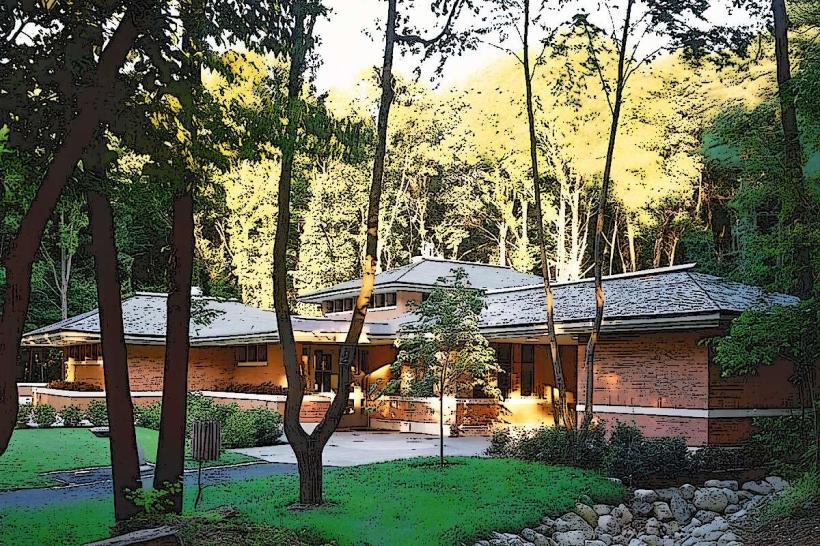
Located at 120 New York Avenue, the Visitor Center offers exhibits on the fort’s history, ranging from its 17th-century origins through the Cold War. The center is open Friday through Monday, from 10:00 AM to 4:00 PM. Admission is free.
Park Hours:
The grounds are open daily from 6:00 AM to 9:00 PM, with the Bay Street gate remaining accessible 24 hours.
Access and Transportation:
By car: Take exit 15N off the Verrazzano-Narrows Bridge toward Bay Street/Fort Wadsworth. Parking is limited.
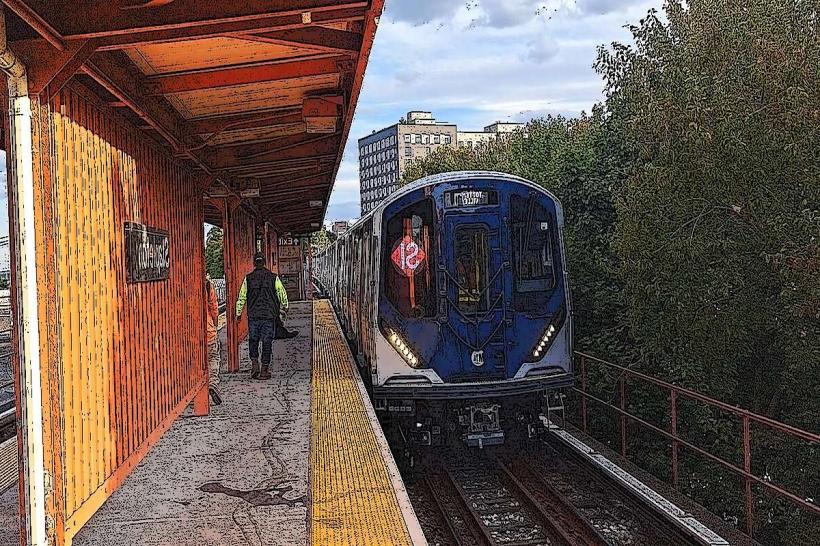
By public transit: The Staten Island Railway’s Grasmere station is about an 18-minute walk from the fort. Several bus routes also service the area.
Facilities:
The park offers restrooms, picnic areas, and informational signage to enhance the visitor experience.
Special Events and Uses
New York City Marathon:
Fort Wadsworth is the official starting point of the world-famous New York City Marathon each November, drawing thousands of runners from around the globe.
Five Boro Bike Tour:
The site also serves as the finish line for this popular cycling event that covers all five boroughs of New York City.
Significance Today
Fort Wadsworth stands as a testament to over 350 years of American military history. Its well-preserved structures and scenic location provide educational opportunities and a connection to the past. Managed by the National Park Service, it invites visitors to explore the evolution of coastal defense, the stories of the soldiers who served there, and enjoy spectacular views of one of the busiest harbors in the world.