Information
Landmark: Gasa Tshachhu (Hot Springs of Gasa)City: Punakha
Country: Bhutan
Continent: Asia
Gasa Tshachhu (Hot Springs of Gasa), Punakha, Bhutan, Asia
Gasa Tshachhu is a collection of natural hot springs located in the Gasa District, approximately 30 kilometers north of Punakha, Bhutan.
Visual Characteristics
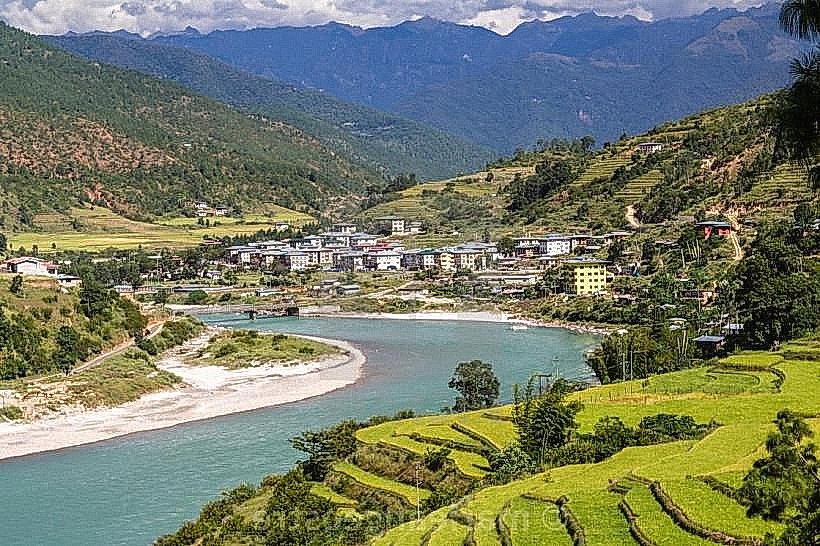
The hot springs consist of several pools of varying temperatures, fed by mineral-rich water emerging from the earth. The surrounding landscape is characterized by steep, forested hillsides with dense vegetation, primarily pine and rhododendron. The water itself is clear and appears colorless.
Location & Access Logistics
Access to Gasa Tshachhu requires travel from Punakha via the Gasa Road (Dzongkhag Highway). The journey is approximately 30 kilometers and takes about 1.5 to 2 hours by vehicle due to road conditions. The final approach involves a short walk from the roadhead. Parking is available at designated areas near the springs. Public transport directly to the springs is not available; private vehicles or taxis are the primary means of access.
Historical & Ecological Origin
Gasa Tshachhu is a geothermal feature, with the hot springs believed to be formed by underground volcanic activity or deep fault lines releasing heat. The springs have been utilized by local communities for medicinal and recreational purposes for centuries. The exact geological formation details are not extensively documented.
Key Highlights & Activities
Bathing in the hot spring pools is the primary activity. Different pools offer varying temperatures, allowing visitors to select a preferred level of heat. The springs are known for their therapeutic properties. Hiking trails are present in the surrounding hills, offering opportunities for exploration.
Infrastructure & Amenities
Basic facilities are available at Gasa Tshachhu, including changing rooms and rudimentary restrooms. Shade is provided by the natural tree cover. Cell phone signal is intermittent and generally unreliable. Small food stalls or vendors may be present during peak tourist seasons, but it is advisable to carry own provisions.
Best Time to Visit
The best time of day for visiting is generally during daylight hours, from approximately 9:00 AM to 5:00 PM. The months of October through March offer the most favorable weather conditions, with cooler temperatures that make the hot springs particularly appealing. The springs are accessible year-round, but winter months (December-February) can be colder.
Facts & Legends
Local legend attributes the healing properties of Gasa Tshachhu to a Buddhist lama who discovered the springs. It is said that bathing in the waters can cure various ailments, including skin diseases and joint pain. A specific tip for visitors is to test the temperature of each pool before entering, as they can vary significantly.
Nearby Landmarks
- Gasa Dzong (Tashithongmo Dzong) - 1.5km Northwest
- Lhedi Village - 5km South
- Mo Chhu River - 2km East
- Various hiking trails within Gasa District - Variable distances