Information
Landmark: Punakha DzongCity: Punakha
Country: Bhutan
Continent: Asia
Punakha Dzong, Punakha, Bhutan, Asia
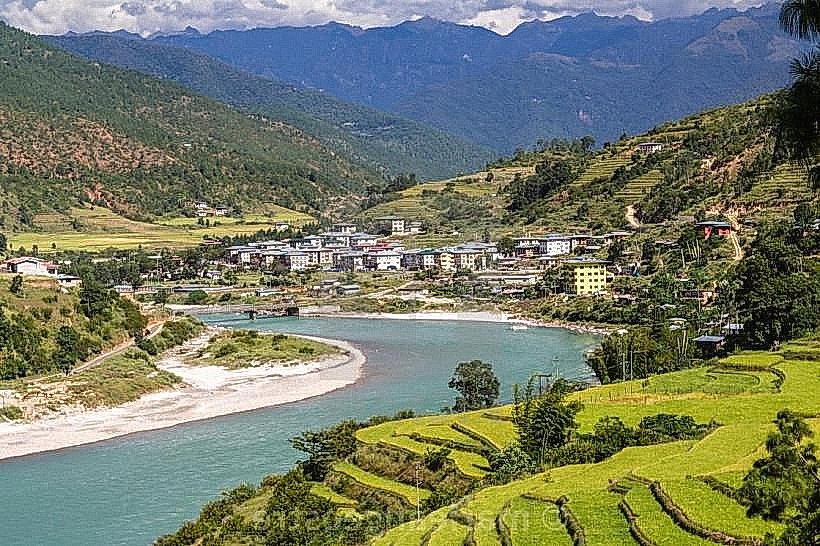
Punakha Dzong is a fortress located at the confluence of the Pho Chhu and Mo Chhu rivers in Punakha, Bhutan.
It served as the capital of Bhutan until 1955 and is the country's second-largest dzong.
Visual Characteristics
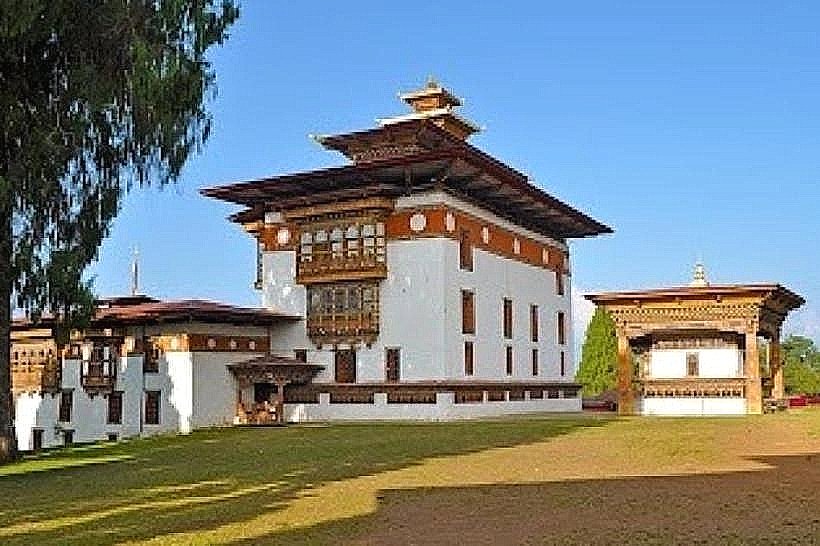
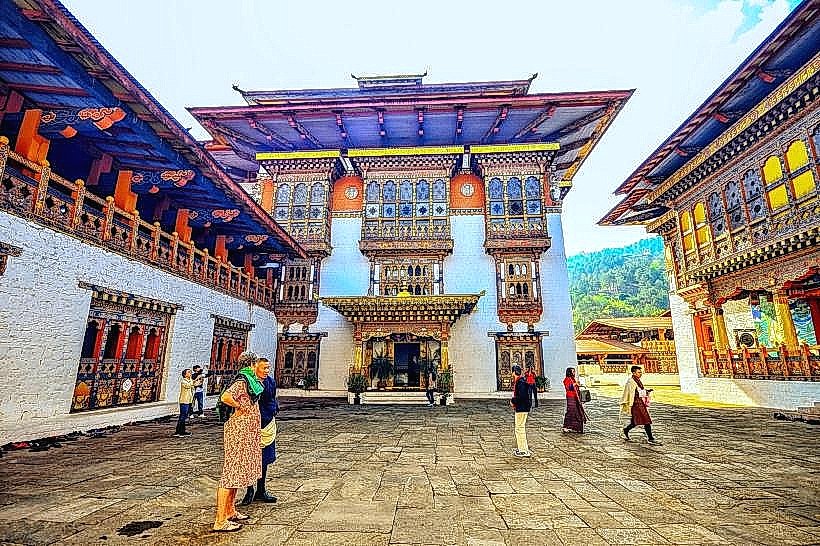
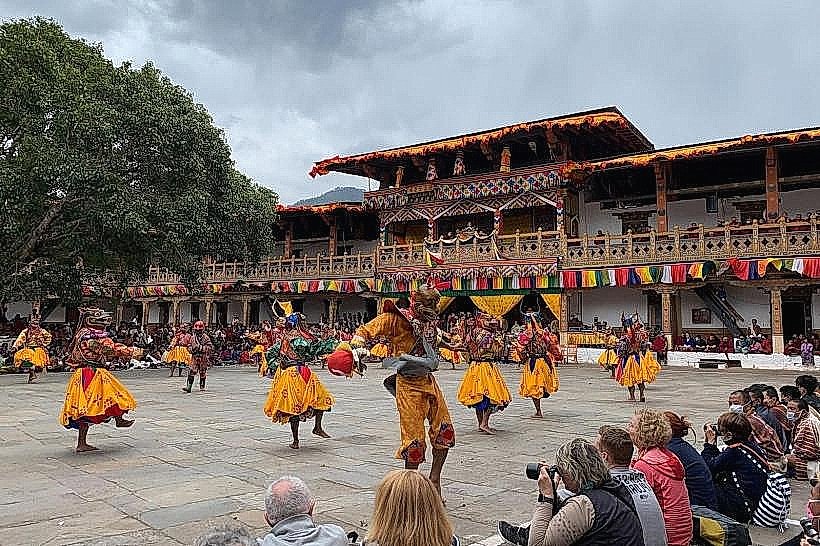
The dzong is constructed primarily from rammed earth and stone. Its walls are whitewashed, with decorative red and gold trim around the windows and rooflines. It features multiple courtyards, temples, and administrative offices. The main tower, the Utse, stands six stories high. The architectural style is traditional Bhutanese fortress design, characterized by its imposing structure and intricate woodwork.
Location & Access Logistics
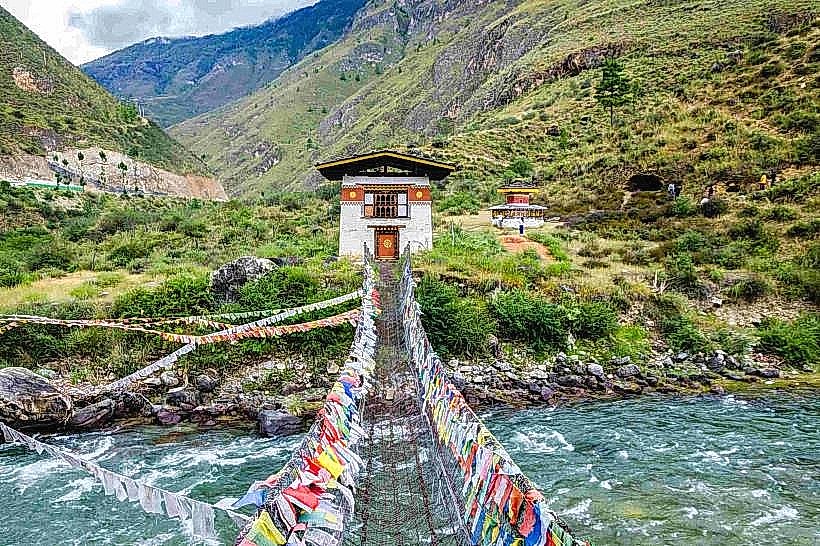
Punakha Dzong is situated approximately 72 kilometers east of Thimphu, the capital city. The journey from Thimphu takes approximately 2.5 to 3 hours via the Dochula Pass. Access to the dzong is via a wooden bridge spanning the Mo Chhu River. Parking is available near the bridge. Public transport options are limited; private vehicles or taxis are the most common means of access.
Historical & Ecological Origin
Construction of Punakha Dzong began in 1637 under the order of Zhabdrung Ngawang Namgyal, the founder of Bhutan. It was built to defend against Tibetan invasions and served as the seat of government and the monastic body. The dzong is strategically located at the confluence of two rivers, a site chosen for its defensive advantages.
Key Highlights & Activities
Visitors can explore the various temples within the dzong, including the Machhen Lhakhang (housing the body of Zhabdrung Ngawang Namgyal) and the Tshering Lhakhang. Photography is permitted in designated areas. Guided tours are available, providing historical context and architectural details. Observing the intricate murals and carvings is a primary activity.
Infrastructure & Amenities
Restrooms are available for visitors. Limited shade is provided by the structure of the dzong itself. Cell phone signal (4G/5G) is generally available in the vicinity. Food vendors are typically located outside the dzong complex, near the bridge.
Best Time to Visit
The best time of day for photography is generally in the late afternoon when the sunlight illuminates the dzong's facade. The dry season, from October to March, offers the most pleasant weather. The dzong is accessible year-round, with no specific tide requirements.
Facts & Legends
A unique feature of Punakha Dzong is the sacred relic housed in the Machhen Lhakhang, believed to be the mortal remains of Zhabdrung Ngawang Namgyal. Legend states that the dzong was built on the site where a sacred white bird was seen, indicating a auspicious location.
Nearby Landmarks
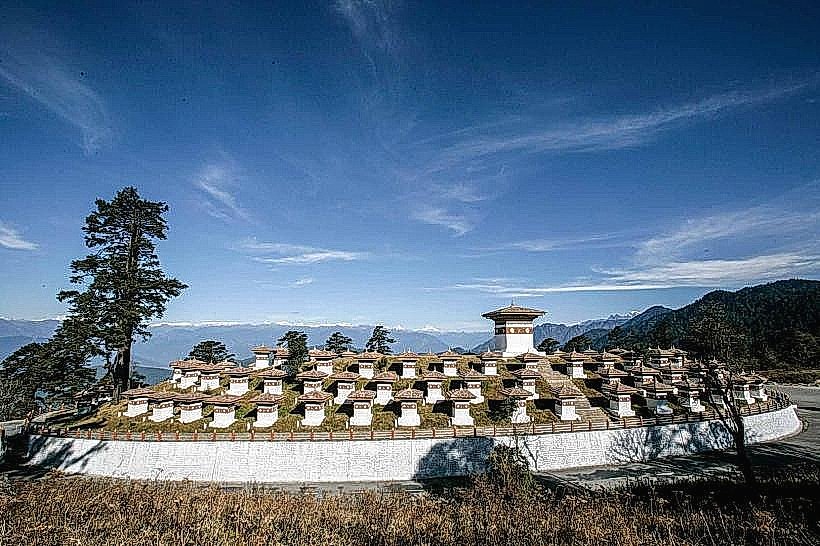
- Dochula Pass (15km Northwest)
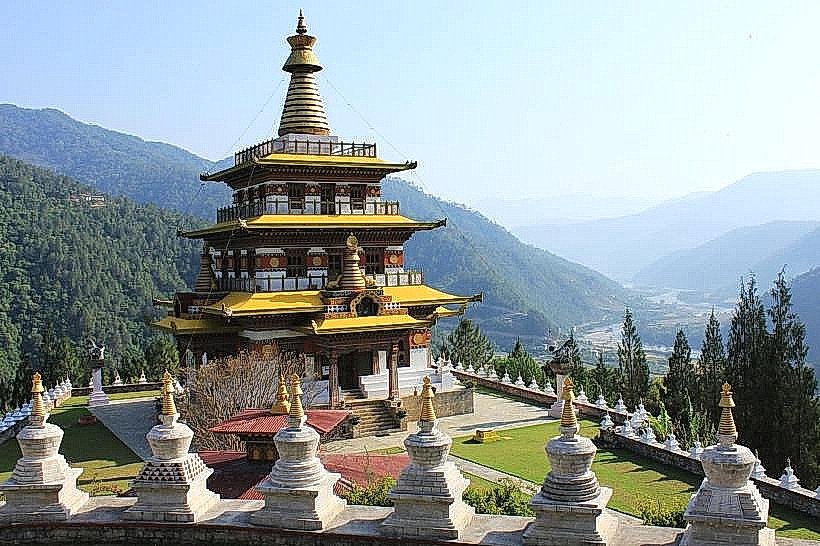
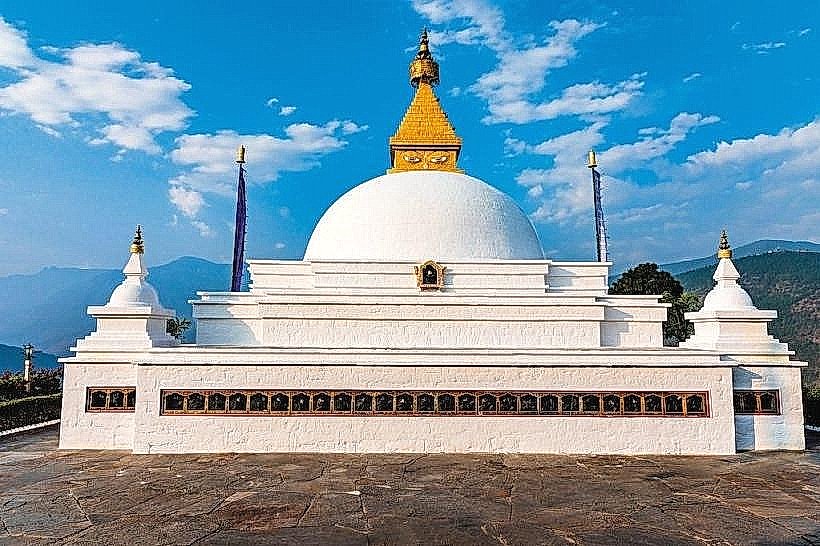
- Khamsum Yulley Namgyal Chorten (3km East)
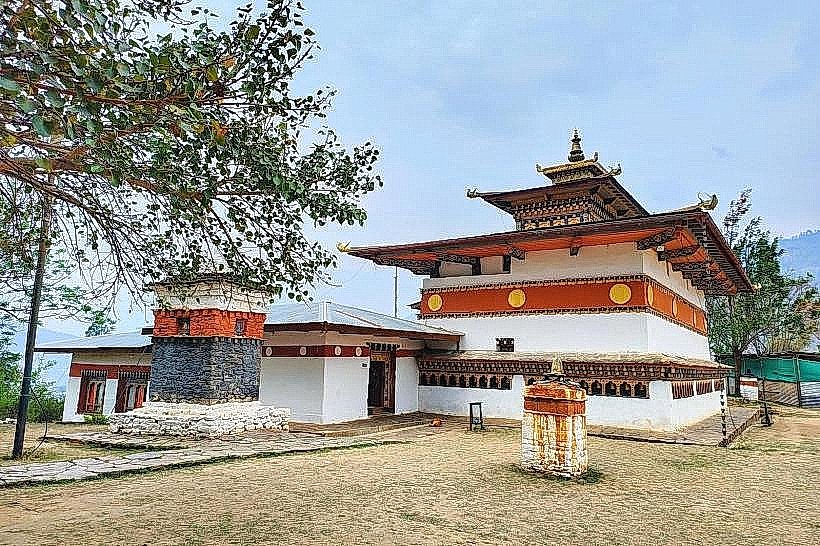
- Chimi Lhakhang (5km Southwest)