Information
Landmark: Ritsha VillageCity: Punakha
Country: Bhutan
Continent: Asia
Ritsha Village, Punakha, Bhutan, Asia
Ritsha Village is a traditional Bhutanese settlement located in the Punakha District of Bhutan.
This village is known for its well-preserved architecture and agricultural landscape.
Visual Characteristics
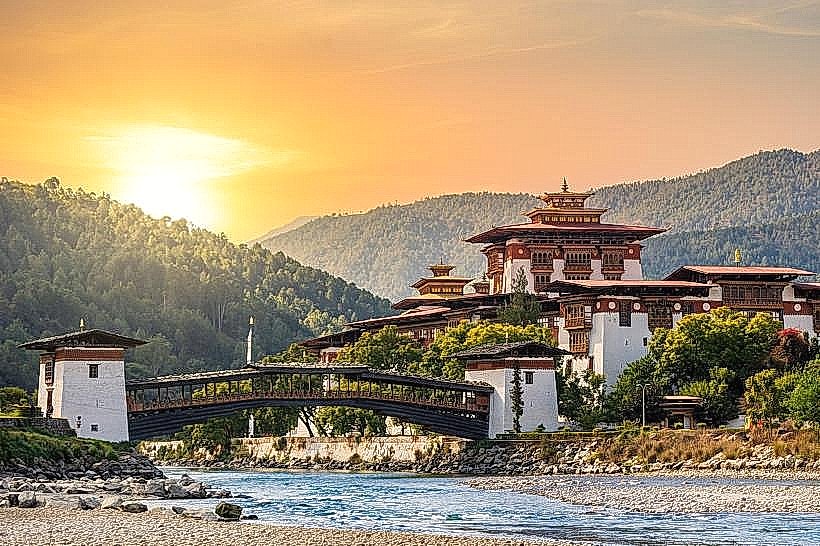
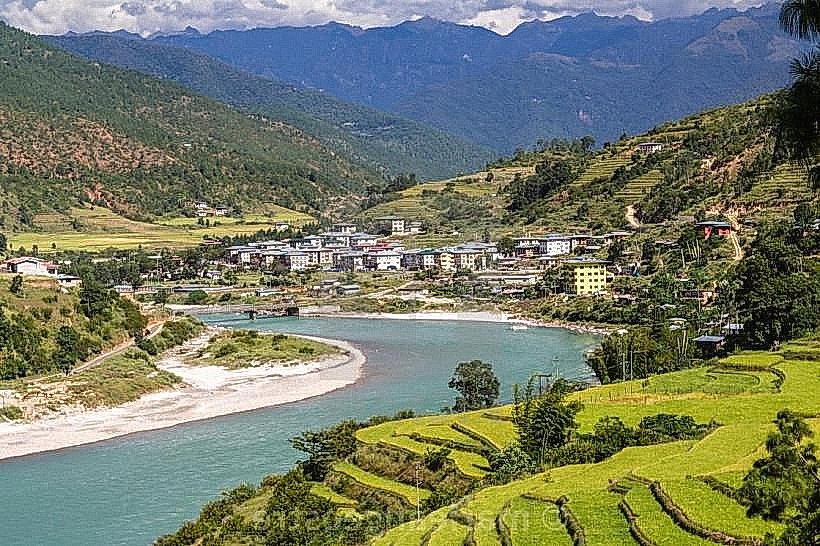
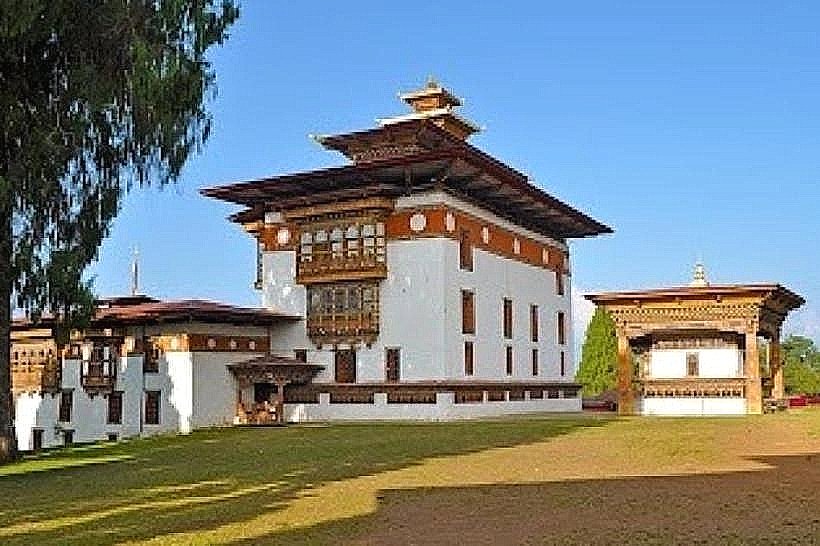
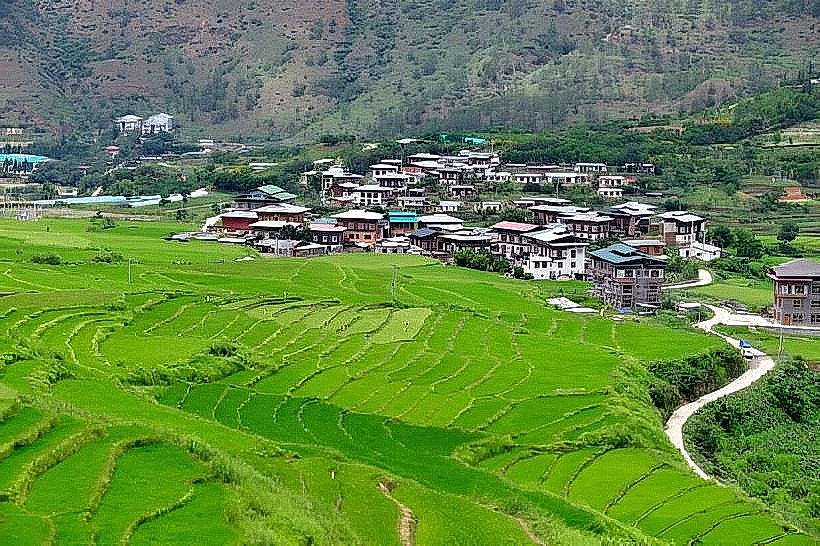
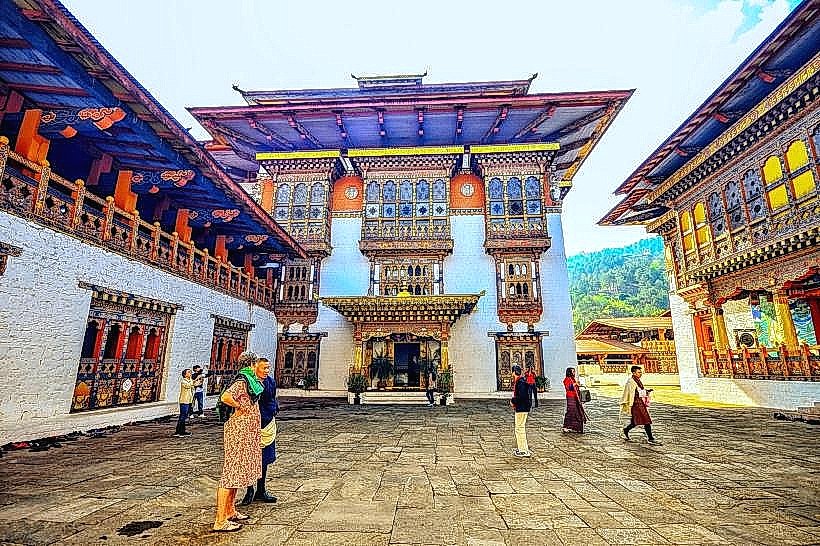
Structures in Ritsha Village are primarily constructed from stone and timber, featuring whitewashed walls and dark wooden roofs. Buildings are typically two to three stories high, with steeply pitched roofs designed to withstand local weather conditions. The village is surrounded by terraced rice paddies, which change color with the seasons, and is situated at the confluence of two rivers.
Location & Access Logistics
Ritsha Village is situated approximately 15 kilometers west of Punakha town. Access is via the national highway (NH1) towards Wangdue Phodrang. After passing the Punakha Dzong, continue on NH1 for approximately 10 kilometers. A small, paved road branches off to the right, leading directly into the village. Parking is available on the outskirts of the village, with capacity for approximately 10-15 vehicles. Public transport options are limited; local buses operate between Punakha and surrounding villages, but require a short walk from the nearest bus stop to the village entrance.
Historical & Ecological Origin
The village's origins date back several centuries, with its current architectural style reflecting traditional Bhutanese building practices passed down through generations. The surrounding landscape is characterized by fertile alluvial soil, supporting extensive rice cultivation, a practice integral to the local economy and culture. The village's location is ecologically significant due to its proximity to river systems and the surrounding agricultural biodiversity.
Key Highlights & Activities
Visitors can walk through the village to observe the traditional architecture. Photography of the rice terraces is possible. Interaction with local residents is permitted, provided it is respectful. Sampling local produce, such as rice wine, may be arranged through prior contact with village elders.
Infrastructure & Amenities
Basic amenities are available within the village. Restrooms are present in some private residences, accessible by arrangement. Shade is provided by trees and building overhangs. Cell phone signal (4G) is generally available. There are no dedicated food vendors within the village; meals can be arranged at homestays or in Punakha town.
Best Time to Visit
The best time for photography of the rice paddies is during the planting season (April-May) when they are filled with water and reflect the sky, or during the harvest season (October-November) when the paddies turn golden. The months of March to May and September to November offer pleasant weather with average temperatures ranging from 15°C to 25°C. Avoid the monsoon season (June-August) due to heavy rainfall.
Facts & Legends
A local legend states that the village was established by a group of monks seeking a peaceful retreat. It is said that the unique architectural style was inspired by the natural contours of the land and the need for self-sufficiency. A specific tip for visitors is to wear footwear suitable for walking on uneven terrain and potentially muddy paths, especially after rain.
Nearby Landmarks
- Punakha Dzong (5km East)
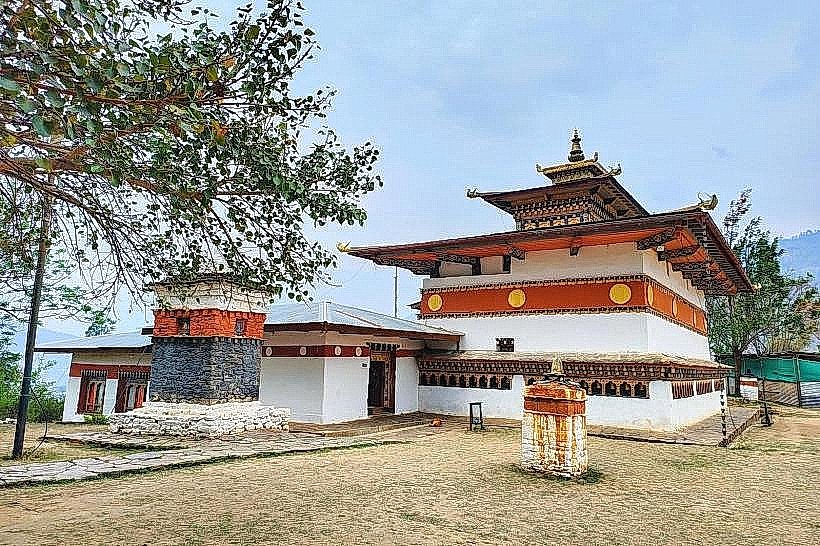
- Chimi Lhakhang (7km West)
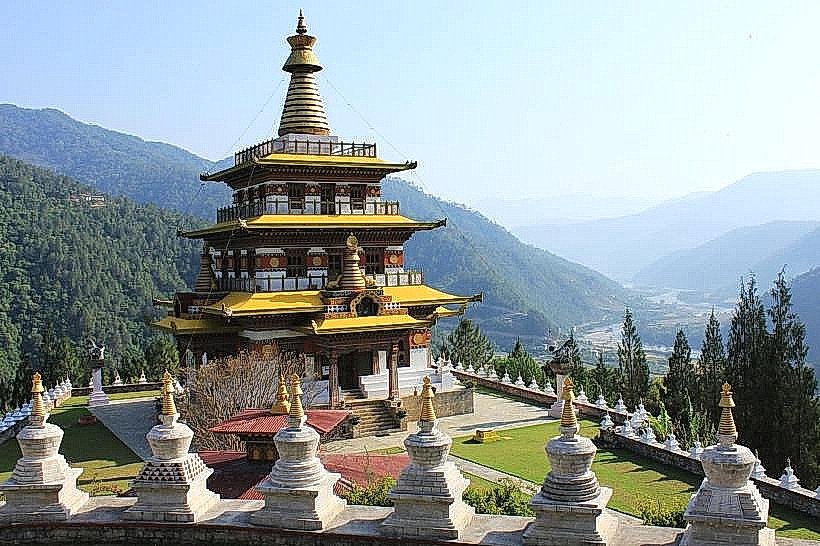
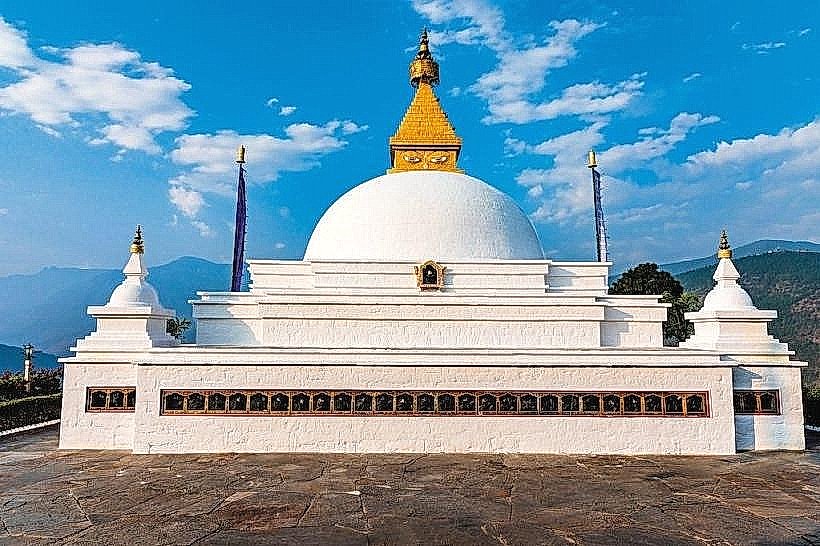
- Khamsum Yulley Namgyal Chorten (8km Southeast)
- Dochula Pass (20km West)