Information
Landmark: Limbukha VillageCity: Punakha
Country: Bhutan
Continent: Asia
Limbukha Village, Punakha, Bhutan, Asia
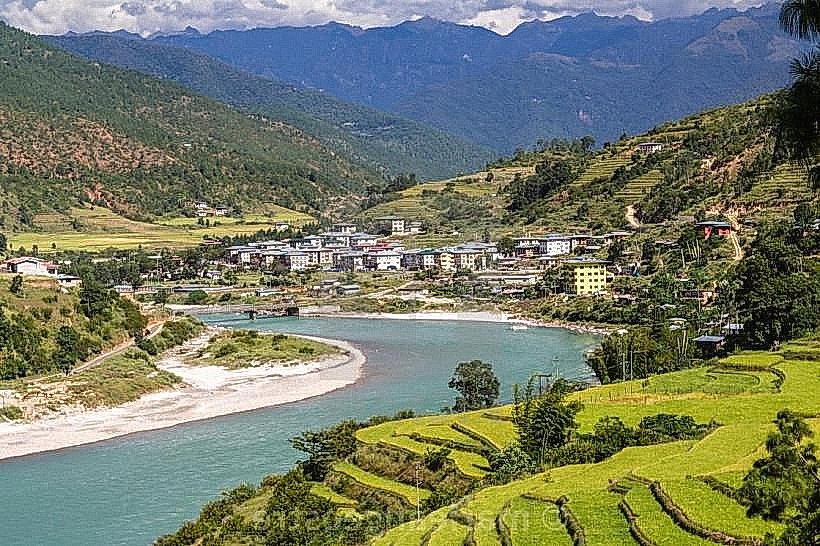
Limbukha Village is a settlement located in the Punakha District of Bhutan. It is situated in a valley region.
Visual Characteristics
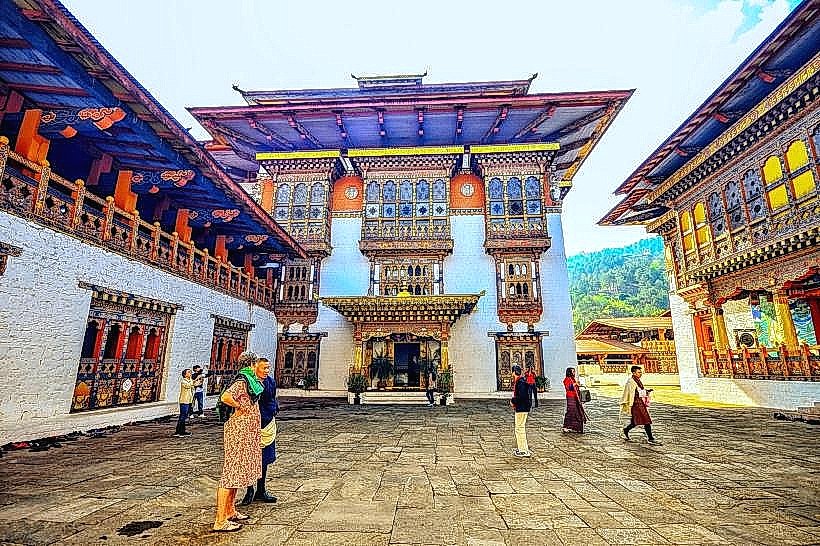
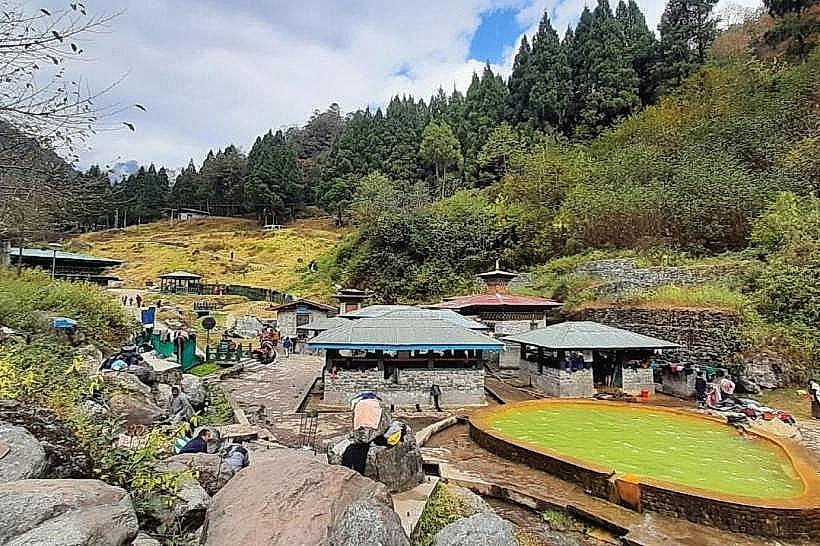
The village consists of traditional Bhutanese farmhouses constructed from stone and timber. Roofs are typically made of slate or corrugated metal. The surrounding landscape features terraced rice paddies and scattered agricultural fields, interspersed with pine and rhododendron forests. The Punakha River flows through the valley.
Location & Access Logistics
Limbukha Village is approximately 15 kilometers west of Punakha town. Access is via the national highway (Amo Chu Road) which connects Punakha to Wangdue Phodrang. The turn-off to the village is clearly marked. Parking is available on the roadside near the village entrance. Public transport options are limited; local buses run between Punakha and Wangdue Phodrang, with a stop near the village turn-off, requiring a short walk.
Historical & Ecological Origin
Limbukha is an agricultural village with a history tied to the settlement patterns of the Punakha Valley. The valley itself is a geologically formed depression carved by glacial activity and river erosion over millennia. The terraced farming practices are a long-standing tradition, adapted to the local topography and climate.
Key Highlights & Activities
Visitors can walk through the village to observe traditional Bhutanese architecture and farming methods. Hiking trails are available in the surrounding hills, offering views of the valley. The Punakha River is accessible for recreational activities such as fishing, though permits may be required. Observing local agricultural practices, particularly rice cultivation, is a primary activity.
Infrastructure & Amenities
Basic amenities are available within the village, including small local shops selling essential goods. Restrooms are typically found in private homes or small guesthouses. Shade is provided by trees and the structures of the farmhouses. Cell phone signal (4G) is generally available, though it can be intermittent in more remote areas of the surrounding hills.
Best Time to Visit
The best time to visit for pleasant weather is during the spring (March to May) and autumn (September to November). These periods offer clear skies and moderate temperatures. For observing rice cultivation, the planting season (April-May) and harvest season (October-November) are most relevant. Mid-morning offers good natural light for photography of the village and surrounding fields.
Facts & Legends
A local legend states that the valley was blessed by a lama who predicted its fertility and prosperity, leading to its designation as a prime agricultural area. The village is known for its production of red rice, a staple in Bhutanese cuisine.
Nearby Landmarks
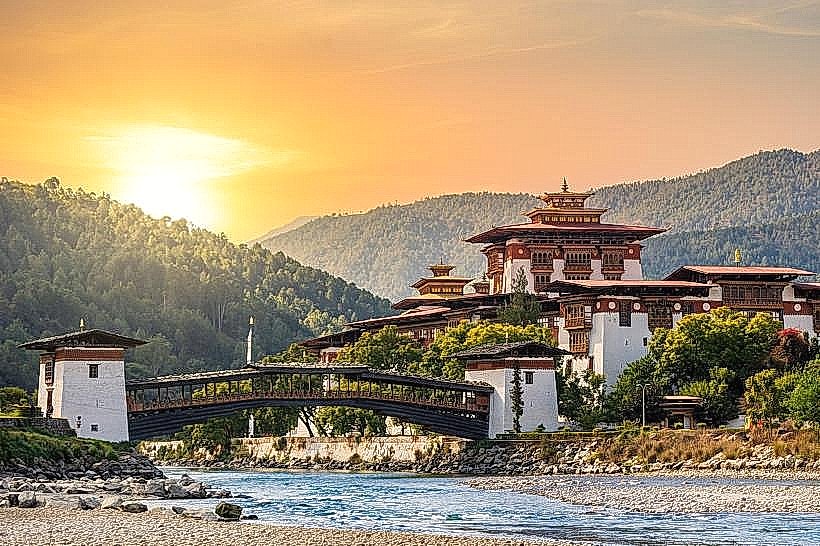
- Punakha Dzong (10km East)
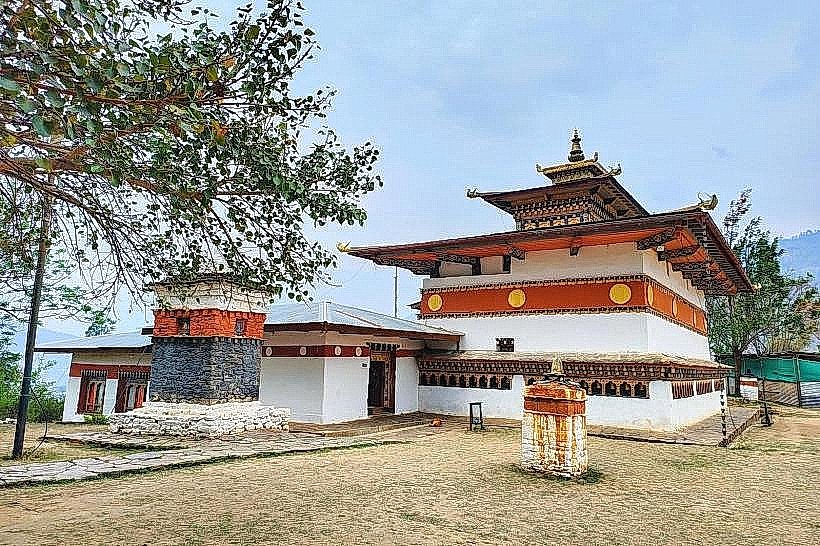
- Chimi Lhakhang (8km East)
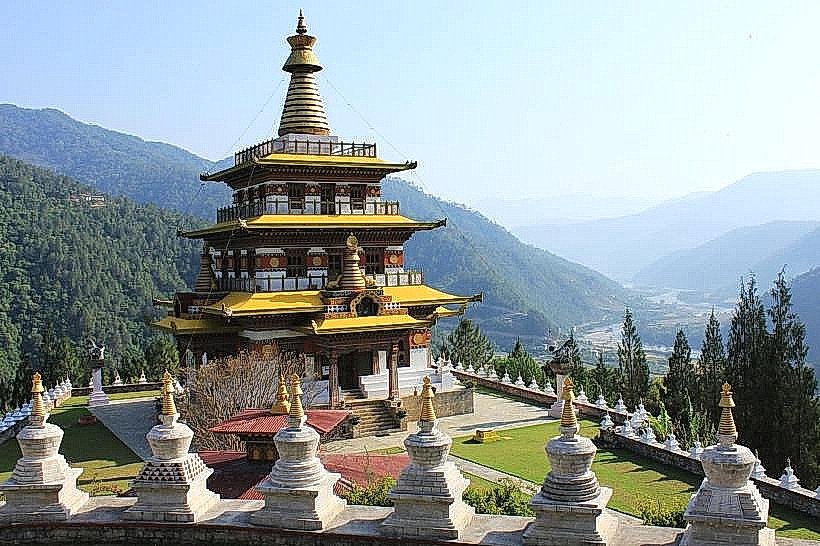
- Khamsum Yulley Namgyal Chorten (12km East)
- Wangdue Phodrang Dzong (18km West)