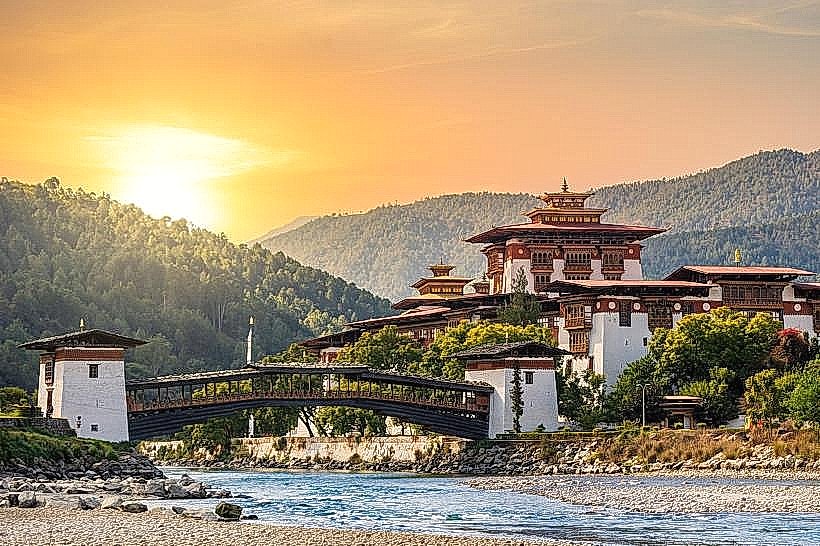
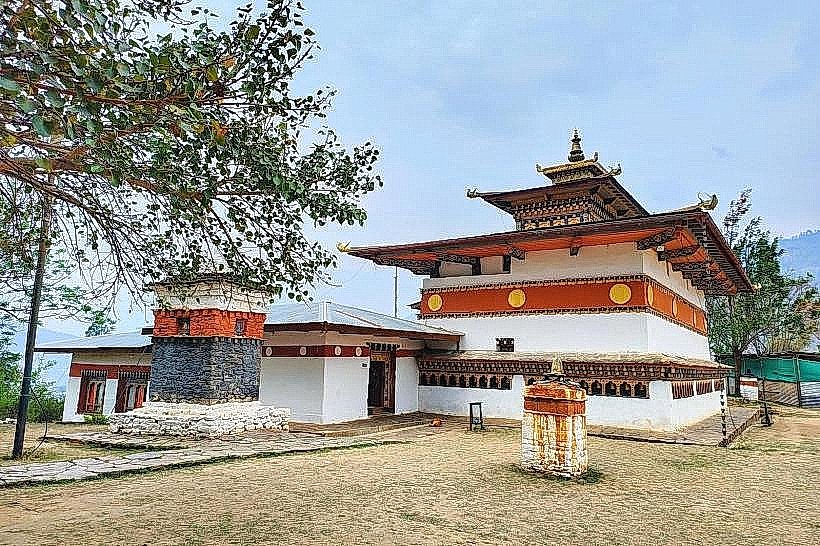
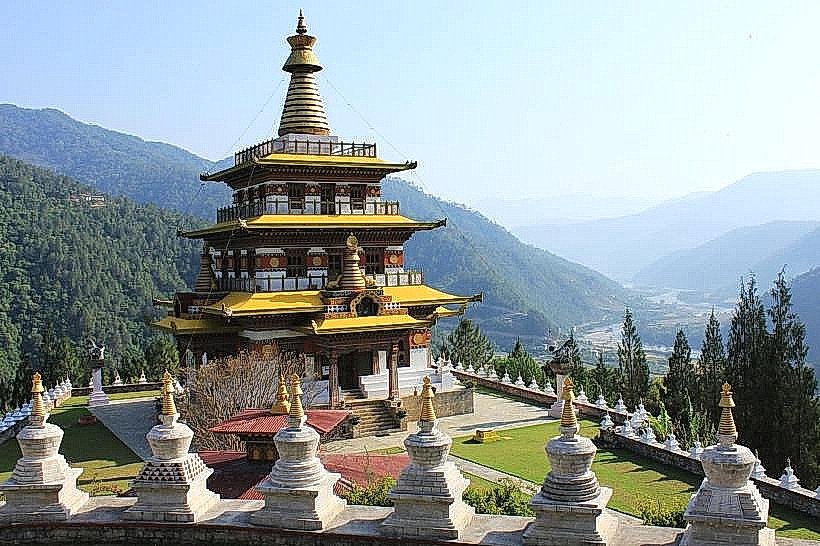
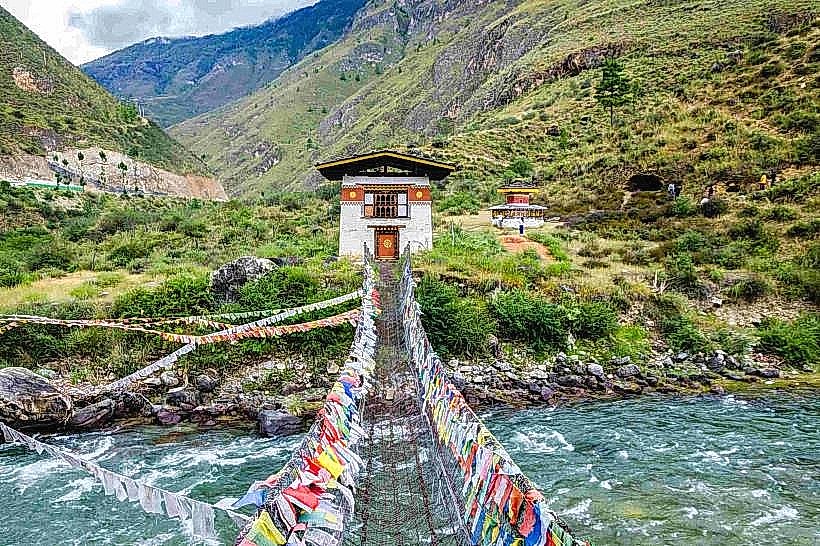
Information
Landmark: Jigme Dorji National ParkCity: Punakha
Country: Bhutan
Continent: Asia
Jigme Dorji National Park, Punakha, Bhutan, Asia
Jigme Dorji National Park is a protected area situated in the northwestern region of Bhutan. It encompasses a significant portion of the country's northern and western districts.
Visual Characteristics
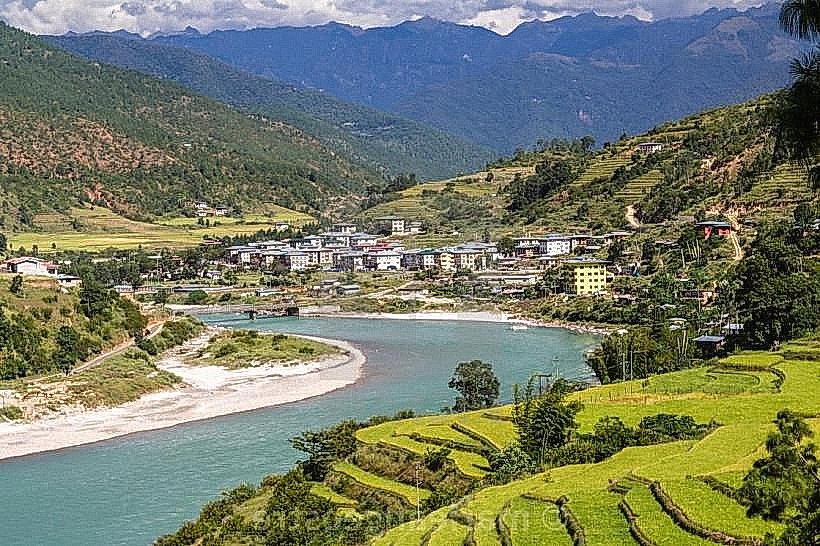
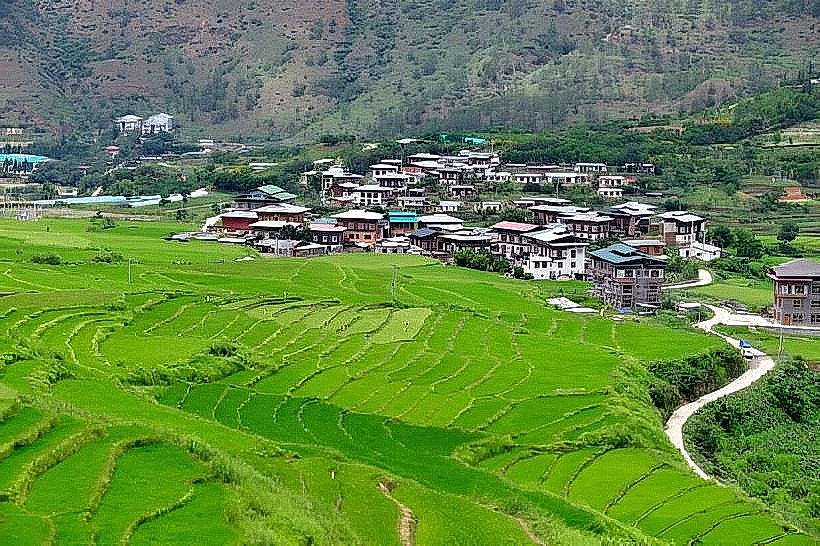
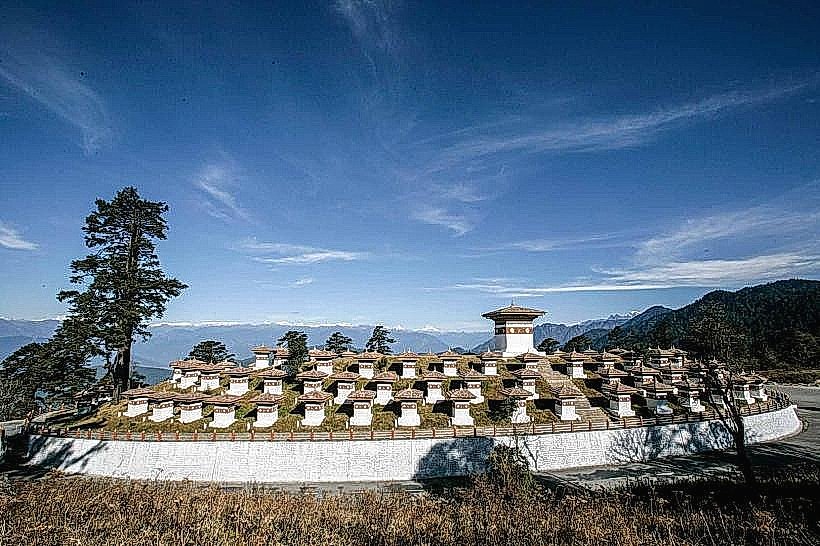
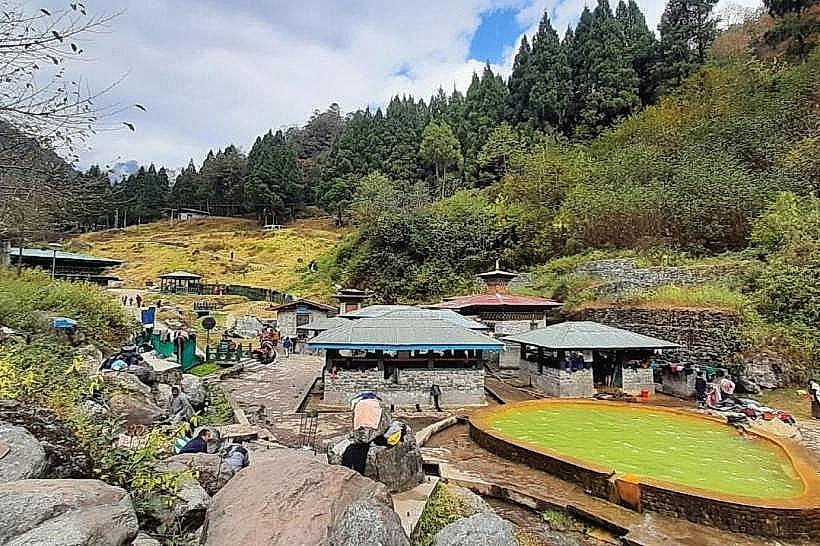
The park's topography ranges from subtropical valleys to alpine peaks. Vegetation includes rhododendron forests, coniferous woodlands, and alpine meadows. Elevations vary from 1,400 meters (4,593 ft) to over 7,000 meters (22,966 ft). Glacial lakes are present at higher altitudes.
Location & Access Logistics
The park is accessible via the national highway system. The main access point is from the town of Gasa, approximately 120 km (75 miles) north of Thimphu. Road conditions can be challenging, particularly during monsoon season. Limited public transport operates to the park's periphery; private vehicles or organized tours are the primary means of access. No designated parking facilities exist within the park itself, with vehicles typically parked at entry points or designated campsites.
Historical & Ecological Origin
Established in 1974, Jigme Dorji National Park was designated to protect Bhutan's diverse ecosystems and wildlife. It is named after the third King of Bhutan, Jigme Dorji Wangchuck. Ecologically, it represents a transition zone between the temperate and alpine bio-geographical regions of the Himalayas.
Key Highlights & Activities
Trekking routes traverse the park, including the Snowman Trek, one of the world's most challenging treks. Wildlife viewing opportunities exist for species such as takin, blue sheep, and black bear. Birdwatching is a significant activity, with over 300 avian species recorded. Photography of the landscape and flora is possible.
Infrastructure & Amenities
Basic infrastructure is limited. Designated campsites are available in certain areas. Restrooms are generally absent outside of ranger stations or designated visitor centers. Cell phone signal is intermittent and unreliable within most of the park. No food vendors are present within the park boundaries; visitors must carry their own provisions.
Best Time to Visit
The optimal period for visiting is from March to May and September to November. During these months, weather conditions are generally stable, and trails are passable. For photography, early morning and late afternoon offer favorable lighting conditions. High altitude areas may be inaccessible due to snow from December to February.
Facts & Legends
Jigme Dorji National Park is home to the endangered white-bellied heron. Local folklore speaks of the park as a sanctuary guarded by mountain spirits.
Nearby Landmarks
- Gasa Dzong (Fortress) - 15km Northwest
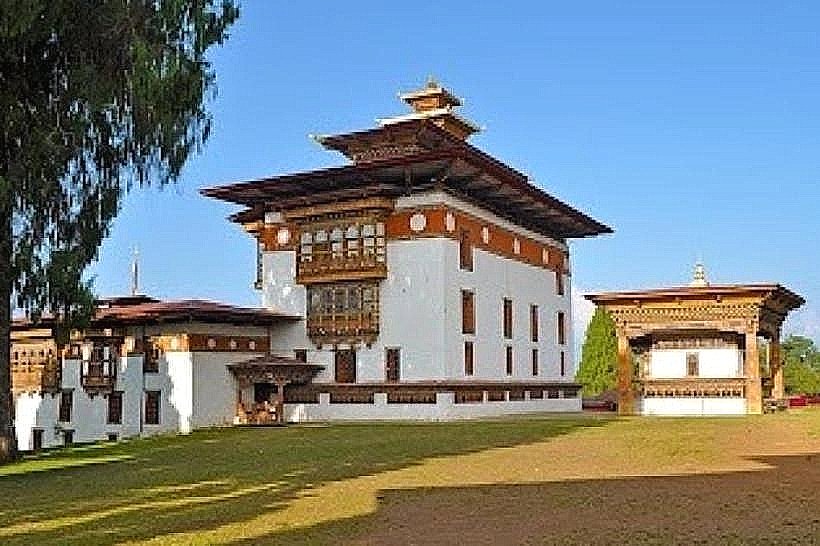
- Lhedi Goempa Monastery - 30km Southwest
- Bumthang Valley - 150km East
- Phobjikha Valley - 100km South