Information
Landmark: Punakha Tshechu FestivalCity: Punakha
Country: Bhutan
Continent: Asia
Punakha Tshechu Festival, Punakha, Bhutan, Asia
The Punakha Tshechu is an annual religious festival held in Punakha, Bhutan. It is a significant cultural event celebrated at the Punakha Dzong.
Visual Characteristics
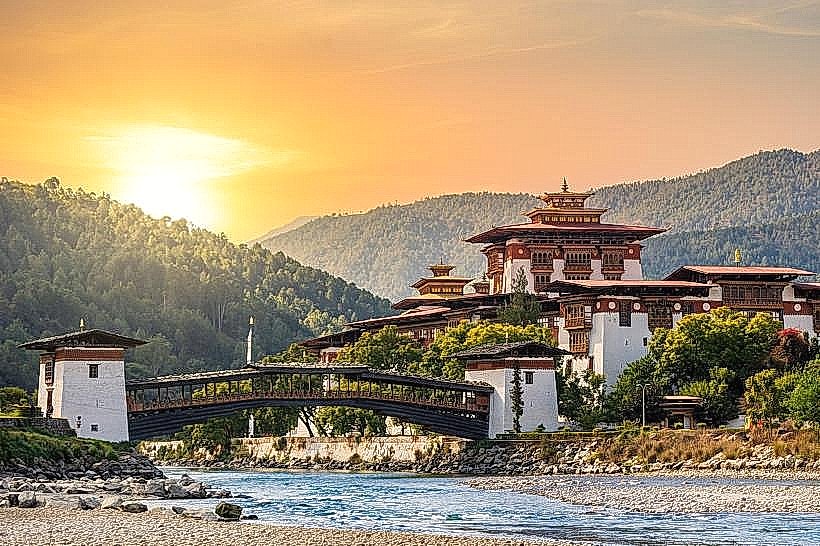
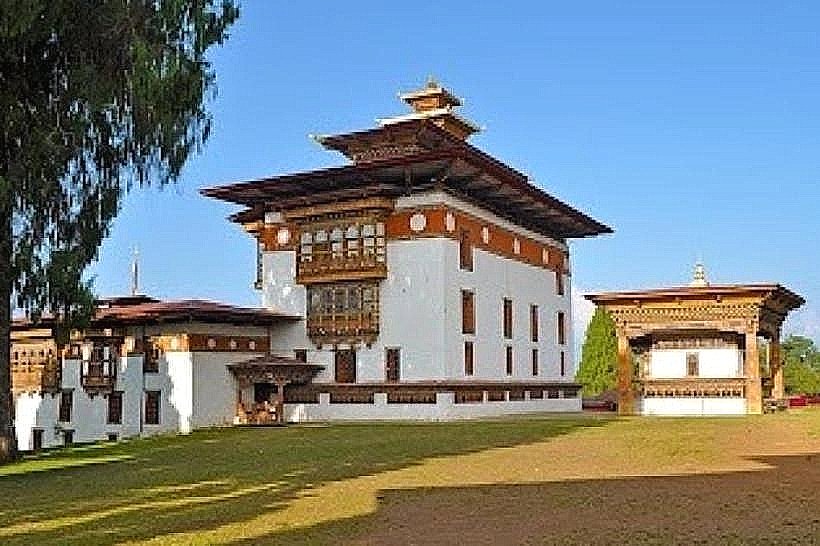
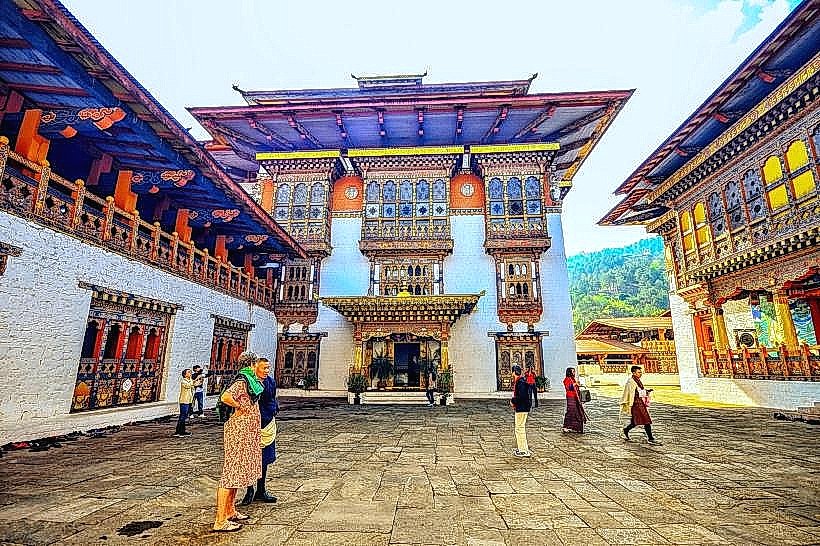
The festival takes place within the courtyards and grounds of the Punakha Dzong, a large fortress-monastery. The Dzong itself is constructed from stone and wood, featuring white-washed walls and intricately carved wooden elements. During the Tshechu, the area is adorned with colorful prayer flags and temporary structures for performers and attendees. Traditional Bhutanese attire, known as Gho for men and Kira for women, is widely worn by participants and observers.
Location & Access Logistics
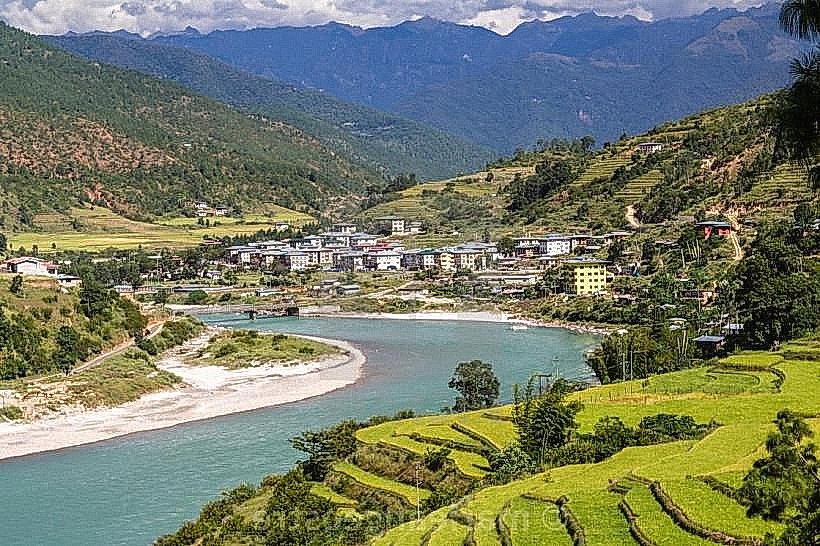
The Punakha Dzong is located in the Punakha Valley, approximately 70 kilometers west of Thimphu. Access is via the Punakha-Wangdue road (NH 12). The journey from Thimphu takes approximately 2-3 hours by vehicle. Parking is available in designated areas near the Dzong, though it can become congested during festival days. Public transport options directly to the Dzong are limited; private taxis or pre-arranged tour vehicles are the primary means of access for visitors.
Historical & Ecological Origin
The Punakha Tshechu is a religious festival that originated in the 17th century, coinciding with the establishment of the Bhutanese state by Shabdrung Ngawang Namgyal. The festival's purpose is to commemorate the life of Guru Rinpoche (Padmasambhava) and to purify negative karma. The Punakha Dzong, the primary venue, was built in 1627 by Shabdrung Ngawang Namgyal and served as the capital of Bhutan until 1955.
Key Highlights & Activities
Key activities include the performance of Cham dances, which are masked religious dances depicting moral stories and historical events. Visitors can witness the unfurling of the Thongdrel, a large scroll painting of Guru Rinpoche, on the final day. Local artisans often display and sell traditional crafts. The festival provides an opportunity to observe Bhutanese religious practices and cultural traditions.
Infrastructure & Amenities
Restrooms are available within the Dzong complex and in surrounding areas. Limited shaded areas are present within the Dzong's courtyards. Cell phone signal (4G/5G) is generally available in Punakha town, though it may be intermittent within the Dzong itself. Food vendors offering local Bhutanese cuisine are typically present outside the Dzong during the festival period.
Best Time to Visit
The Punakha Tshechu is held annually in the spring, typically in March or April, according to the Bhutanese lunar calendar. The exact dates vary each year. The festival usually spans three to five days. The best time of day for photography is generally during the morning and late afternoon when the light is softer. No specific tide requirements are applicable.
Facts & Legends
A unique aspect of the Punakha Tshechu is the belief that witnessing the Cham dances and the unfurling of the Thongdrel can absolve sins and bring good fortune. It is customary for locals to wear their finest traditional attire for the festival. A specific tip for visitors is to arrive early on the final day to secure a good viewing spot for the Thongdrel unfurling.
Nearby Landmarks
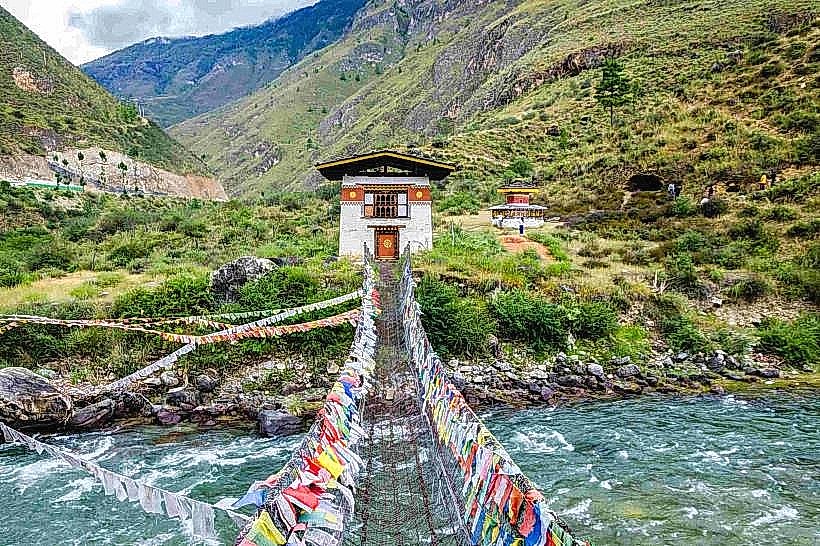
- Punakha Suspension Bridge (0.8km West)
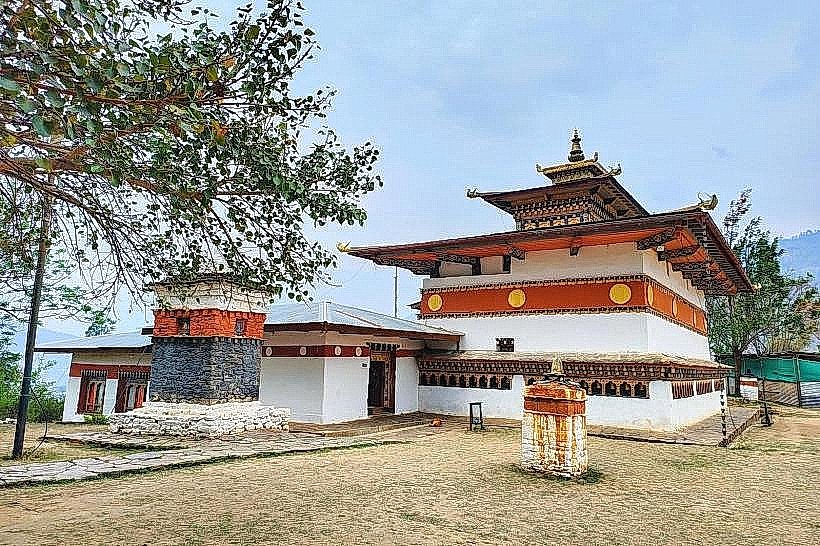
- Chimi Lhakhang (Temple of Fertility) (5km Southwest)
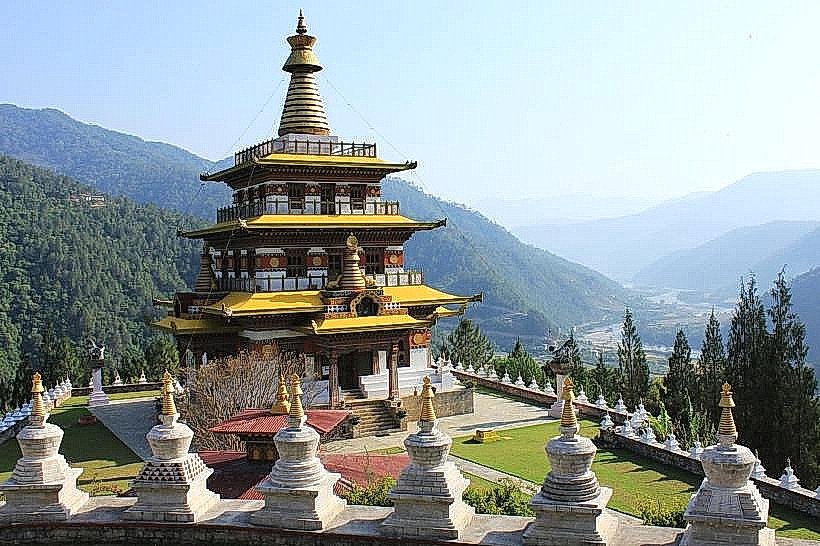
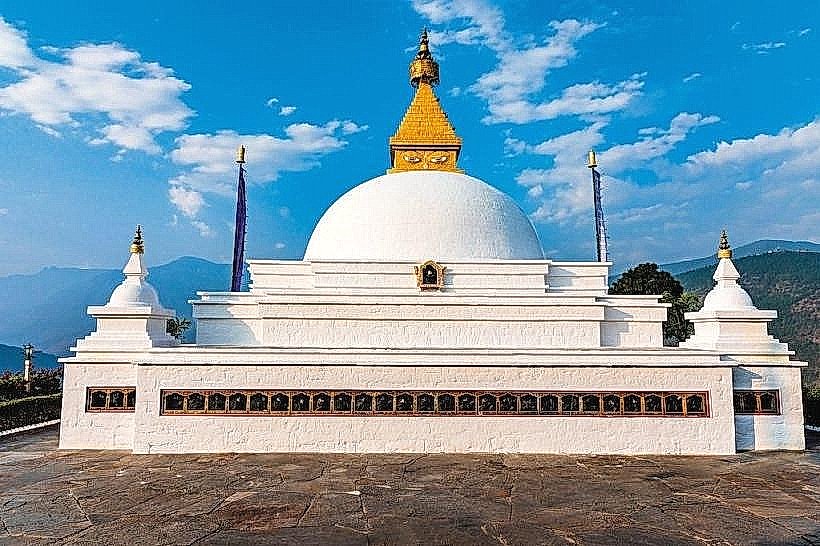
- Khamsum Yulley Namgyal Chorten (3km East)
- Wangdue Phodrang Dzong (Ruins) (12km South)