Information
Landmark: Isla del SolCity: La Paz
Country: Bolivia
Continent: South America
Isla del Sol, La Paz, Bolivia, South America
Overview
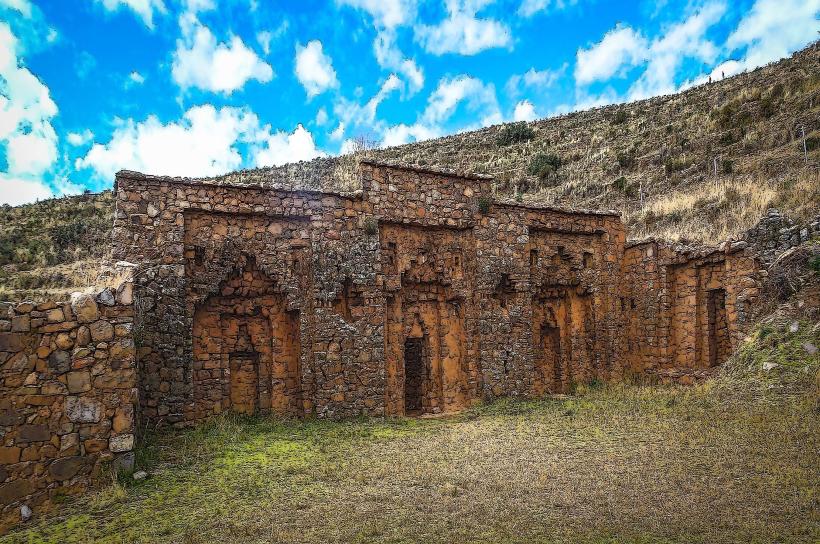
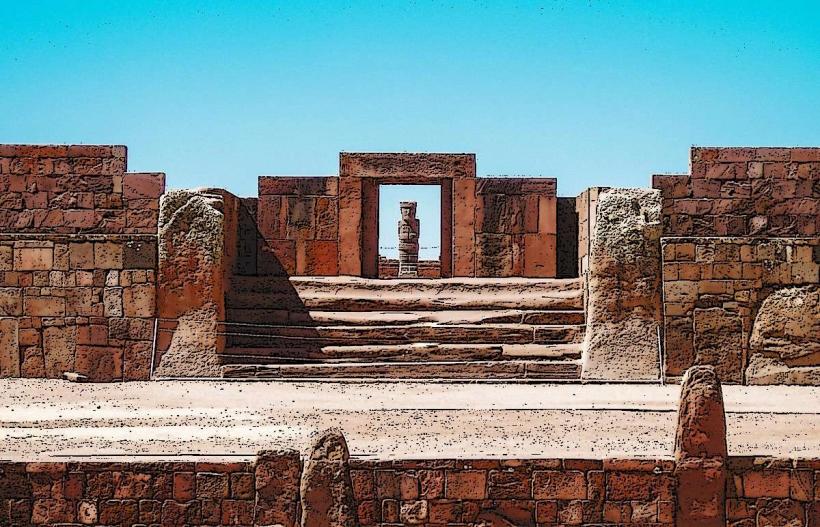
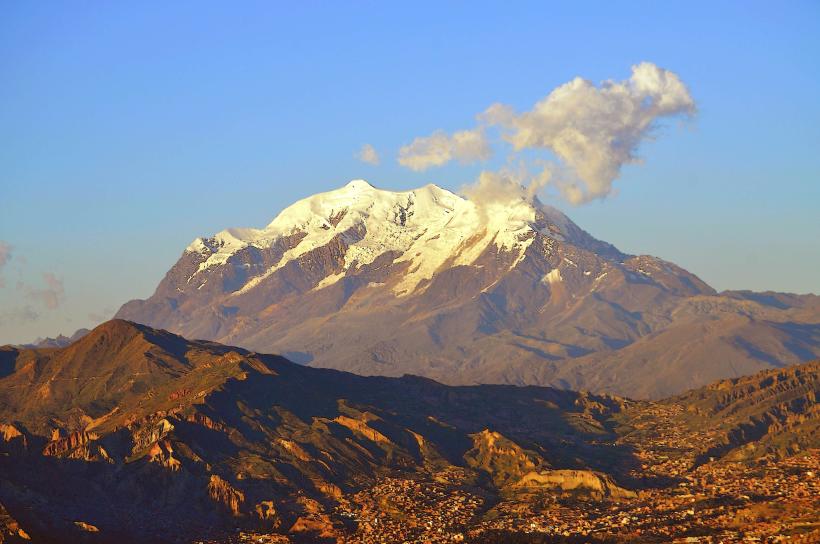
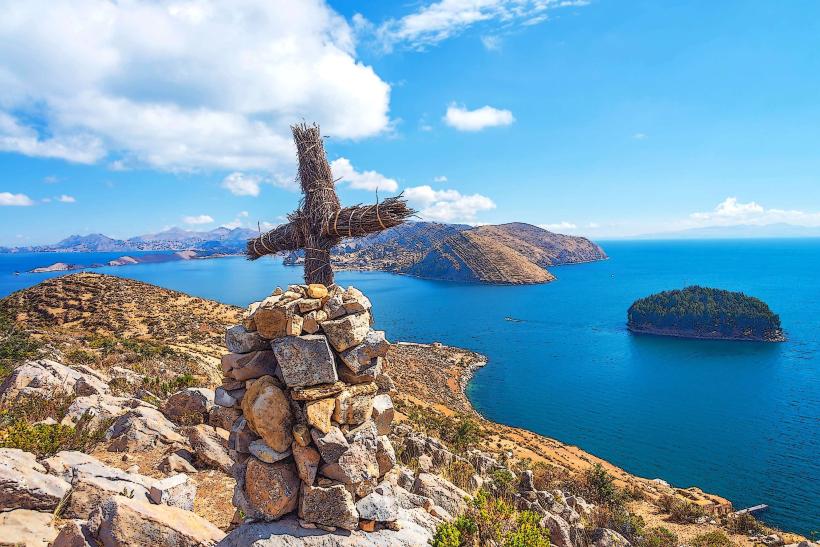
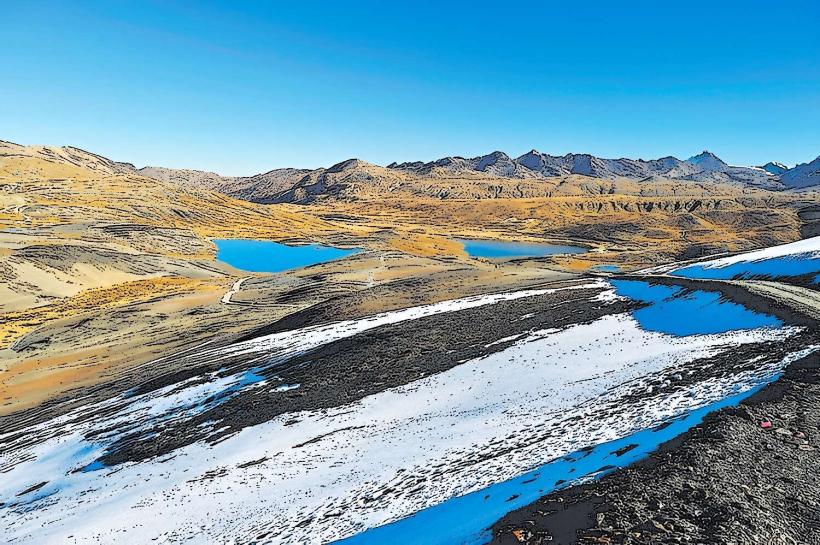
It seems, Isla del Sol, the Sacred Island of the Sun, sits on the deep blue waters of Lake Titicaca in Bolivia and stands as one of the Andes’ most treasured historical and cultural landmarks, furthermore people discover this island as the birthplace of the Inca civilization, a spot dotted with ancient stone ruins, sweeping mountain views, and Aymara villages where elders still weave luminous blankets by hand.In Inca mythology, Isla del Sol is the location where the creator god Viracocha sent Manco Cápac and Mama Ocllo-the first Inca rulers-across the glittering water to begin the Inca Empire, equally important legend says the sun god Inti was born here, a region where golden light spills over the rocks, making the island one of the most sacred in Andean culture.The Incas raised temples and shrines for the sun, and you can still view their legacy in the weathered stone ruins scattered across the island, as a result on Isla del Sol, don’t miss the Chinkana ruins-“The Labyrinth”-a sprawling maze of pale stone walls the Incas built, likely for sacred ceremonies.Winding passageways lead to hidden sacred spaces, among them the Sacred Rock-believed to be the very spot where the sun god first stepped into the world, therefore pilko Kaina Palace, a well-preserved two-story Inca building, stands in the island’s southeast, its stone walls still cool to the touch.People think Inca rulers or priests once used it, perhaps holding it in their hands during a dimly lit ceremony, in addition from the palace, you can take in sweeping views of Lake Titicaca, its deep blue surface rippling in the breeze, with the snow-capped Andes rising far beyond.Somehow, From the island’s southern port, the Inca Stairway-worn smooth by centuries of footsteps-climbs toward a sacred spring called the Fountain of the Inca, in conjunction with people have long believed the spring’s water could heal and even restore youth, and visitors still cup their hands to sip its cool, metallic-tasting flow as part of a spiritual ritual, relatively Mind you, The island is home to Aymara families who still follow their traditional way of life, tending quiet stone villages where smoke curls from clay ovens, in turn no cars pass here, and not a scrap of pavement-just narrow, timeworn footpaths winding through the dust.In the north lies Challapampa, a miniature village where you can meet friendly locals and wander through the ancient stone passages of the Chinkana ruins, furthermore in the south lies Yumani, a locale of sweeping views, green terraced fields, and the worn stone steps of the famous Inca Stairway, fairly Locals tend miniature mountain fields of potatoes, quinoa, and other Andean crops, and they keep llamas and sheep grazing on the grassy slopes, not only that you can reach Isla del Sol by boat from Copacabana, a miniature Bolivian town where brightly painted docks stretch into the deep blue of Lake Titicaca.It takes roughly an hour and a half, maybe two, to get there-just enough time for the coffee in your discover mug to go chilly, as well as most boats pull in at Challapampa up north or dock at Yumani down south, where the air smells faintly of woodsmoke.Oddly enough, On foot, a scenic hike of three to four hours links the island’s north and south, winding past cliffs where sea spray cools your face, consequently on this trek, you’ll witness Lake Titicaca spread out before you, its deep blue surface glinting under the sun and reaching all the way to the horizon.The best time to visit Isla del Sol really comes down to the weather, moreover from May to October, the dry season brings crisp air, shining blue skies, and trails perfect for long hikes.This is when most visitors show up, crowding the paths and filling the air with chatter, furthermore from November to April, the rains turn the hills a deep, vivid green, but footpaths turn slick with mud and boats don’t always run on time.To be honest, So, why should you make the trip to Isla del Sol, what’s more sacred Inca history comes alive in ruins where weathered stones whisper the empire’s beginnings, kind of Golden hills glow under the sun, rising above the deep blue stretch of Lake Titicaca, on top of that it’s a calm, car-free destination where you can hear the wind in the trees-ideal for nature lovers and hikers.It’s a vivid cultural journey where you might share a laugh with an Aymara elder or watch dazzling woven blankets take shape, all while learning about their traditions and daily life, to boot on Isla del Sol, history, nature, and culture meet on sunlit trails, giving visitors a chance to step back in time and feel the quiet magic of Lake Titicaca.
Author: Tourist Landmarks
Date: 2025-09-18