Information
Landmark: Parque Nacional de GarajonayCity: La Gomera
Country: Canary Islands
Continent: Europe
Parque Nacional de Garajonay, La Gomera, Canary Islands, Europe
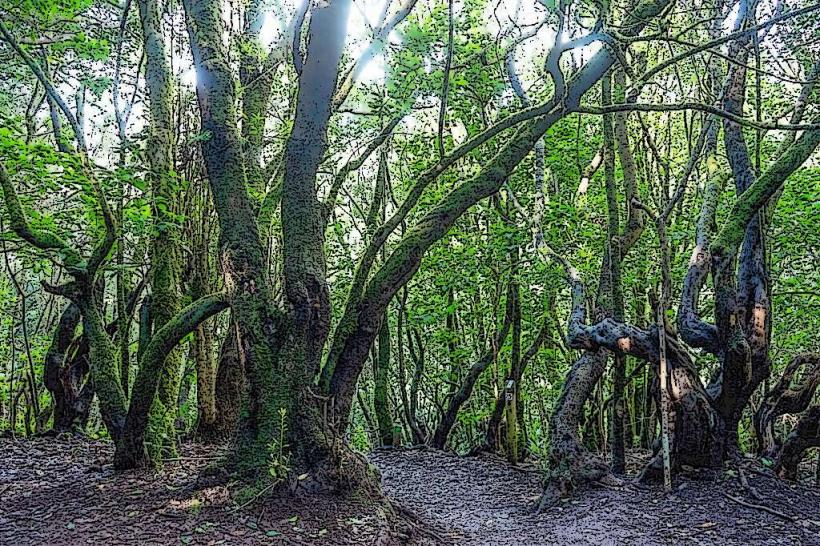
Parque Nacional de Garajonay is a national park located in the central and northern parts of the island of La Gomera, one of the Canary Islands, Spain. It preserves a significant relict area of ancient laurel forest, a subtropical cloud forest ecosystem.
Visual Characteristics
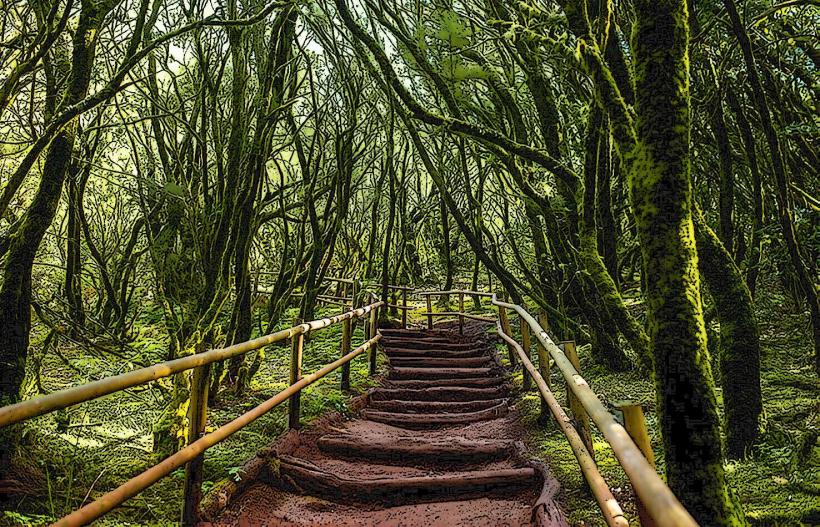
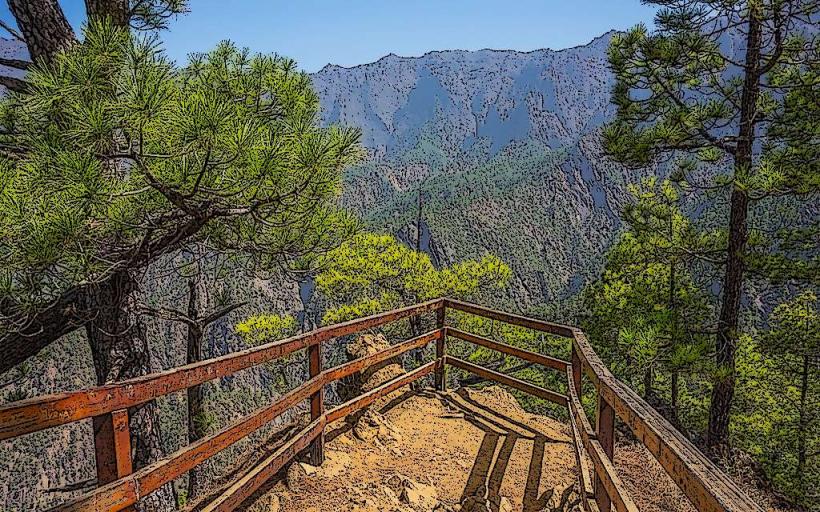
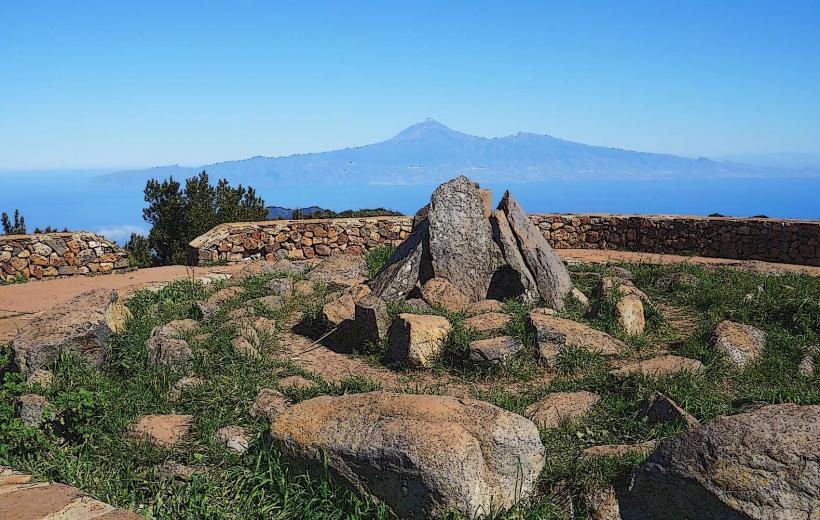
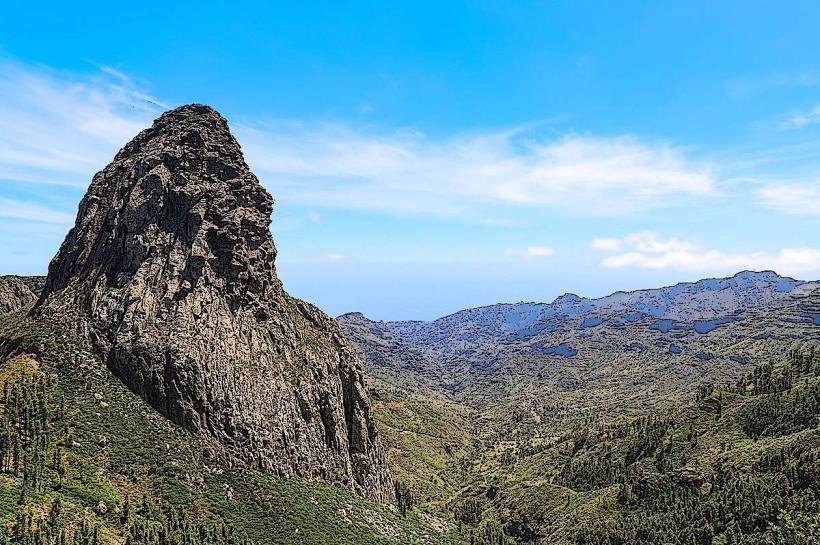
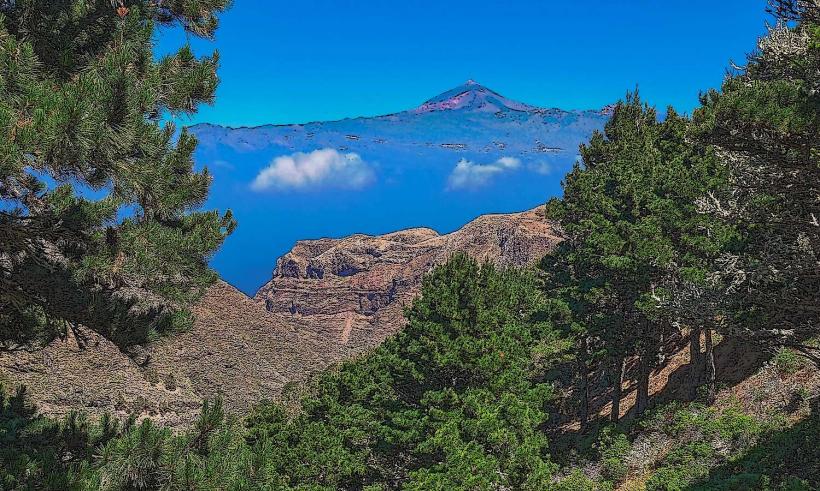
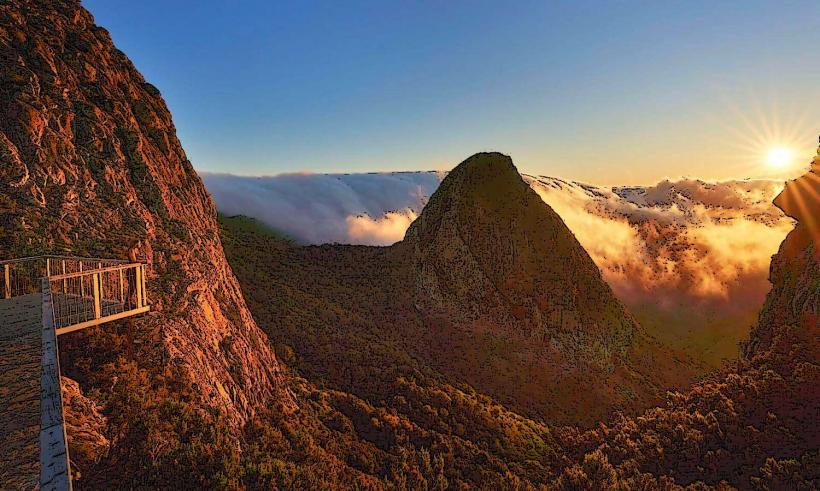
The park is characterized by dense, evergreen laurel forests (Laurisilva), which thrive in the constant humidity provided by trade winds. Dominant tree species include various laurels, heather, and fayas, often draped in mosses and lichens. The terrain features deep ravines and steep slopes, with the highest point being Alto de Garajonay at 1,487 meters. Frequent mist and fog create a distinct, ethereal atmosphere, contributing to the forest's lush, green appearance. Water features are limited to small streams and seasonal trickles.
Location & Access Logistics
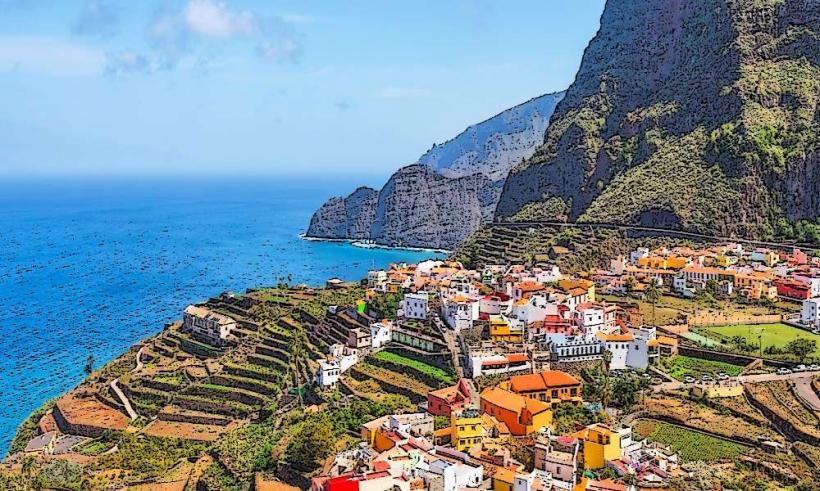
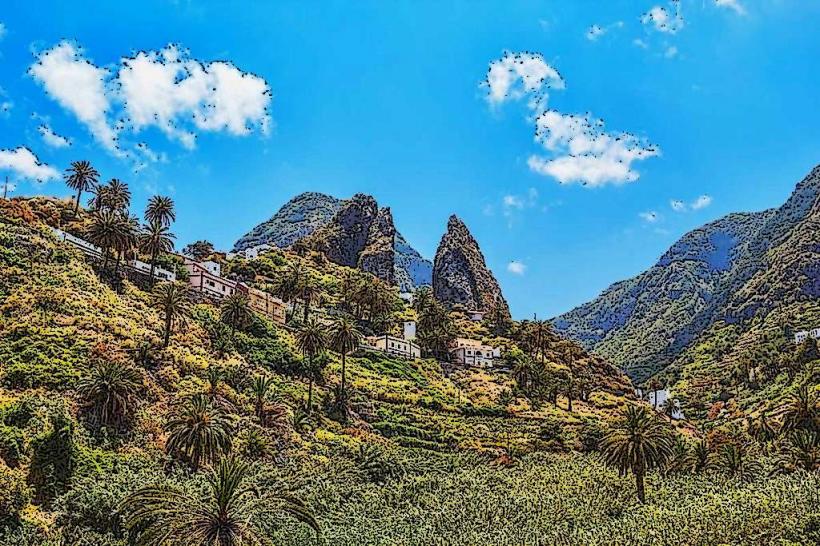
The park occupies a large central portion of La Gomera. The main access roads are the GM-2, which traverses the park from east to west, and the GM-3, connecting to the north. From San Sebastián de La Gomera, the island's capital, the park entrance is approximately 20-30 kilometers via the GM-2, a drive of about 30-45 minutes. Several designated parking areas are available at key trailheads and visitor centers, such as the Juego de Bolas Visitor Center near Agulo. Public transport is available via local bus lines (guaguas) that connect various villages around and within the park, with specific routes like Line 2 (San Sebastián - Valle Gran Rey) and Line 6 (San Sebastián - Vallehermoso) having stops near park access points.
Historical & Ecological Origin
Parque Nacional de Garajonay was established in 1981 and designated a UNESCO World Heritage Site in 1986. Ecologically, it represents a relict of the Tertiary Period's subtropical forests, which once covered much of Southern Europe and North Africa. The island of La Gomera is of volcanic origin, with the park's landscape shaped by erosion of ancient volcanic structures. The unique climate, characterized by persistent cloud cover and high humidity, allowed this ancient forest type to survive here after disappearing from most other regions.
Key Highlights & Activities
Hiking is the primary activity, with over 18 marked trails ranging from easy walks to challenging treks. Popular routes include the circular trail around Alto de Garajonay and the trails originating from the Laguna Grande recreational area. Birdwatching is possible, focusing on endemic species like the La Gomera laurel pigeon. The Juego de Bolas Visitor Center offers exhibitions on the park's ecology and culture. Picnic areas are available at sites like Laguna Grande and El Cedro.
Infrastructure & Amenities
Restrooms are available at the Juego de Bolas Visitor Center and at some recreational areas like Laguna Grande. The dense forest provides extensive natural shade throughout the park. Cell phone signal (4G) is generally available along main roads and at higher elevations but can be intermittent or absent in deep ravines and remote trail sections. Food vendors are limited to small cafes or restaurants located near the main visitor centers or in adjacent villages; there are no extensive facilities within the core forest areas.
Best Time to Visit
The park can be visited year-round due to La Gomera's mild climate. For photography, early mornings are ideal when the mist is often thickest, creating atmospheric lighting. The months from September to May offer cooler temperatures and more consistent cloud cover, enhancing the forest's characteristic humidity. During the drier summer months (June-August), the mist may be less frequent, but the forest remains green. No specific high/low tide requirements apply to this terrestrial park.
Facts & Legends
The park's name derives from the legend of Gara, a princess from La Gomera, and Jonay, a prince from Tenerife. Their forbidden love led them to leap from the island's highest peak, now known as Alto de Garajonay. The park is home to the largest continuous expanse of laurel forest in the Canary Islands, making it a crucial biodiversity hotspot. A unique tip for visitors is to experience the "horizontal rain," where moisture from the clouds condenses on the trees and drips to the forest floor, even without actual rainfall.
Nearby Landmarks
- Alto de Garajonay: 0.5km South (highest point within the park)
- Roque de Agando: 4km East (prominent volcanic rock formation)
- Laguna Grande: 2km North (recreational area with picnic facilities)
- Juego de Bolas Visitor Center: 3km North-West (main park information center)
- El Cedro Waterfall: 3.5km East (small waterfall accessible via hiking trails)