Information
Landmark: Skanderbeg SquareCity: Tirana
Country: Albania
Continent: Europe
Skanderbeg Square, Tirana, Albania, Europe
Overview
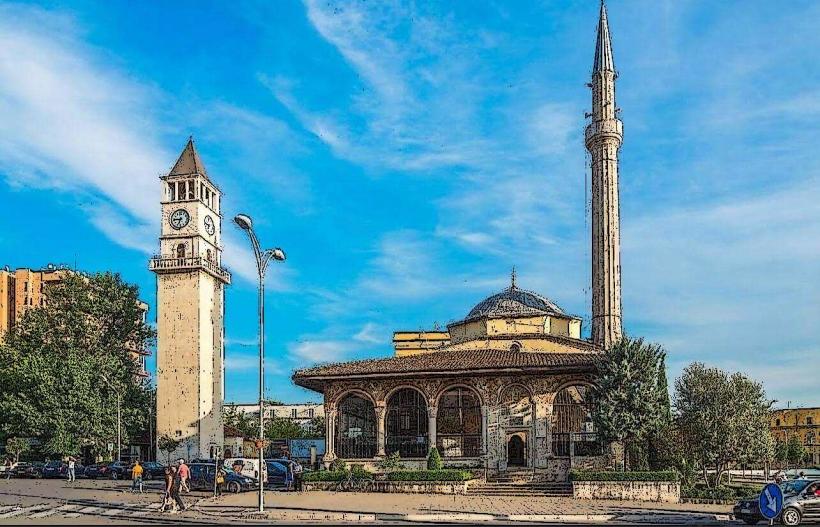
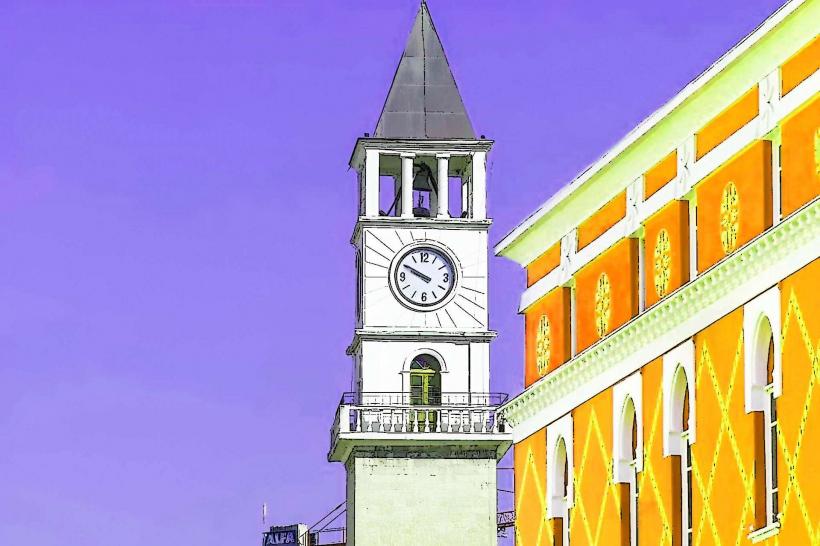
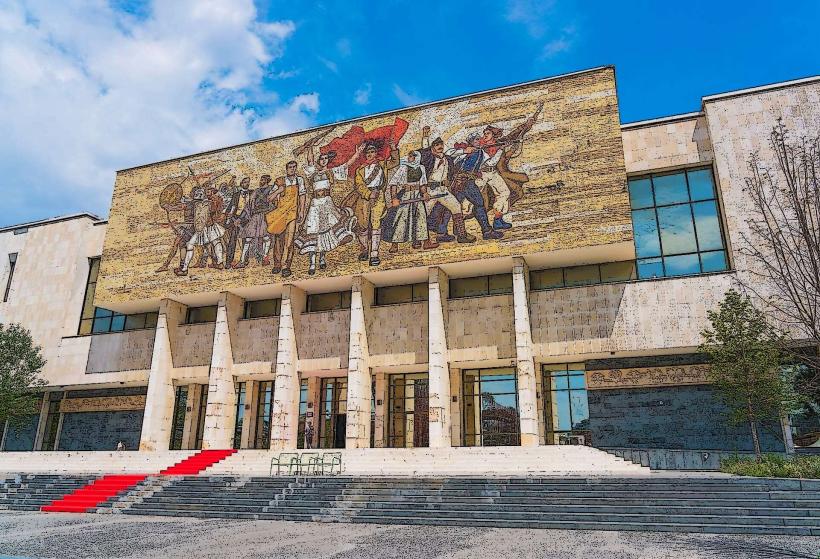
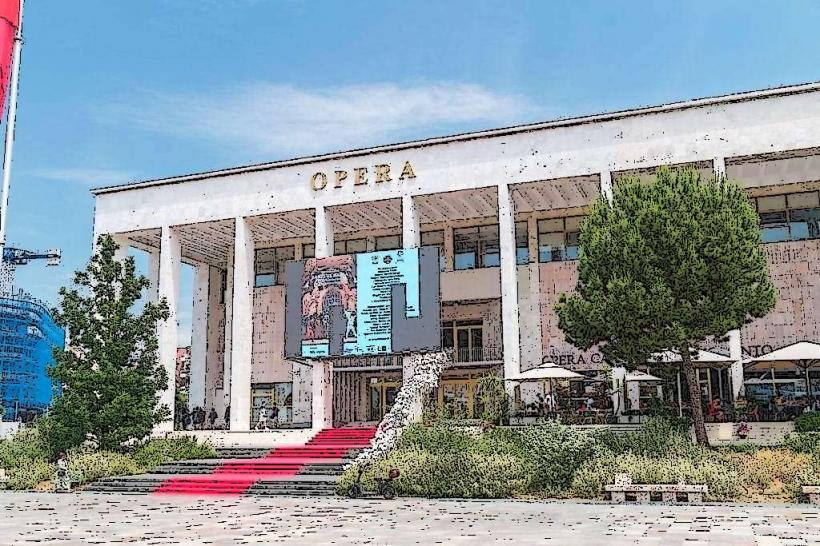
In Tirana, Albania’s bustling capital, Skanderbeg Square (Sheshi Skënderbej) beats like the city’s heart, where history meets culture beneath wide, sunlit paving stones, in turn the square takes its name from Gjergj Kastrioti-better known as Skanderbeg-the national hero who rallied his people against the Ottoman Empire in the 15th century, his banner dazzling red against the mountain skies.If I’m being honest, The square isn’t just a locale where people meet to talk politics or share coffee-it’s layered with centuries of history, marked by shifting architecture and constant change, furthermore let’s take a closer peek at the pieces that bring this famous square to life-starting with the first one, somewhat At the heart of the square stands the Skanderbeg monument, a towering bronze horse and rider sculpted in 1968 by Italian artist Francesco Mazzucotelli, therefore skanderbeg sits high on his horse, sword raised, a fierce figure leading the charge against the Ottoman Empire, in some ways In the middle of the square, the statue draws every eye, standing as a proud symbol of Albania-bronze gleaming in the afternoon sun, therefore number two.On the north side of the square, the National History Museum (Muzeu Historik Kombëtar) stands out as one of its main landmarks, its broad stone façade marking the largest museum in Albania, as a result this museum holds a rich sweep of Albanian history, guiding you from stone-age tools and worn pottery through the medieval and Ottoman eras, all the way to the nation’s modern story.The museum’s striking facade catches your eye with a massive, sunlit mosaic called *The Albanian Renaissance*, showing figures like Skanderbeg and vivid scenes from the country’s fight for independence, on top of that inside, its halls unfold in sections that trace history from ancient archaeology through the Ottoman period, the National Renaissance, World War II, and the Communist era.Inside, you’ll find treasured pieces-ancient pottery still dusted from the earth, finely crafted weapons, traditional costumes, and faded photographs that trace Albania’s recent past, as well as just steps away, the Et'hem Bey Mosque rises as one of Tirana’s most remarkable Ottoman-era landmarks.Molla Bey built it in the late 18th century, and today it stands in the square as a revered spot of worship and culture, its timeworn stone steps worn smooth by generations, meanwhile the mosque’s interior bursts with ornate frescoes-lush landscapes, slender trees, even a glimpse of the Tirana River-painted in a style unlike the usual religious imagery.The mosque’s design is simple but graceful, with a gleaming dome and a slender minaret rising against the sky, to boot for years, it welcomed worshippers and stood as a proud reminder of the Ottoman Empire’s influence in Albania.After communism’s collapse, it stood among the rare religious buildings still open, surviving even after Albania had been declared an atheist state in the 1960s, on top of that it reopened to the public in 1991 and, ever since, has stood as a symbol of religious tolerance in Albania.Just steps away, the Clock Tower (Kulla e Sahatit) rises above the square, its pale stone catching the afternoon sun, therefore built in 1822, it rises 35 meters-about as tall as a twelve-story building-and once rang out the hours for the people of Tirana.The tower follows traditional Ottoman design, its narrow brick body rising straight into the air, each side marked by a clock face that catches the afternoon light, in conjunction with it stands out on Tirana’s skyline, a sharp silhouette against the afternoon haze, and it’s grown into a true symbol of the city, loosely Restored in the 1990s, the clock tower now draws crowds of visitors, though it no longer keeps time; instead, it stands as a cherished cultural landmark, often captured in snapshots against the dazzling city sky, while Skanderbeg Square around it has steadily transformed into a modern, pedestrian-friendly space since the fall of communism in the early ’90s, alternatively in recent years, the square’s been closed to cars, turning it into a wide, brick-paved space where locals linger and tourists drift between cafés, under certain circumstances The redesign brings the historic and current together, letting historic monuments share the space with sleek, modern architecture, what’s more in 2017, workers finished a major renovation, laying broad granite slabs that catch the sunlight beside the fountains.They added several fountains to make the setting more splendid and give visitors a spot to unwind, maybe sit and listen to the water, besides today, Skanderbeg Square hosts everything from concerts and festivals to protests and national celebrations.Government buildings ring the area, among them the Palace of Culture, the Albanian National Library, and the Ministry of Education, as a result around Skanderbeg Square, stone facades from another era stand beside sleek glass towers, tracing Tirana’s changing skyline over the years.Tirana City Hall sits just west of the square, a pale stone landmark where the city’s municipal offices bustle with daily work, furthermore built in the early 1900s, the Opera House stands right beside the square, a region that once echoed with arias from the National Theatre and Opera before closing in recent years amid heated debate over tearing it down for contemporary construction.People in Tirana still argue over its story during urban planning meetings, and Skanderbeg Square-once purely a historic landmark-now buzzes with everyday life, from children chasing pigeons to friends meeting by the fountain, in addition in Tirana, it’s become the heart of public life, where people gather for concerts in the square, join demonstrations, and take part in civic projects.For many Albanians, the square serves as a favorite gathering spot-friends linger over coffee, children chase pigeons-and it stands as a proud symbol of national unity, furthermore people come here to voice political opinions, mark national holidays, and join in cultural events.Around Skanderbeg Square, cafés hum with conversation, shops spill light onto the pavement, and offices keep the area buzzing all day, not only that skanderbeg Square sits just a short stroll from many of Tirana’s key museums, theaters, and bustling shops, which only deepens its location at the heart of city life.It’s where Albania’s layered history meets the energy of the present, moreover it’s a cultural landmark, yet still hums with the everyday bustle of Tirana’s streets.As you can see, With the Skanderbeg statue casting its bronze shadow beside the Et'hem Bey Mosque and the tall Clock Tower, and current streets and glass-fronted buildings rising around them, the city stands as a vivid symbol of Tirana’s past, present, and future, and the square isn’t only for tourists-it’s where Albanians gather to share stories, celebrate traditions, and connect over the echoes of their history.
Author: Tourist Landmarks
Date: 2025-08-31