Information
Landmark: Stavanger Botanical GardenCity: Stavanger
Country: Norway
Continent: Europe
Stavanger Botanical Garden, Stavanger, Norway, Europe
Overview
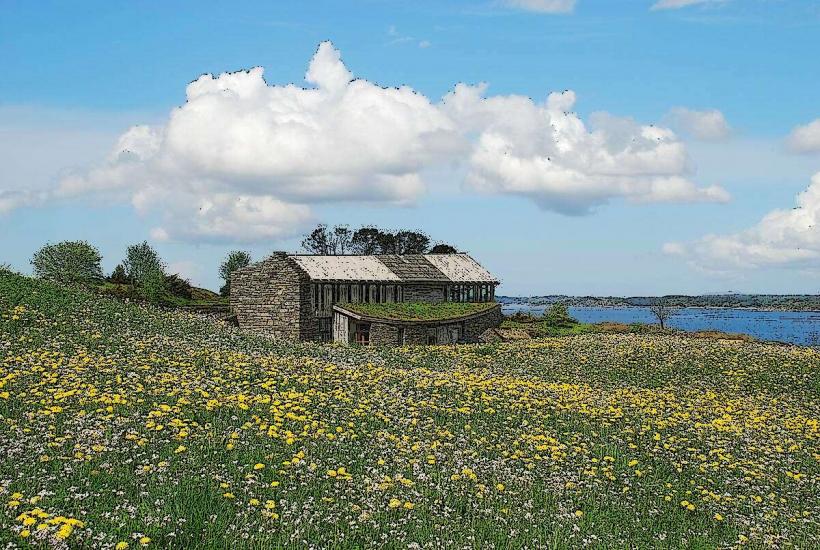
Tucked into the western edge of the city, the Stavanger Botanical Garden (Stavanger Botaniske Hage) spreads across the University of Stavanger’s grounds, where winding paths lead past glowing blooms and quiet, shaded lawns, alternatively stroll through this botanical garden and you’ll find quiet paths, luminous blossoms, and a calm that draws in nature lovers, gardeners, and anyone craving a measured, peaceful day among the greenery.Let’s take a closer behold at the garden, starting with where it sits: the Stavanger Botanical Garden rests on Ullandhaug Hill, just a short stroll from the University of Stavanger campus, after that just a short meander from the city center, the garden welcomes visitors all year.Perched on Ullandhaug Hill, it’s easy to reach and rewards you with sweeping views of the surrounding landscape, where the wind carries the scent of fresh grass, at the same time you can reach the park by car, bike, or public transit, and winding paths link the garden to nearby spots, including hiking trails that climb the hill.Just so you know, Spread across about 17 hectares-roughly the size of 42 football fields-it offers themed sections, shady walkways, and open lawns to explore, while established in 1995, the garden was created to be both a spot to learn and a spot to relax, slightly It’s a hub for studying plant diversity and a hands-on classroom for students in biology, environmental science, and horticulture, where they might crouch to examine the veins on a fresh green leaf, on top of that it also serves as a public garden, welcoming visitors to wander among blooming paths and quiet green corners.The Stavanger Botanical Garden is arranged into distinct themed areas, each highlighting its own mix of plants and landscapes: 1, not only that norwegian Flora Section: This part of the garden showcases native plants from across Norway-spruces from deep green forests, hardy blooms from windswept mountains, and salt-tolerant grasses from the rugged coast.You can wander past wildflowers, soft green ferns, and native shrubs, then pause under trees that have grown in Norway for centuries, in turn the Climate Zones area highlights species from salty coastal stretches to sheltered inland valleys, showing off the country’s rich variety.In the Arctic and Alpine section, tiny blooms and hardy shrubs cling to life in frosty, wind-swept heights, what’s more you’ll find these plants high in Norway’s mountains and scattered across the tundra, clinging to life where soil is scarce, winds bite, and the air stays icy, mildly In the Mediterranean Garden-a standout corner of the grounds-sun-loving species flourish, their leaves catching the light like they were born for warm breezes, meanwhile here, the air carries the scent of rosemary and mint, mingling with the brightness of lemon trees and the colors of Mediterranean blooms.It’s a warm, fragrant pocket that stands apart from the garden’s cooler corners, proof that plants from far-off climates can thrive side by side, in addition the herb garden brims with culinary and medicinal treasures-sage, thyme, and more-ready to be touched, smelled, and used.The garden offers a space where visitors can explore how herbs have been used in cooking and medicine, past and present, and it also features a smaller corner for tropical and subtropical plants-palms swaying, banana leaves catching the light, and radiant waxy blooms that thrive in the heat, in addition here, you can notice plants from every corner of the globe thriving in Norway’s cool air, thanks to carefully managed conditions.Just beyond, the garden opens into wetlands, with still ponds and soft, marshy ground underfoot, as well as here, you’ll find water-loving plants-water lilies floating like coins on the surface, tall reeds swaying in the breeze, and other aquatic species.The wetlands shelter insects and birds, making them vital to the garden’s biodiversity, in turn the Woodland Garden, by contrast, echoes Stavanger’s native forests, filled with trees, shrubs, and soft green groundcover, in a sense You’ll spot native trees-birch, pine, and spruce-threaded with woodland flowers like bluebells and anemones, their colors dazzling against the green, therefore this area also tells the story of how forests shelter wildlife and keep biodiversity thriving.Scattered along the paths, sculptures and art pieces blend quietly into the landscape, echoing the shapes and textures of the plants, at the same time many of these artworks are created to showcase the connection between nature and human imagination, adding a vivid cultural layer to the garden-like a sculpture framed by blooming lavender, not entirely The Stavanger Botanical Garden also runs guided tours for visitors curious about the plants, the garden’s history, and the environmental themes woven throughout the park, alternatively knowledgeable staff and horticulturists often lead these tours, offering fresh insight into the garden’s rich biodiversity-like pointing out the faint citrus scent of a blooming lemon tree.Funny enough, All year long, the garden also holds hands-on workshops and lively events for both kids and adults, in addition you might explore gardening, spotting different plants, sustainable methods, and protecting the environment.Through its school programs, the garden teams up with local classrooms so students can dig in the soil and learn by doing, alternatively these programs give young people the chance to explore plant biology, ecosystems, and conservation out in the real world.Actually, In spring and summer, the garden bursts into color-rows of tulips, leafy shrubs, and tall trees sway gently in the warm breeze, therefore if you want to perceive the garden bursting with color and variety, this is the moment to come.In autumn, the leaves shift to deep golds and fiery reds, painting every path with a warm, vivid glow, simultaneously winter casts the garden in a softer light, perfect for photography and seeing familiar paths in a current way.Actually, The grounds grow quieter then; many plants rest, yet evergreens and shining winter blooms still line the walkways, at the same time the Stavanger Botanical Garden remains a lovely spot for nature lovers and anyone curious about plants, sustainability, or the art of horticulture.Believe it or not, With winding paths lined by luminous orchids, a calm atmosphere, and hands‑on learning programs, it’s a area visitors of any age can enjoy, also whether you’re soaking in the mountain skyline or watching sunlight spill across the hills,
Author: Tourist Landmarks
Date: 2025-09-04