Information
Landmark: Waimangu Volcanic ValleyCity: Rotorua
Country: New Zealand
Continent: Australia
Waimangu Volcanic Valley, Rotorua, New Zealand, Australia
Overview
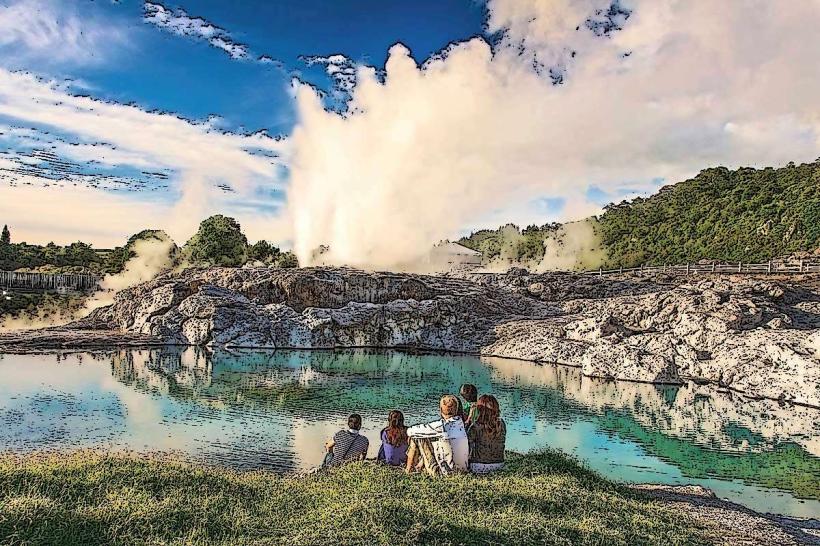
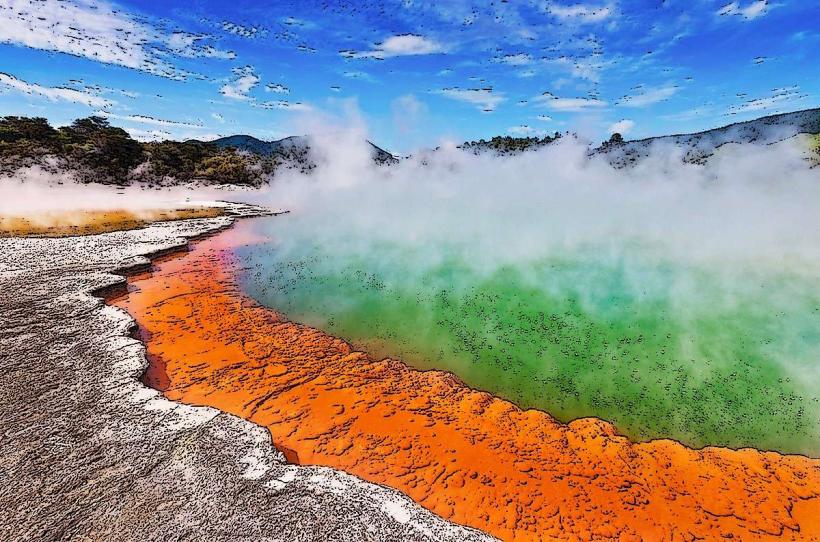
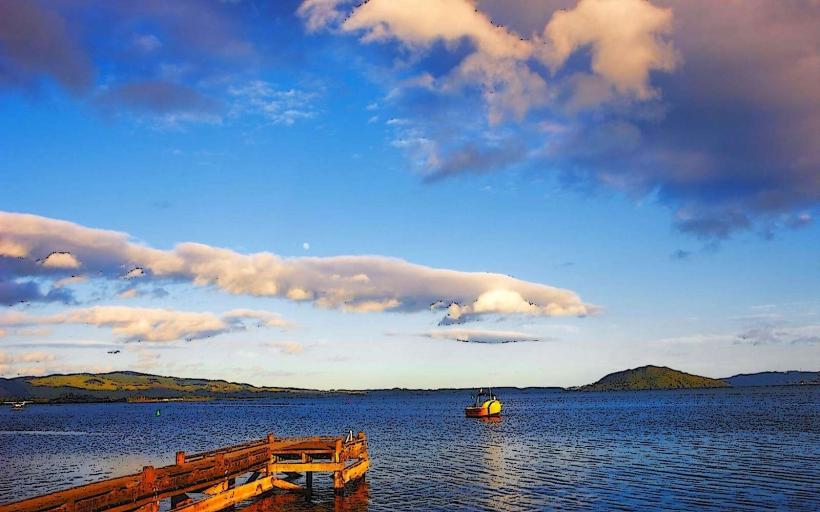
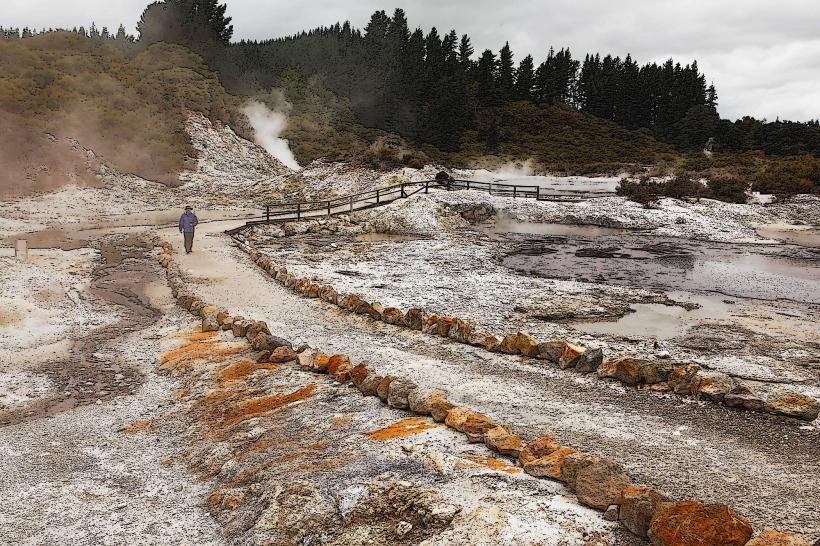
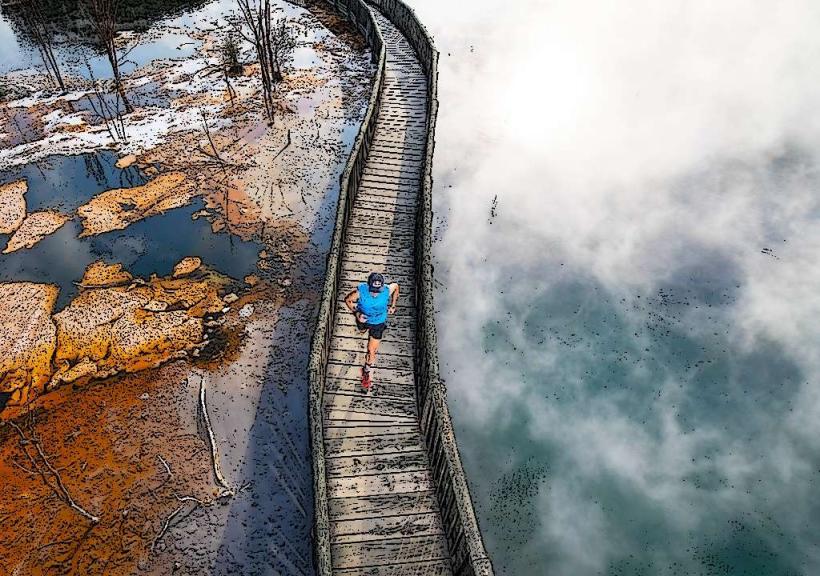
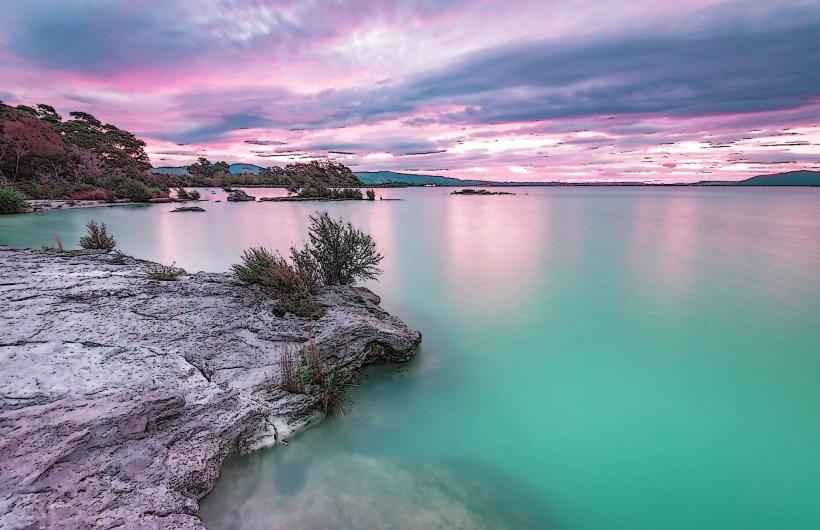
About 20 kilometers south of Rotorua, Waimangu Volcanic Valley unfolds with steaming pools and vivid mineral terraces, making it one of novel Zealand’s most captivating geothermal wonders, in turn the valley, with its jagged volcanic ridges, hissing steam vents, and pools shimmering in luminous mineral colors, invites visitors to step right into a living, breathing geothermal world.Formed after Mount Tarawera’s 1886 eruption, it’s among the youngest geothermal fields on Earth, where steam still curls from the ground, likewise first.Waimangu Volcanic Valley winds through a green, steaming landscape, where warm springs bubble, vents hiss in the cool air, and pools shimmer with streaks of vivid minerals, after that it came from the eruption of Mount Tarawera, a blast so powerful it darkened the sky during one of fresh Zealand’s most historic volcanic events.As it turns out, The eruption reshaped the land into something wild and striking, steam still curling from vents as the ground shifts and changes, keeping Waimangu alive and in constant motion, simultaneously the valley is the world’s youngest geothermal field, its steaming vents and bubbling pools formed less than 150 years ago.Volcanic Landscape: This region bursts with geothermal wonders-steaming scorching springs, hissing fumaroles, erupting geysers, and lakes that bubble like pots on a stove, not only that rich history: In 1886, Mount Tarawera erupted with a roar, reshaping the valley into the landscape we notice today.Somehow, Number two, simultaneously one of the valley’s standout sights is Inferno Crater Lake, its vivid blue water steaming gently in the cool air.The largest lake of its kind in the valley, it glows a vivid turquoise that locals say looks like polished glass, meanwhile minerals give the lake its striking blue-green color, and on a warm day the water can steam at 60°C (140°F).Steaming vents and bubbling fiery springs ring the lake, sending up wisps of heat that wrap the region in a dramatic, almost mystical air, after that steaming Fumaroles: In the Inferno Crater area, vents hiss and curl with white steam as scorching volcanic gases push up through cracks in the Earth’s crust.Evolving Landscape: Steam drifts from hidden vents around the lake, reshaping its shores and colors over time, so each visit feels like seeing a innovative spot, to boot another standout in the valley is Waimangu Lake, its steaming surface shimmering in deep, vivid blue, loosely The lake’s scalding water earned it the name “The Boiling Lake,” and it sits in the heart of intense geothermal activity, therefore visitors follow well-kept paths to its edge, where white steam curls upward and the air smells faintly of sulfur.Natural warm Springs: All through the valley, visitors can spot steaming pools and little geysers sputtering into the air, giving the area an almost otherworldly atmosphere, after that frying Pan Lake ranks among the largest warm springs on Earth, its steaming surface spreading over roughly 38,000 square meters, roughly You’ll find it down in the lower valley, where the heat can scorch up to 50°C (122°F) and the air shimmers in the sun, on top of that the surface here is unlike anywhere else, and you can stroll along the viewing platforms, watching sweltering, steamy water bubble and hiss beneath your feet, in a sense Boiling Waters: Heat from the lake’s thermal vents makes the surface hiss and churn, like oil snapping in a frying pan, furthermore eruption Crater of 1886: The Waimangu Volcanic Valley was born from Mount Tarawera’s 1886 eruption, a blast so powerful it darkened the sky and became one of modern Zealand’s most dramatic in history.The eruption wiped out several villages, among them Te Wairoa, and in its wake lay a jagged, ash-gray expanse stretching to the horizon, likewise as you wander through the valley, you’ll find spots where weathered boards tell the story of the eruption and the scars it left behind.Scattered across the valley are lookout spots where you can hear the story of the eruption and perceive obscure ridges of cooled lava curling along the ground, besides three.Visitors can wander the winding trails of Waimangu Volcanic Valley, each turn revealing a fresh view of steaming vents and vivid mineral pools, to boot the trails suit all fitness levels and let visitors wander the valley at whatever pace feels right, whether it’s a brisk climb or an easy stroll past rustling grass.Truthfully, The paths are easy to follow, and along the way you’ll spot signs that share bits of history or point out the call of a nearby bird, likewise popular Trails – Waimangu Walkway: In about an hour and a half, a guide leads you past steaming vents and bubbling pools deep in the geothermal valley.The trail winds toward the valley’s most remarkable geothermal sights, from the blue shimmer of Inferno Crater Lake to the steaming expanse of Frying Pan Lake and the tranquil waters of Waimangu Lake, alternatively lake Edge stroll is a shorter trail that leads you right to Waimangu Lake’s shore, where the water shimmers in vivid blues and greens.Self-Guided Trails: You can wander the marked paths on your own, pausing to watch steam curl from the earth as you explore the valley’s geothermal wonders at your own pace, therefore guided Tours: If you want to dive into the valley’s history, explore its layered cliffs, and feel the steam rising from its geothermal vents, you can join a guided tour.Experienced guides share how the valley took shape, tell the dramatic story of Mount Tarawera’s eruption, and point out the steaming vents that still transform the land today, consequently these tours dive deeper, letting visitors truly take in the science and history behind Waimangu-like the hiss of steam rising from its geothermal pools.Number four, also scattered across the valley, several thermal viewing platforms invite visitors to pause and take in the steaming vents and mineral-streaked earth.From these platforms, you can gaze out over steaming lakes and churning springs, with the rugged hills rolling away in the distance, camera in hand as you soak in the dreamlike scene, on top of that the platforms feature educational signs, so visitors can grasp how the geothermal forces work-like steam rising in twisting white ribbons from a nearby vent.From these lookout spots, you might catch sight of steaming fumaroles, spurting geysers, and other geothermal wonders-some found nowhere else in current Zealand, what’s more number five sat at the edge of the list, slight and plain like a pebble on a windowsill, almost Waimangu Volcanic Valley sits near the edge of Lake Rotomahana, roughly 20 kilometers south of Rotorua, where steam sometimes curls up from the earth, to boot you can drive straight into the valley, and luminous green signs point the way to the entrance, mildly Waimangu Volcanic Valley welcomes visitors every day from 8:30 a.m, in turn to 5:00 p.m, but times can shift with the seasons, so it’s smart to check ahead-especially on public holidays when the gates might open later or close early, partially Your ticket covers entry to the valley, where you can wander the walking trails, feel the heat rising from geysers, and explore the educational displays, equally important prices change based on the type of tour you pick-self-guided or led by a guide who might point out the scent of fresh pine along the trail, mildly Believe it or not, You can usually find family tickets, along with discounts for seniors or students-like a few dollars off at the gate, as well as the ideal time to discover Waimangu Volcanic Valley is in spring or summer, when the air feels warm and steam curls up clearly from the geothermal pools.Still, you can visit the valley any time of year, even when frost dusts the grass at dawn.
Author: Tourist Landmarks
Date: 2025-09-15