Information
Landmark: Angel FallsCity: Canaima National Park
Country: Venezuela
Continent: South America
Angel Falls, Canaima National Park, Venezuela, South America
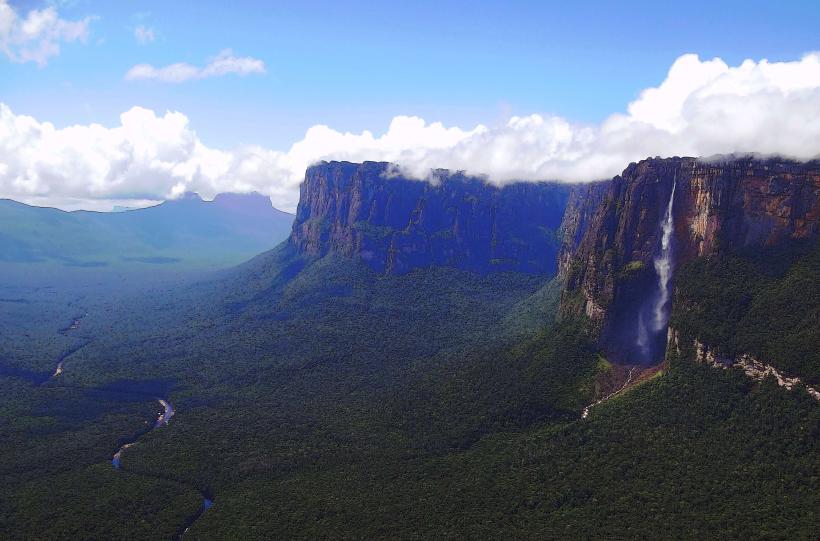
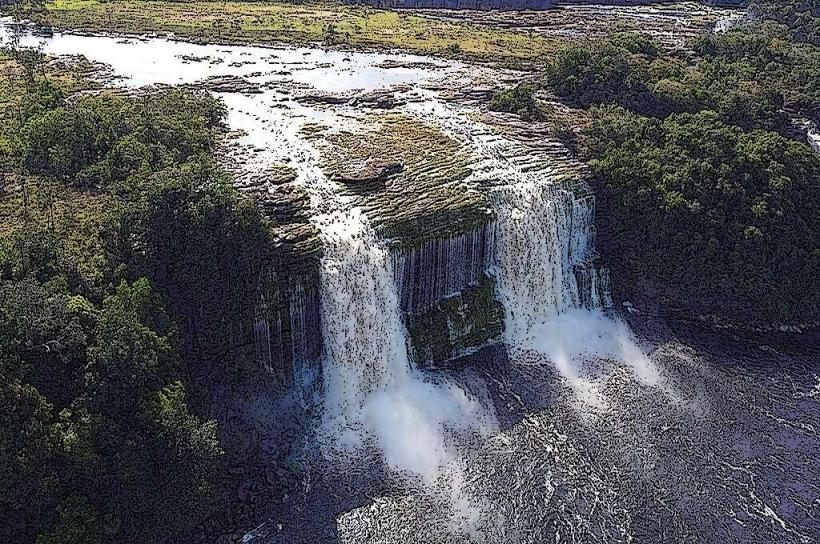
Angel Falls is the world's tallest uninterrupted waterfall, located in Canaima National Park, Venezuela.
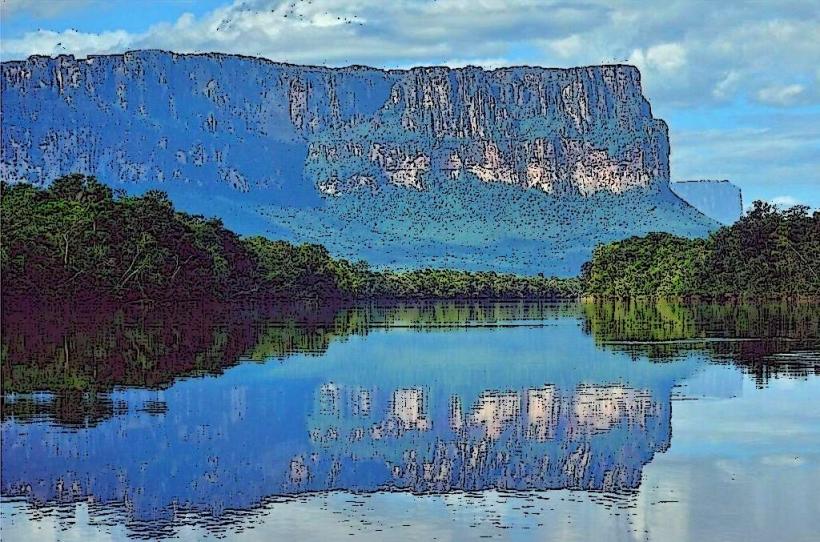
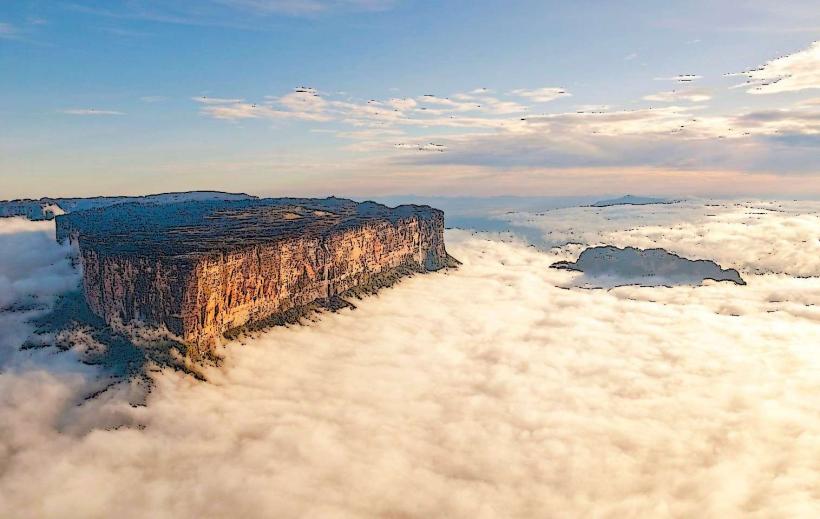
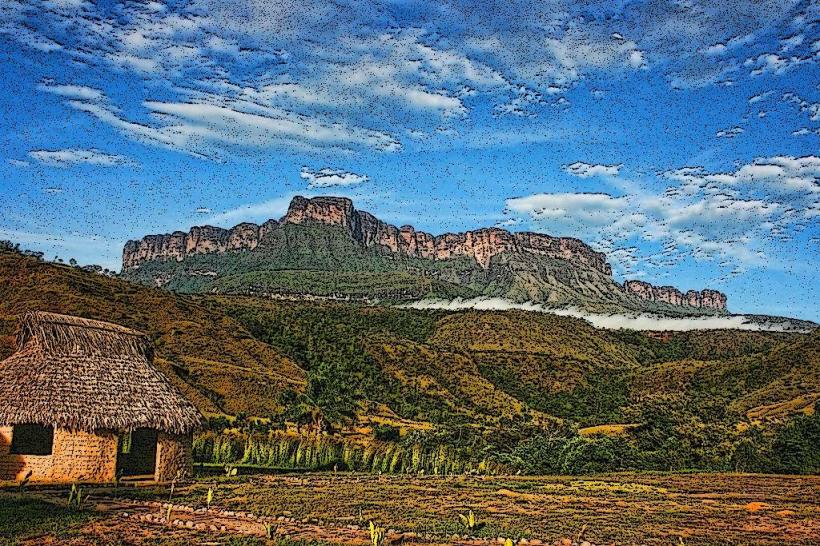
It plunges from the Auyán-tepui tabletop mountain.
Visual Characteristics
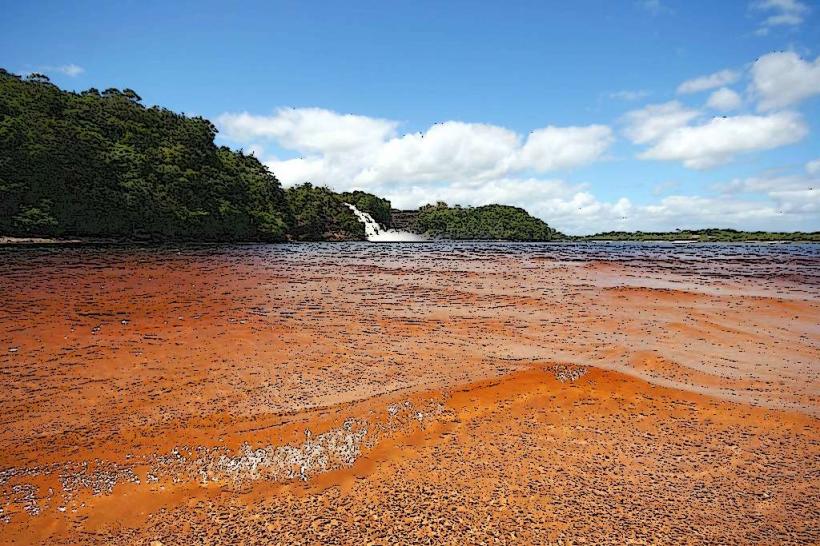
The waterfall consists of a primary plunge of approximately 807 meters (2,648 feet) from the edge of the tepui. The water then cascades down a further 400 meters (1,300 feet) over a series of rapids and smaller drops, creating a total drop of 979 meters (3,212 feet). The water is a light brown color due to sediment carried from the tepui. The surrounding vegetation is dense tropical rainforest.
Location & Access Logistics
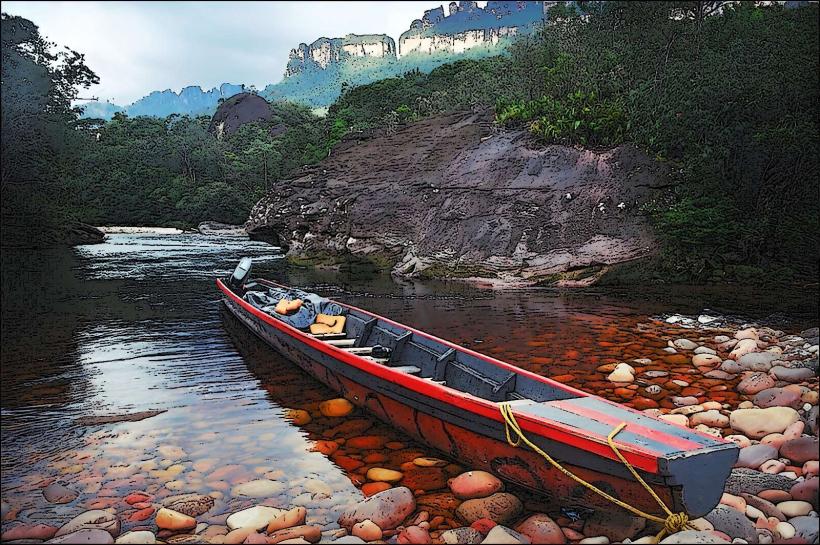
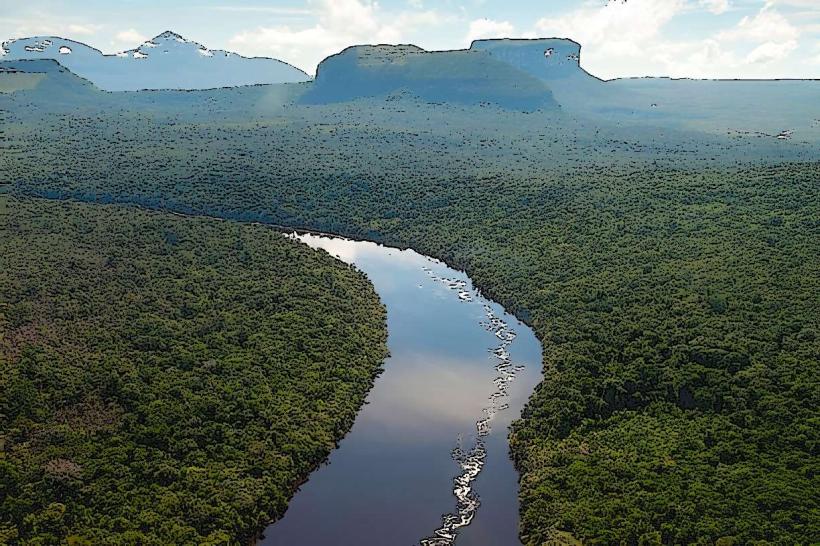
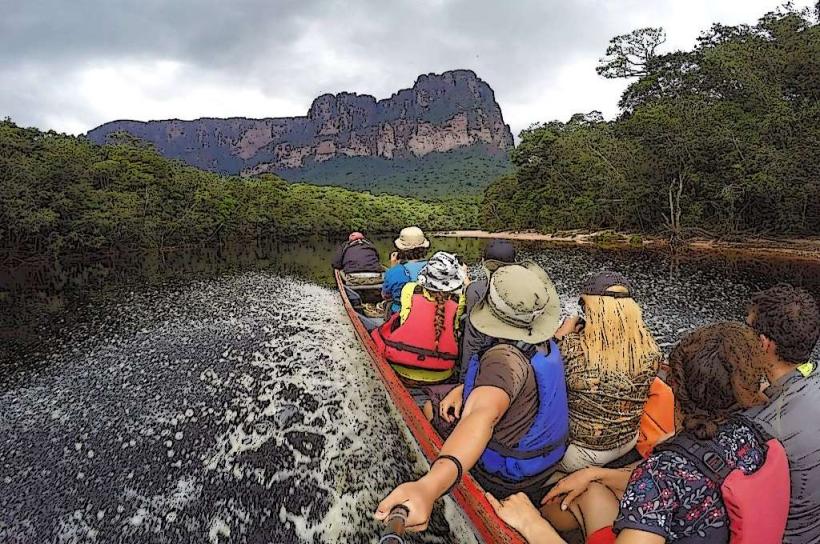
Angel Falls is situated in the remote Gran Sabana region of Canaima National Park. Access is exclusively via air and river. The nearest town with an airport is Canaima, which is reached by flights from Caracas or Puerto Ordaz. From Canaima village, the falls are accessible by motorized dugout canoe (curiara) along the Carrao and Churún rivers. This river journey takes approximately 4-5 hours, depending on river levels. The final approach involves a hike of about 1 hour through dense jungle to a viewpoint at the base of the falls.
Historical & Ecological Origin
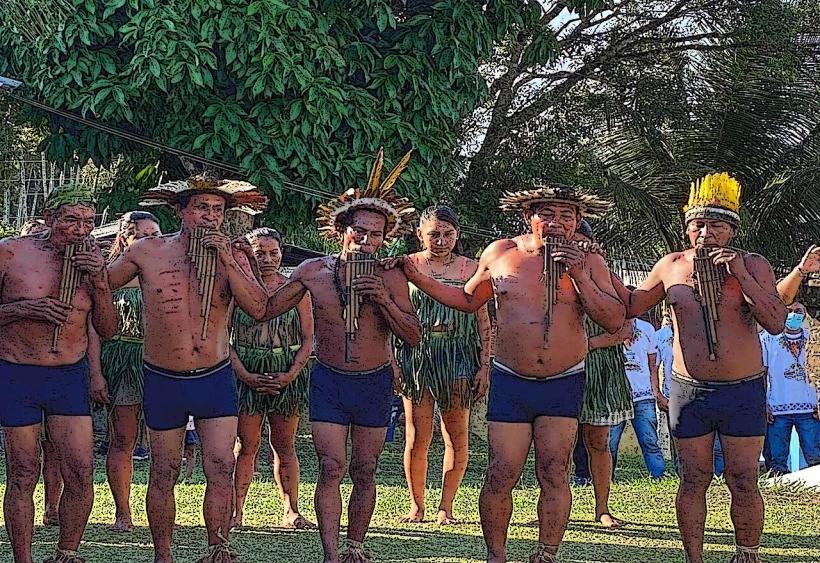
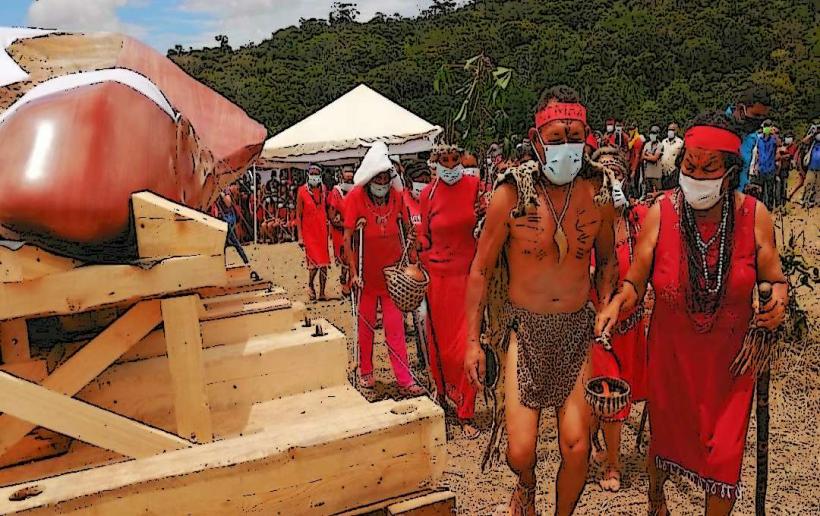
Angel Falls is a natural geological formation. The Auyán-tepui, from which the falls descend, is a sandstone mesa formed during the Precambrian era. The erosion of the surrounding landscape over millions of years has isolated these tepuis. The falls were named after American aviator Jimmie Angel, who flew over them in 1933 while searching for gold. The indigenous Pemón people have known of the falls for centuries and refer to it as Kerepakupai Merú, meaning "waterfall of the deepest place."
Key Highlights & Activities
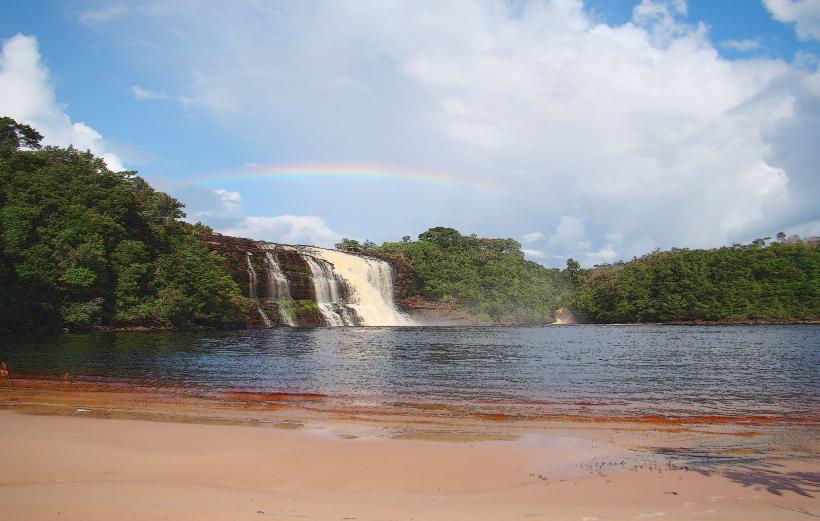
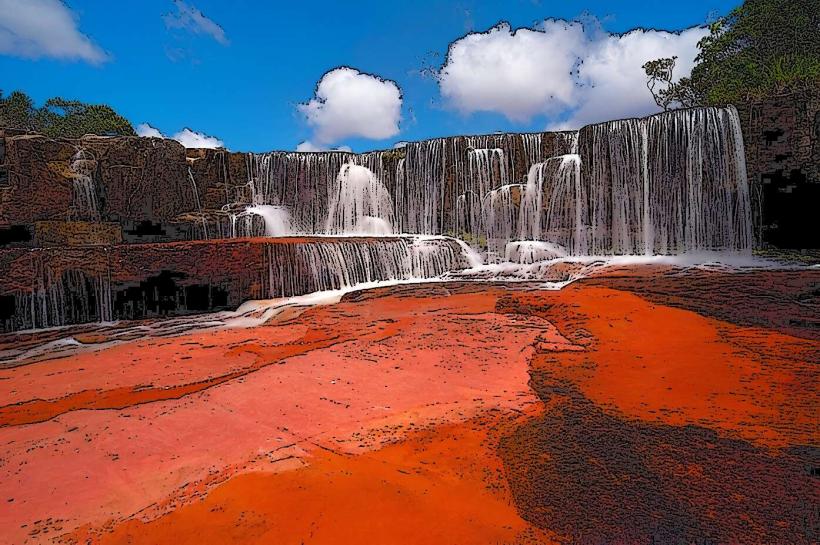
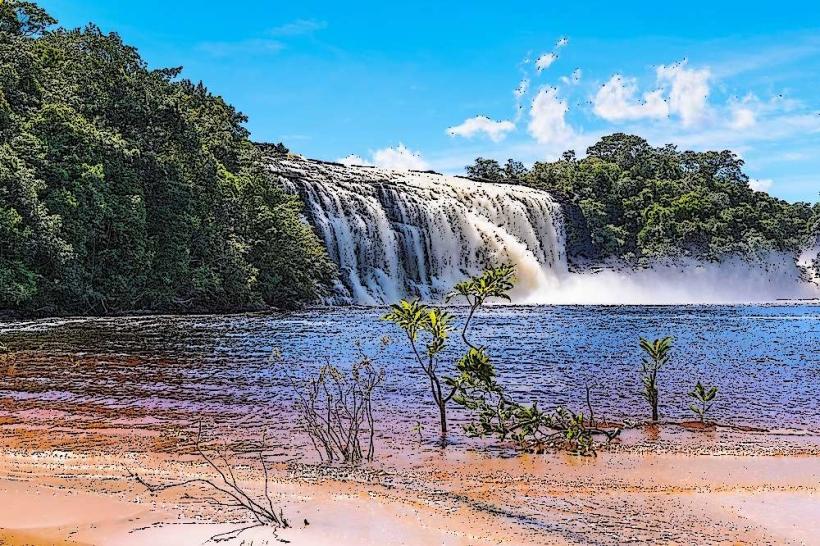
The primary activity is viewing the waterfall from the designated viewpoint at its base. Boat trips to and from Canaima village offer views of the surrounding landscape and other smaller waterfalls. Swimming is possible in designated areas of the river during the dry season, away from the main currents. Photography is a significant activity for visitors.
Infrastructure & Amenities
Basic facilities are available at the viewpoint, including a simple shelter and a designated area for resting. There are no permanent food vendors at the falls; visitors typically bring their own provisions. Restrooms are rudimentary. Cell phone signal is generally absent in the area. The river journey and the jungle hike are the main logistical challenges.
Best Time to Visit
The best time to visit is during the rainy season, from May to November, when the water flow is at its highest, ensuring a powerful spectacle. During the dry season (December to April), the falls can be significantly reduced, sometimes appearing as a thin stream. The best time of day for photography is generally mid-morning when the sun is higher, though cloud cover is common. High tide is not a relevant factor for visiting the falls themselves, but river levels are critical for canoe access.
Facts & Legends
The sheer height of Angel Falls means that much of the water atomizes into mist before reaching the base, creating a constant spray that can be felt for kilometers. The tepui from which it falls, Auyán-tepui, is one of the largest of Venezuela's tabletop mountains, covering an area of approximately 669 square kilometers (258 square miles).
Nearby Landmarks
- Canaima Lagoon (0.1km West)
- Sapo Falls (1.5km West)
- Hacha Falls (2.0km West)
- Uruyén (15km North)
- Auyán-tepui summit (access restricted, 10km North)