Information
Landmark: Río TöpöCity: Canaima National Park
Country: Venezuela
Continent: South America
Río Töpö, Canaima National Park, Venezuela, South America
Río Töpö is a river located within Canaima National Park in Venezuela. It is a tributary of the Carrao River.
Visual Characteristics
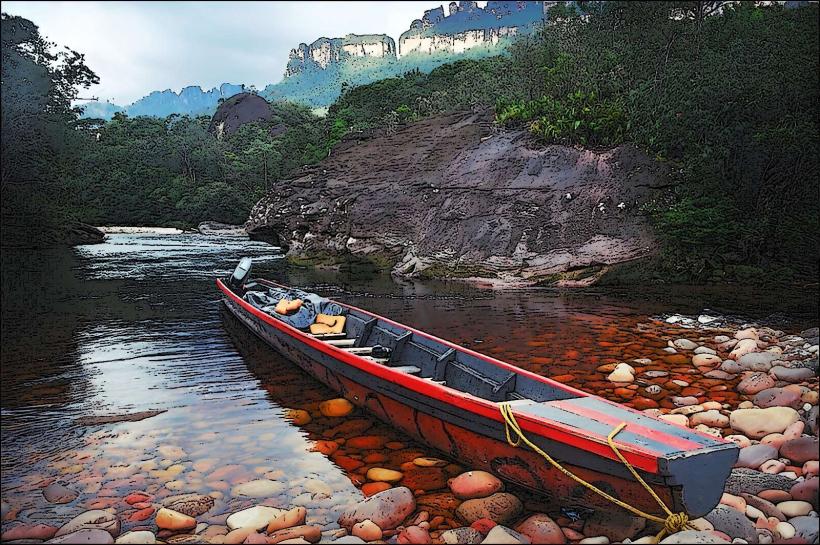
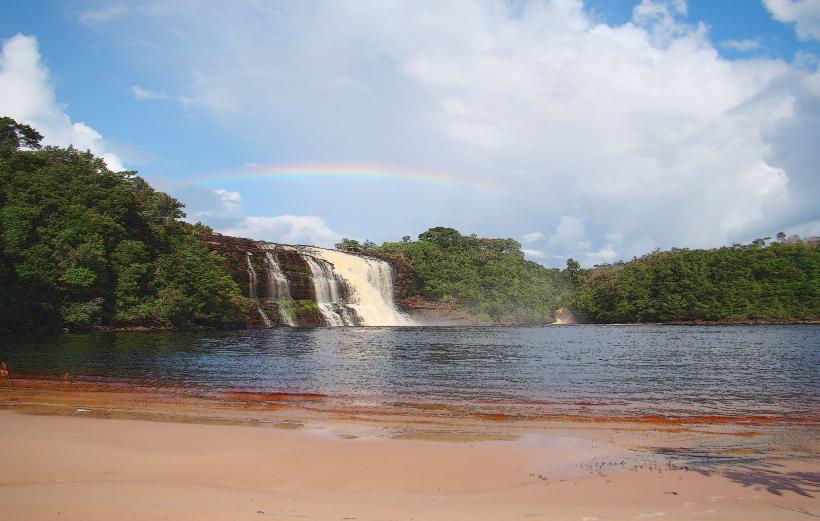
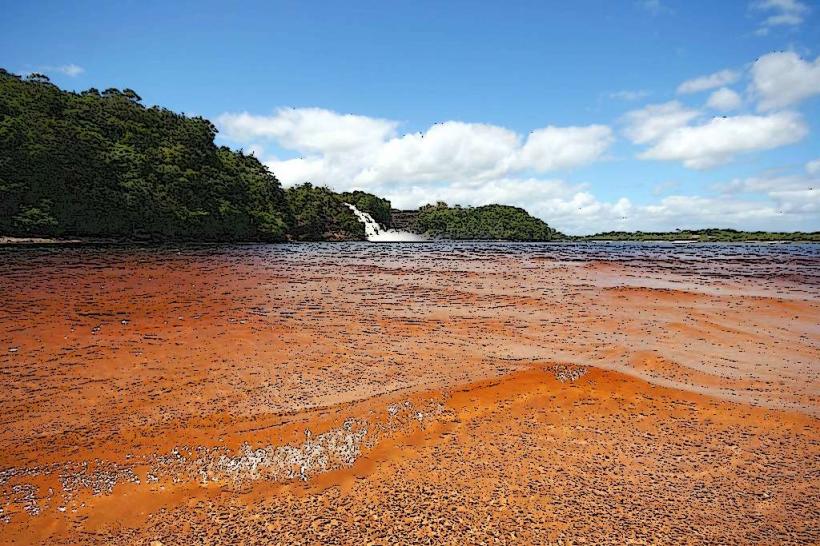
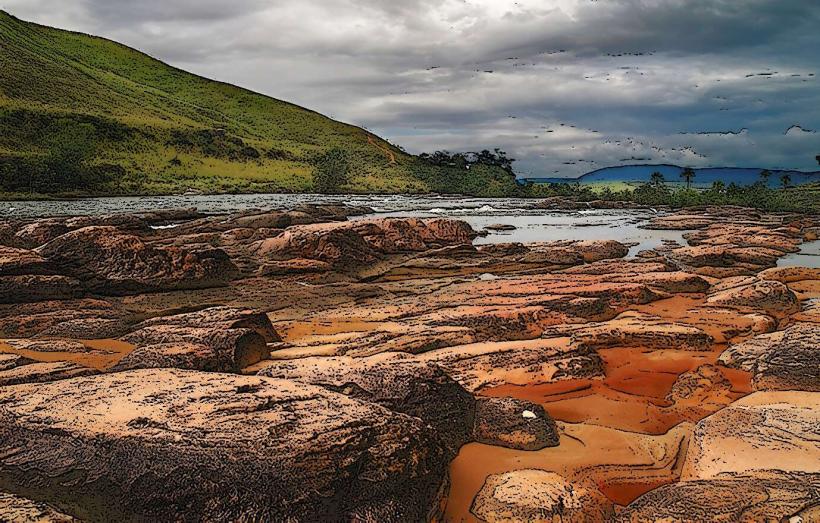
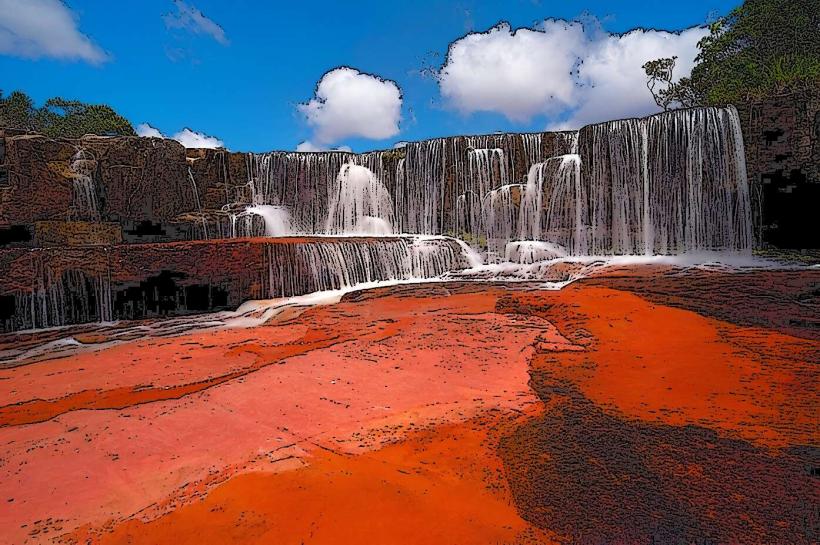
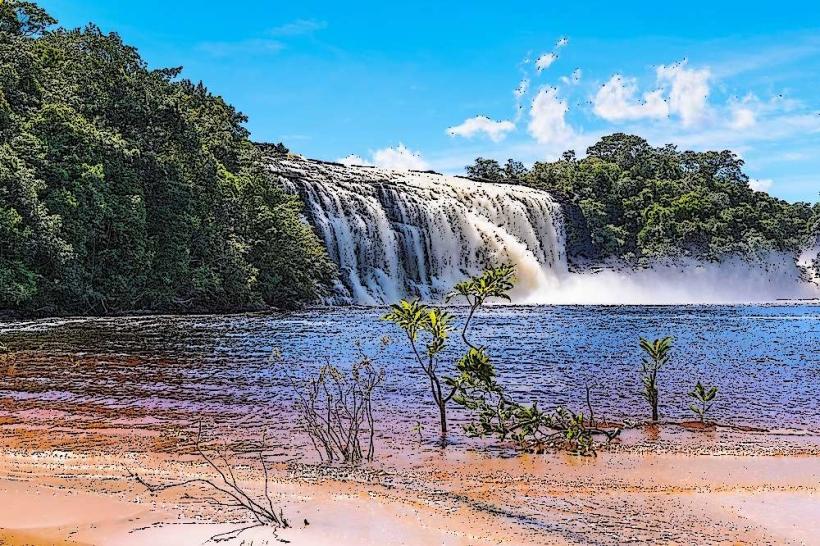
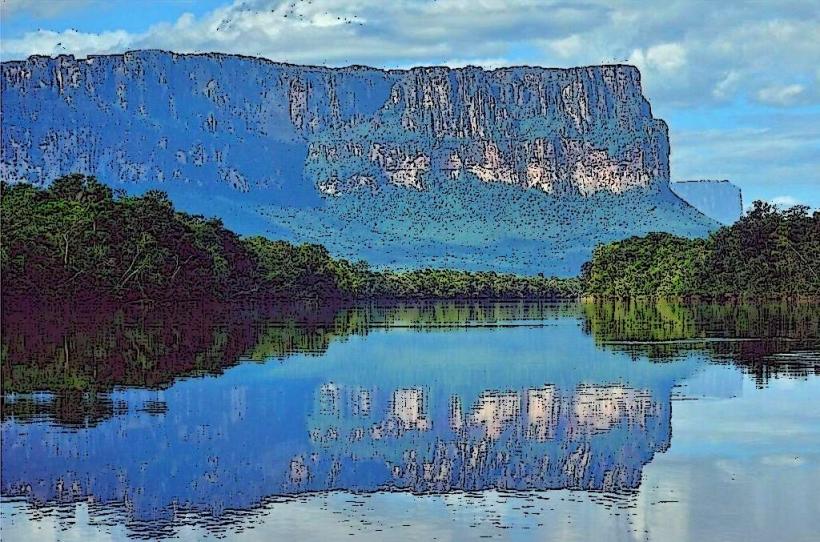
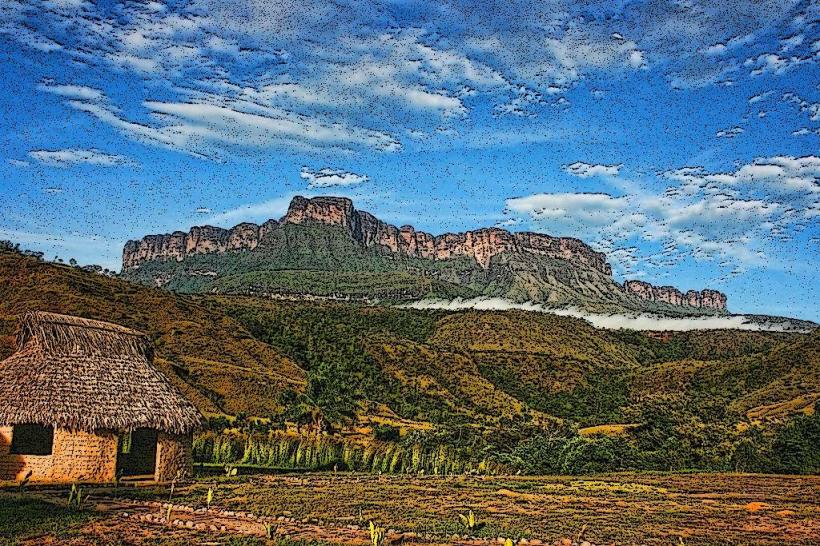
The river exhibits water with a reddish-brown hue due to the high concentration of tannins leached from decaying vegetation. The riverbanks are characterized by dense tropical rainforest vegetation, including various species of trees, ferns, and epiphytes. Rock formations, primarily sandstone, are visible along sections of the riverbed and banks.
Location & Access Logistics
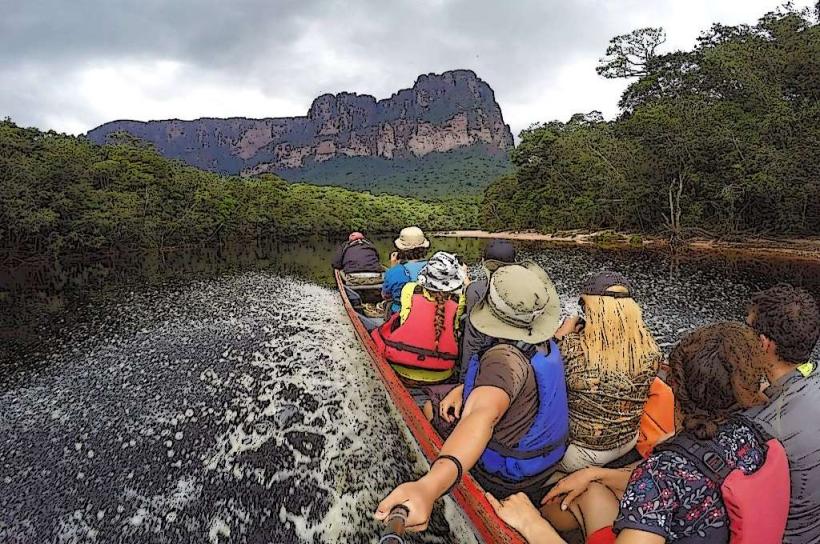
Río Töpö is situated in the southern sector of Canaima National Park. Access is primarily via dugout canoe (curiara) from Canaima village. The journey involves navigating the Carrao River and then entering the Río Töpö. There are no direct road connections. Parking is not applicable as access is water-based.
Historical & Ecological Origin
The river's origin is geological, formed by erosion of the Guiana Shield's ancient sandstone formations. Ecologically, it is part of the Amazon rainforest biome, supporting a diverse range of flora and fauna adapted to the acidic, nutrient-poor blackwater environment.
Key Highlights & Activities
Canoe expeditions along the river are the primary activity. These expeditions often include stops for swimming in designated safe areas and observing the surrounding rainforest. Birdwatching is a significant activity due to the high biodiversity.
Infrastructure & Amenities
Basic infrastructure is limited to what tour operators provide, typically including dugout canoes. Restrooms are generally not available along the river itself; facilities are found at Canaima village. Shade is provided by the dense forest canopy. Cell phone signal is unreliable to non-existent.
Best Time to Visit
The dry season, from December to April, offers lower water levels which can expose more of the riverbed and banks, potentially aiding in navigation and observation. The wet season, from May to November, results in higher water levels, making navigation easier but potentially obscuring some geological features. Photography is best during daylight hours, with early morning and late afternoon offering softer light.
Facts & Legends
The reddish color of the water is a natural phenomenon caused by the decomposition of organic matter, particularly leaves and wood, which releases tannins. This process is common in many blackwater rivers in the Amazon basin.
Nearby Landmarks
- Canaima Lagoon (15km Northwest)
- Salto El Sapo (18km Northwest)
- Salto El Duende (19km Northwest)
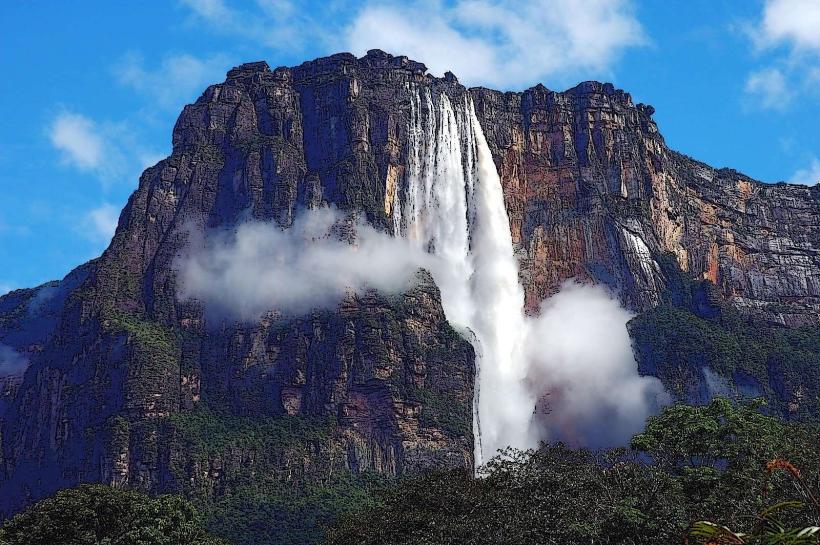
- Auyán-tepui (30km North)