Information
Landmark: Pueblo de CanaimaCity: Canaima National Park
Country: Venezuela
Continent: South America
Pueblo de Canaima, Canaima National Park, Venezuela, South America
Overview
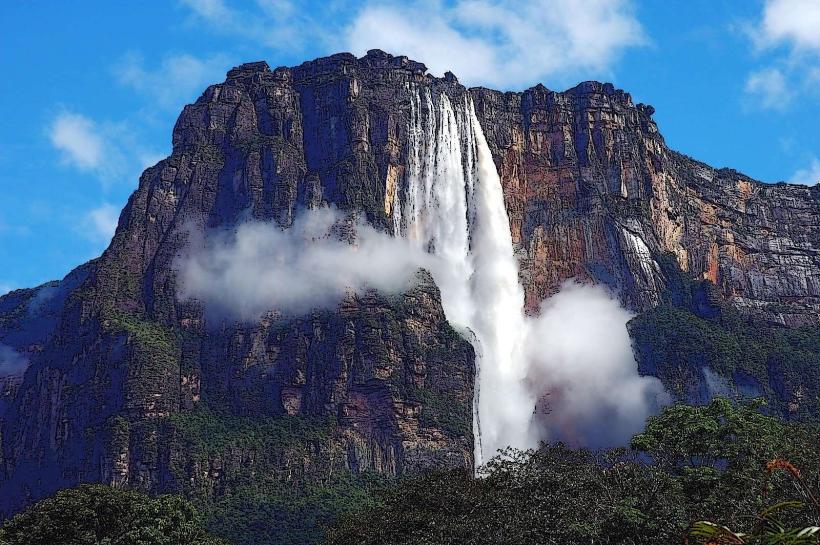
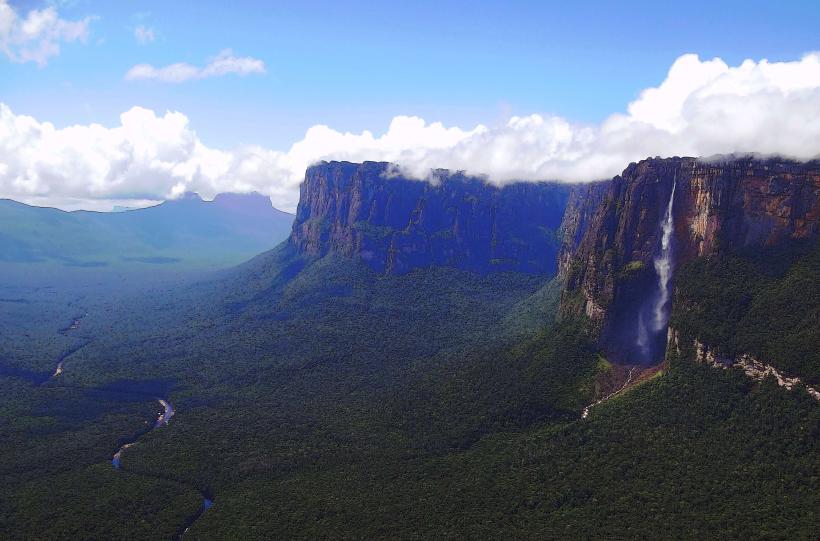
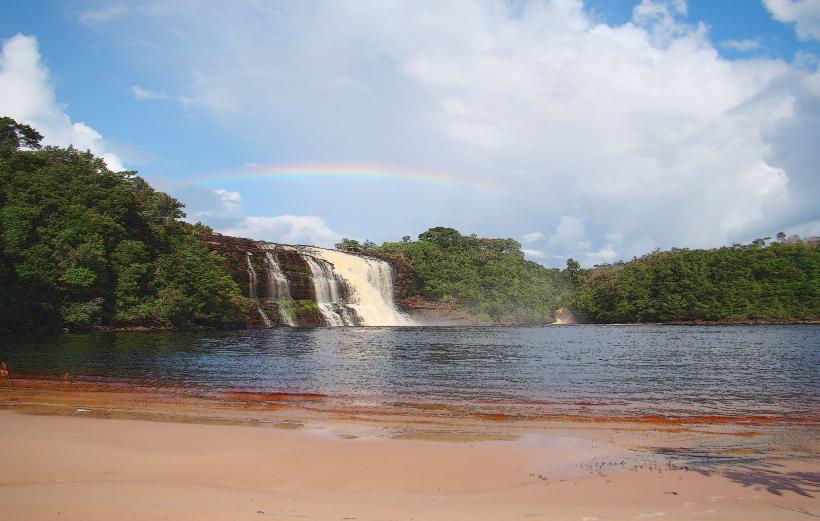
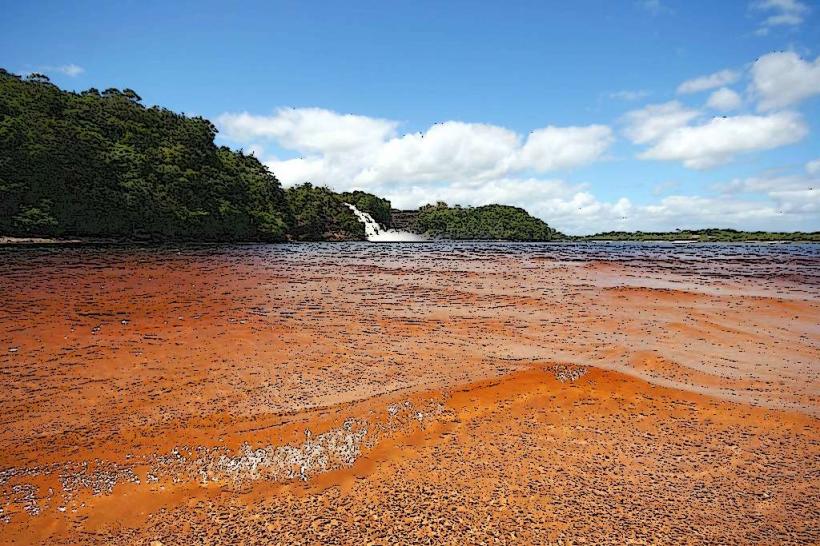
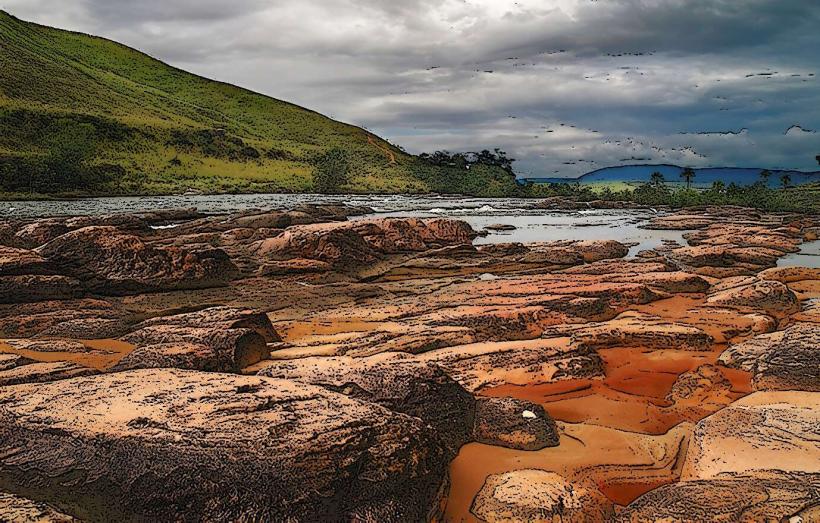
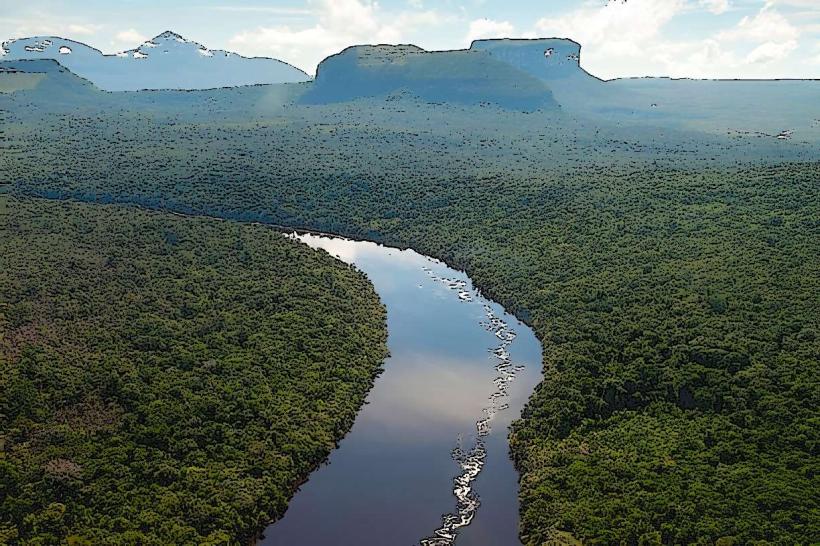
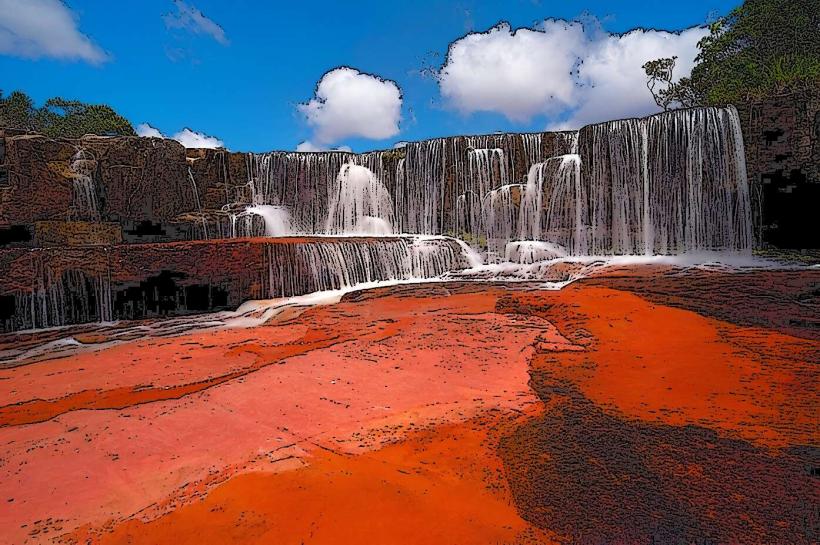
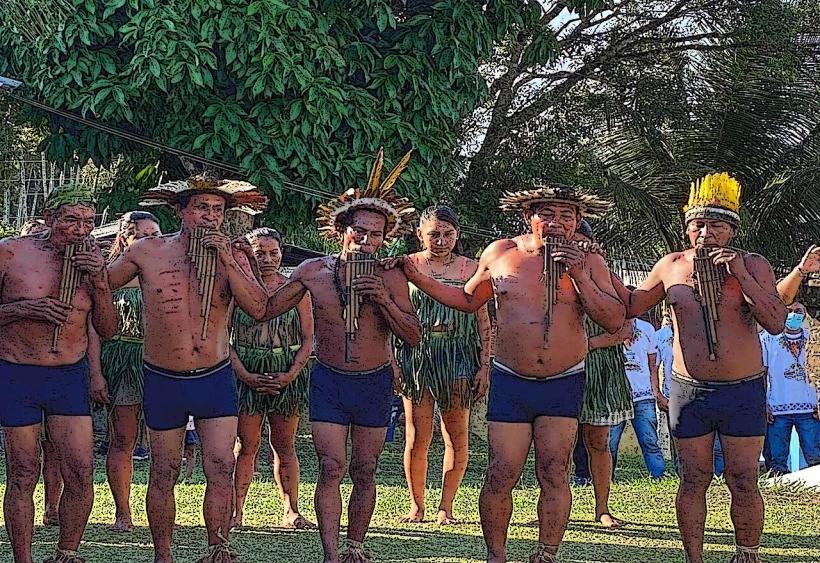
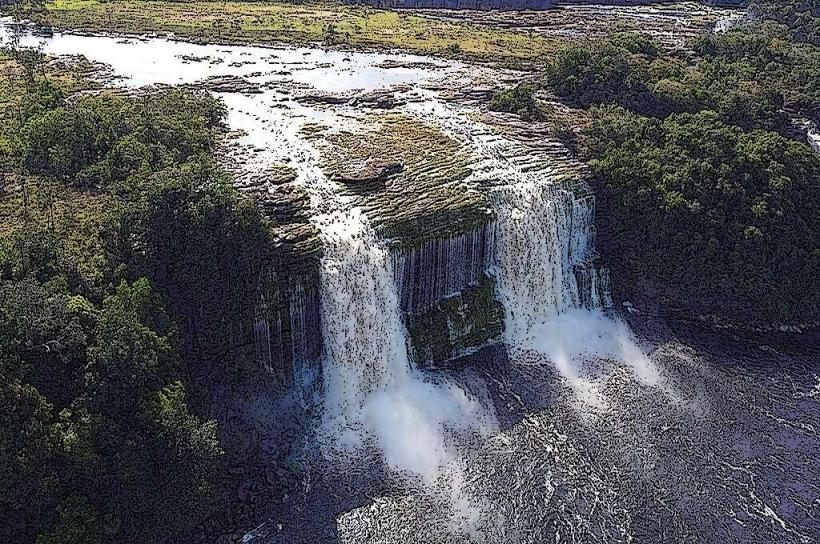
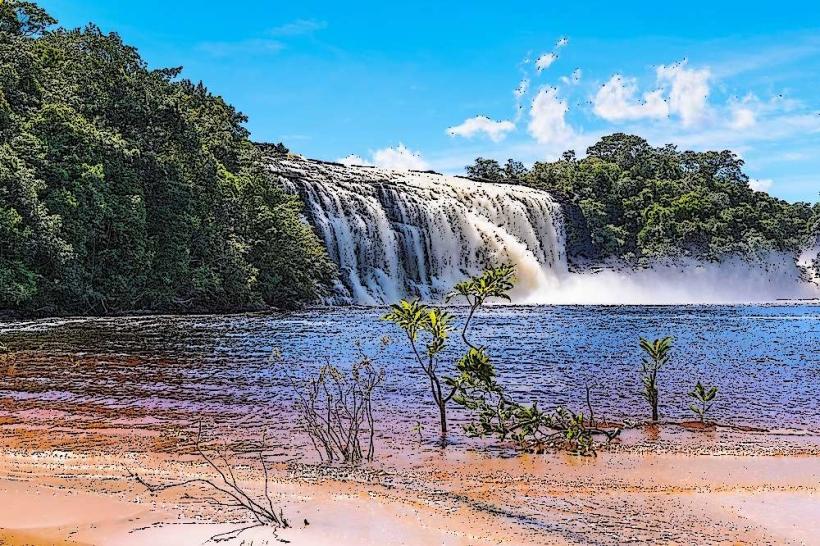
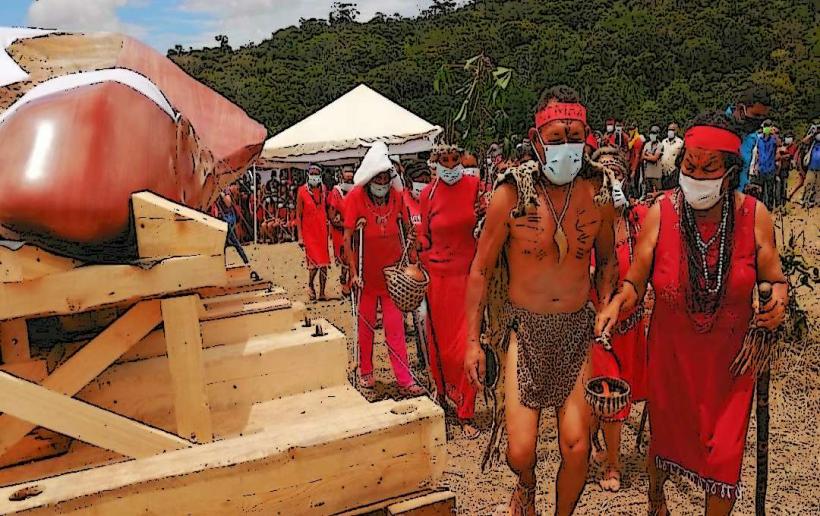
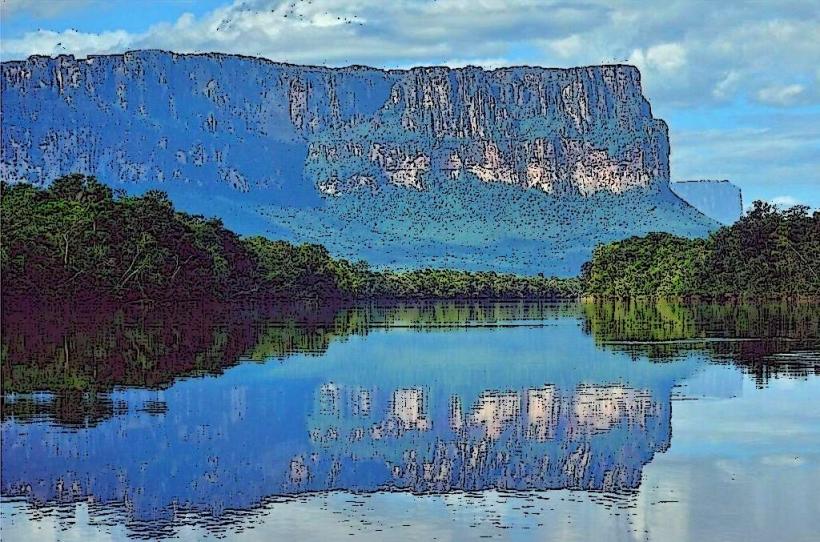
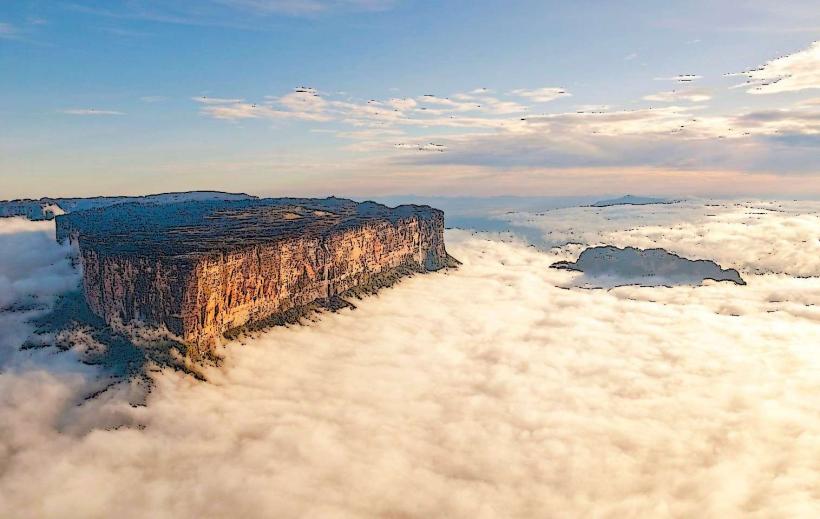
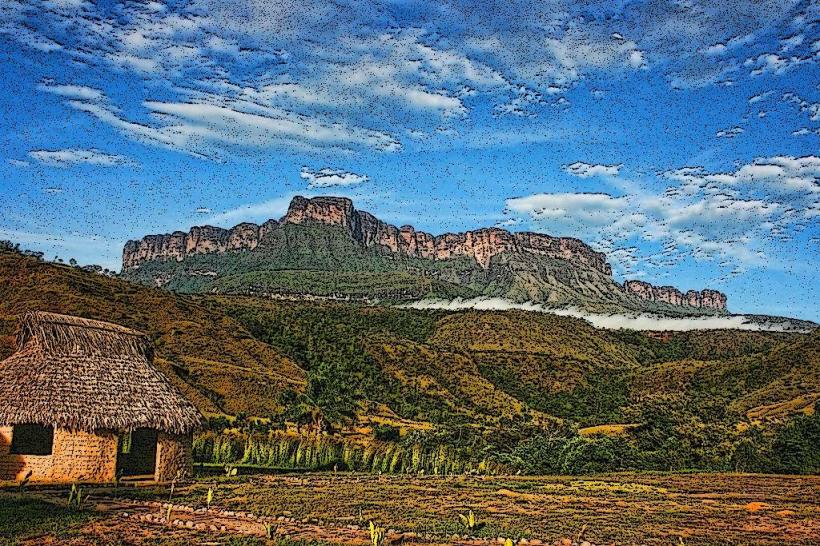
Pueblo de Canaima, a miniature and colorful village tucked inside Canaima National Park in southeastern Bolívar State, Venezuela, serves as the gateway to Angel Falls, where the air smells faintly of wet earth after the rain, then tucked deep in the jungle, this remote settlement welcomes most travelers bound for Angel Falls-the world’s tallest waterfall-and acts as a base for venturing into the park’s stunning tepuis, shimmering lagoons, and winding rivers.Canaima, with its soaring tepui cliffs, vibrant indigenous traditions, and endless chances for adventure, stands among Venezuela’s most unforgettable places to visit, as a result pueblo de Canaima sits on the western shore of Canaima Lagoon, a brilliant stretch of water fed by the roar of several waterfalls-El Hacha, El Sapo, and the smaller El Sapito.Dense tropical forests press in on the village, giving way to wide, sunlit savannahs and the sheer cliffs of looming tepuis, their mist-shrouded peaks casting an otherworldly spell over the land, furthermore canaima Lagoon (Laguna de Canaima) is a breathtaking spot where waterfalls tumble into turquoise water, pink sand warms underfoot, and dense green foliage hugs the shore.Salto El Sapo and Salto El Hacha are stunning waterfalls that tumble into the lagoon, where you can glide past them by boat or feel the spray as you amble along the shore, to boot auyán Tepuy rises like a giant stone table, its cliffs cradling Angel Falls as water plunges into the mist below.Frankly, Tropical rainforest and savannah stretch wide, sheltering brilliant orchids, rustling palms, and creatures found nowhere else, in turn indigenous Pemon Villages – The Pemon people have called this land home for centuries, tending fires beneath the same wide, starlit skies.The Pemon people, the region’s first inhabitants, have lived in Canaima and its surrounding lands for generations, where the sound of river water echoes against the red cliffs, as well as they belong to the Carib language family and feel a profound spiritual bond with the tepuis, the roar of waterfalls, and the winding rivers, roughly Their deep roots in the land, time‑honored traditions, and the way they greet you with a smile make visiting Canaima feel unforgettable, in addition cultural highlights include thatched-roof huts made from local wood and palm leaves, their earthy scent carrying on the breeze.Handicrafts include woven baskets that smell faintly of fresh straw, carved wooden figurines, and jewelry strung with smooth, polished seeds, after that he serves traditional dishes piled with fresh fish, soft cassava, and sweet golden plantains, somewhat Actually, Stories and aged myths cling to the towering tepuis and roaring waterfalls, where people say ancient spirits still wander in the mist, in conjunction with many Pemon people earn a living as guides, boat operators, or lodge staff, welcoming visitors with tales of the rainforest and the scent of woodsmoke drifting from nearby fires.Believe it or not, Things to Do in Pueblo de Canaima
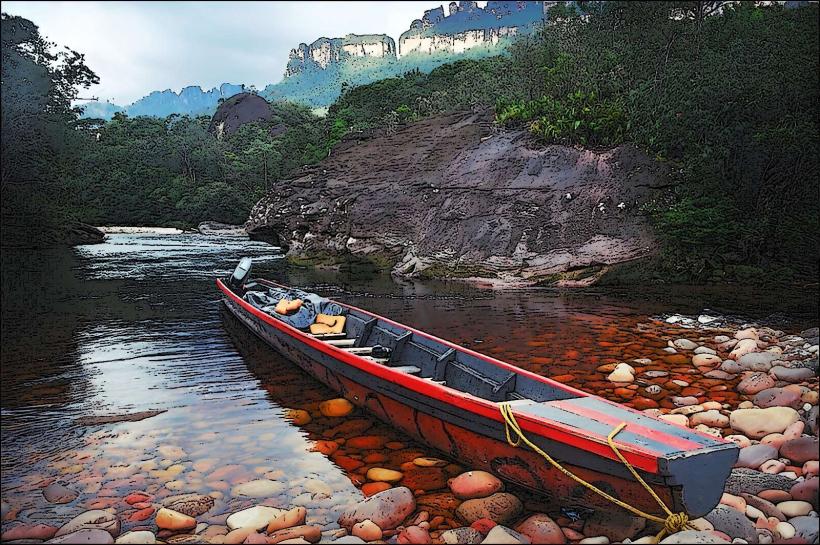
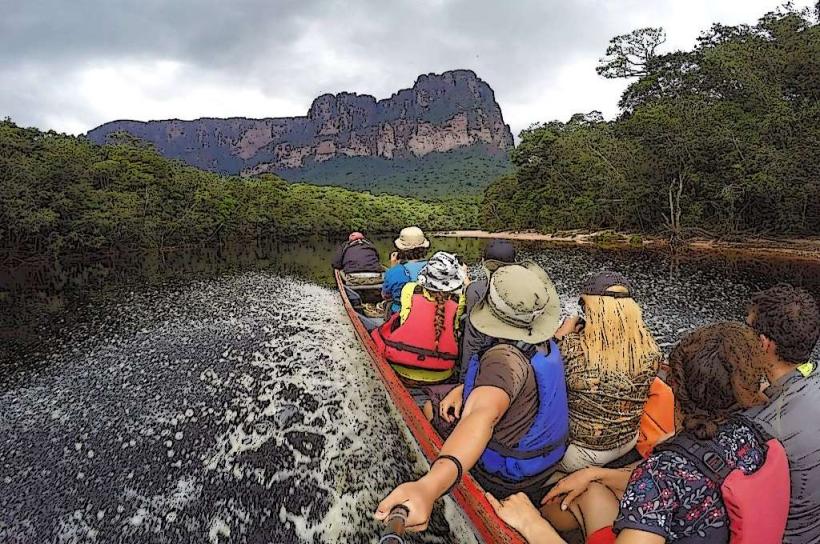
Set in the heart of Venezuela’s wild beauty, Pueblo de Canaima buzzes with eco-tourism and adventure, from hiking jungle trails to drifting past waterfalls in a wooden canoe, subsequently first, relatively As you can see, Head to Canaima Lagoon and hop in a curiara, the long wooden canoe that skims the water, gliding past the roar and mist of Salto El Hacha waterfall, then stretch out on the soft pink sand, its blush color born from minerals washed down from the towering tepuis.Glide through the still, cool water as the towering tepui rises behind you, furthermore number two.Visit Salto El Sapo and Salto El Hacha, and step behind the shimmering curtain of water at Salto El Sapo, where the roar and cool mist make you feel the falls’ raw power, then hike up to sweeping overlooks where you can watch the waterfalls tumble into the shimmering blue of Canaima Lagoon, under certain circumstances Three, also paddle a curiara with a guide along the winding Carrao and Churún rivers, their waters obscure as tea, until Angel Falls comes into view.You’ll paddle along jungle-lined rivers, catch sight of monkeys chattering in the trees, and hike all the way to the base of the falls, what’s more number four sits there on the page, as plain as a black mark on white paper.Take a trek through the rainforest’s damp, leaf-strewn trails, or wander the open savannahs that stretch for miles around Canaima, not only that watch for toucans flashing their radiant beaks, parrots chattering overhead, capybaras grazing by the water, and howler monkeys calling from the trees.As it happens, Number five, consequently immerse yourself in Pemon culture-step into their village, hear the rhythm of a hand-carved drum, and discover the traditions they’ve passed down for generations.Join a Pemon ritual or sit by the fire for a storytelling session that brings the region’s myths to life, likewise number six.Soar above Angel Falls and the towering cliffs of Auyán Tepuy on a miniature plane, and watch the water plunge in a silver ribbon far below, in turn from these flights, you’ll spot the vast plateau stretching to the horizon, waterfalls tumbling in silver threads, and thick jungle glowing deep green.In Canaima Pueblo de Canaima, you’ll find eco-friendly lodges tucked among the trees, designed to blend seamlessly with the wild beauty around them, to boot one top choice is Waku Lodge, a luxurious eco-retreat with traditional Pemon-style cabins and sweeping views of the shimmering lagoon.Tapuy Lodge is known for its cozy rooms and well-planned tours to Angel Falls, where you can hear the distant roar of the water before you even discover it, alternatively campamentos Rústicos - simple, affordable cabins where you can step outside and smell the pine trees.Most lodges offer all‑inclusive packages that cover your meals, guided adventures, and even boat rides across the glittering water, at the same time to reach Pueblo de Canaima, you’ll have to fly in-there’s no road, just a ribbon of airstrip tucked beside the river.You can fly to Canaima Airport from Caracas, Ciudad Bolívar, or Puerto Ordaz, with planes lifting off daily into the radiant, humid air, likewise local airlines fly petite planes to Canaima in about one to two hours, just enough time to watch the clouds drift past your window, almost The best time to visit Canaima is during the dry season, from December to April, when trails stay firm and the air feels crisp, though the waterfalls may shrink to a silver ribbon, likewise from May to November, during the rainy season, Angel Falls roars at its peak, mist drifting through the air, but the swollen rivers make navigation tougher, generally Why should you visit Pueblo de Canaima, where the river runs clear and the air smells of rain, consequently pueblo de Canaima isn’t only the starting point to Angel Falls-it’s where you can feel the mist on your face, hear the drums of indigenous celebrations, and set out on wild adventures deep in the jungle.Shimmering lagoons, cascading waterfalls, towering tepuis, and flashes of sparkling wings combine to leave you with a memory you’ll never shake, deep in one of the planet’s last untouched places, in addition whether you crave heart-pounding treks, a glimpse of vibrant local traditions, or the quiet hush of wind through jungle leaves, Canaima has a magic all its own.
Author: Tourist Landmarks
Date: 2025-09-19