Information
Landmark: Parque Nacional MacaraoCity: Canaima National Park
Country: Venezuela
Continent: South America
Parque Nacional Macarao, Canaima National Park, Venezuela, South America
Parque Nacional Macarao is a protected area located within Canaima National Park in Venezuela.
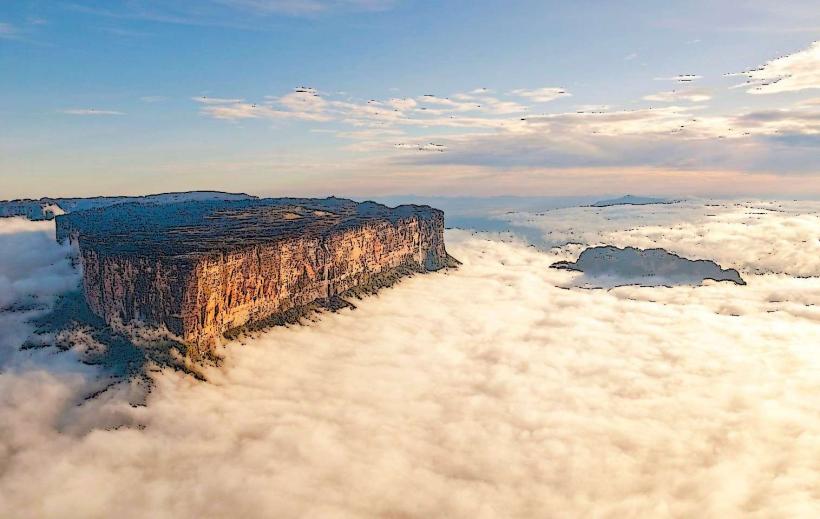
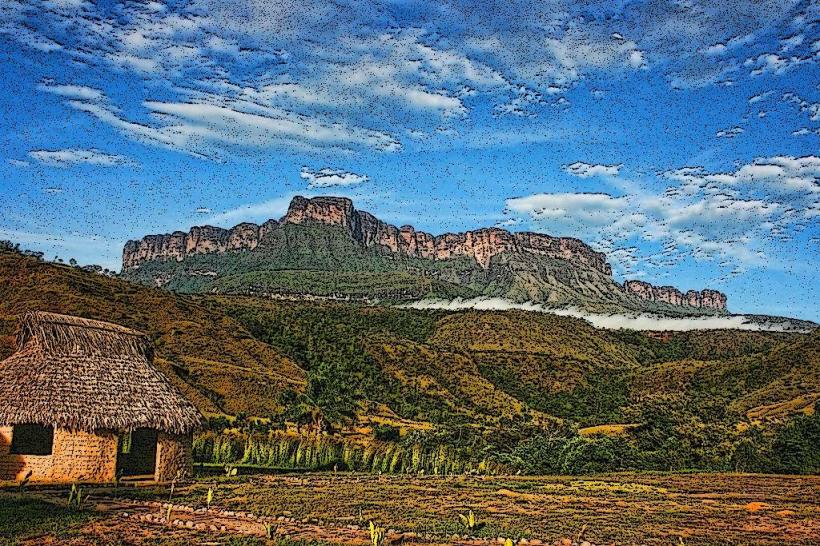
This national park encompasses a significant portion of the Guiana Highlands, characterized by its tepuis and diverse ecosystems.
Visual Characteristics
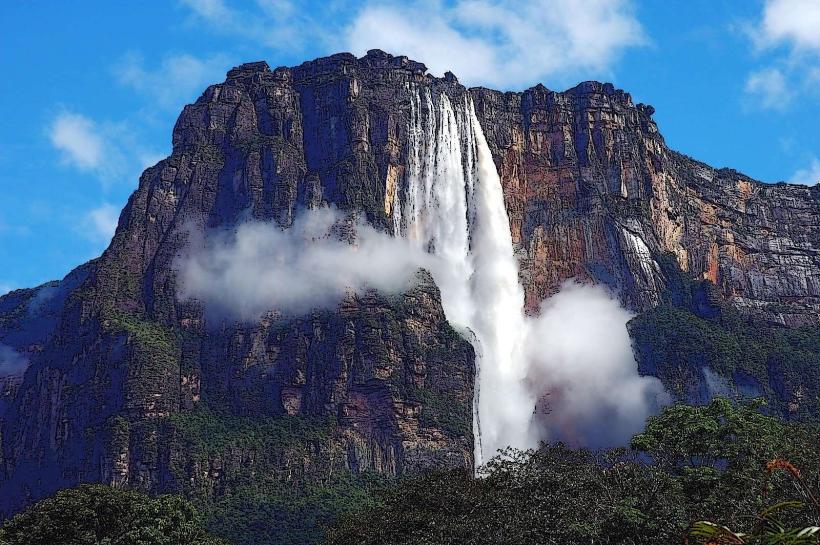
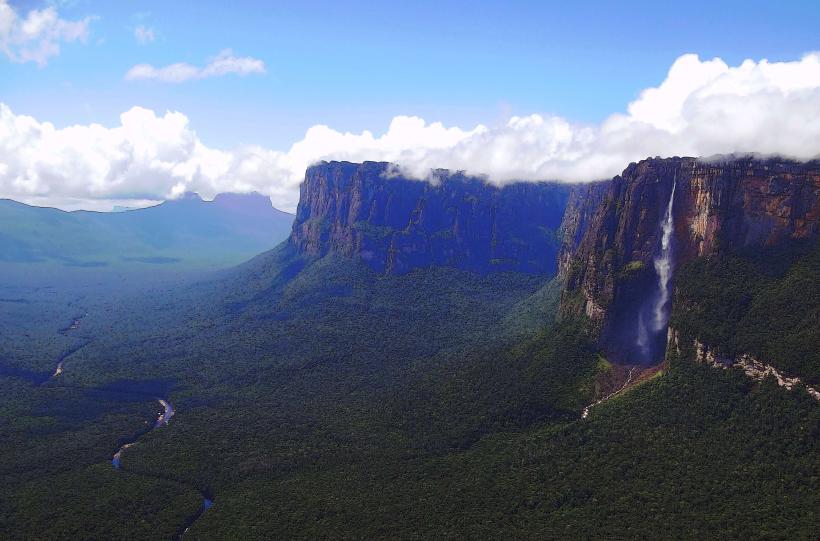
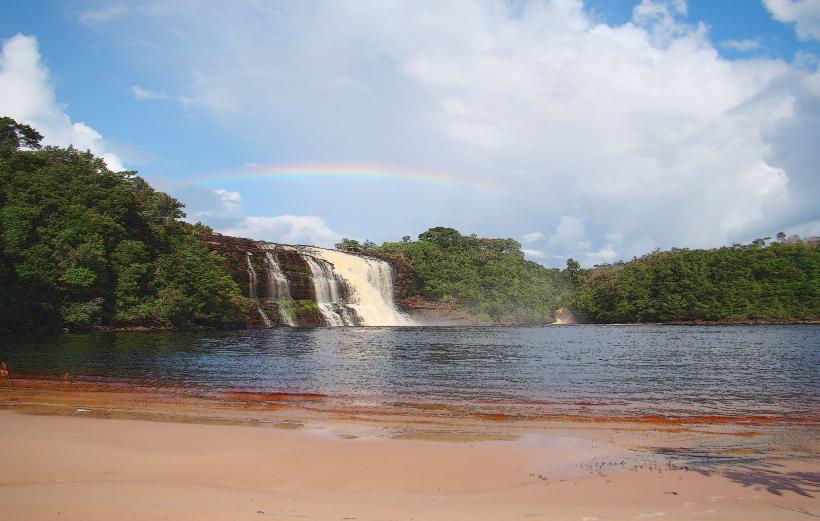
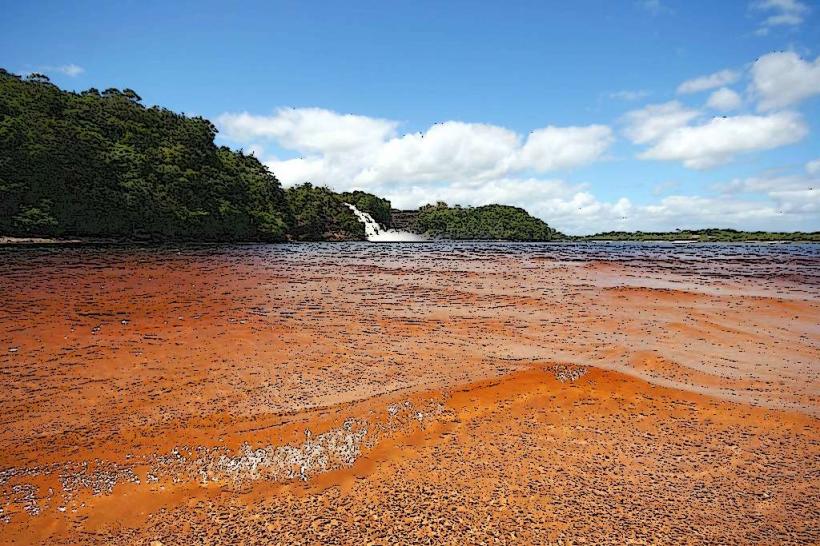
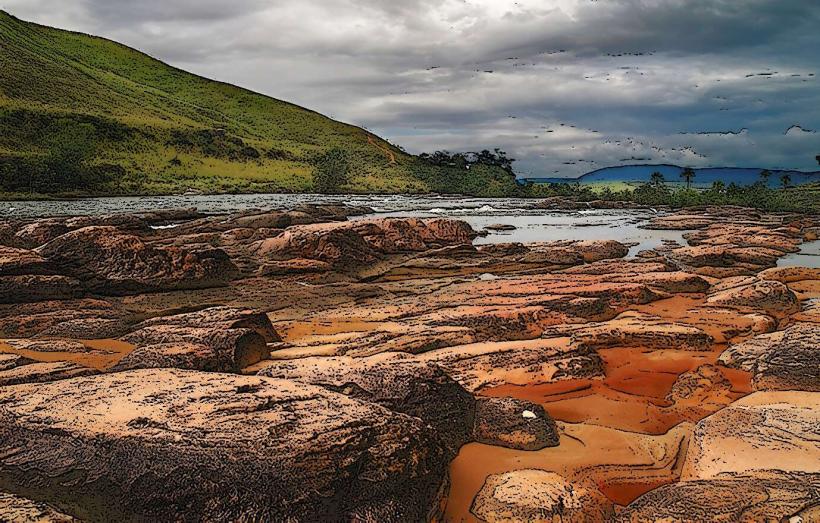
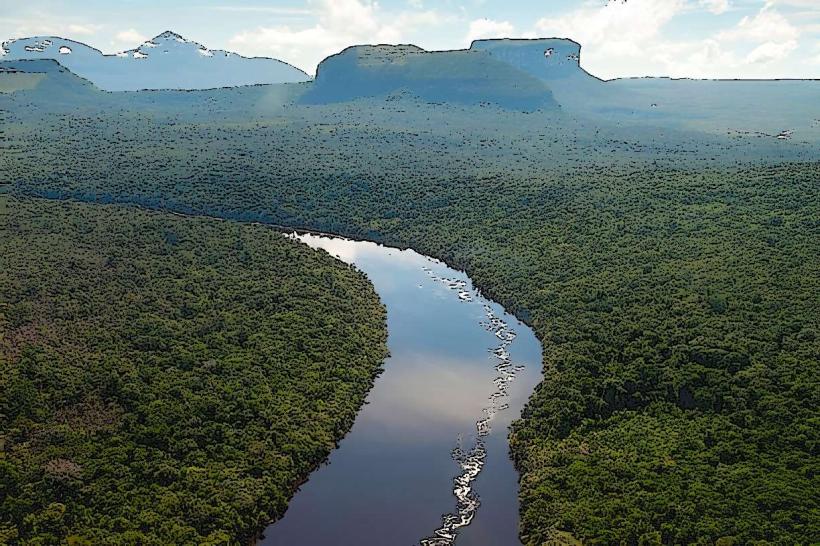
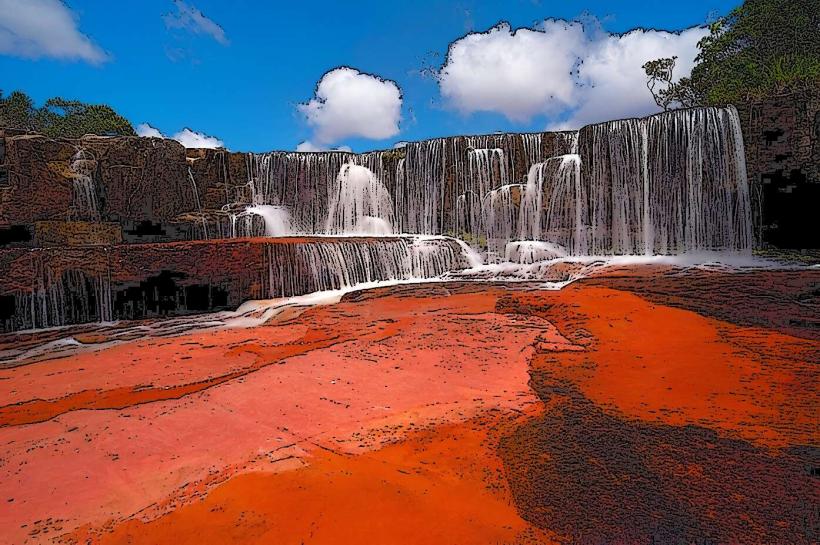
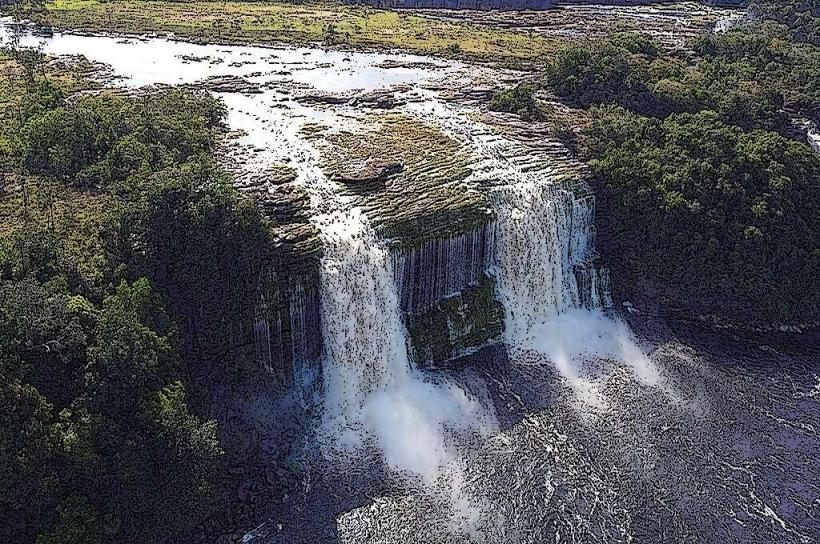
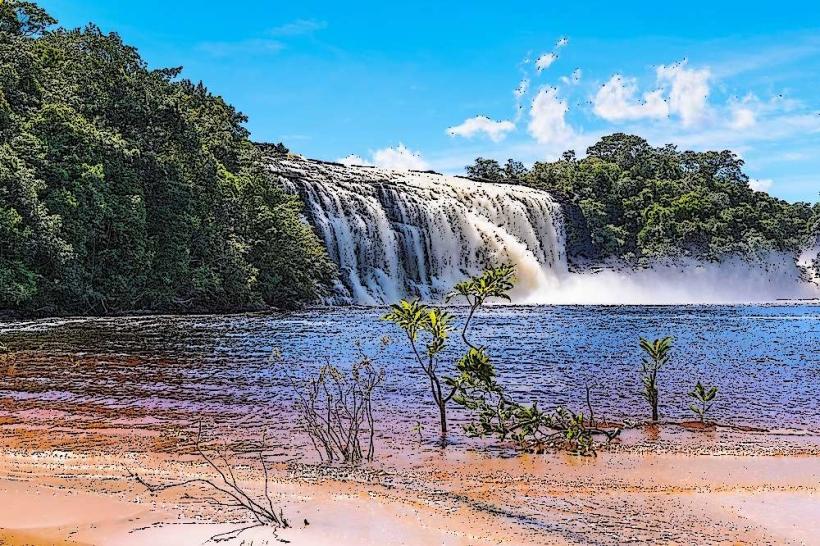
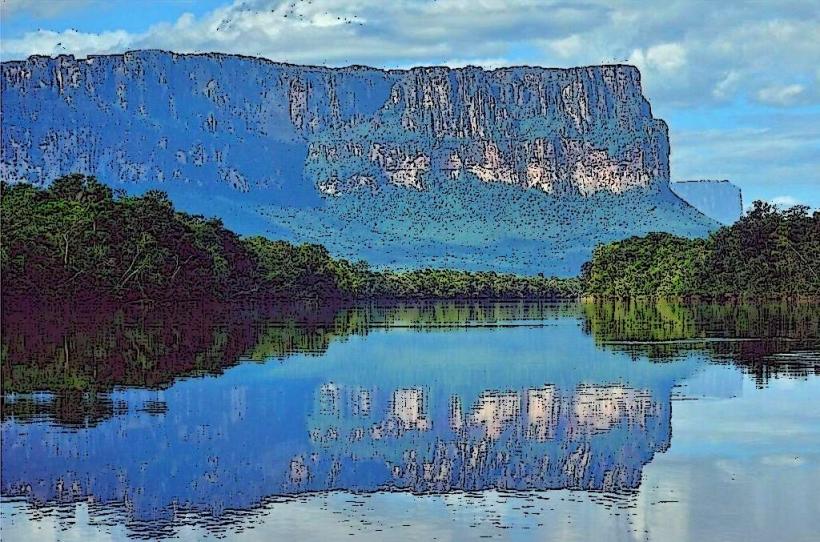
The landscape is dominated by large sandstone plateaus (tepuis) with sheer vertical cliffs. Vegetation varies from dense rainforest at lower elevations to sparse, specialized flora on the tepui summits. Water bodies include blackwater rivers and numerous waterfalls, some cascading hundreds of meters. Rock formations are primarily sandstone, exhibiting erosion patterns.
Location & Access Logistics
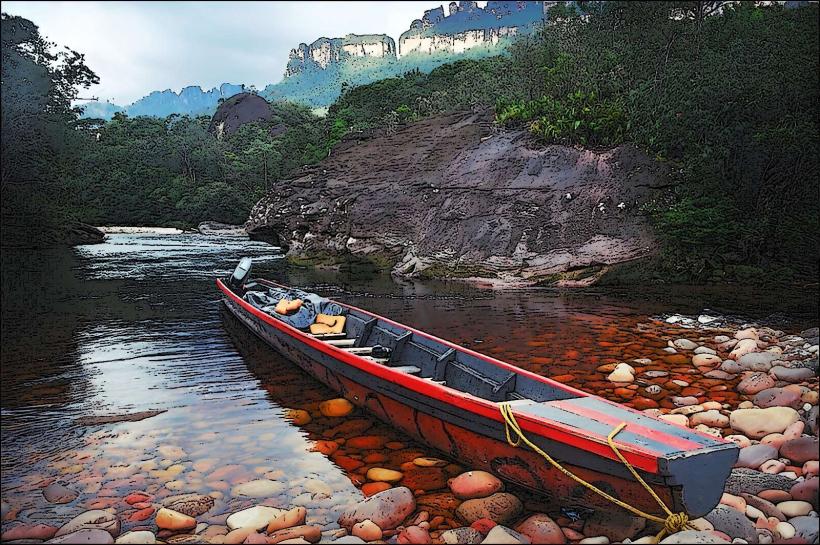
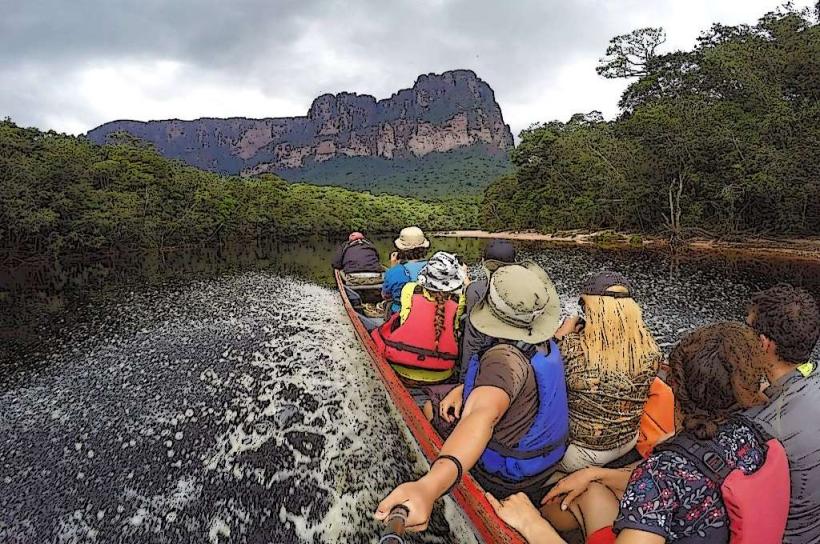
Access to Parque Nacional Macarao is primarily via Canaima National Park. From the town of Canaima, travel is typically by motorized canoe (curiara) along the Carrao River and its tributaries. Specific routes depend on the desired destination within the park. There are no roads directly serving Macarao. Parking is not applicable as access is water-based.
Historical & Ecological Origin
The tepuis of Canaima National Park, including those within Macarao, are ancient geological formations, estimated to be over a billion years old. They are remnants of a sandstone plateau eroded over eons. Ecologically, the park is classified as a Neotropical rainforest and savanna biome, with unique endemic species adapted to the isolated tepui environments.
Key Highlights & Activities
Hiking to the summit of specific tepuis (e.g., Auyán-tepui, Roraima) is a primary activity, requiring multi-day expeditions. Waterfall viewing, particularly Angel Falls (Salto Ángel), is a significant draw. Boat trips on rivers and lagoons are common. Birdwatching and wildlife observation are also key activities.
Infrastructure & Amenities
Basic infrastructure exists in the form of designated campsites and simple lodges in accessible areas like Canaima town. Within the park itself, amenities are minimal. Restrooms are typically found at established camps or lodges. Shade is abundant in forested areas. Cell phone signal is generally absent within the park, with limited availability in Canaima town.
Best Time to Visit
The dry season, from December to April, offers the most favorable conditions for travel and hiking, with lower river levels and less rainfall. The wet season (May to November) sees higher rivers, which can facilitate canoe travel to certain areas but increases the risk of rain impacting outdoor activities. Photography is best in the morning and late afternoon for optimal lighting on the tepuis.
Facts & Legends
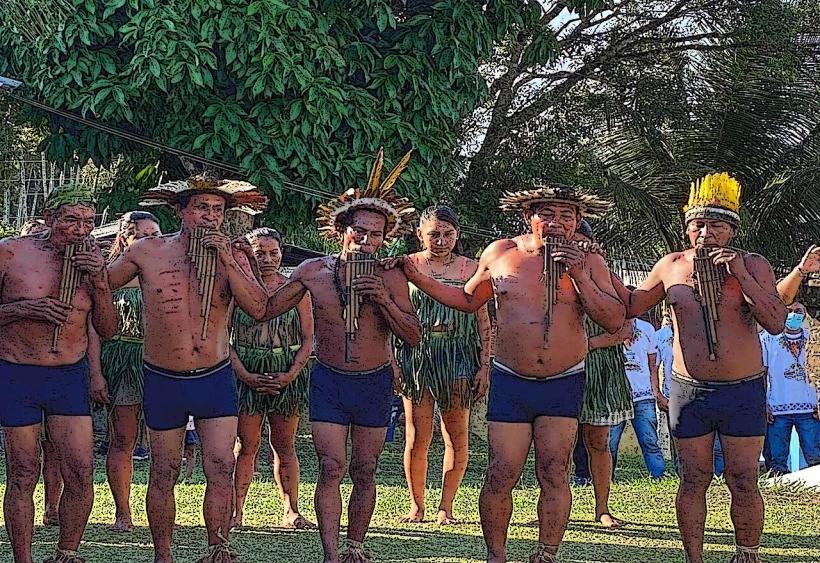
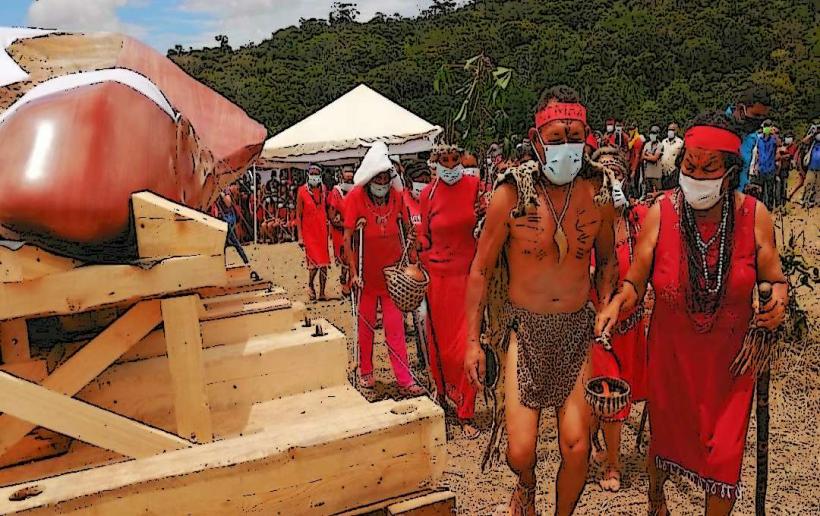
The tepuis are often referred to as "islands in time" due to their isolation and the unique evolutionary paths of their flora and fauna. Local indigenous legends, such as those of the Pemón people, often attribute spiritual significance to these formations, viewing them as the homes of ancient spirits.
Nearby Landmarks
- Angel Falls (Salto Ángel) - 5km Southwest
- Auyán-tepui - 10km West
- Sapo Falls (Salto Sapo) - 3km Northwest
- Kama Falls (Salto Kama) - 4km North
- Canaima Lagoon - 6km Northwest