Information
Landmark: Folk Heritage MuseumCity: Thimphu
Country: Bhutan
Continent: Asia
Folk Heritage Museum, Thimphu, Bhutan, Asia
The Folk Heritage Museum is a cultural institution located in Thimphu, the capital city of Bhutan. It preserves and showcases the rural traditions and heritage of Bhutan.
Visual Characteristics
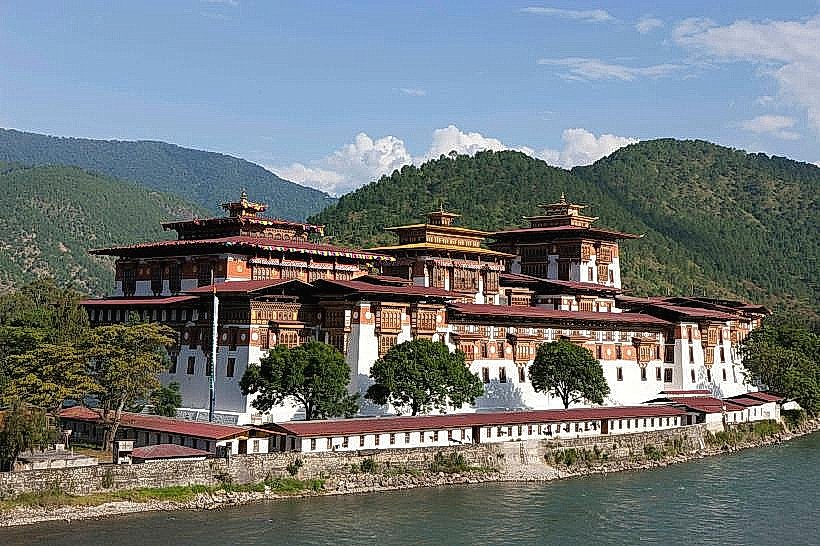
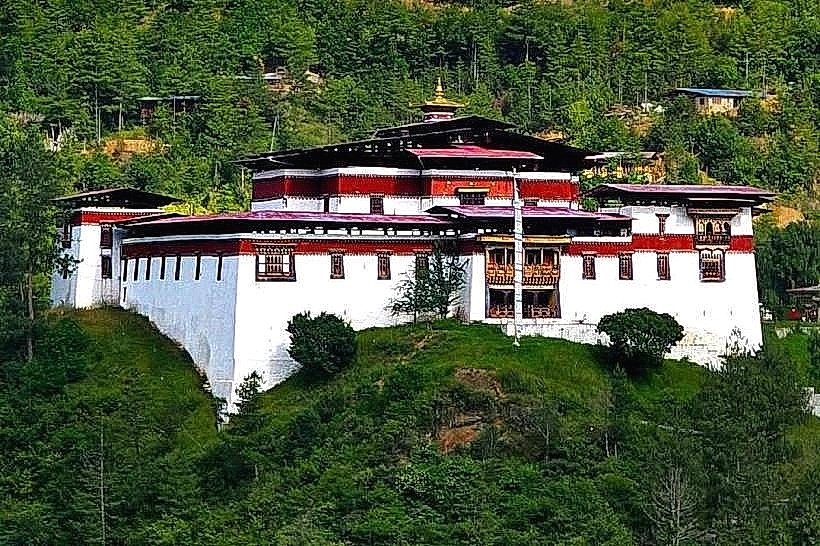
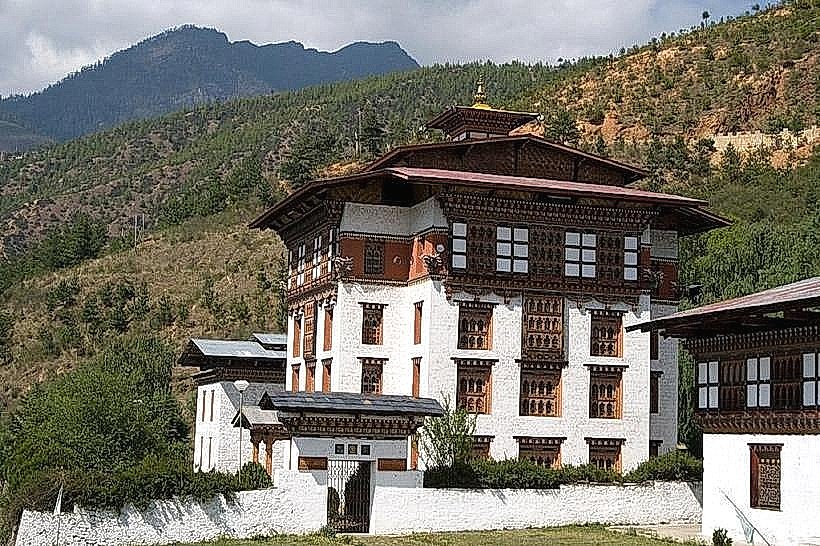
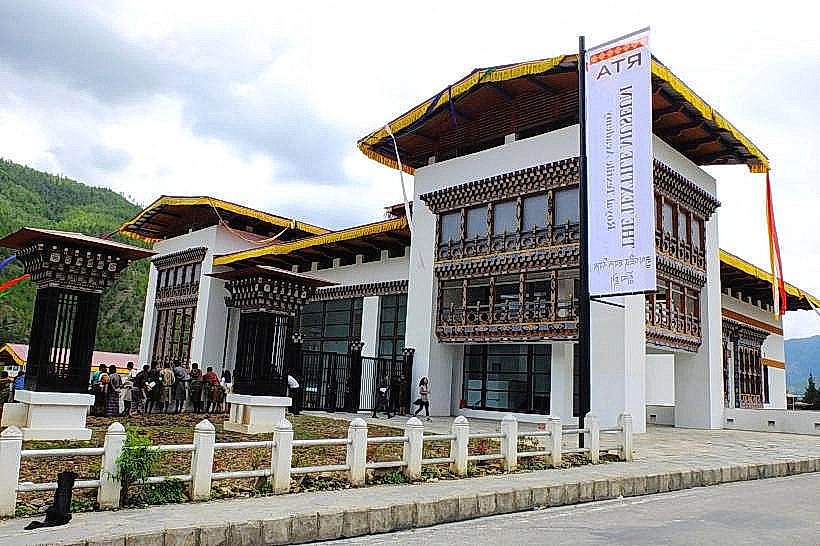
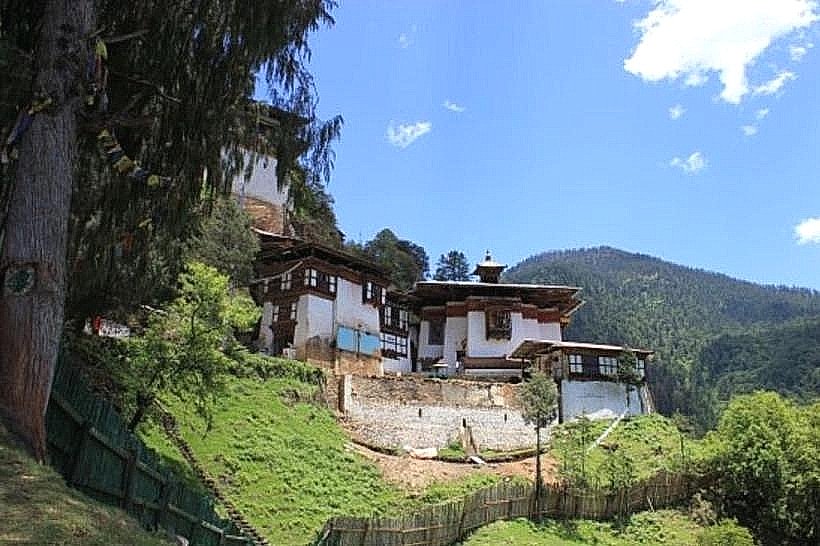
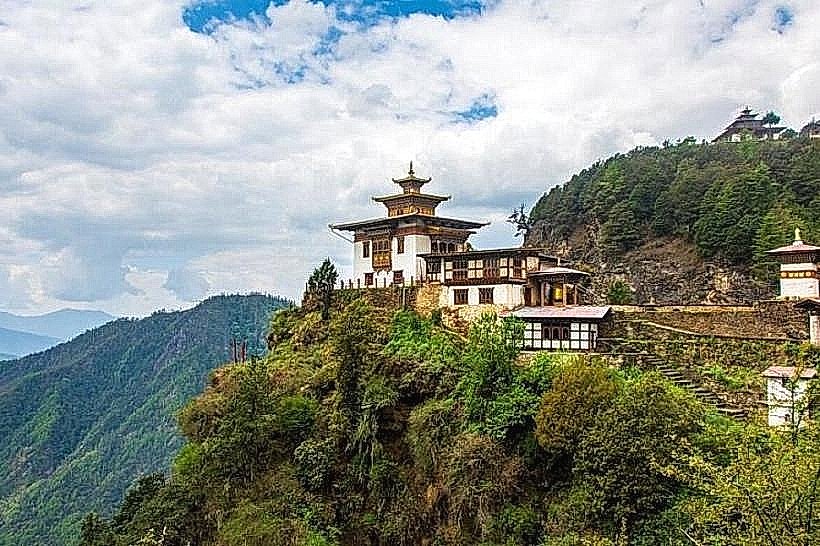
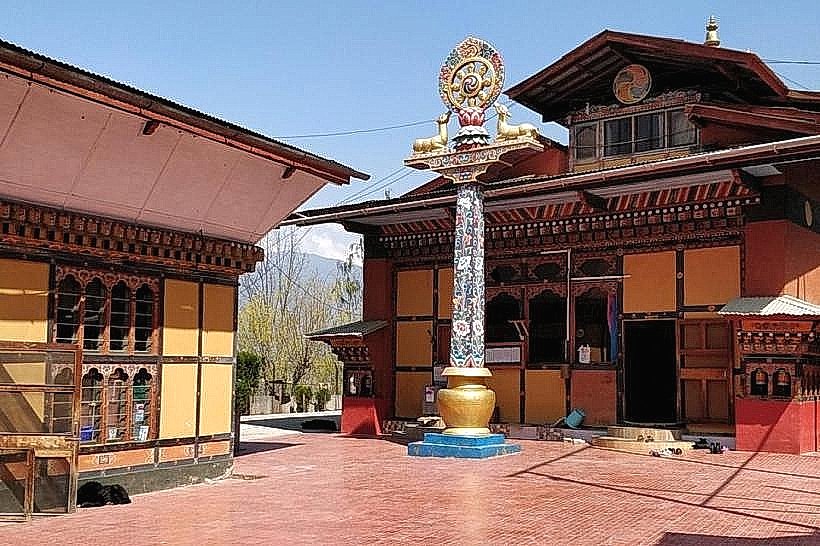
The museum is housed in a traditional Bhutanese farmhouse, constructed from rammed earth and timber. The building features a multi-story design with a steeply pitched roof and intricately carved wooden window frames. The exterior walls are typically whitewashed, with dark timber accents around the windows and doors. The interior is organized into distinct rooms, each furnished with period artifacts and tools.
Location & Access Logistics
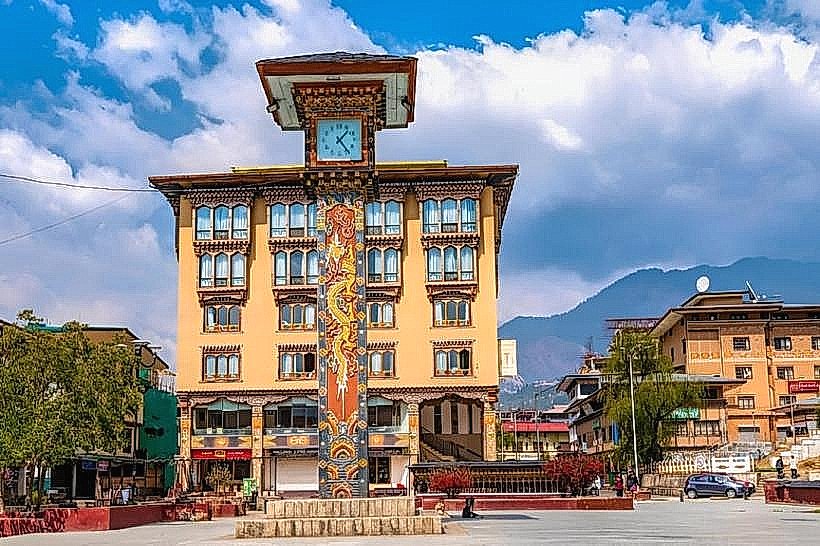
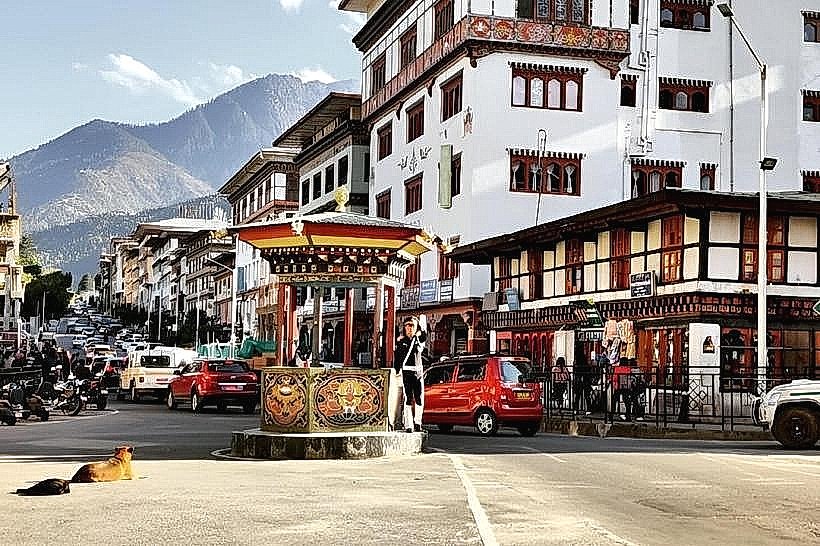
The Folk Heritage Museum is situated in the heart of Thimphu city, approximately 1.5 kilometers south of the main Clock Tower Square. Access is via Norzin Lam, the primary road. Parking is available on-site, with a dedicated lot for visitors. Public bus services operate along Norzin Lam, with a stop within a 5-minute walk of the museum entrance.
Historical & Ecological Origin
The building itself is a restored example of a traditional Bhutanese rural dwelling, dating back to the early 20th century. It was converted into a museum in 2001 by the National Commission for Cultural Affairs. The museum's purpose is to serve as a living museum, demonstrating the lifestyle and practices of Bhutanese farmers from a bygone era.
Key Highlights & Activities
Visitors can observe exhibits detailing traditional farming techniques, household items, and agricultural tools. Demonstrations of traditional Bhutanese cuisine preparation are sometimes conducted. The museum also features a small garden showcasing traditional crops and herbs. Guided tours are available upon request.
Infrastructure & Amenities
Restrooms are available on the ground floor. Limited shaded areas are present within the museum complex. Cell phone signal (4G/5G) is generally good within the museum. No on-site food vendors are present, but several restaurants and cafes are located within a 10-minute walk along Norzin Lam.
Best Time to Visit
The museum is open year-round. The best time of day for photography inside the museum is during daylight hours, typically between 10:00 AM and 3:00 PM, to maximize natural light. The months of October to March offer cooler, drier weather, which is generally more comfortable for exploring.
Facts & Legends
The museum often hosts temporary exhibitions focusing on specific aspects of Bhutanese heritage, such as traditional weaving or religious festivals. A unique tip for visitors is to pay close attention to the detailed craftsmanship of the wooden beams and window frames, which often incorporate symbolic carvings.
Nearby Landmarks
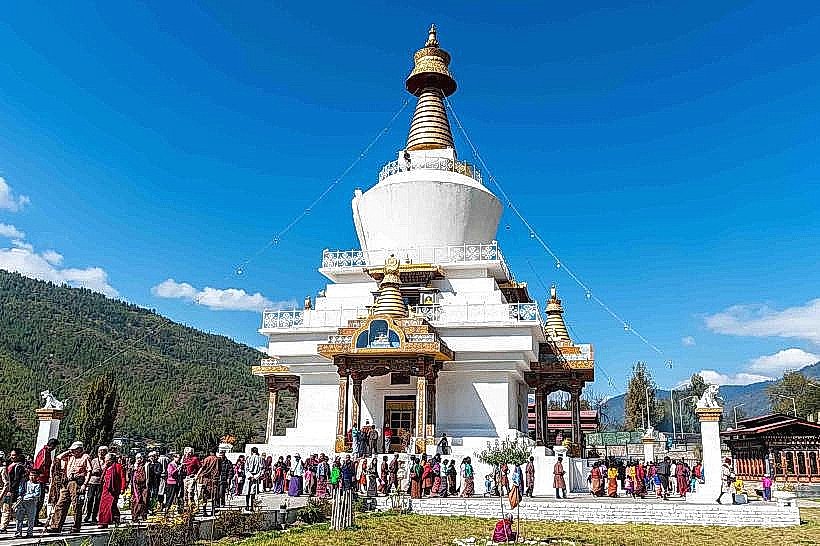
- National Memorial Chorten (0.8km North)
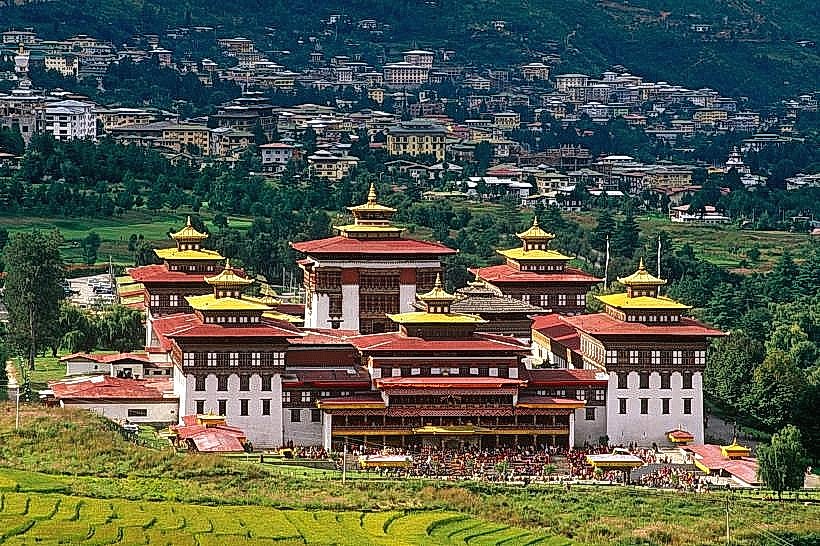
- Tashichho Dzong (1.2km North)
- Textile Museum (0.6km North-West)
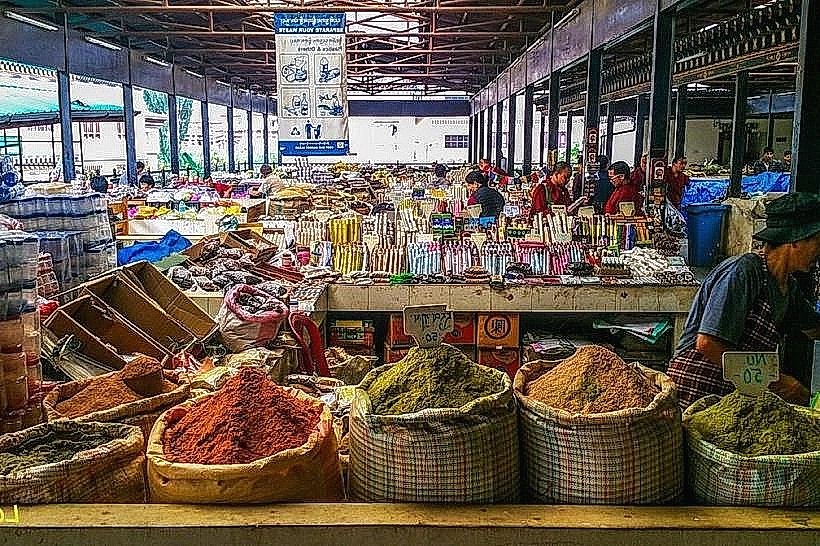
- Weekend Market (1.0km North)