Information
Landmark: Royal Textile AcademyCity: Thimphu
Country: Bhutan
Continent: Asia
Royal Textile Academy, Thimphu, Bhutan, Asia
The Royal Textile Academy is a museum dedicated to Bhutanese textiles, located in Thimphu, Bhutan.
It preserves and promotes the art of Bhutanese weaving.
Visual Characteristics
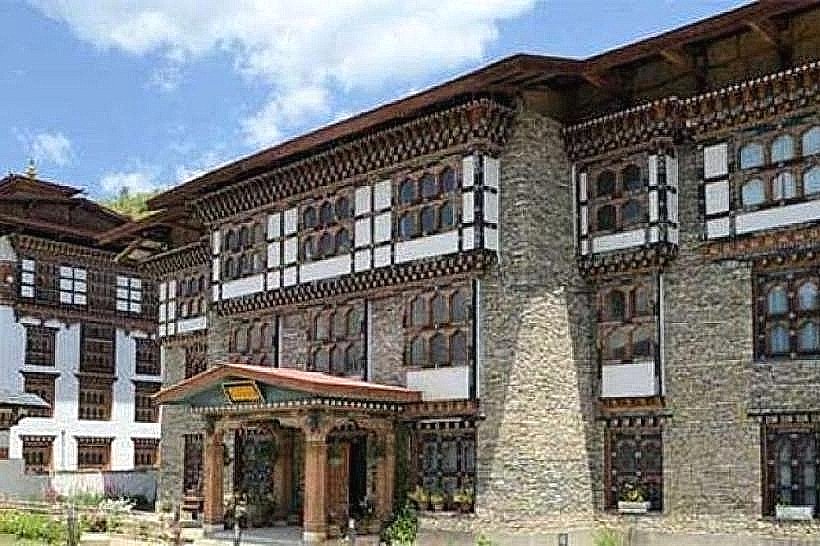
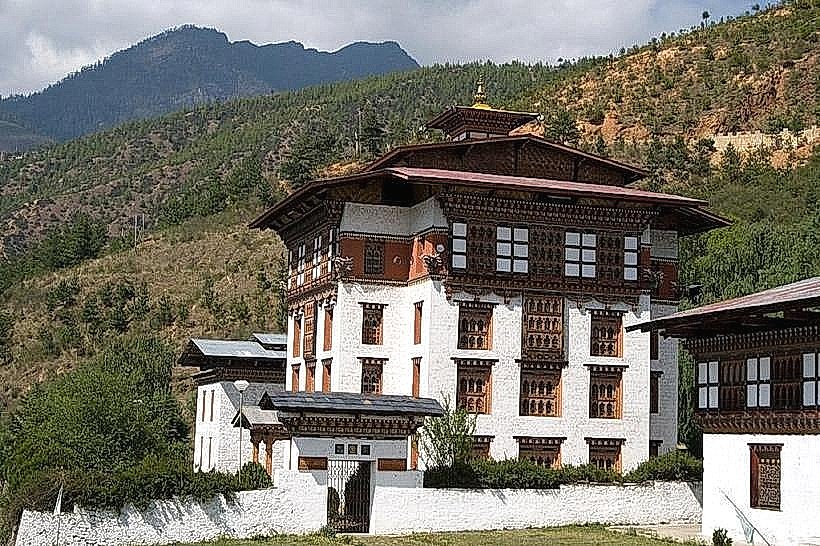
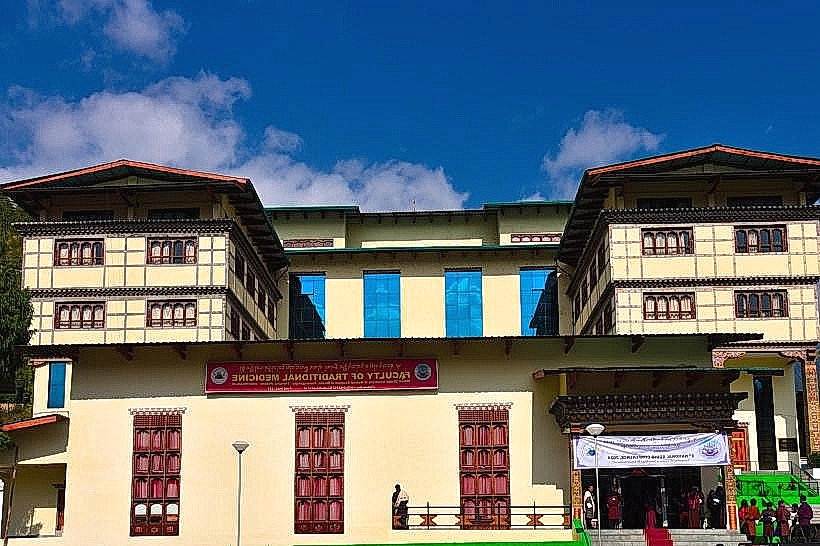
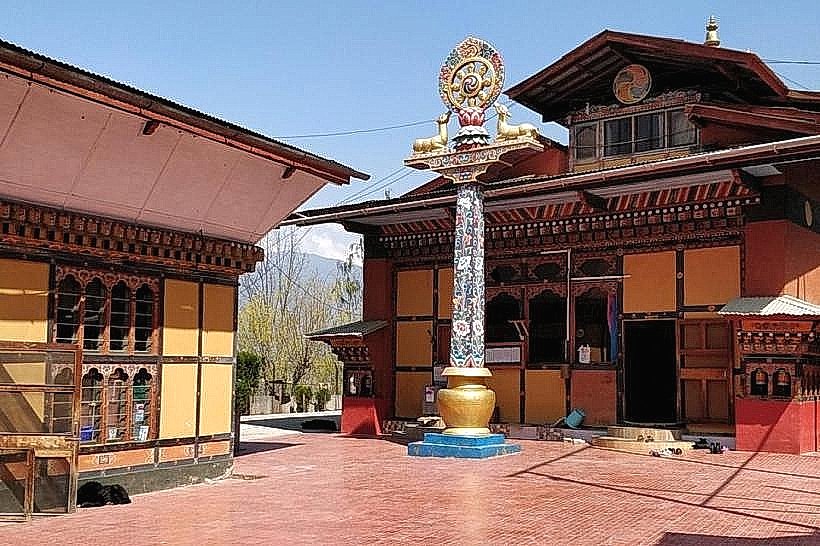
The building is a modern, multi-story structure constructed primarily from concrete and local stone. Its exterior features clean lines and a functional design, reflecting contemporary Bhutanese architecture. The interior houses exhibition halls with controlled lighting to protect the displayed artifacts.
Location & Access Logistics
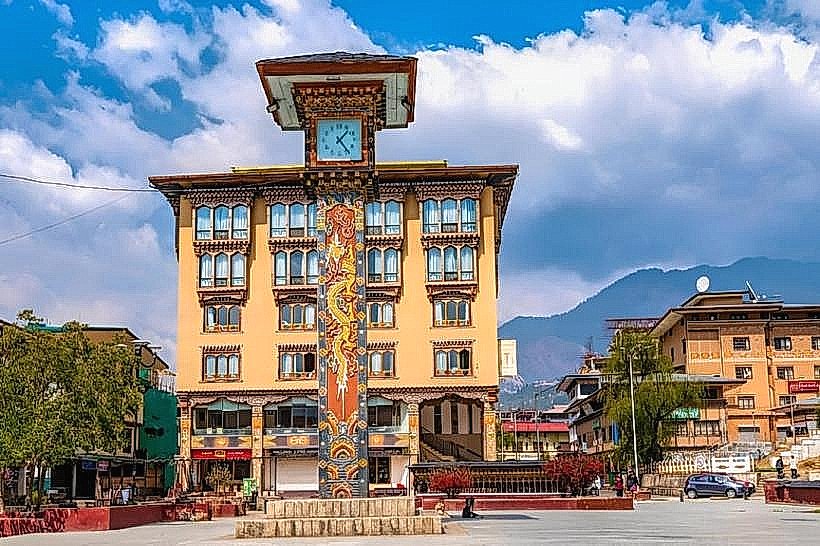
The Royal Textile Academy is situated in the central area of Thimphu. It is approximately 1.5 kilometers south of the main Clock Tower Square. Access is via Norzin Lam, the primary road through the city. Public parking is available on-site, with capacity for approximately 20 vehicles. Local taxis are readily available, and several city bus routes stop within a 5-minute walk.
Historical & Ecological Origin
The Royal Textile Academy was established in 2001. Its purpose is to safeguard Bhutan's rich weaving heritage, which has been passed down through generations. The academy serves as a center for research, education, and the exhibition of traditional textiles.
Key Highlights & Activities
Visitors can observe a comprehensive collection of Bhutanese textiles, including ceremonial garments, everyday wear, and intricate wall hangings. Demonstrations of traditional weaving techniques are often conducted by skilled artisans. The academy also features a shop selling contemporary textiles and weaving supplies.
Infrastructure & Amenities
Restrooms are available on each floor. Limited seating is provided within the exhibition areas. Cell phone signal (4G) is generally reliable within the building. No food vendors are located directly on the premises, but several restaurants and cafes are situated within a 500-meter radius.
Best Time to Visit
The academy is open year-round. The best time of day for viewing the textiles is during daylight hours when natural light is supplemented by museum lighting. Bhutan experiences its driest periods from October to March, making this generally the most favorable time for travel and visiting attractions.
Facts & Legends
A notable aspect of Bhutanese weaving is the use of specific motifs that carry symbolic meanings, often related to Buddhist philosophy or auspicious symbols. For instance, the dragon motif represents the Druk Yul, the "Land of the Thunder Dragon."
Nearby Landmarks
- Folk Heritage Museum (0.3km North)
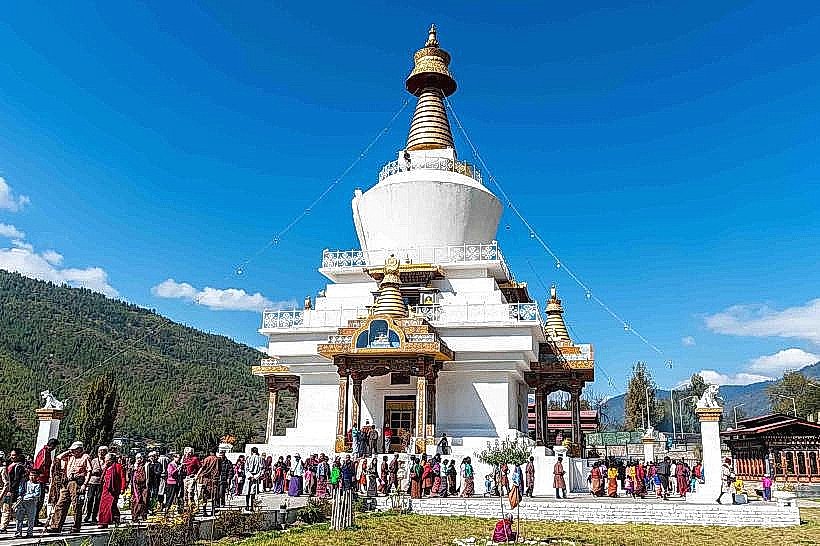
- National Memorial Chorten (0.8km Northeast)
- Textile Museum (0.1km West)
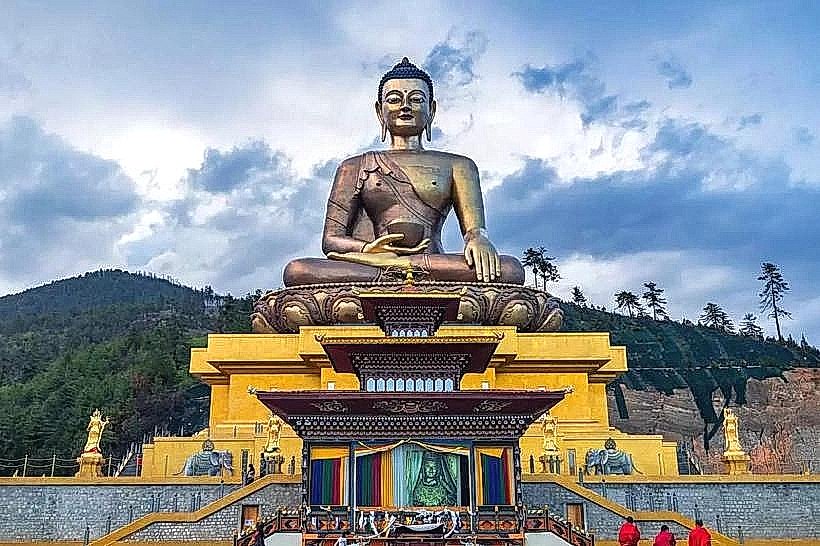
- Buddha Dordenma Statue (2.5km Southwest)