Information
Landmark: Simtokha DzongCity: Thimphu
Country: Bhutan
Continent: Asia
Simtokha Dzong, Thimphu, Bhutan, Asia
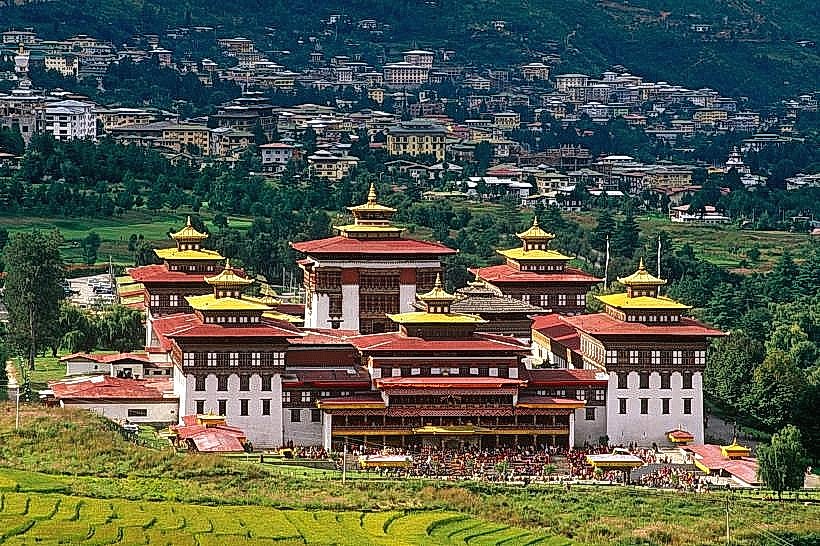
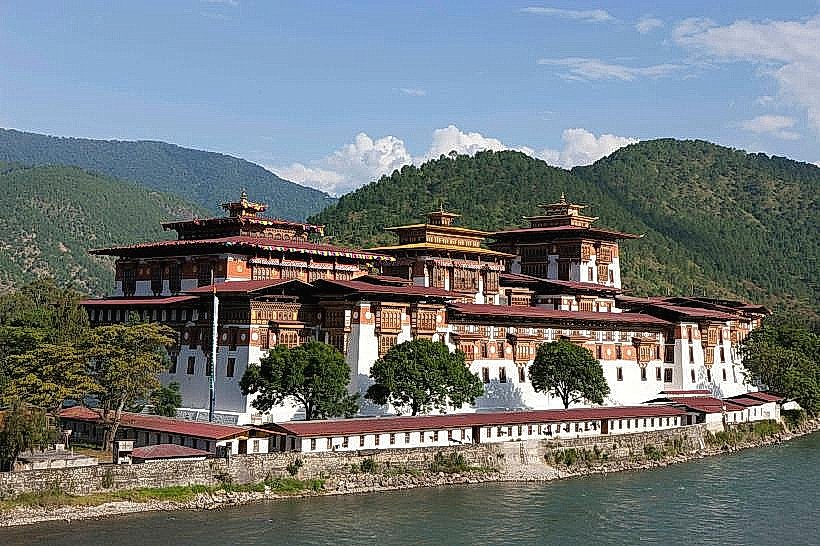
Simtokha Dzong is a historic fortress located in Thimphu, Bhutan. It serves as a significant administrative and religious center.
Visual Characteristics
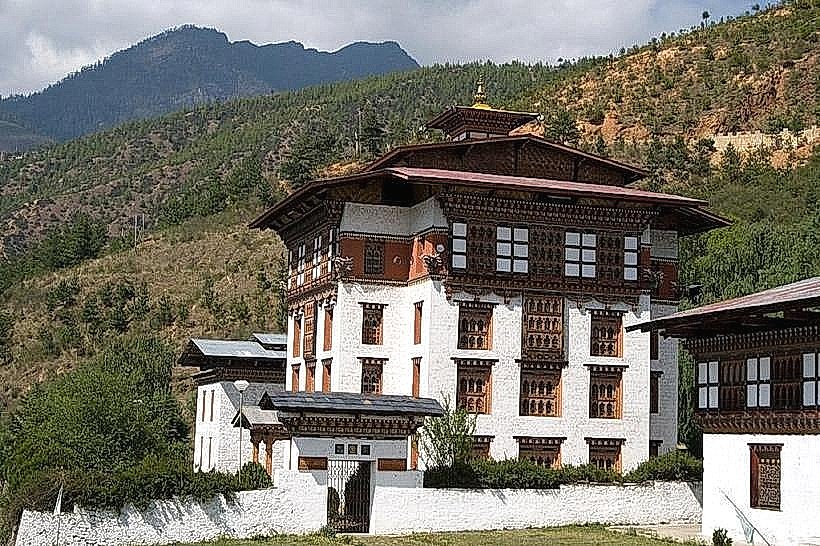
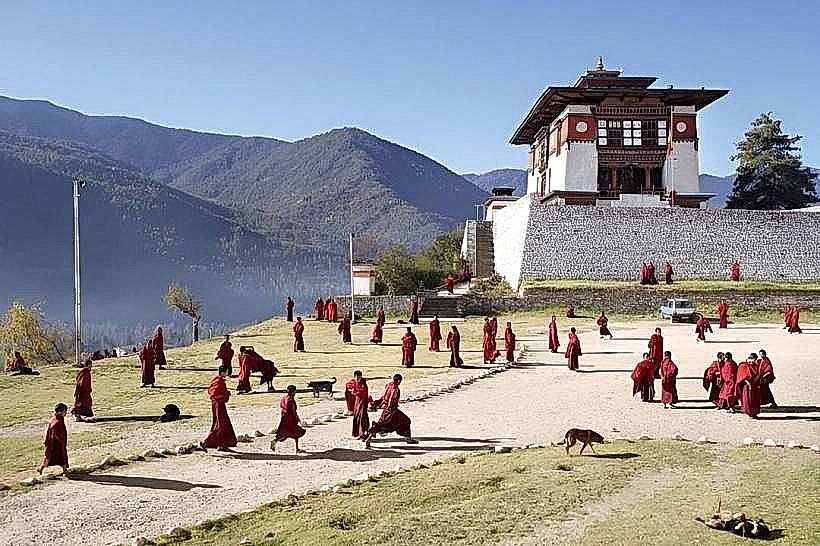
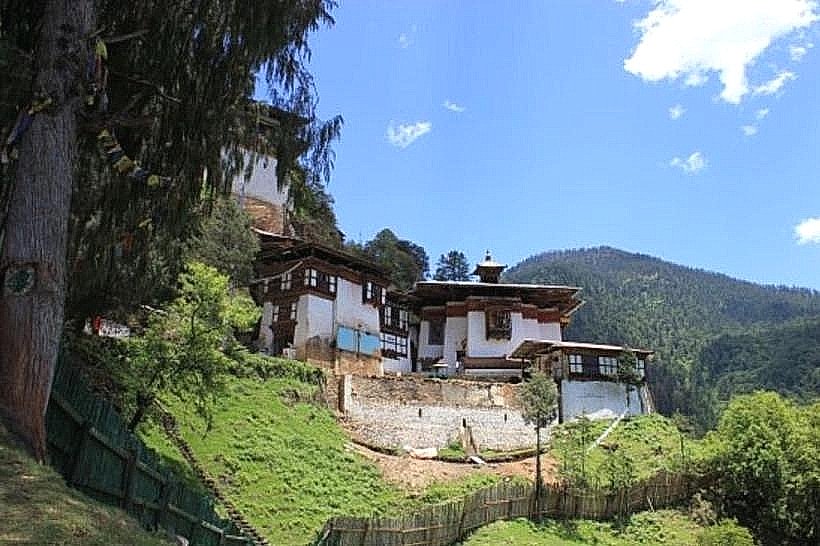
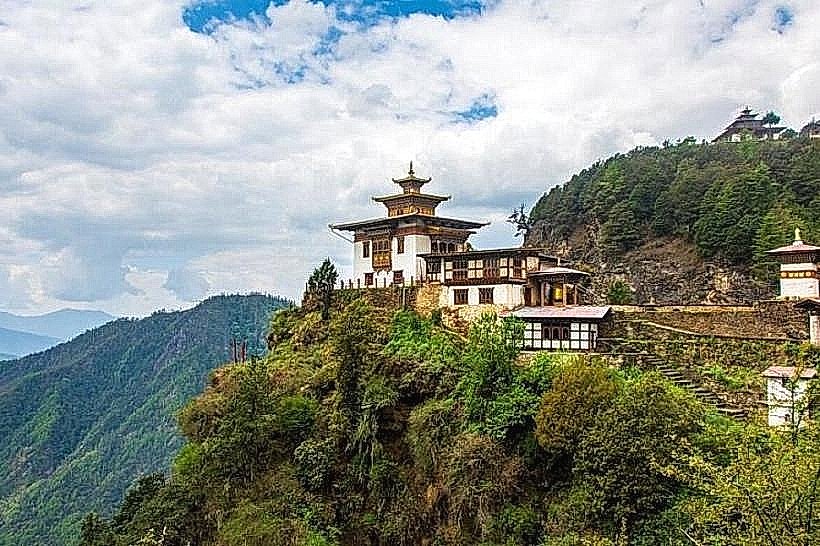
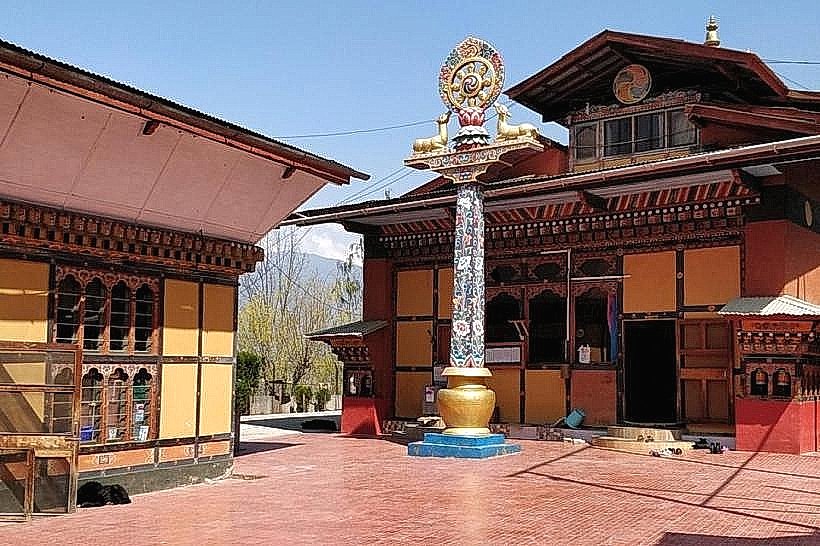
Constructed primarily from stone, Simtokha Dzong features whitewashed walls and a dark, timber-framed roof. The dzong is a multi-story structure with a central courtyard. Its architectural style is characteristic of Bhutanese dzong construction, with defensive towers and intricate woodwork. The main temple within the dzong houses ancient murals and statues.
Location & Access Logistics
Simtokha Dzong is situated approximately 5 kilometers south of Thimphu city center, along the main highway (National Highway 1). Access is via a paved road. Parking is available on-site. Public transport options include local buses that travel along the highway; passengers should request a stop at Simtokha Dzong. Taxis from Thimphu are also readily available.
Historical & Ecological Origin
Simtokha Dzong was built in 1629 by Zhabdrung Ngawang Namgyal, the unifier of Bhutan. It is the oldest dzong in Bhutan and was originally built as a fortress to defend against Tibetan invasions. Its strategic location on a ridge overlooking the Thimphu valley was key to its defensive purpose.
Key Highlights & Activities
Visitors can explore the central courtyard and the main temple. Photography is permitted in designated areas. Guided tours are available, providing historical context and information about the dzong's significance. Observing the architectural details and the religious artifacts within the temple are primary activities.
Infrastructure & Amenities
Restrooms are available on the premises. Limited shaded areas are present within the courtyards. Cell phone signal (4G) is generally reliable. There are no food vendors directly at the dzong; however, small eateries and shops are located a short distance away along the highway.
Best Time to Visit
The best time of day for photography is generally in the morning or late afternoon when the sunlight provides optimal illumination on the whitewashed walls. The dry season, from October to March, offers the most pleasant weather conditions for visiting. There are no tide-related considerations.
Facts & Legends
A notable historical event associated with Simtokha Dzong is the signing of the Treaty of Thimphu in 1910, which established Bhutan's relationship with British India. Local lore suggests that the dzong was built on the site of a demon's head, and its construction was intended to subdue negative forces.
Nearby Landmarks
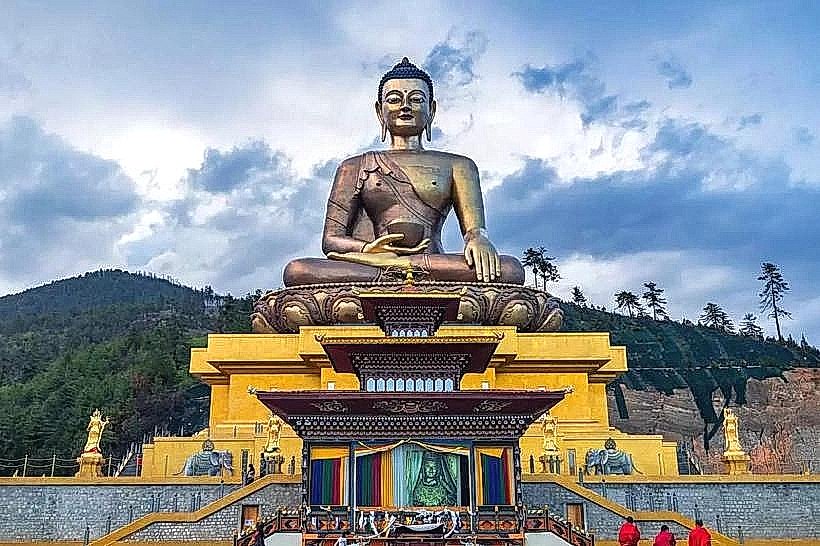
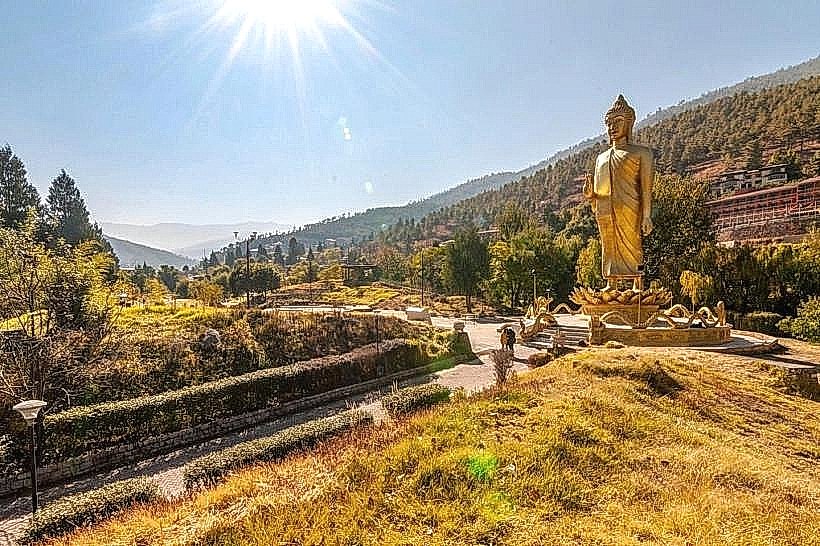
- Buddha Dordenma Statue (2.5km Northwest)
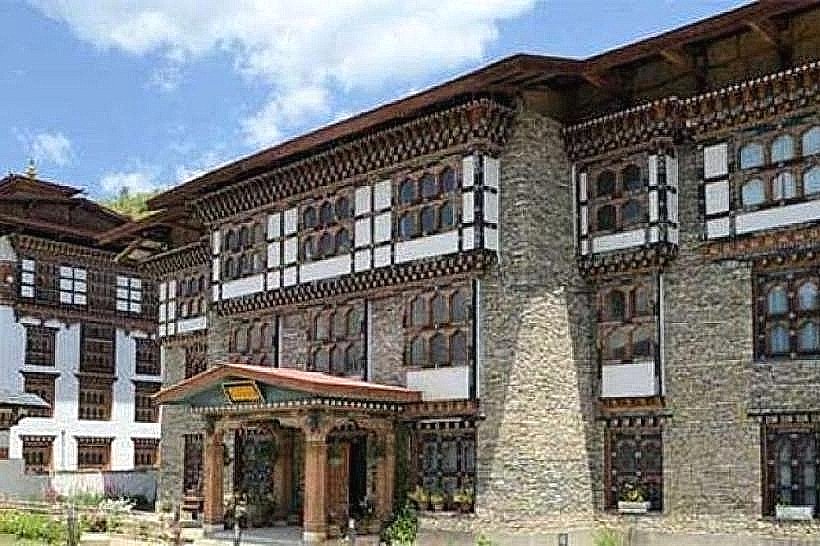
- Folk Heritage Museum (4.0km North)
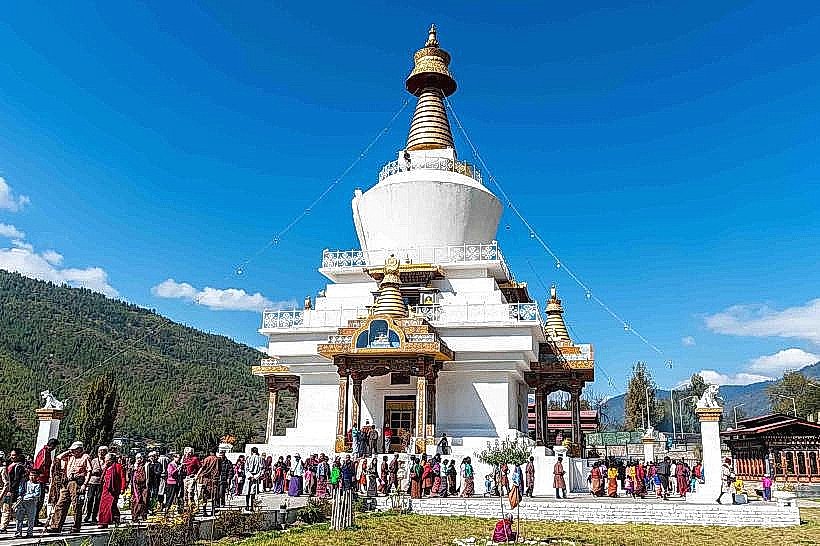
- National Memorial Chorten (4.5km North)
- Textile Museum (4.8km North)