Information
Landmark: Institute of Traditional MedicineCity: Thimphu
Country: Bhutan
Continent: Asia
Institute of Traditional Medicine, Thimphu, Bhutan, Asia
The Institute of Traditional Medicine is a research and educational facility located in Thimphu, Bhutan. It serves as a central hub for the study and preservation of Bhutanese traditional medicine.
Visual Characteristics
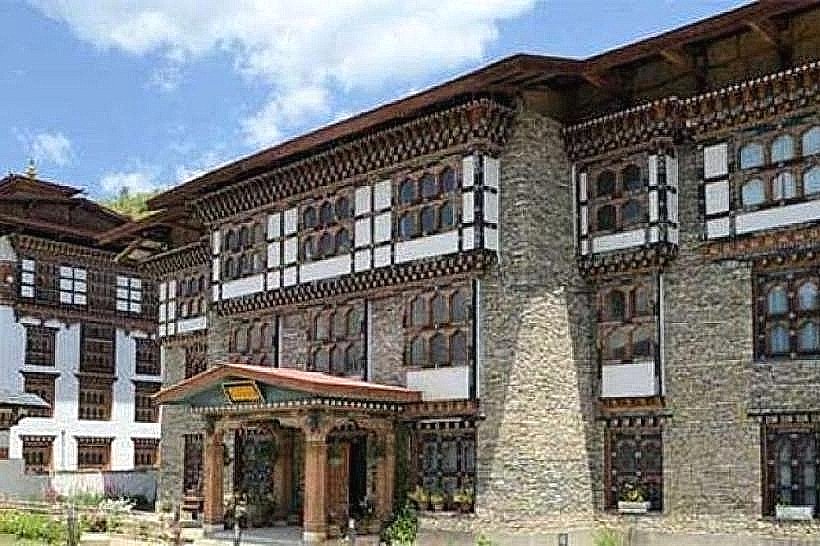
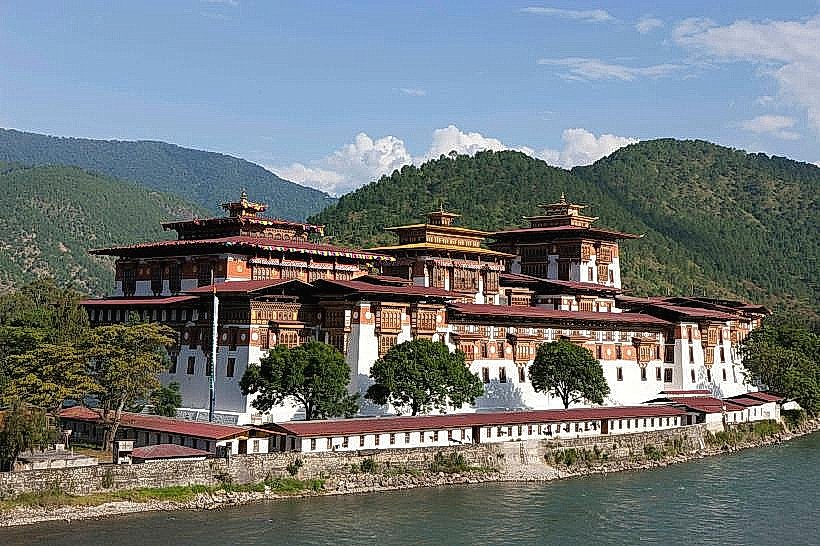
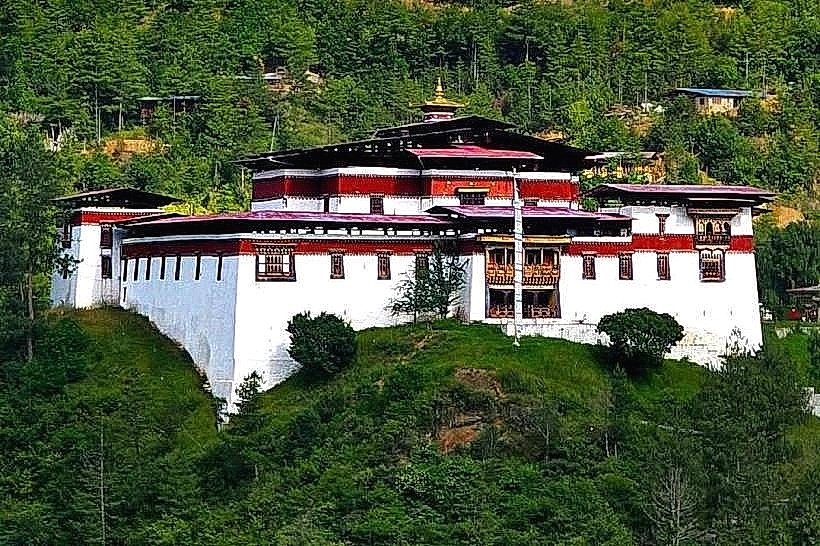
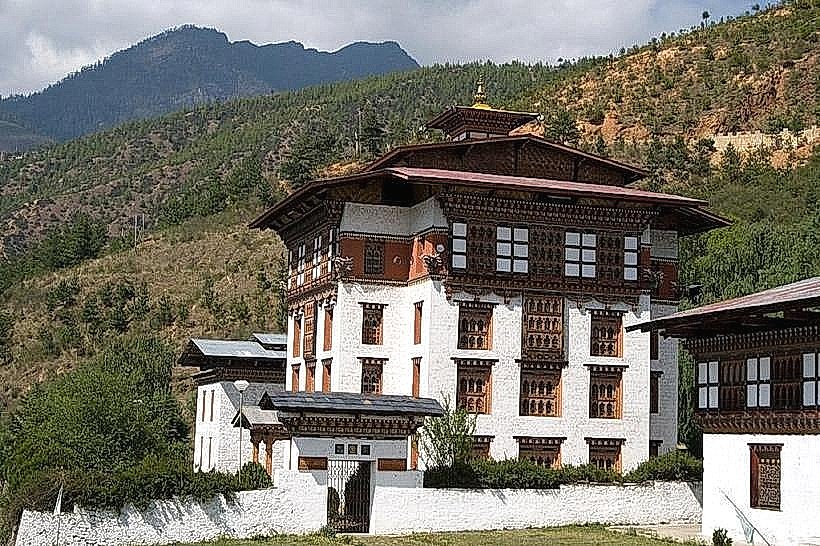
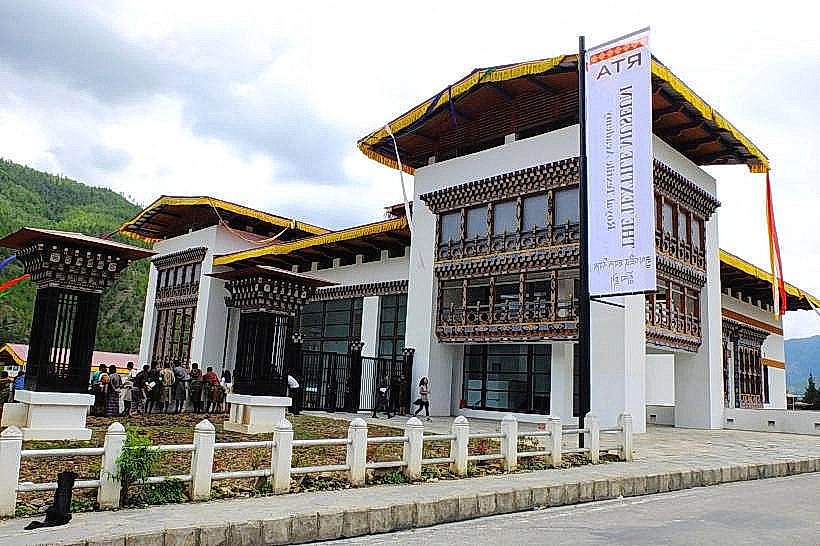
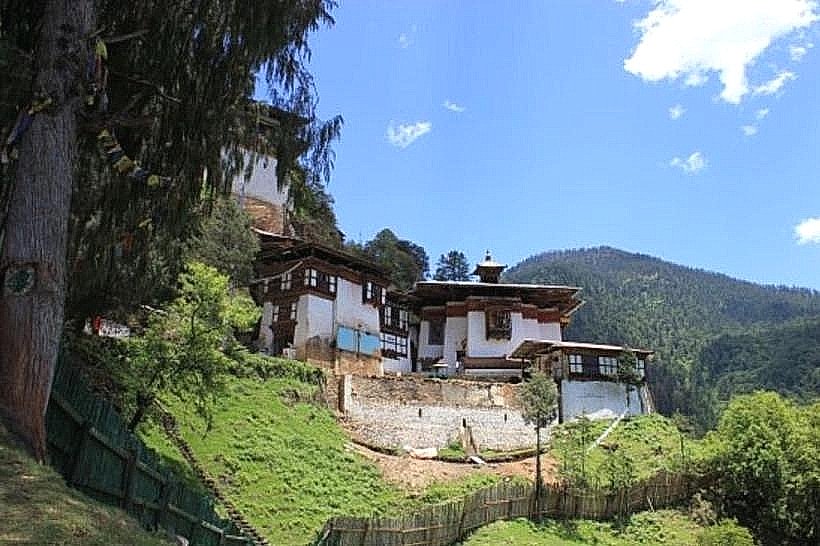
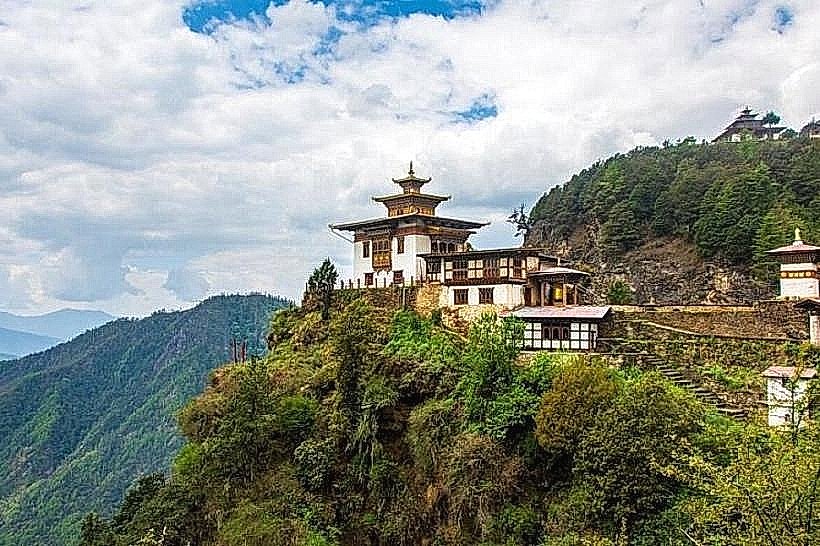
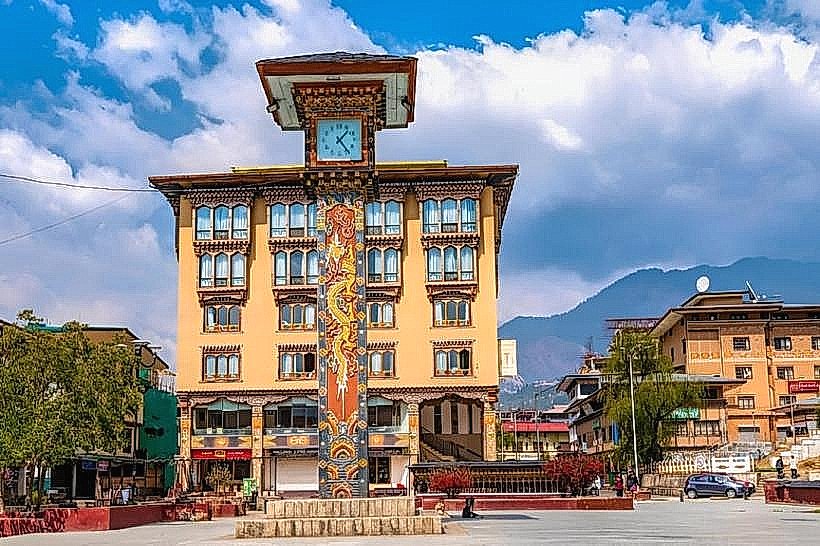
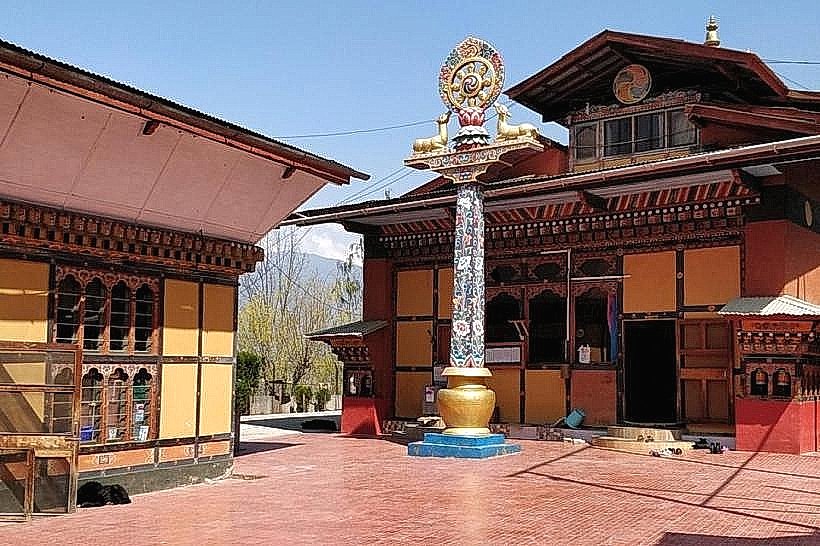
The Institute is housed in a multi-story building constructed with reinforced concrete and finished with traditional Bhutanese architectural elements. The exterior features whitewashed walls, decorative wooden window frames, and a sloping roof with carved eaves. The primary color palette is neutral, with accents of red and gold on decorative elements. The building's height is approximately three stories.
Location & Access Logistics
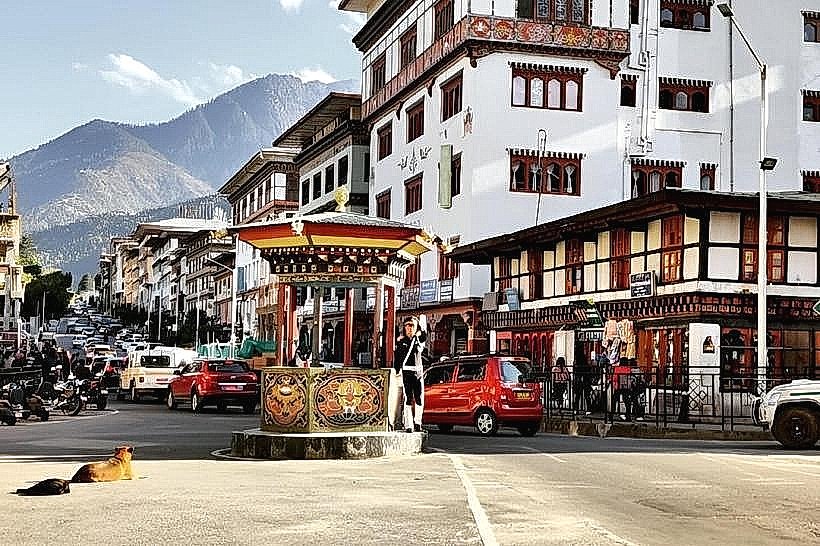
The Institute of Traditional Medicine is situated in the northern part of Thimphu city. It is approximately 3 kilometers from the city center. Access is via the main road leading north from the Clock Tower Square, turning onto the road marked for the Institute. Parking is available on-site in a designated lot. Public bus routes do not directly service the Institute; a taxi or private vehicle is the most practical mode of transport.
Historical & Ecological Origin
Established in 1979, the Institute of Traditional Medicine was founded to consolidate and advance the practice of Sowa Rigpa, Bhutan's indigenous medical system. Its purpose is to research, develop, and disseminate knowledge of traditional Bhutanese medicine, including the cultivation of medicinal plants and the formulation of traditional remedies.
Key Highlights & Activities
Visitors can observe the cultivation of medicinal herbs in the Institute's botanical garden. Demonstrations of traditional medicine preparation may be available upon prior arrangement. The Institute also houses a museum showcasing traditional medical instruments and texts. Educational talks on Sowa Rigpa are sometimes offered.
Infrastructure & Amenities
Restrooms are available for visitors. Limited shaded areas are present within the botanical garden. Cell phone signal (4G/5G) is generally reliable within the Institute's grounds. No on-site food vendors are present; however, food establishments are located in the main Thimphu city area.
Best Time to Visit
The best time of day for photography is during the morning or late afternoon when the light is softer. The months of March through May and September through November offer the most pleasant weather conditions for visiting the botanical garden and exploring the grounds.
Facts & Legends
A unique aspect of the Institute is its role in preserving the knowledge of over 2,000 medicinal plants indigenous to Bhutan. Local lore suggests that certain ancient remedies, meticulously documented and prepared here, can address ailments that modern medicine finds challenging.
Nearby Landmarks
- Folk Heritage Museum (1.5km South)
- National Textile Museum (1.8km South)
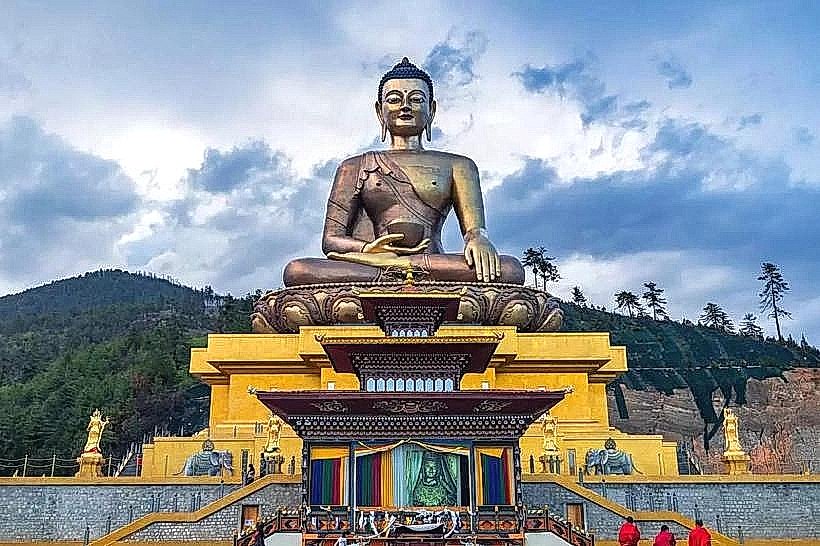
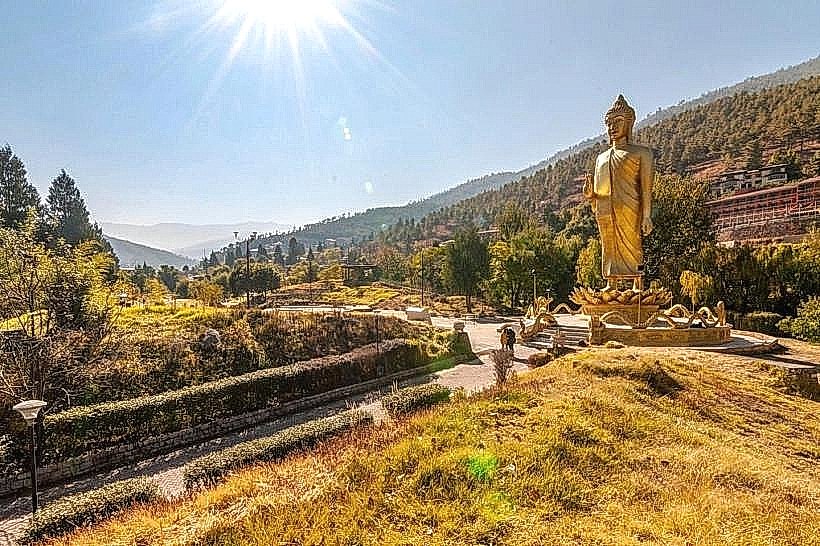
- Buddha Dordenma Statue (2.5km West)
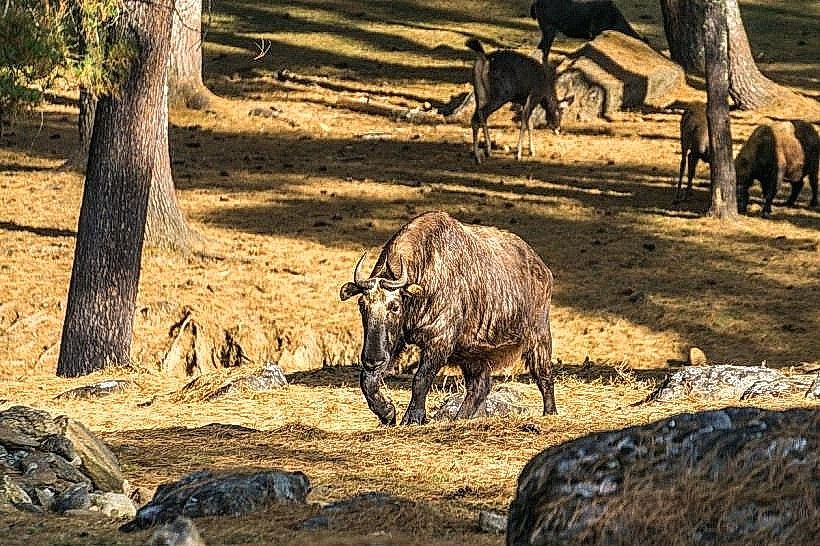
- Takin Preserve (3.0km West)
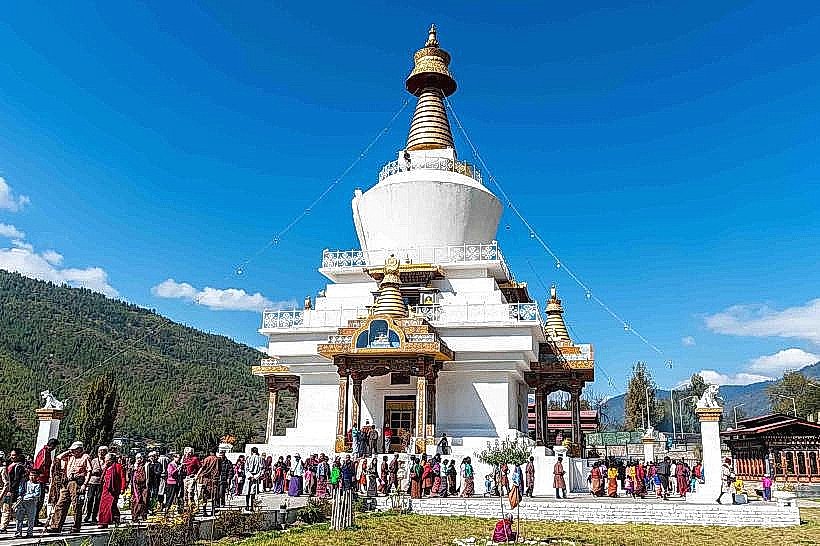
- National Memorial Chorten (2.2km South)