Information
Landmark: Phajoding MonasteryCity: Thimphu
Country: Bhutan
Continent: Asia
Phajoding Monastery, Thimphu, Bhutan, Asia
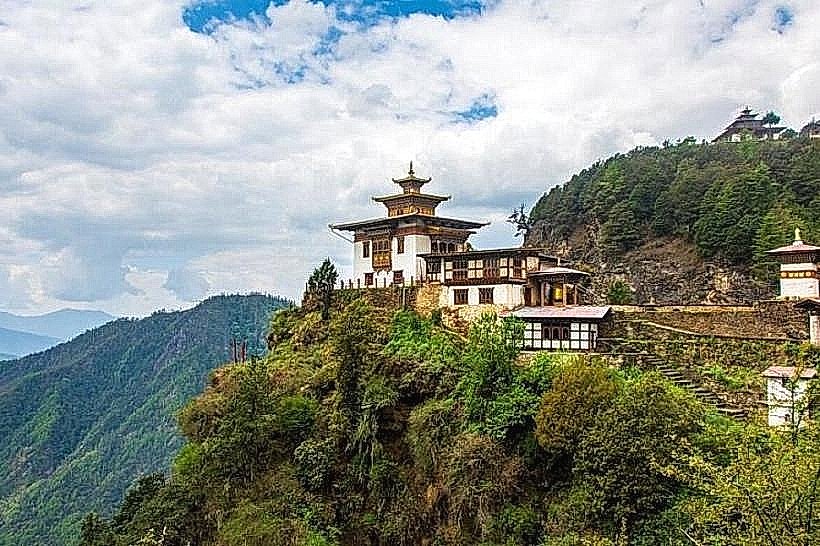
Phajoding Monastery is a Buddhist monastic complex situated in the hills above Thimphu, Bhutan.
It is a significant religious site and a popular hiking destination.
Visual Characteristics
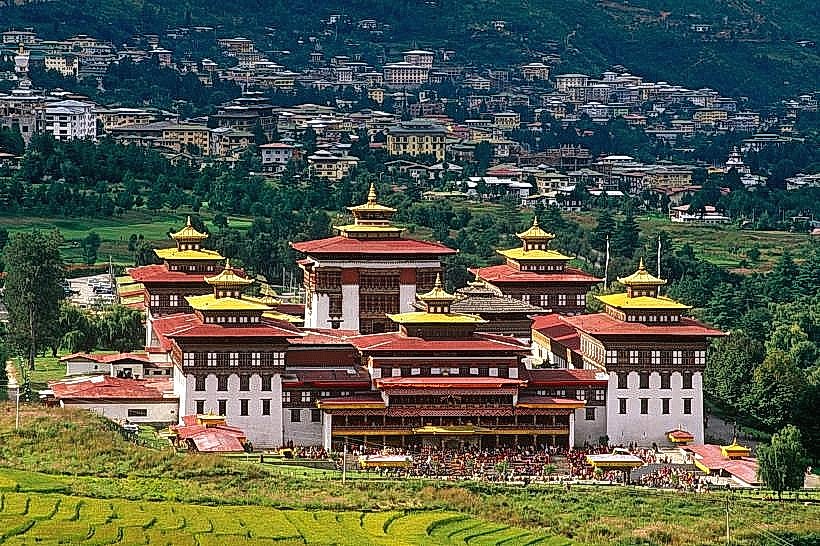
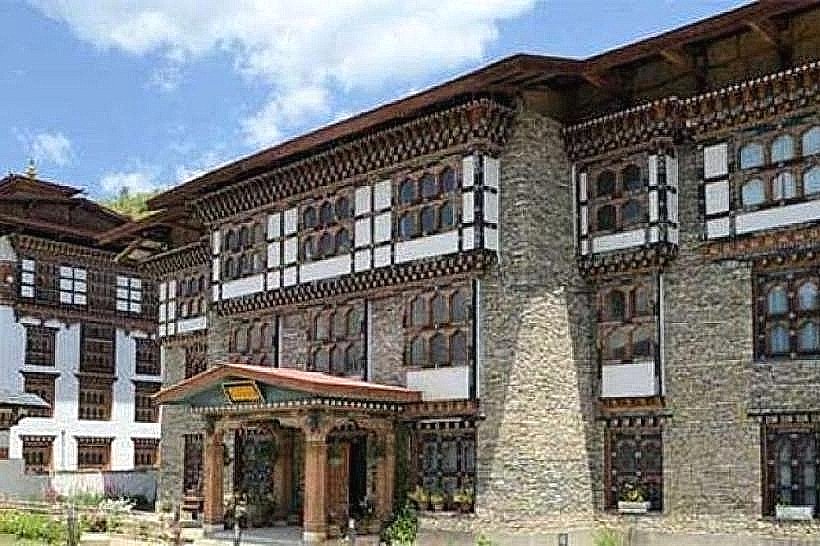
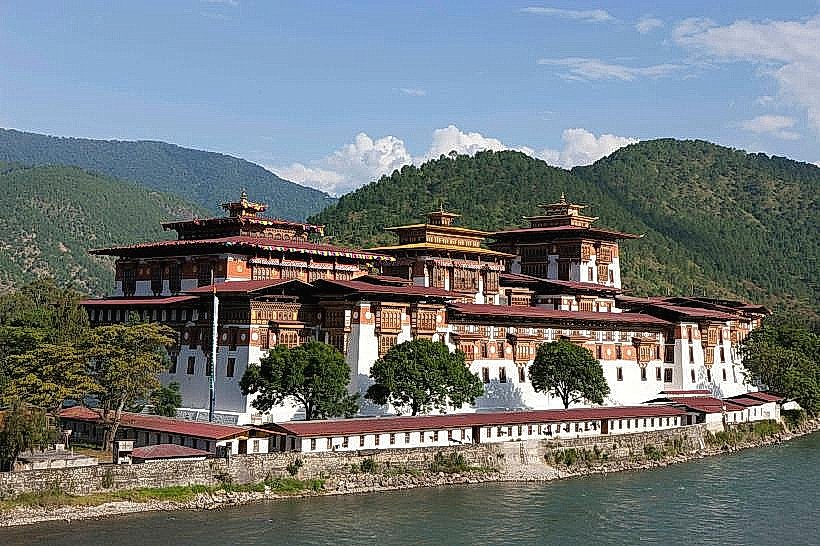
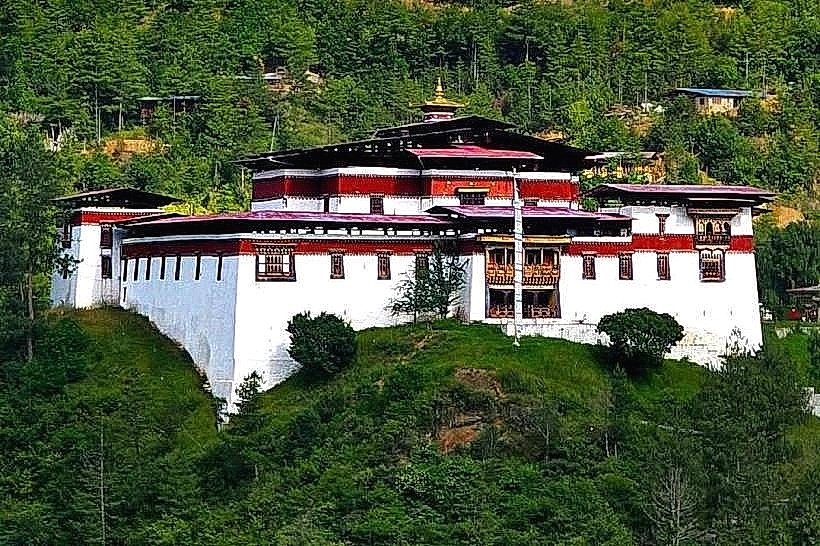
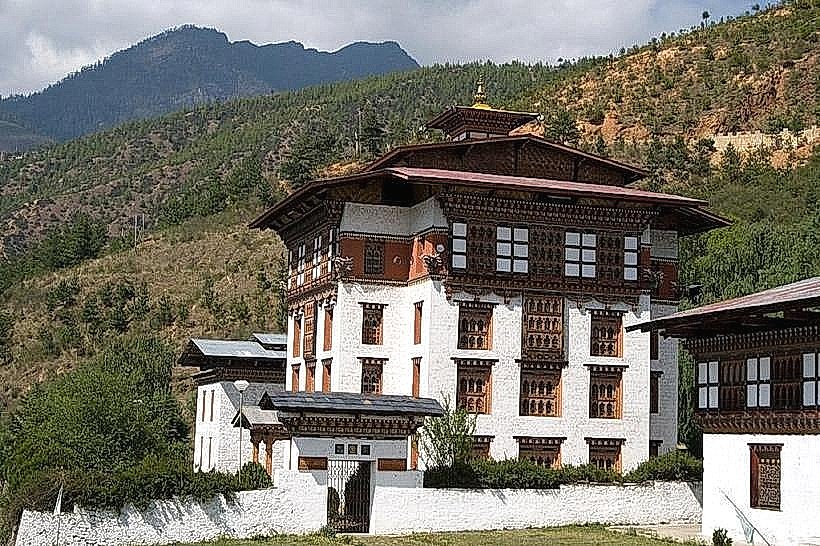
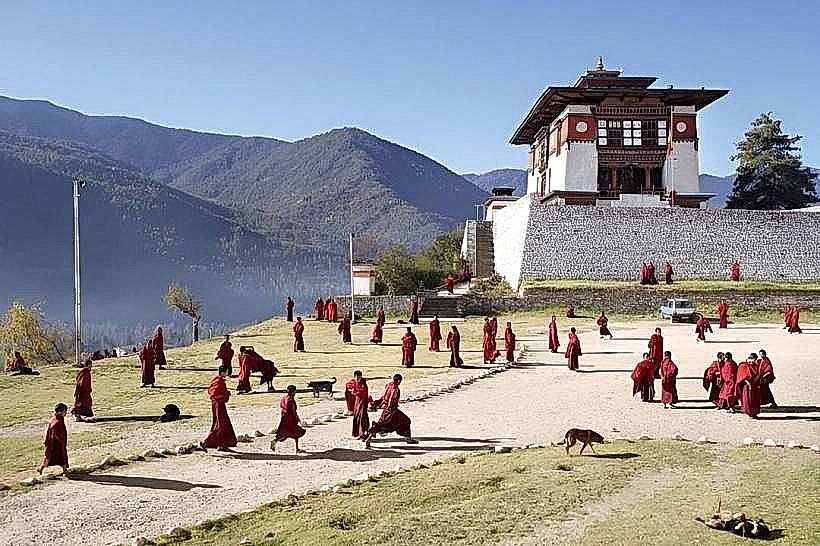
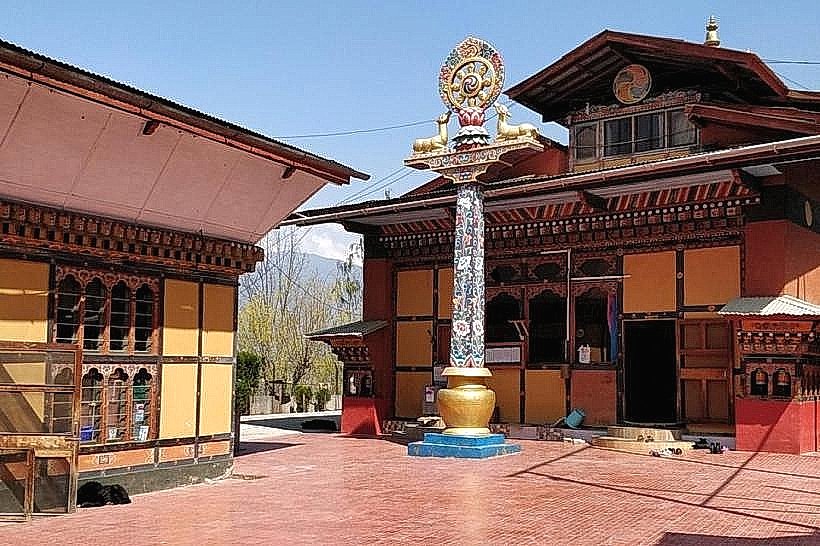
The monastery complex comprises several structures constructed from stone and wood. The primary buildings feature whitewashed walls with traditional Bhutanese architectural elements, including tiered roofs and decorative carvings. The monastery is situated at an elevation of approximately 3,600 meters (11,800 feet), offering panoramic views of the surrounding valleys.
Location & Access Logistics
Phajoding Monastery is located approximately 10 kilometers (6.2 miles) north of Thimphu city center. Access is primarily via a hiking trail that begins at the Motithang area of Thimphu. The trail is steep and can take 3-4 hours to ascend. There is no road access directly to the monastery, and parking is available at the trailhead in Motithang. Public transport does not extend to the trailhead; taxis are the most common method to reach the starting point.
Historical & Ecological Origin
The monastery was founded in the 13th century by the Tibetan Buddhist master Phajo Drugom Zhigpo. It has since served as a prominent center for Drukpa Kagyu Buddhism. The surrounding area is characterized by alpine vegetation, including rhododendron forests and juniper trees, typical of the Himalayan foothills at this altitude.
Key Highlights & Activities
Hiking the trail to the monastery is the primary activity. Visitors can explore the various lhakhangs (temples) within the complex. Meditation and observing monastic life are possible. The viewpoint offers extensive vistas of the Thimphu valley.
Infrastructure & Amenities
Basic facilities are available at the monastery, including simple accommodation for pilgrims and visitors (reservations often required). There are rudimentary restrooms. Shade is available within the monastery grounds. Cell phone signal is intermittent and unreliable. Food vendors are not present at the monastery; visitors must carry their own provisions.
Best Time to Visit
The best months for visiting are from March to May and September to November, offering clear skies and moderate temperatures. The best time of day for photography is generally in the morning or late afternoon when the light is softer. The trail can be challenging in winter due to snow and ice.
Facts & Legends
Legend states that the site was blessed by Guru Rinpoche. A specific tip for visitors is to carry sufficient water and snacks, as there are no services along the hiking trail or at the monastery itself. The air is thin at this altitude, so acclimatization is recommended.
Nearby Landmarks
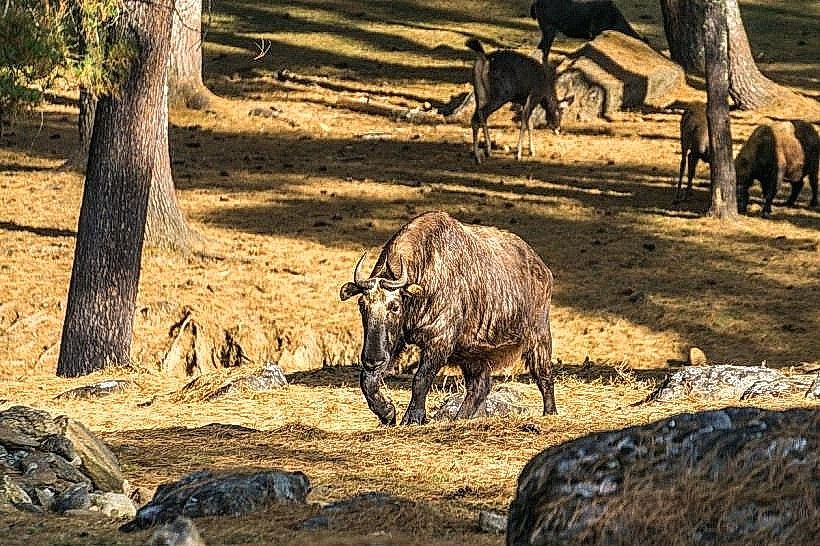
- Takin Preserve (2.5km South)
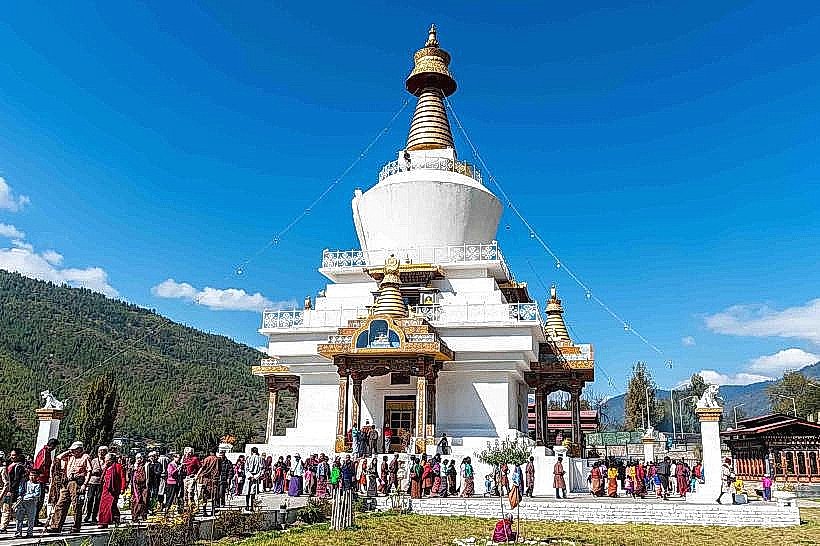
- National Memorial Chorten (6km South)
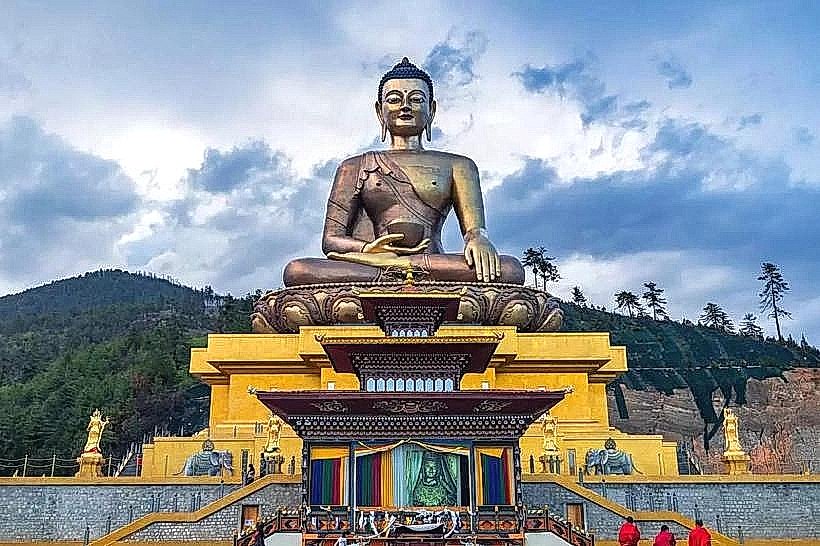
- Buddha Dordenma (7km South)
- Folk Heritage Museum (6.5km South)