Information
Landmark: National Library of BhutanCity: Thimphu
Country: Bhutan
Continent: Asia
National Library of Bhutan, Thimphu, Bhutan, Asia
The National Library of Bhutan is a repository of Bhutanese historical documents and religious texts located in Thimphu, Bhutan.
It houses a significant collection of Buddhist manuscripts and modern publications.
Visual Characteristics
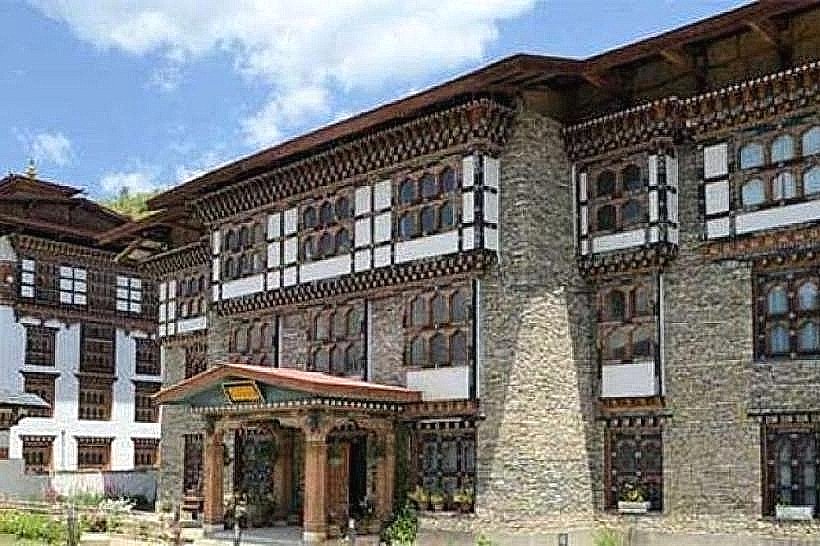
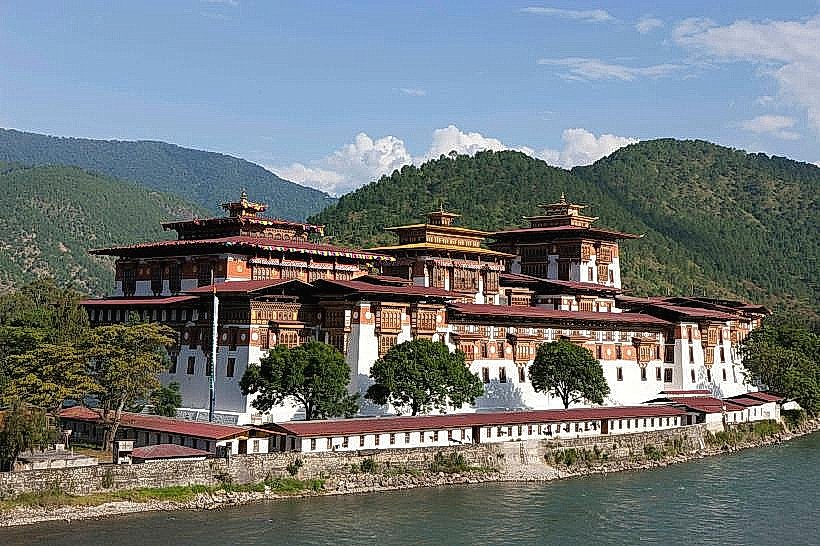
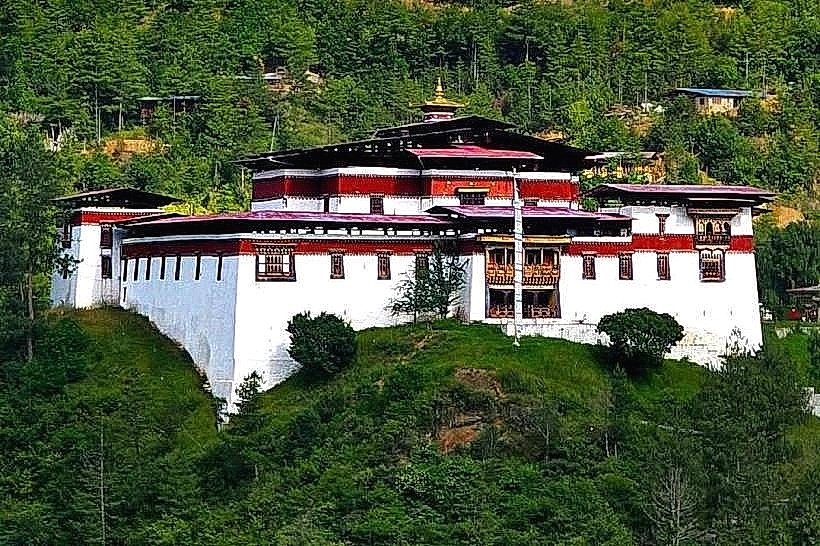
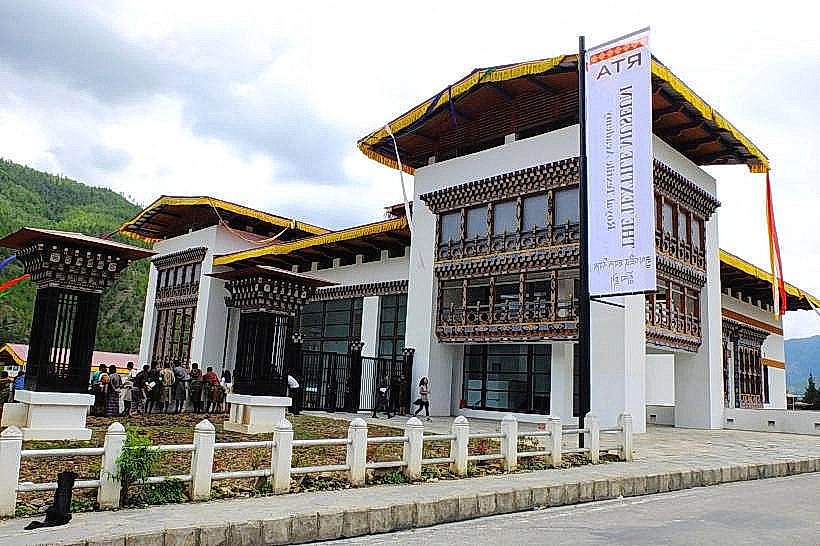
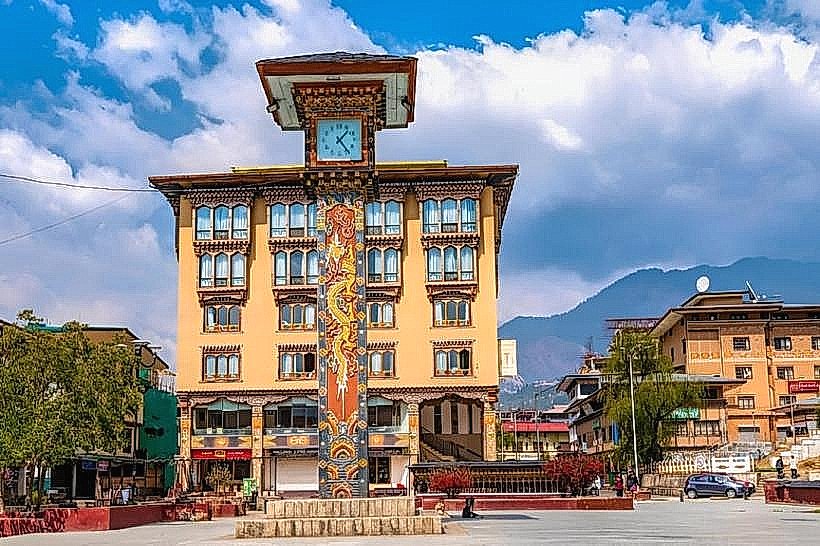
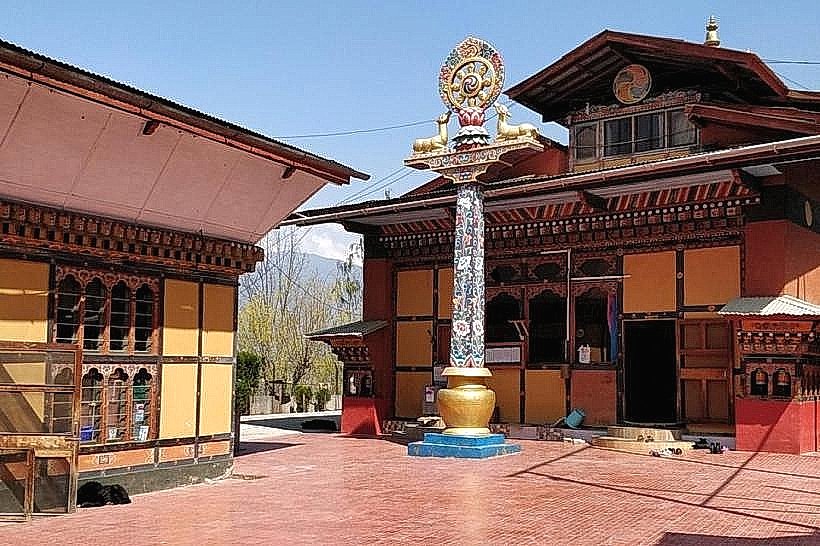
The library building is constructed with traditional Bhutanese architectural elements. It features a multi-story structure with a distinctive sloped roof, ornate wooden carvings, and whitewashed walls. The primary construction material is stone and timber, painted in earthy tones with decorative accents.
Location & Access Logistics
The National Library of Bhutan is situated in the central area of Thimphu. It is approximately 1.5 kilometers south of the main Clock Tower Square. Access is via Norzin Lam, the primary road through the city. Parking is available on-site, with dedicated spaces for visitors. Public bus services operate along Norzin Lam, with stops within a 5-minute walk of the library.
Historical & Ecological Origin
The library was established in 1967 with the objective of preserving Bhutan's rich cultural and religious heritage. Its initial collection comprised over 1,000 Buddhist texts and manuscripts. The current building was constructed later to accommodate the growing collection and provide a secure environment for its preservation.
Key Highlights & Activities
Visitors can view the extensive collection of ancient Buddhist manuscripts, including the world's largest book, the Bhutan: A Visual Odyssey. The library also displays historical documents, thangkas (traditional scroll paintings), and contemporary Bhutanese literature. Access to the main reading rooms may require prior arrangement or specific permissions.
Infrastructure & Amenities
Restrooms are available for public use. Limited shaded areas are present around the building exterior. Cell phone signal (4G/5G) is generally consistent within the library premises. No on-site food vendors are present, but several cafes and restaurants are located within a 10-minute walk along Norzin Lam.
Best Time to Visit
The library is open year-round during standard business hours, typically from 9:00 AM to 5:00 PM, Monday to Friday. Weekends may have reduced hours or be closed. The best time for photography of the exterior architecture is during daylight hours, avoiding direct midday sun for softer light. No specific tide requirements apply.
Facts & Legends
The library is home to the "Bhutan: A Visual Odyssey," a massive book weighing approximately 60 kilograms and measuring 5 feet by 7 feet when open. It holds the Guinness World Record for the largest book. The collection includes rare palm-leaf manuscripts dating back centuries.
Nearby Landmarks
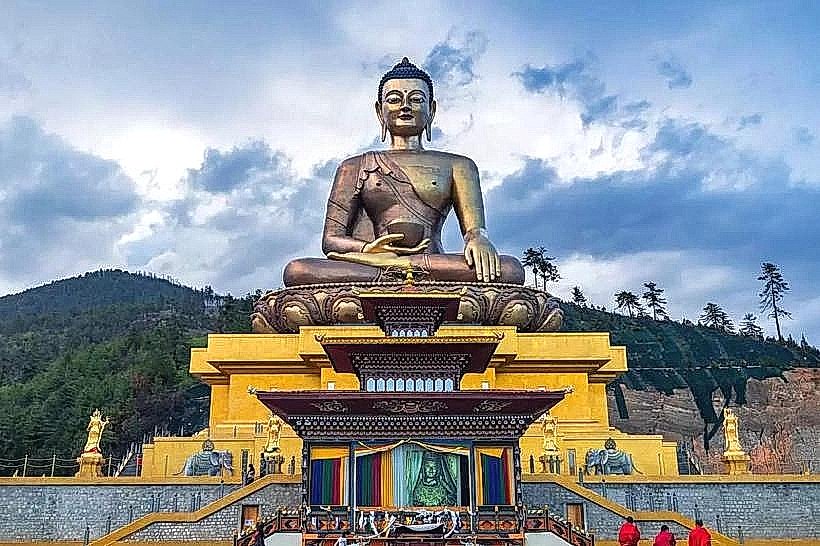
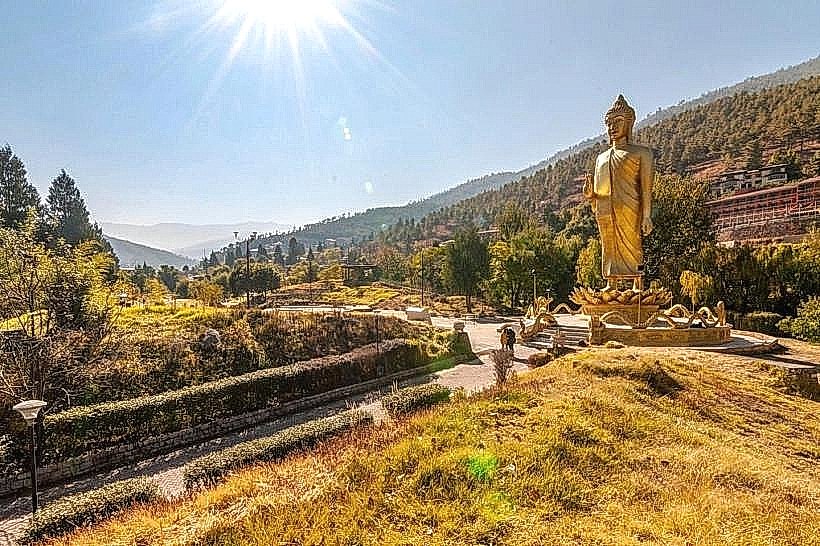
- Buddha Dordenma Statue (2.5km South)
- Folk Heritage Museum (0.8km North)
- Textile Museum (1.2km North)
- Tashichho Dzong (1.8km North)
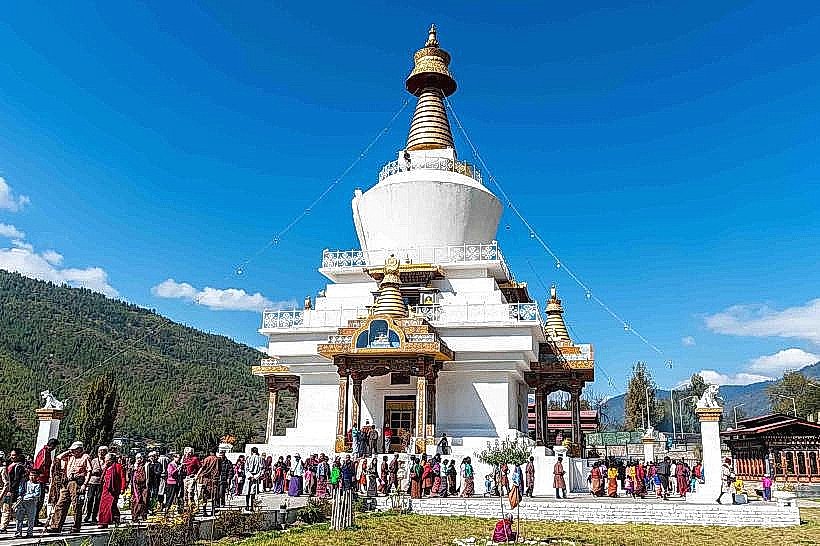
- National Memorial Chorten (0.3km North)