Information
Landmark: Tashichho DzongCity: Thimphu
Country: Bhutan
Continent: Asia
Tashichho Dzong, Thimphu, Bhutan, Asia
Tashichho Dzong is a fortress-monastery located in Thimphu, the capital city of Bhutan. It serves as the seat of the government and the monastic body.
Visual Characteristics
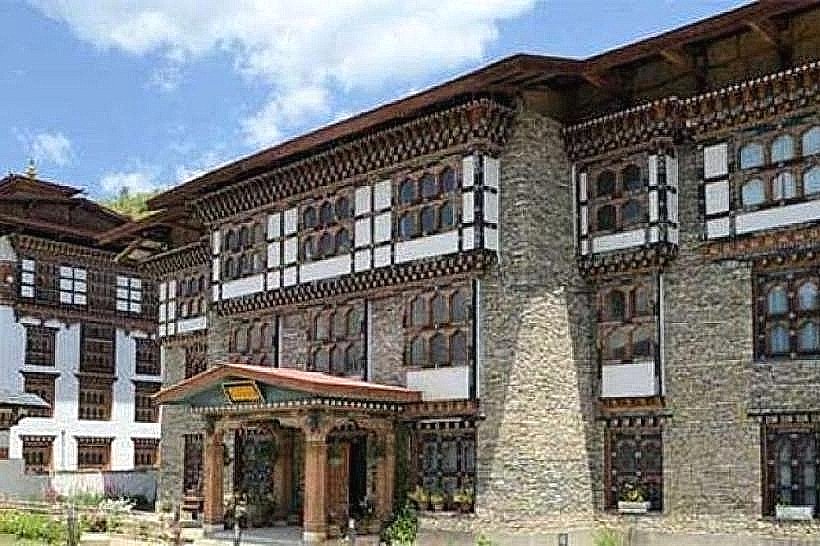
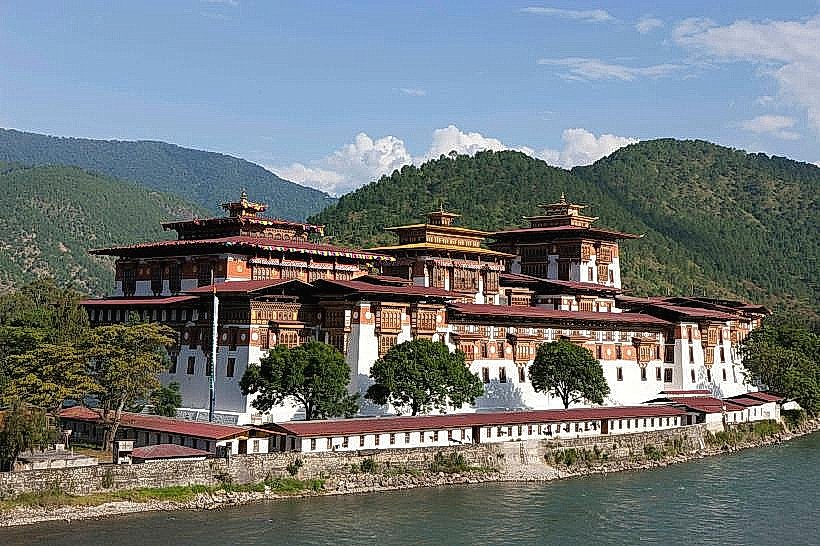
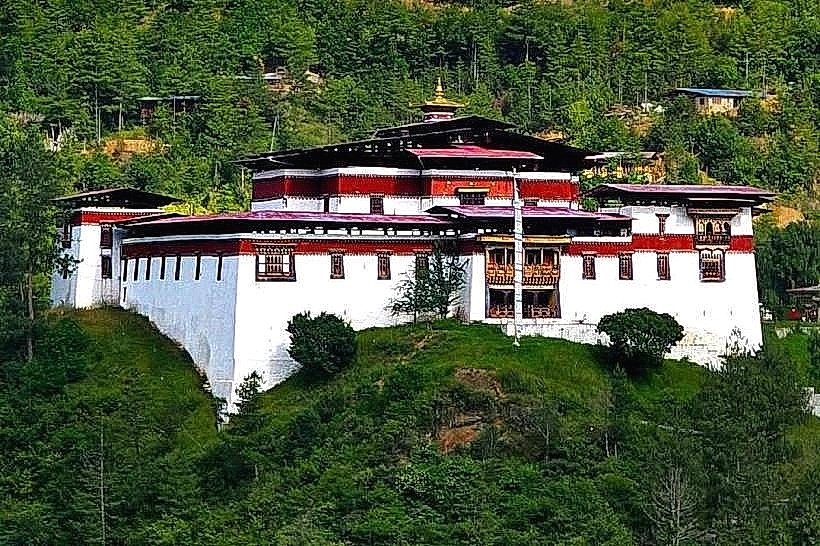
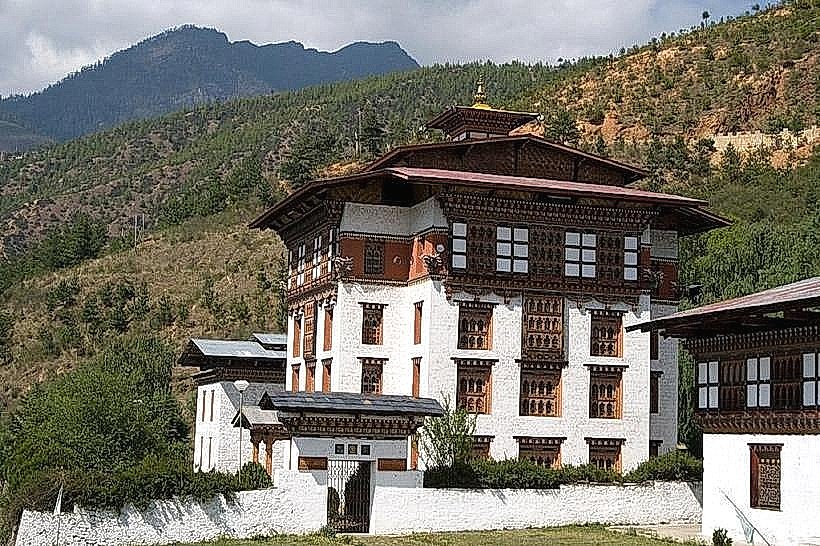
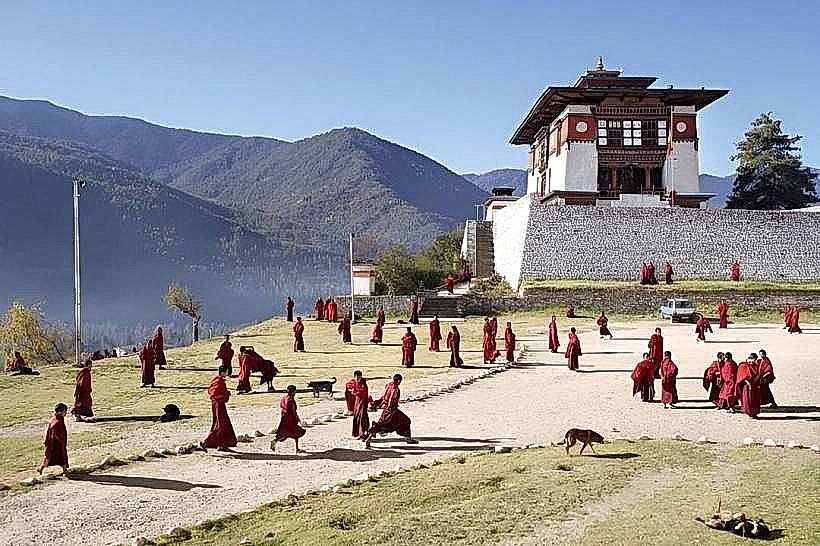
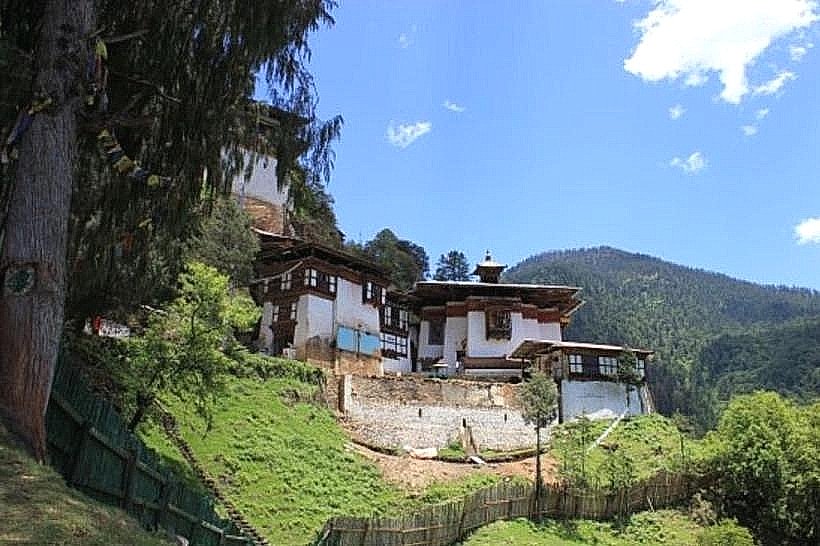
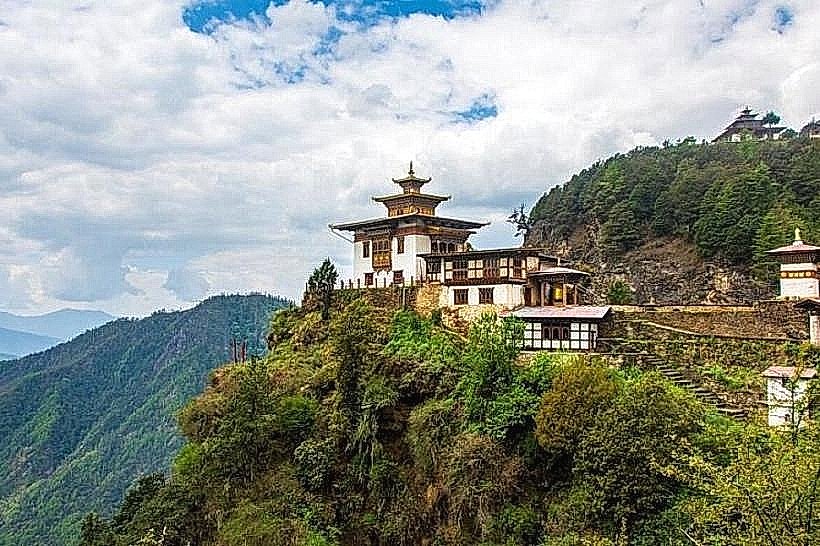
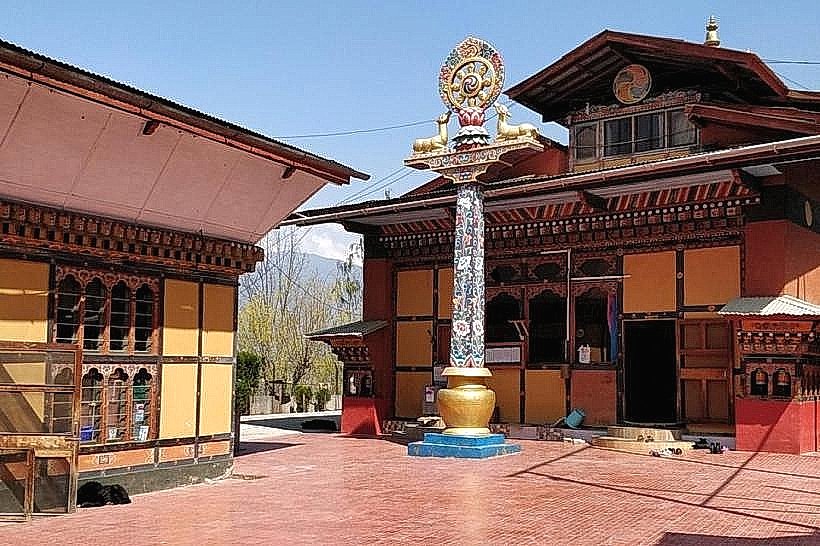
Constructed primarily from stone and timber, the Dzong features whitewashed walls with distinctive red and gold trim. It is a multi-storied structure with large courtyards and intricately carved wooden elements. The architectural style is traditional Bhutanese, characterized by its massive, sloping walls and tiered roofs.
Location & Access Logistics
Tashichho Dzong is situated on the western bank of the Wang Chhu river, approximately 1km south of the city center of Thimphu. Access is via the main road leading into Thimphu. Parking is available in designated areas near the Dzong. Public transport options include local buses that stop within walking distance.
Historical & Ecological Origin
The original structure was built in the 13th century by Lama Gyalwa Lhanangpa. It was later rebuilt and expanded by Zhabdrung Ngawang Namgyal in 1641. The Dzong has undergone several renovations and reconstructions over the centuries, with significant additions made in the 1960s and 1980s.
Key Highlights & Activities
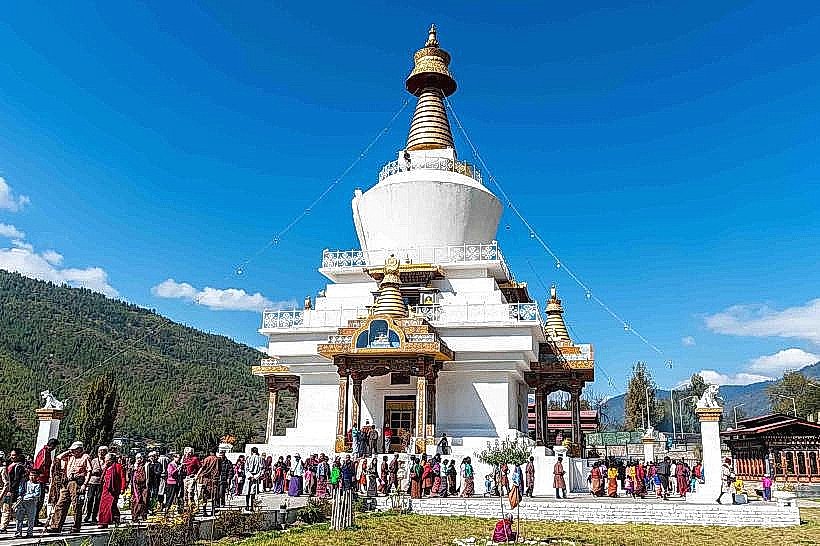
Visitors can observe the daily flag-lowering ceremony at sunset. Guided tours of the Dzong's courtyards and assembly halls are available. Photography is permitted in designated outdoor areas only. The National Memorial Chorten is located nearby.
Infrastructure & Amenities
Restrooms are available for visitors. Limited shaded areas are present within the courtyards. Cell phone signal (4G/5G) is generally available. Food vendors are located outside the Dzong complex.
Best Time to Visit
The Dzong is open to visitors from 5:00 PM to 6:00 PM on weekdays and from 8:00 AM to 6:00 PM on weekends and during summer holidays. The best time for photography is during the late afternoon when the light illuminates the structure. The months of October and November offer pleasant weather conditions.
Facts & Legends
Tashichho Dzong translates to "Fortress of the Glorious Religion." It is believed to house relics of the past and is a significant spiritual center for the Bhutanese people.
Nearby Landmarks
- National Memorial Chorten (0.3km North)
- Folk Heritage Museum (1.2km North)
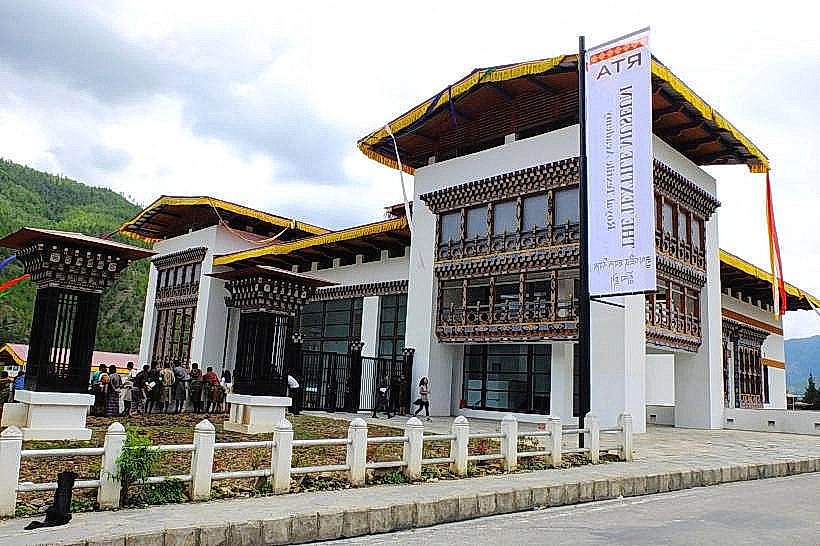
- Textile Museum (1.5km North)
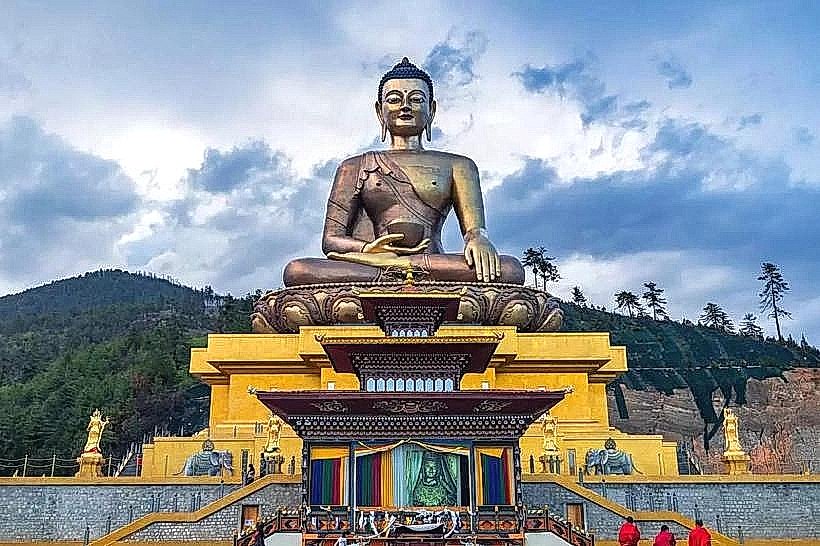
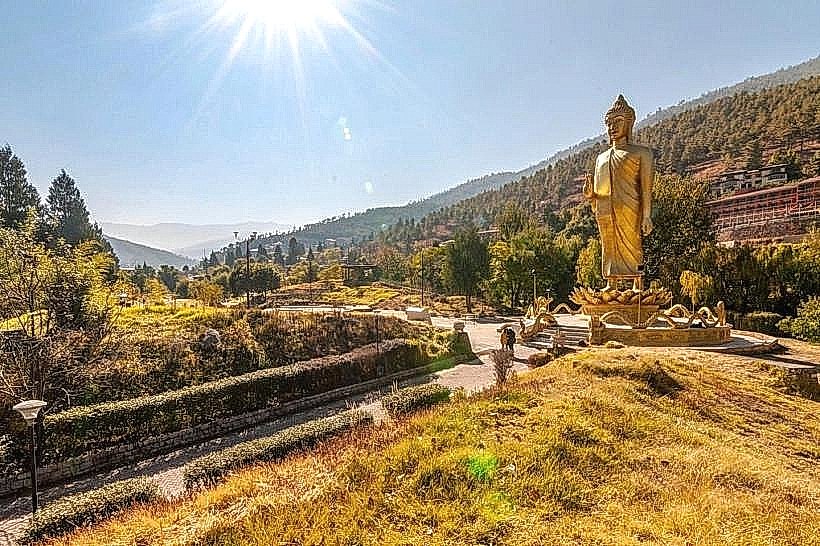
- Buddha Dordenma (3.5km South)