Information
Landmark: Great Kills ParkCity: Staten Island
Country: USA New York
Continent: North America
Great Kills Park, Staten Island, USA New York, North America
Overview
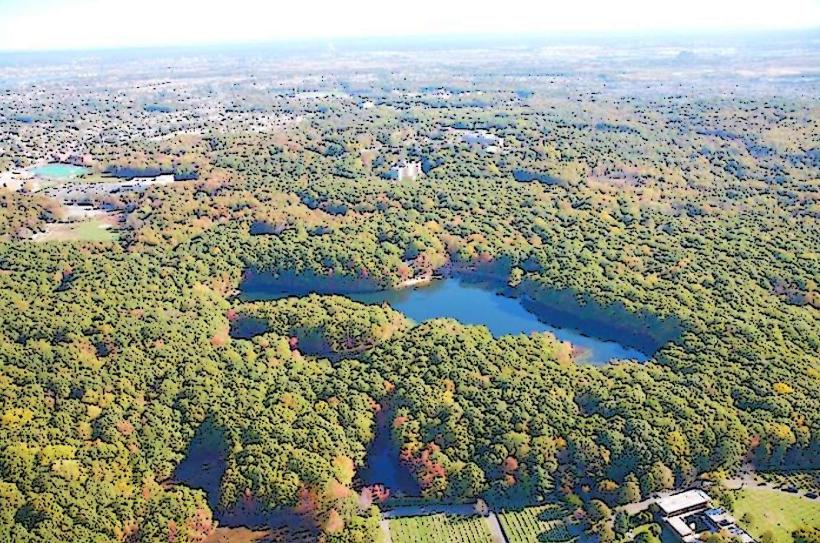
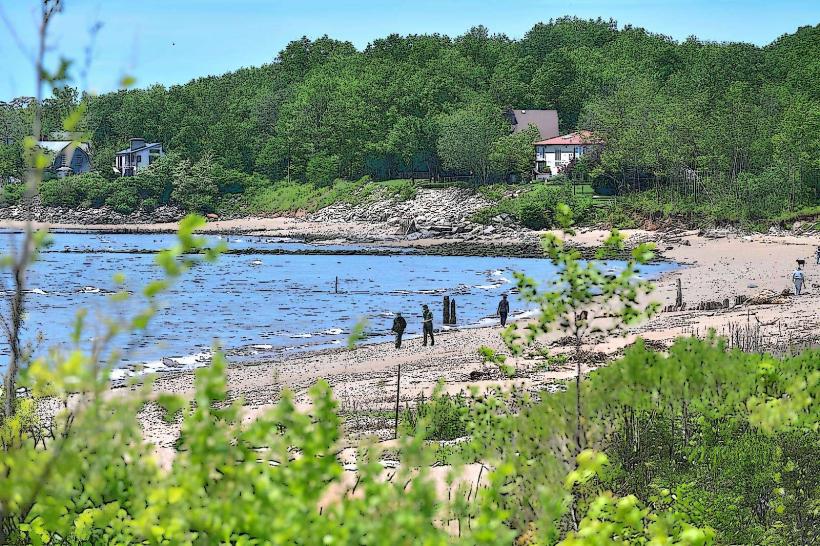
Great Kills Park spans 580 acres along Staten Island’s southern waterfront, where salt air drifts in from the bay; it’s part of the Gateway National Recreation Area and run by the National Park Service, simultaneously it’s an essential destination for nature, recreation, and culture, where sandy shores meet marsh grass, shaded woods, and the quiet curve of a harbor.The park’s coastal habitats range from quiet salt marshes, alive with darting fish and herons, to natural barriers that shield the shore from storms and floods, while dunes line the shoreline, holding the sand in site and shielding it from the wind’s bite.As it turns out, A woodland of native trees and tangled underbrush, where a thrush calls from the shade and local wildlife thrives, not only that beaches shelter shorebirds and double as places where people stroll barefoot along the sand, maybe Wildlife & birdwatching: Great Kills Park draws bird lovers from everywhere, with more than 279 species spotted, from radiant warblers flitting in the grass to ospreys gliding over the bay, and birdwatchers flock to the park in migration season to spot key species like the sharp-eyed Parasitic Jaeger, the striking King Eider, Sandhill Crane, Short-eared Owl, Lapland Longspur, and the dazzling Yellow-headed Blackbird-making this destination a vital haven for bird conservation.The park’s coastline offers several inviting spots-current Dorp, Cedar Grove, Oakwood, and Fox Beach-where, from Memorial Day to Labor Day, lifeguards watch over swimmers, sunbathers, and folks strolling the shore with sand between their toes, subsequently trails & Paths: A smooth, multi-use path winds for about 1.5 miles through the park, perfect for walking, jogging, or biking, with glimpses of the harbor glittering beside quiet stretches of trees.You’ll find designated fishing spots, especially near Crooke’s Point and along the quiet stretch of the harbor where the water smells faintly of salt, in addition in some spots, you can’t park unless you’ve got a valid fishing permit tucked on your dash.Boating & Marina: The park’s Great Kills Marina offers boat docking, maintenance, and rentals, from tying up at a sunlit pier to getting your vessel tuned for the next trip, in conjunction with motorboats can use the launch ramp-though not jet skis, kayaks, or canoes-to slip into Great Kills Harbor and out toward the choppy expanse of Lower contemporary York Bay.You’ll find picnic spots with sturdy tables and smoky grills, clean restrooms, and plenty of parking for visitors, subsequently crooke’s Point, named for John J, carries a history shaped by both people and the wind off the bay, along with the area’s ongoing environmental work.In the 19th century, naturalist Crooke owned land here, and ever since, people have treasured its wildflower meadows and rich biodiversity, to boot radium Contamination & Cleanup: In 2005, officials found dangerously high levels of radium-226, setting off a massive cleanup that scraped tainted soil from the ground.Believe it or not, About 282 acres of the park have been off-limits to visitors since, fenced in for remediation work that stirs up the smell of fresh earth, to boot cleanup is still underway, and little by little sections open back up once crews clear debris and secure the area.Curiously, You can reach the park from Staten Island’s South Shore by taking Hylan Boulevard or turning onto Buffalo Street, where the trees start to thin and the ocean breeze picks up, in turn we’re open every day, luminous and early at 6 a.m, and keep the lights on until 9 p.m, loosely You can reach the National Park Service office at (718) 354-4606, and for the latest news or details-like trail openings or event times-visit the Gateway National Recreation Area website, consequently great Kills Park is a treasured stretch of green on Staten Island, where sandy beaches meet shaded forest trails, seabirds wheel overhead, and wildlife thrives.It’s a destination for history buffs, nature lovers, and anyone looking to picnic, learn, or simply breathe in the salt air.
Author: Tourist Landmarks
Date: 2025-09-30