Information
Landmark: Holy Trinity MonasteryCity: Pljevlja
Country: Montenegro
Continent: Europe
Holy Trinity Monastery, Pljevlja, Montenegro, Europe
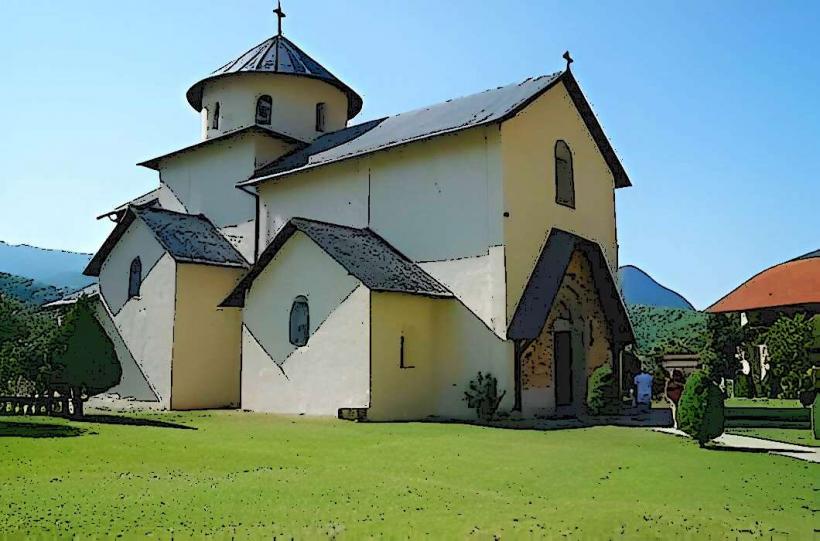
Holy Trinity Monastery (Manastir Sveta Trojica) is a Serbian Orthodox monastery located in the northern outskirts of Pljevlja. It serves as a major spiritual and cultural center for the region, noted for its preservation of medieval literacy and ecclesiastical art.
Visual Characteristics
The monastery complex is centered around a church featuring a combination of Raška and coastal architectural styles. It is built from light-colored stone and includes a single nave with a low dome. The interior is characterized by a high iconostasis and well-preserved 16th-century frescoes. The exterior is surrounded by high stone walls and several white-washed wooden and stone monastic buildings (konaks) with traditional steeply pitched roofs.
Location & Access Logistics
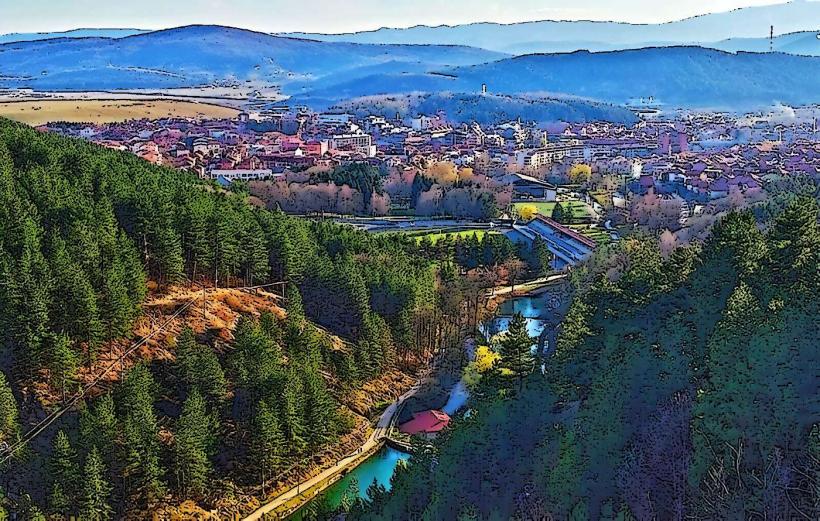
The site is situated approximately 2 kilometers north of the Pljevlja city center, nestled at the base of a wooded hill.
Access: A paved road connects the monastery directly to the urban center.
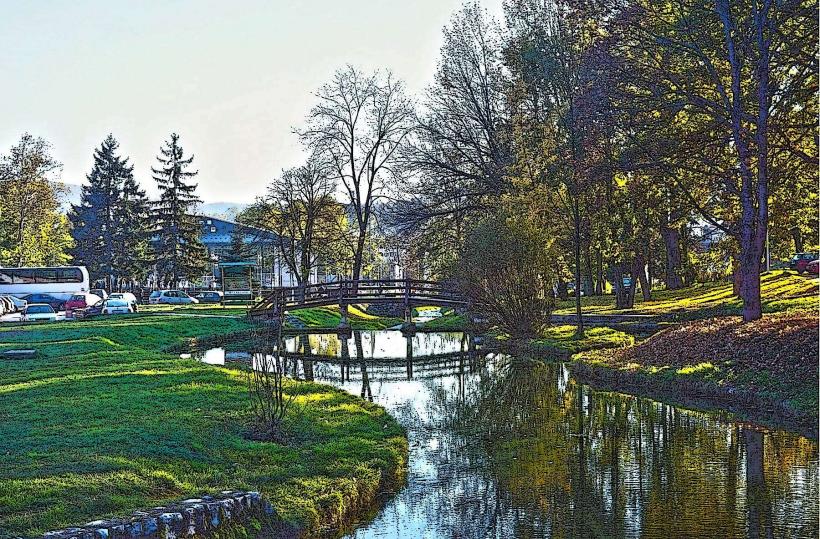
Pedestrian: It is a 20-minute walk from the city's main square through a park and a residential area.
Transit: Private vehicle or taxi is the most efficient logistical option; no dedicated public transport route exists.
Parking: A dedicated lot is available at the entrance gate.
Historical & Ecological Origin
The exact date of foundation is unknown, though it was first mentioned in historical records in 1537. It became a prominent center for transcription and illumination of manuscripts during the Ottoman period. Geologically, it is built on a stable limestone terrace above the Breznica river. The surrounding area is dominated by dense pine and spruce forests, providing a distinct highland microclimate.
Key Highlights & Activities
Ecclesiastical Treasury: The monastery houses one of the richest treasuries in Montenegro, including the staff of Saint Sava and a significant collection of 16th-century silver filigree.
Manuscript Collection: The library contains valuable medieval books and liturgical texts transcribed on-site.
Relics: The monastery preserves the hand of Saint Thekla.
Spirituality: The site remains an active monastic community; visitors can attend daily morning and evening services.
Infrastructure & Amenities
The grounds include a small shop for monastic products (honey, herbal teas, and candles) and a public drinking fountain with spring water. 5G cellular coverage is stable. Natural shade is extensive throughout the courtyard due to mature trees and the proximity of the forest. Modest attire is strictly required for entry (shoulders and knees covered).
Best Time to Visit
The optimal time for a visit is during the late morning or early afternoon when natural light illuminates the interior frescoes. The patron saint's day, the Feast of the Holy Trinity (movable date in May or June), attracts large numbers of pilgrims. The site is a year-round destination, often appearing visually striking under heavy snow in winter.
Facts & Legends
A historical fact is that the monastery was a primary safe-haven for Serbian culture and literacy during three centuries of Ottoman administration. A local legend claims the monastery was built on this specific site because a "divine light" was seen descending upon the hill. The treasury once held the famous "Pljevlja Diatreta" glass before it was transferred to the city museum for security and preservation.
Nearby Landmarks
Pljevlja City Museum – 2.0km South
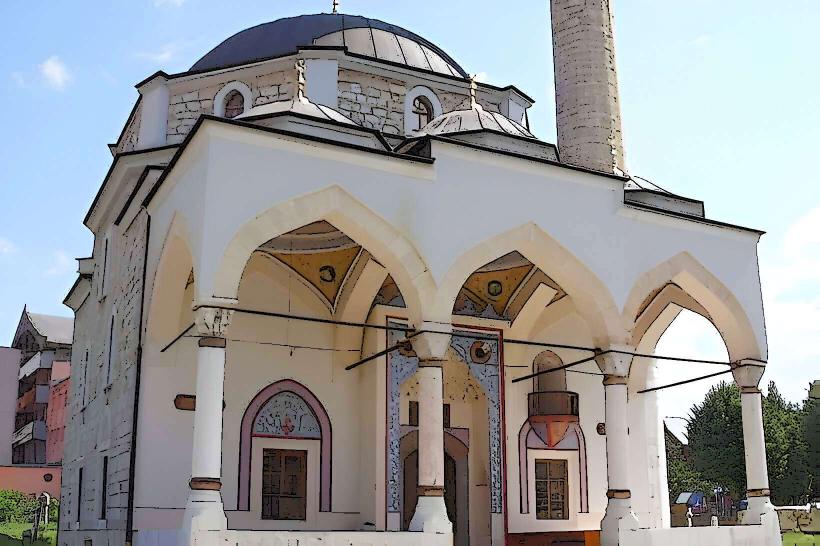
Husein-pasha's Mosque – 2.2km South
Breznica Park – 1.0km South
Municipium S Archaeological Site – 5.0km Southwest
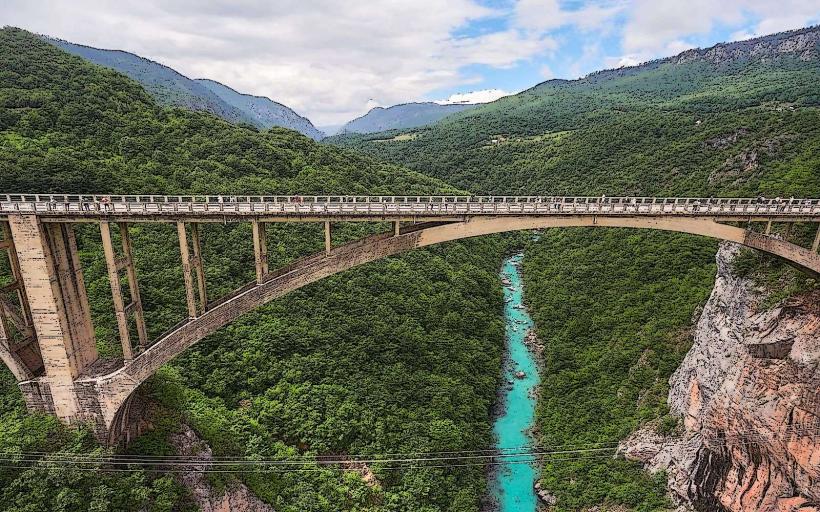
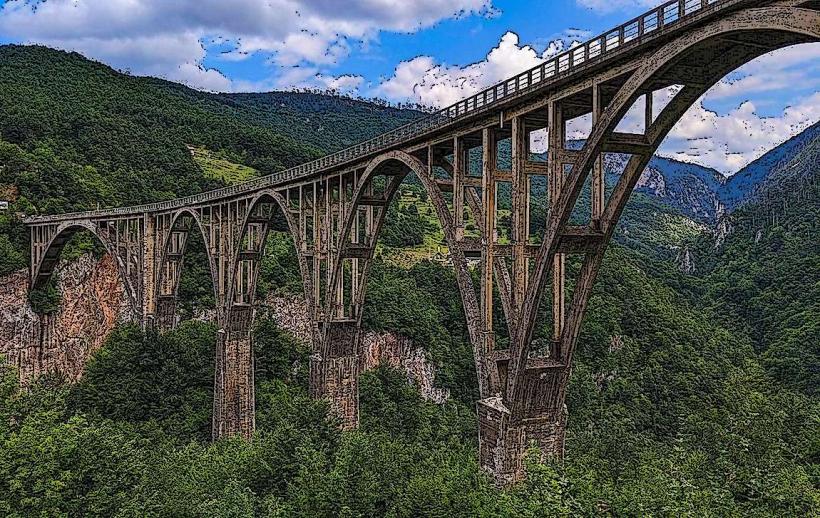
Tara River Bridge – 42.0km Southwest