Information
Landmark: Kosanica CaveCity: Pljevlja
Country: Montenegro
Continent: Europe
Kosanica Cave, Pljevlja, Montenegro, Europe
Kosanica Cave, also known locally as Pećina u Kosanici, is a speleological site located in the Kosanica karst plateau south of Pljevlja. It is part of a complex system of underground channels characteristic of the northern Montenegrin limestone terrain.
Visual Characteristics
The cave entrance is situated at the base of a limestone cliff and leads into a series of narrow passages and wider chambers. The interior features various dripstone formations, including stalactites and stalagmites of calcium carbonate, though many are obscured by high humidity and natural sediment. The walls consist of grey Mesozoic limestone, often showing visible signs of tectonic fracturing.
Location & Access Logistics
The cave is located approximately 25km south of Pljevlja via the P-4 regional road toward Đurđevića Tara. After reaching the Kosanica field, access requires traversing unmarked rural tracks and forest paths; a local guide is recommended for precise location. There is no formal parking or public transport to the cave entrance; vehicles are typically left in the village of Kosanica.
Historical & Ecological Origin
The cave was formed through the chemical and mechanical action of subterranean waters within the Dinaric Karst system over several millennia. While not fully excavated, the site is recognized for its potential paleoanthropological significance, as similar caves in the Pljevlja basin have yielded evidence of prehistoric human presence and Pleistocene fauna.
Key Highlights & Activities
Activities are limited to basic spelunking and geological observation. The site is a point of interest for hikers exploring the Kosanica plateau. Due to the lack of interior lighting and infrastructure, visitors must carry independent light sources and wear protective gear for navigating the uneven, often slippery cave floor.
Infrastructure & Amenities
There is no infrastructure at the site. No restrooms, waste bins, or paved paths exist. Shade is provided by the surrounding forest and the cave interior. Cell phone signal (4G) is available on the open plateau but drops significantly upon entering the cave or descending into the immediate sinkhole area.
Best Time to Visit
The best time to visit is during the dry months of July and August to minimize the risk of slippery surfaces and internal water accumulation. Photography requires high-powered artificial lighting due to the total absence of natural light beyond the entrance. Avoid visiting during heavy rain or spring snowmelt when karst channels can rapidly fill with water.
Facts & Legends
Local legends suggest the cave was used as a hideout during various historical conflicts, most notably during the Ottoman era and World War II. A specific "secret" tip is to observe the ceiling near the entrance, where unique colonies of cave-dwelling insects and occasionally bats can be spotted during the twilight hours.
Nearby Landmarks
Kosanica Field (Karst Plain): 1.5km North
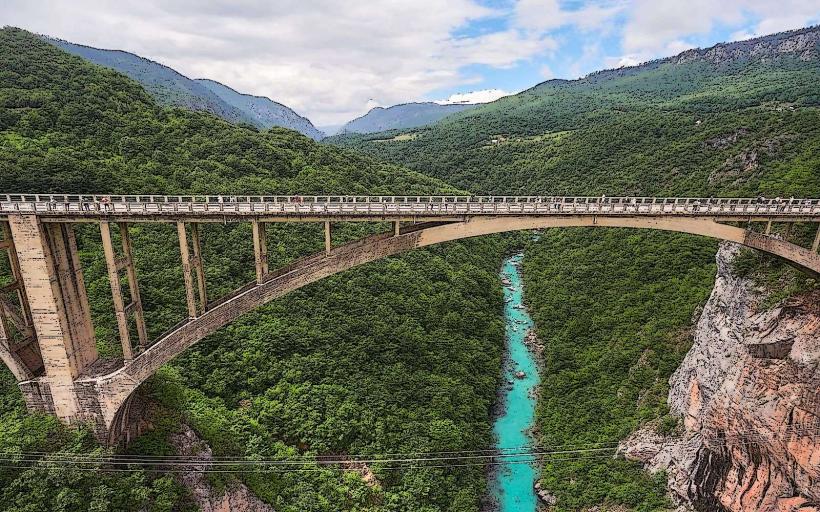
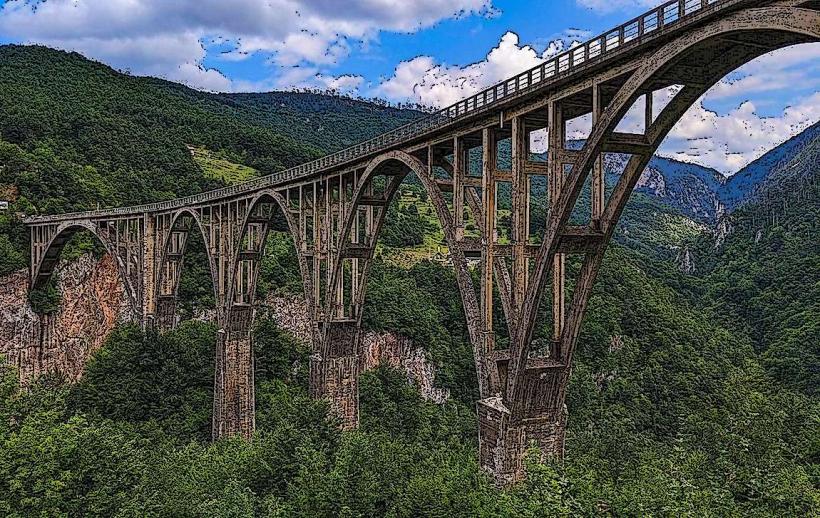
Tara Bridge (Đurđevića Tara): 12.0km South
Bitine Village: 4.0km West
Oćevina Stream: 3.5km East