Information
Landmark: Kruševlje MonasteryCity: Pljevlja
Country: Montenegro
Continent: Europe
Kruševlje Monastery, Pljevlja, Montenegro, Europe
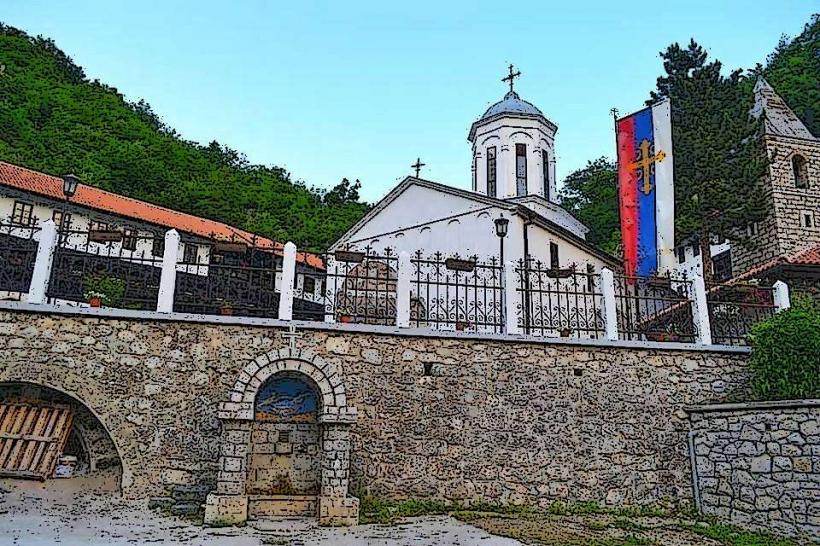
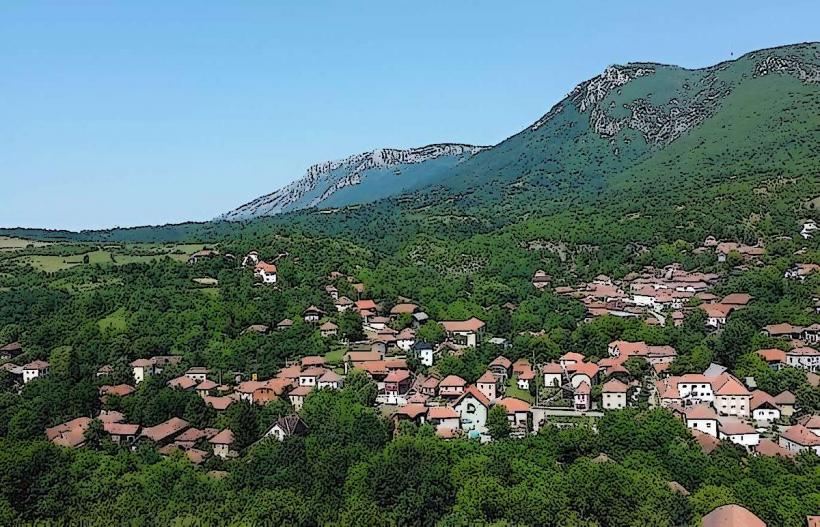
Kruševlje Monastery is a Serbian Orthodox monastery complex situated in the village of Kruševlje, approximately 15 kilometers from the town of Pljevlja. It serves as a spiritual site and cultural monument within the Eparchy of Mileševa, set against the rural landscape of the northern Montenegrin highlands.
Visual Characteristics
The monastery church is a modest, single-nave stone structure built in the traditional Raška architectural style. Its exterior features white-washed or natural stone walls with a gabled roof covered in dark tiles. The interior is characterized by a wooden iconostasis and contemporary hagiographic frescoes, while the surrounding complex includes a small bell tower and stone-walled monastic residences (konaks).
Location & Access Logistics
The site is located in the village of Kruševlje, accessed via the regional road R-3 leading south from Pljevlja toward the border with Serbia (Jabuka crossing). A local asphalt and macadam branch road leads directly to the monastery gates. There is no public bus service to the village; visitors typically arrive via private vehicle or taxi from Pljevlja. A small unpaved parking area is available at the entrance.
Historical & Ecological Origin
The monastery was built on the foundations of an older sacral structure, with the current church and complex being part of a modern restoration effort to revive monastic life in the region. Historically, the area was a key site for Orthodox monasticism during the Ottoman period. The site is positioned on a karst plateau characterized by fertile pockets of soil and surrounding deciduous forests.
Key Highlights & Activities
Religious services are held according to the liturgical calendar, and visitors may enter the church for prayer or to view the interior woodwork. The monastery courtyard offers a quiet space for reflection and views of the surrounding agricultural valleys. During the patron saint's feast day, the monastery hosts local communal gatherings and traditional folk assemblies.
Infrastructure & Amenities
The complex includes basic facilities such as a guesthouse for pilgrims and a small shop selling candles and religious items. There are no public restrooms or restaurants on-site, though water is available from a local spring. Cell phone signal (4G) is functional but may be weak in the depressions of the terrain. Natural shade is provided by trees within the monastery yard.
Best Time to Visit
The optimal time for a visit is during the late spring and summer months (May to September) when the mountain roads are clear and the gardens are in bloom. Photography is best in the mid-morning when the sun illuminates the eastern facade of the church. Visitors should check the monastic schedule if they wish to attend a specific service.
Facts & Legends
Local tradition holds that the site has been a "holy place" for centuries, with the modern reconstruction intended to restore the spiritual link that was severed during historical periods of instability. A specific local tip is to look for the traditional stone carvings integrated into the walls, which often incorporate motifs from older, ruined buildings found in the vicinity.
Nearby Landmarks
Holy Trinity Monastery: 14.5km North
Jabuka Border Crossing: 4.0km South
Mihailovica Peak: 6.2km West
Savine Vode Spring: 5.5km Southeast