Information
Landmark: Pljevlja City MuseumCity: Pljevlja
Country: Montenegro
Continent: Europe
Pljevlja City Museum, Pljevlja, Montenegro, Europe
The Pljevlja City Museum (Zavičajni muzej Pljevlja) is a primary cultural and scientific institution in northern Montenegro. It is located within the House of Culture (Dom Kulture) building in the center of Pljevlja. It is internationally recognized for housing the most significant artifacts from the Roman city of Municipium S, one of the most important archaeological sites in the interior of the Roman province of Dalmatia.
Visual Characteristics
The museum is organized into thematic galleries: archaeological, ethnological, and historical. The displays utilize modern lighting and climate-controlled cases to house delicate stone, metal, and glass artifacts. The most visually distinctive piece is the Diatreta glass, a cage cup representing the peak of Roman glassmaking technology.
Location & Access Logistics
The museum is situated in the central urban zone of Pljevlja on the main square.
Address: Trg 13. Jul, Pljevlja.
Transit: Reachable via the main regional roads from Žabljak (approx. 1.5 hours) or Bijelo Polje.
Entry: A standard admission fee applies. Photography is typically restricted in the Diatreta room but allowed in other galleries.
Historical & Ecological Origin
The museum was founded in 1952. Its primary collection originates from the nearby site of Komini, where the Roman Municipium S was located. Geologically, the region's limestone environment contributed to the preservation of many stone monuments and inscriptions. The collection provides a timeline from the prehistoric period through the medieval era to the end of Ottoman rule.
Key Highlights & Activities
The Pljevlja Diatreta: A 4th-century luxury glass vessel with an external network of glass "cages." It is one of the few completely preserved examples in the world.
Roman Stone Monuments: A vast collection of funerary stelae and altars from Municipium S, featuring unique Illyro-Roman artistic motifs.
Ethnological Collection: Showcases the traditional urban and rural life of northern Montenegro, including complex silver filigree jewelry and traditional Ottoman-influenced costumes.
Medieval Collection: Features weaponry and artifacts from the period of the Nemanjić dynasty and local feudal lords.
Infrastructure & Amenities
The museum is housed within a renovated cultural complex that includes a library and theater.
Climate: The interior is regulated to protect sensitive exhibits.
Signage: Information is available in both local language and English.
Connectivity: 5G cellular coverage is excellent in the central square area.
Best Time to Visit
The museum is open year-round. Morning hours are optimal for a quiet viewing experience. It serves as a critical indoor activity for visitors in the Pljevlja region, particularly during the harsh winter months or rainy periods.
Facts & Legends
The most famous fact is that the Pljevlja Diatreta was found in 1975 during excavations in a tomb at the Komini site. It is so valuable that it is kept in a high-security safe and only the original is exhibited under strict conditions. A technical curiosity: the glass cup was carved from a single block of glass, a process that required thousands of hours of precision work.
Nearby Landmarks
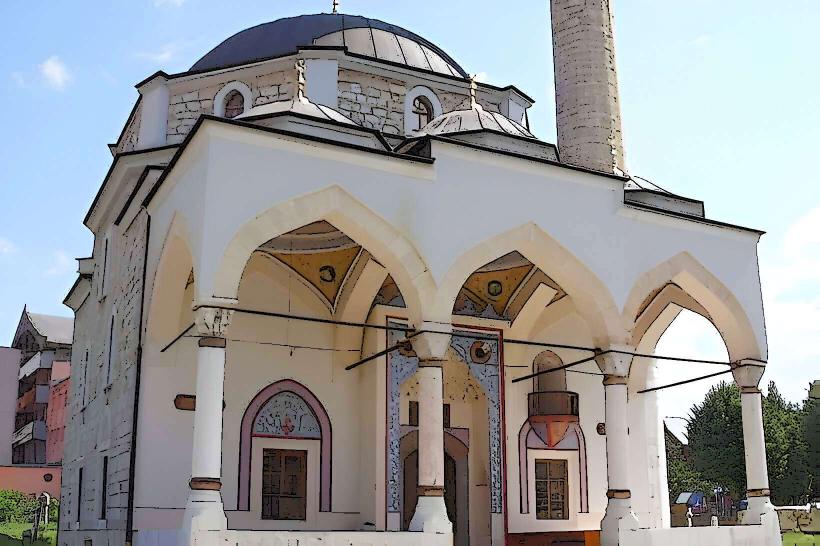
Husein-pasha's Mosque – 0.2km (Featuring one of the highest minarets in the Balkans)
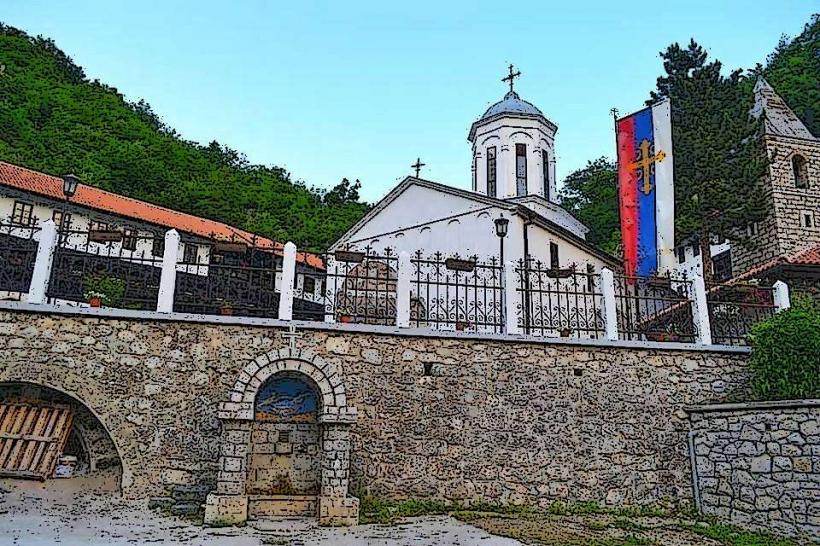
Holy Trinity Monastery (Sveta Trojica) – 2.0km North
Municipium S (Archaeological Site) – 4.0km West (Komini)
Miteuša Park – 0.5km East
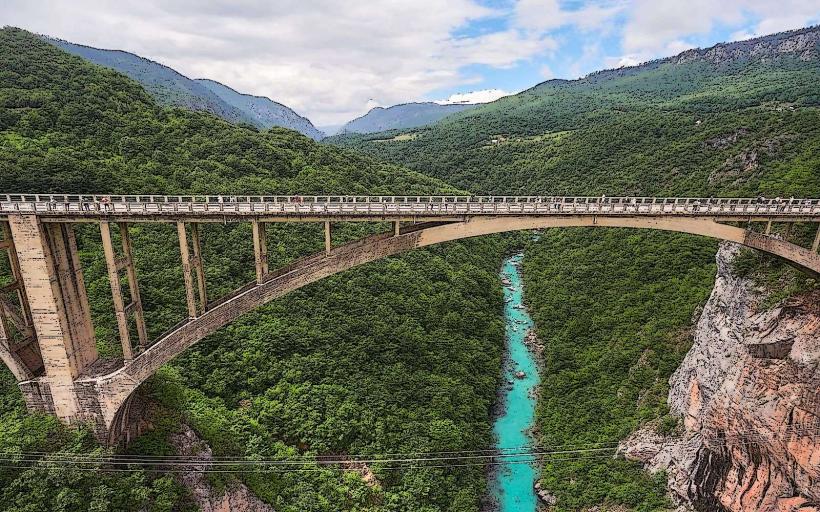
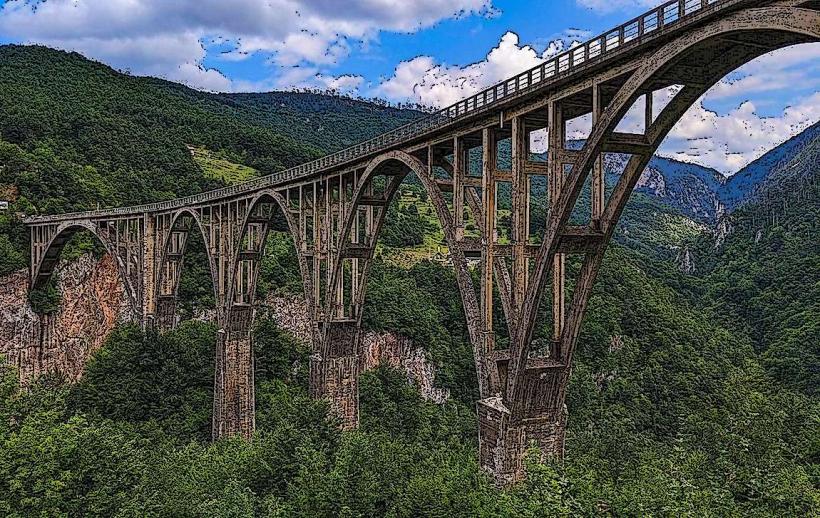
Tara River Bridge – 40.0km Southwest