Information
Landmark: Chobe River FrontCity: Rundu
Country: Namibia
Continent: Africa
Chobe River Front, Rundu, Namibia, Africa
The Chobe Riverfront is a prominent wildlife corridor and the northernmost sector of Chobe National Park in Botswana. It is defined by the permanent flow of the Chobe River, which forms the international border with Namibia's Zambezi Region.
Visual Characteristics
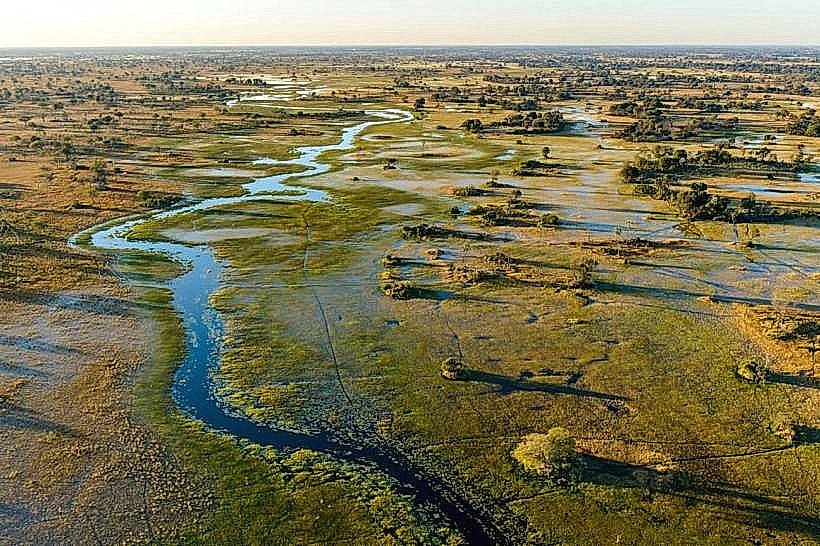
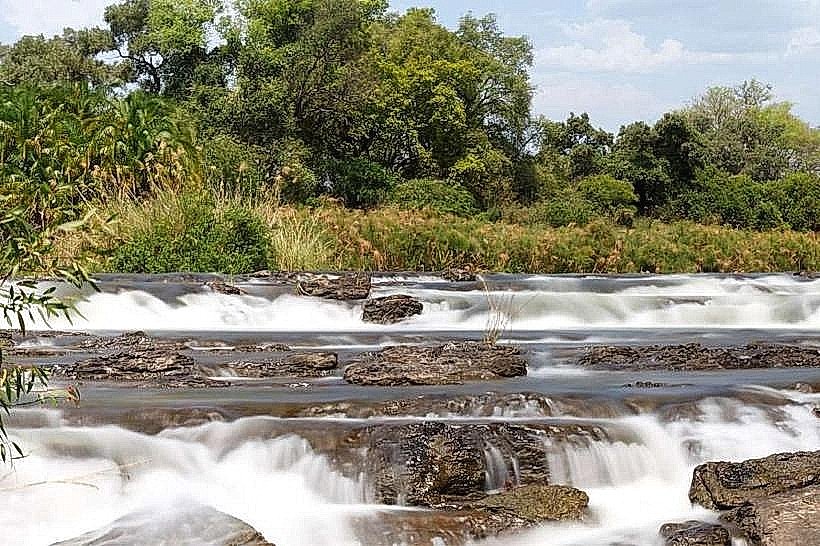
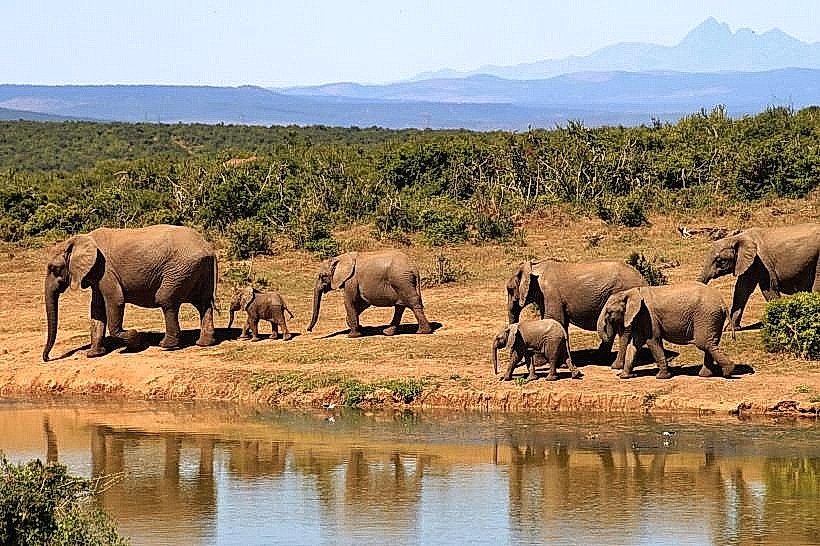
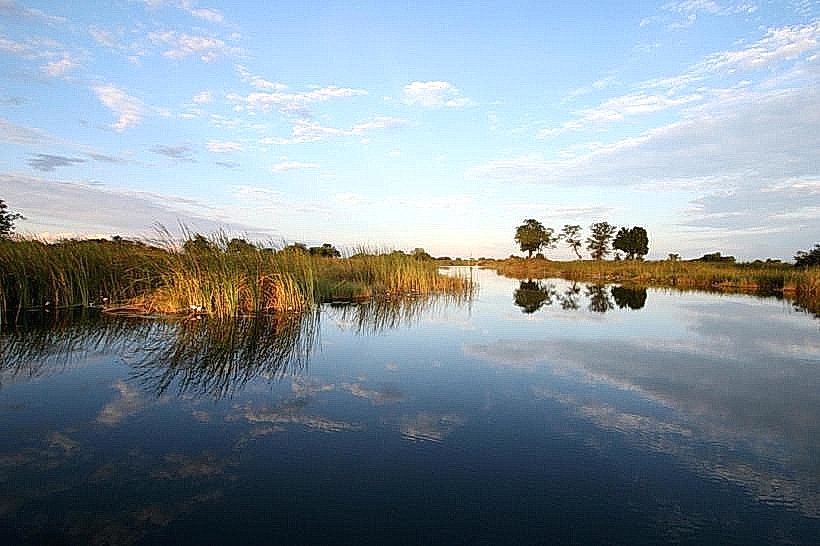
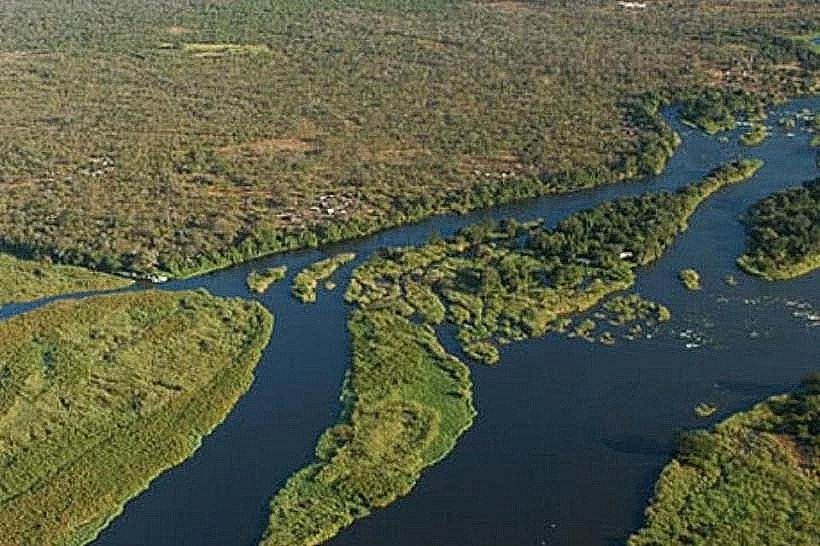
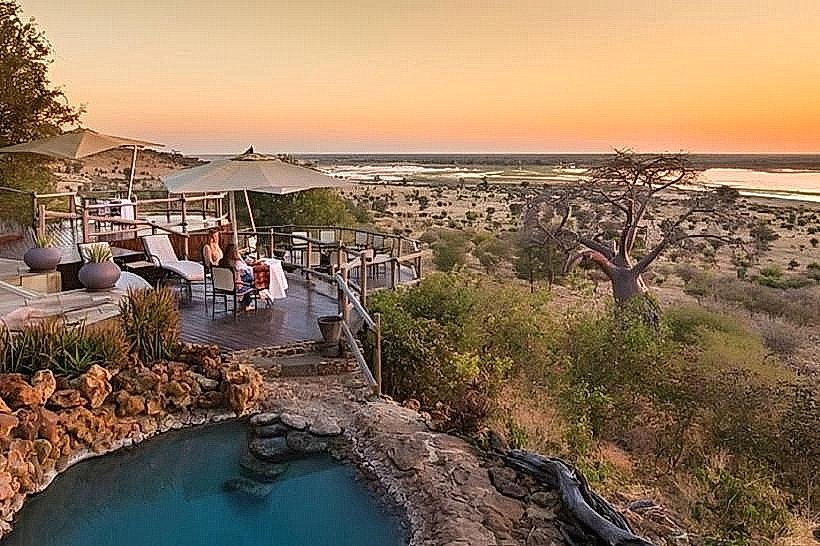
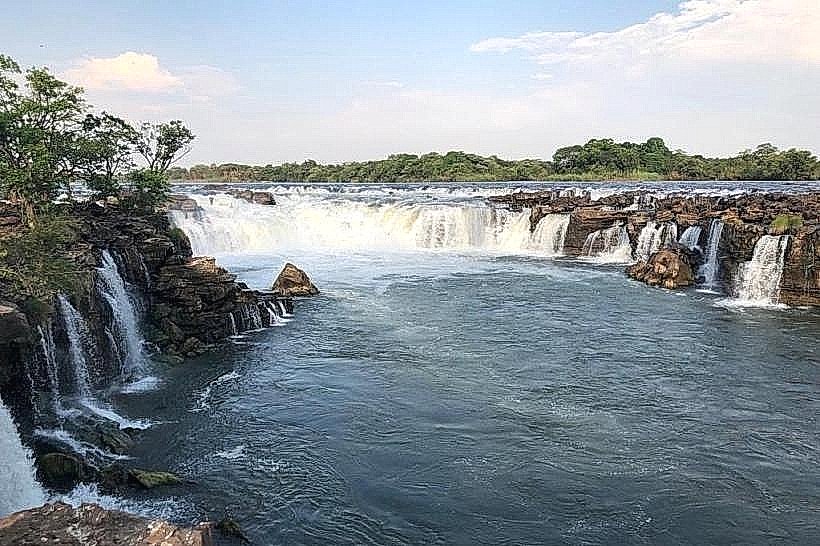
The landscape features a wide, perennial river channel flanked by lush floodplains, emerald-green reed beds, and thick papyrus swamps. Inland, the terrain rises into a steep escarpment dominated by teak and mahogany woodlands. A primary visual hallmark is the "elephant highways"-wide, trampled paths in the alluvial soil created by massive herds moving between the woodland and the water. The far bank (Namibian side) consists of vast, flat seasonal floodplains.
Location & Access Logistics
The riverfront is situated in northern Botswana, immediately adjacent to the town of Kasane. Access is via the A10 paved road. The Sedudu Gate serves as the primary entrance for game drives. Most travelers arrive via Kasane International Airport (BBK) or the Kazungula border crossings from Namibia, Zambia, or Zimbabwe. While 2WD vehicles can reach the park gates, a high-clearance 4WD is mandatory for all internal tracks due to deep, fine Kalahari sand and steep riverbank sections.
Historical & Ecological Origin
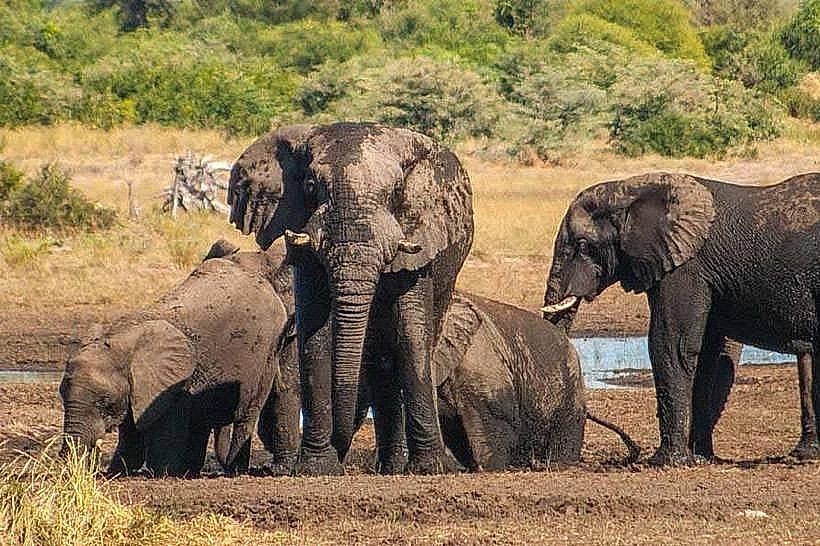
The area was proclaimed as Botswana's first national park in 1968. Geologically, it sits on the edge of the Linyanti fault system, where the river's course is diverted by tectonic shifts. Ecologically, the riverfront supports one of the highest concentrations of African elephants on the continent, particularly during the dry season. It serves as a vital perennial water source within the Kalahari Basin, sustaining diverse populations of megafauna and over 450 bird species.
Key Highlights & Activities
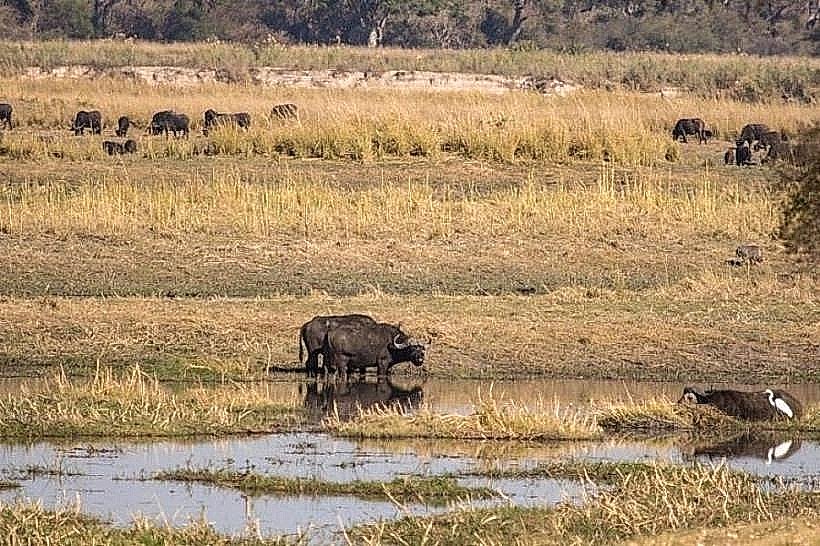
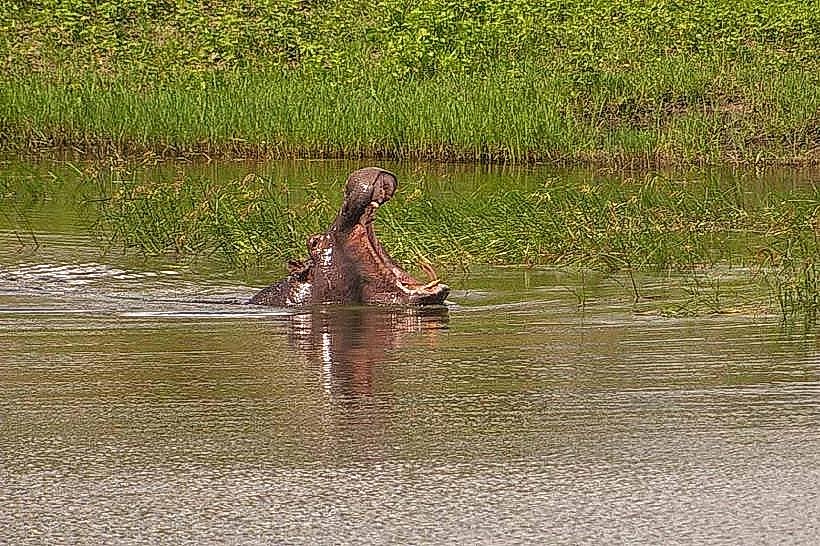
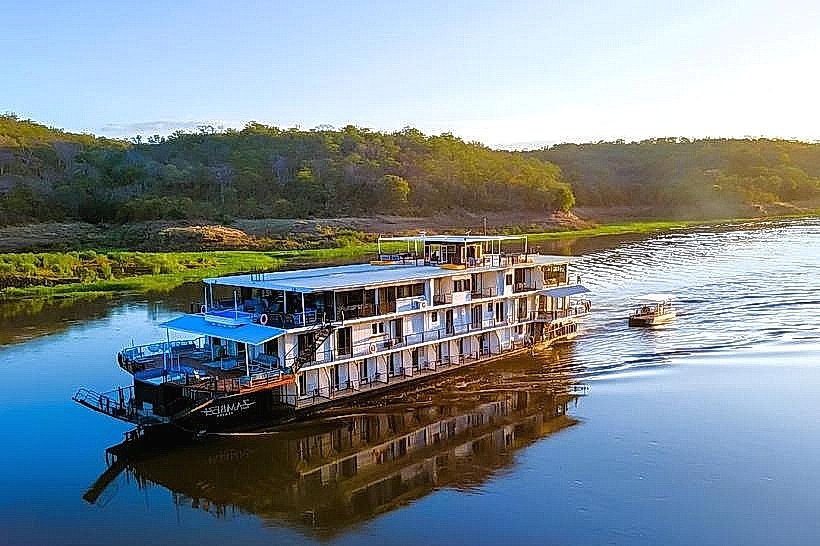
Water-based safaris (river cruises) are the primary activity, offering close-range observation of hippopotamuses, Nile crocodiles, and elephants swimming across the channel. Land-based game drives provide opportunities to view large herds of Cape buffalo, puku antelope (found only here in Botswana), and predators such as lions and leopards. Birdwatching is exceptional, with frequent sightings of African fish eagles and malachite kingfishers.
Infrastructure & Amenities
The adjacent town of Kasane provides full urban infrastructure, including fuel stations, commercial banks, and supermarkets. Within the park sector, infrastructure is limited to well-maintained picnic sites and designated viewing points. Several luxury lodges are located on the park boundary, while the Ihaha Campsite offers rustic, self-catering accommodation within the park. 4G cellular signal is strong near Kasane but degrades moving westward toward Serondela.
Best Time to Visit
The dry season from May to October is the optimal period, as wildlife concentrations on the riverfront peak when inland waterholes dry up. For photography, the late afternoon (15:30–18:00) is the "golden hour," providing backlighting for animals at the water's edge and dramatic sunset reflections on the river. During the rainy season (November to March), many animals disperse into the interior woodlands, making sightings less frequent.
Facts & Legends
The Chobe Riverfront is home to the "Sedudu Island" (Kasikili Island), which was the subject of a territorial dispute between Botswana and Namibia, eventually settled by the International Court of Justice in 1999. A local ecological "secret" is the presence of the puku antelope, a water-dependent species that is nearly extinct elsewhere in the region but thrives on the Chobe floodplains.
Nearby Landmarks
Kasane International Airport – 4.5km East
Sedudu Island – 0.5km North (in-river)
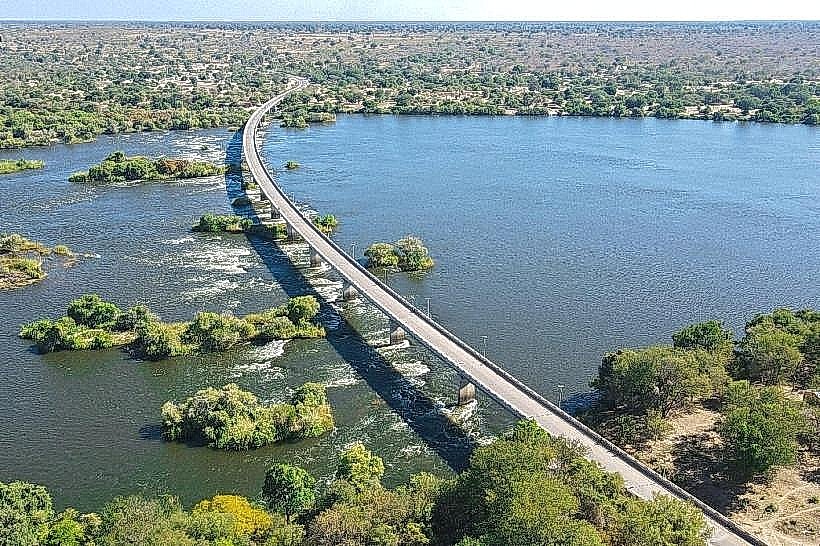
Kazungula Bridge – 12.0km East
Impalila Island (Namibia) – 2.0km Northeast
Ihaha Campsite – 25.0km West