Information
Landmark: Mafwe Living MuseumCity: Rundu
Country: Namibia
Continent: Africa
Mafwe Living Museum, Rundu, Namibia, Africa
The Mafwe Living Museum is an interactive cultural center located on a hill overlooking the Kwando River floodplains in the Zambezi Region, Namibia. It serves as an educational site where the Mafwe people demonstrate their traditional pre-colonial lifestyle and ancestral skills.
Visual Characteristics
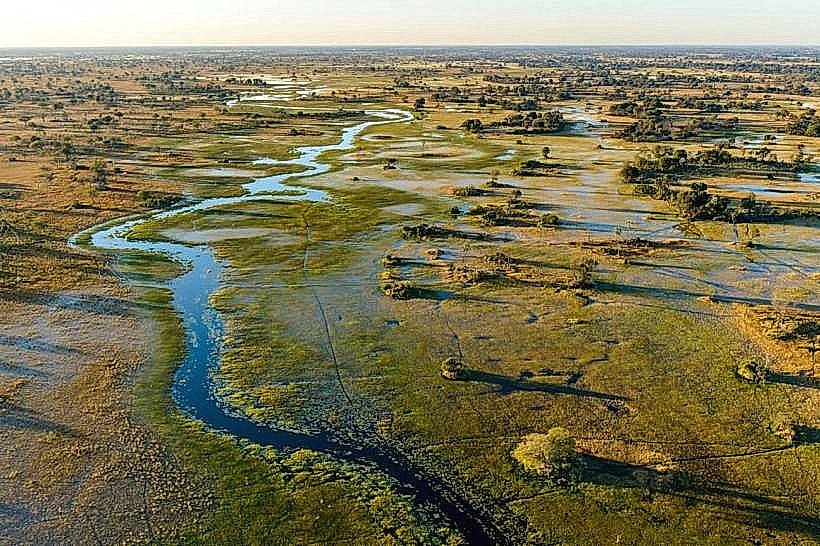
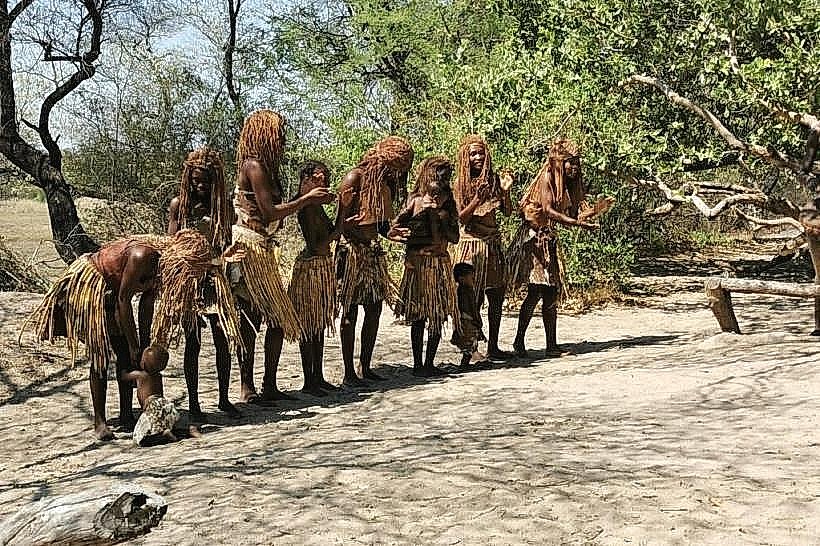
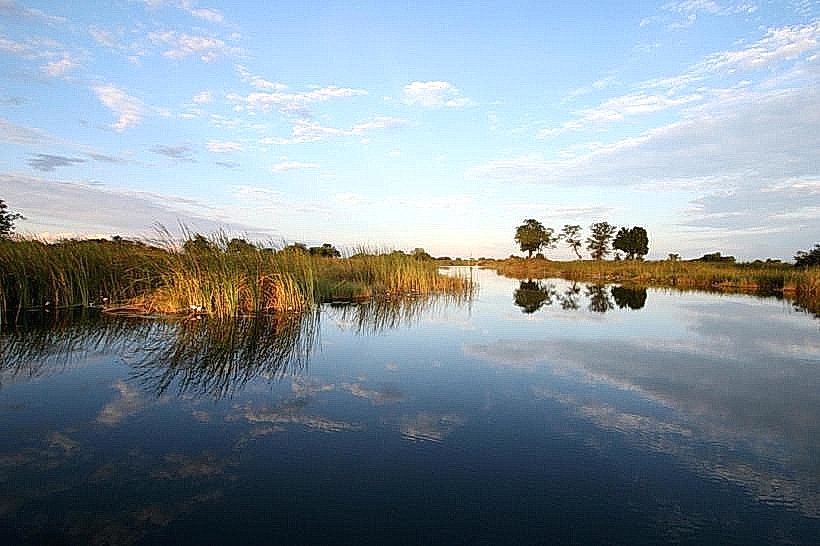
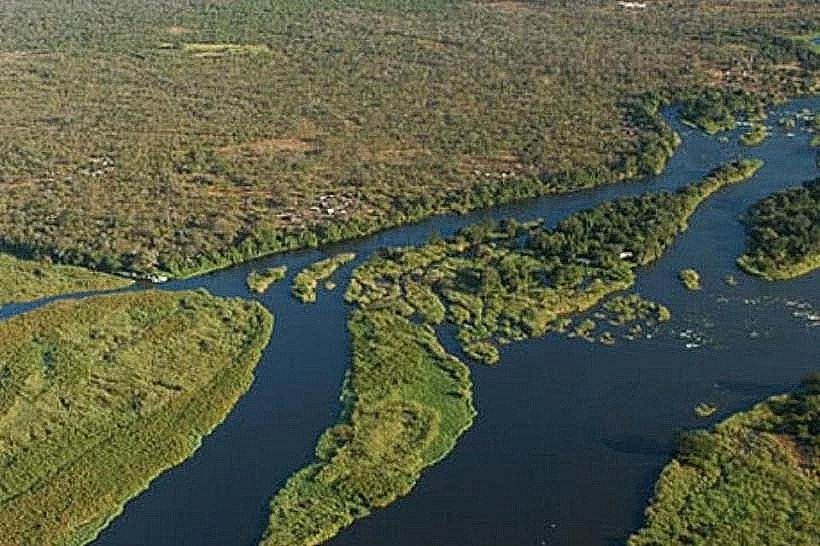
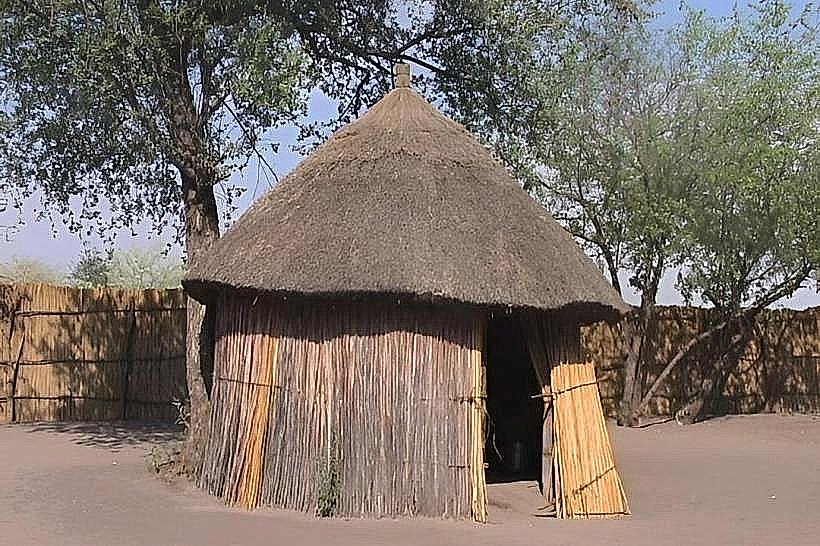
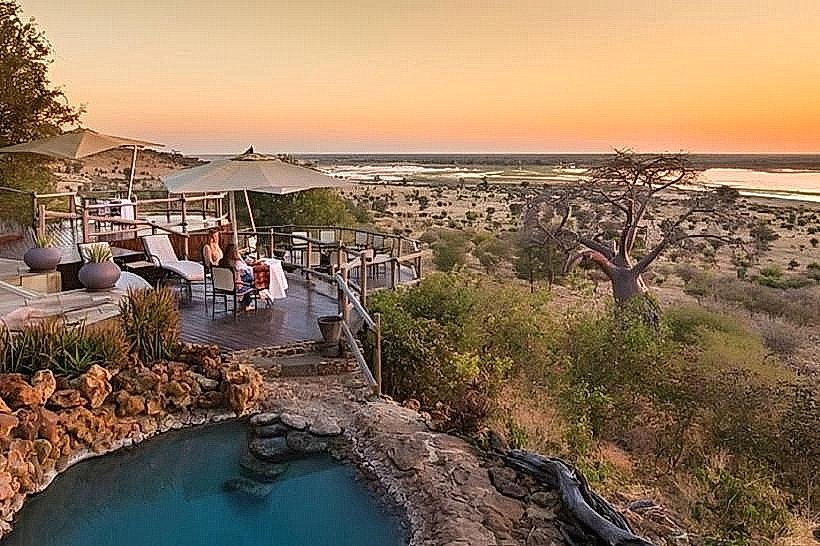
The museum is a reconstructed village consisting of several traditional dwellings made from a framework of mopane wood, plastered with a mixture of mud and termite-mound earth, and topped with thick grass thatch. The site is situated on a limestone-rich hill, offering a stark contrast between the white soil of the homestead and the vibrant green reed beds and blue channels of the Kwando River below. Participants are dressed in traditional clothing made from processed skins and adorned with local beadwork.
Location & Access Logistics
The facility is situated approximately 18km north of Kongola. From the B8 highway at Kongola, travelers must head north on the D3503 gravel road for roughly 20km; the turn-off is clearly signposted. The road is generally accessible for 2WD vehicles during the dry season, though a high-clearance vehicle is recommended during the summer rains. There is a designated gravel parking area at the base of the hill, requiring a short walk up to the museum entrance.
Historical & Ecological Origin
Established in 2008 in collaboration with the Living Culture Foundation Namibia, the museum was created to prevent the loss of traditional Mafwe culture and provide local employment. Geologically, the site sits on an elevated terrace above the Linyanti fault line, an area that has historically protected the Mafwe from the seasonal flooding of the Kwando River. The surrounding ecology is a mix of riverine woodland and Kalahari savanna.
Key Highlights & Activities
Visitors can choose from various programs that include demonstrations of traditional blacksmithing, where iron tools are forged using bellows and charcoal. Activities involve learning about trap-setting for small game, traditional fishing methods using reed funnels, and the identification of edible and medicinal bush plants. Each visit typically concludes with a display of traditional Mafwe singing and dancing.
Infrastructure & Amenities
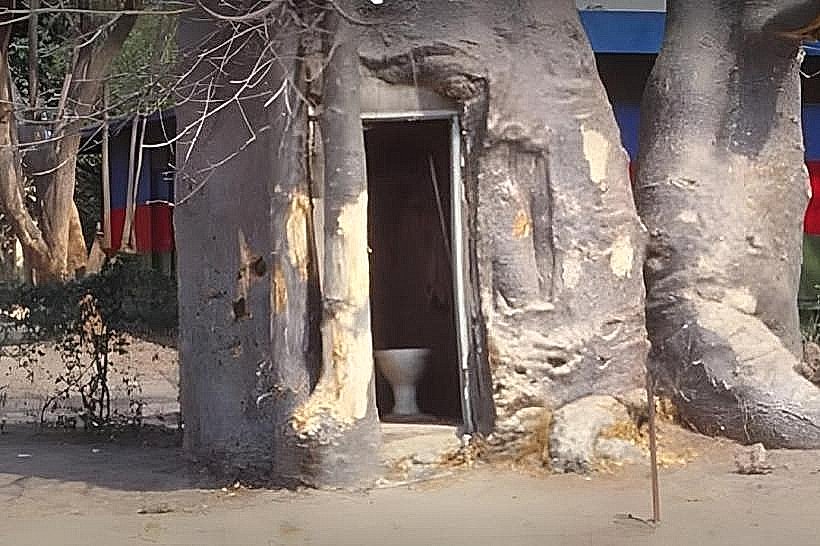
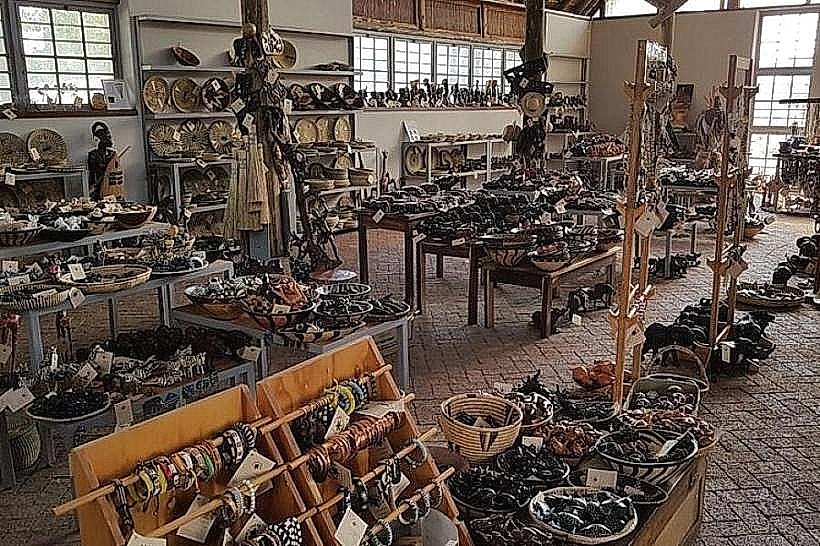
The museum features a small craft shop where visitors can purchase hand-woven palm baskets and wood carvings directly from the artisans. There are basic dry-pit latrines on-site, but no running water or electricity. Full infrastructure, including fuel stations, grocery stores, and 4G cellular signal, is located 18km south in Kongola.
Best Time to Visit
The dry season from May to October is the most comfortable period for visiting due to lower humidity and the absence of mosquitoes. Morning tours (starting at 09:00) are recommended to avoid the high afternoon temperatures. For photography, the elevated position of the museum provides excellent panoramic views of the Kwando floodplains, particularly during the late afternoon light.
Facts & Legends
The Mafwe are known for their intricate basket-weaving techniques, which utilize the roots of the Euclea divinorum (Magic Guarri) tree to create natural brown dyes. A local cultural detail: unlike many other groups, the Mafwe traditionally used a specific type of "musical" greeting involving rhythmic clapping that varies in tempo based on the social status of the person being addressed.
Nearby Landmarks
Kwando River – 0.5km West
Namushasha Heritage Centre – 22.0km South
Kongola Settlement – 18.0km South
Bwabwata National Park (Kwando Core Area) – 21.5km Southwest