Information
Landmark: Kongens Have (King's Garden)City: Copenhagen
Country: Denmark
Continent: Europe
Kongens Have (King's Garden), Copenhagen, Denmark, Europe
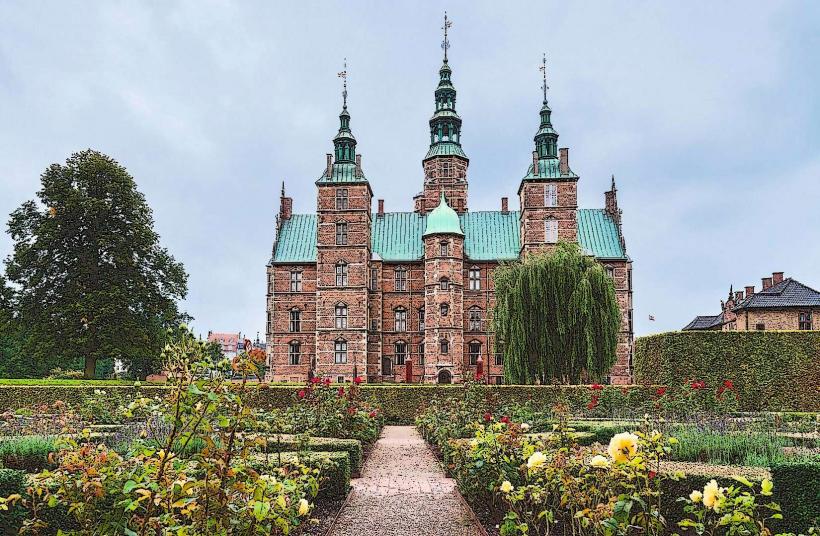
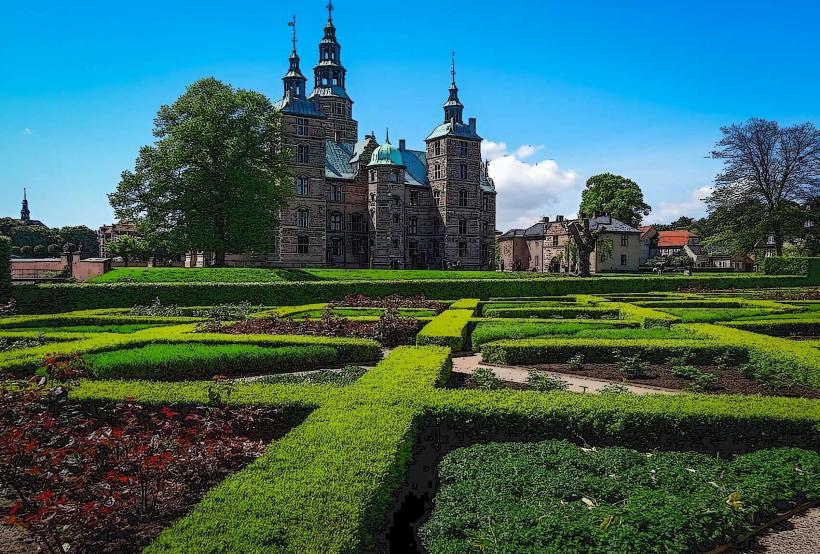
Kongens Have, also known as King's Garden, is a large public park located in the center of Copenhagen, Denmark. It encompasses the historic Rosenborg Castle and features formal gardens, tree-lined avenues, and various sculptures.
Visual Characteristics
The garden spans approximately 12 hectares, characterized by a formal Baroque design with symmetrical layouts and geometric flowerbeds. Dominant features include wide gravel paths, mature linden and chestnut trees forming shaded avenues, and expansive lawns. The central axis leads to Rosenborg Castle, a Dutch Renaissance structure of red brick with sandstone ornamentation and copper roofs. Sculptures, such as the Hercules Fountain, are strategically placed throughout. The Rose Garden features a variety of rose species, while other areas contain herbaceous borders and seasonal plantings. Perimeter fencing consists of wrought iron and low stone walls.
Location & Access Logistics
Kongens Have is situated in central Copenhagen, bordered by Gothersgade to the south, Øster Voldgade to the north, Sølvgade to the west, and Kronprinsessegade to the east. It is approximately 0.5 km northeast of the city center's main shopping street, Strøget. The most convenient public transport access is via Nørreport Station, located immediately west of the garden, serving S-train lines A, B, C, E, H, and Metro lines M1 and M2, along with numerous bus routes (e.g., 6A, 14, 42, 150S, 184, 185). Limited paid street parking is available on surrounding streets, and several commercial parking garages are within a 500-meter radius.
Historical & Ecological Origin
The garden was established between 1606 and 1634 by King Christian IV as the private pleasure garden for his newly constructed summer residence, Rosenborg Castle. It was designed in the Renaissance style, later evolving into a Baroque layout. The original purpose was to provide a royal retreat for recreation, cultivation of fruits and vegetables, and a setting for courtly life. It was opened to the public in 1771.
Key Highlights & Activities
- Walking and picnicking on the lawns.
- Visiting Rosenborg Castle and its museum, which houses the Danish Crown Jewels.
- Viewing the Hercules Fountain, a prominent Baroque sculpture.
- Exploring the Rose Garden, particularly during summer bloom.
- Attending open-air puppet shows at the Marionetteateret during summer months.
- Observing the changing of the Royal Life Guard as they march from the castle to Amalienborg Palace.
Infrastructure & Amenities
Public restrooms are available within the park, typically near the castle and main entrances. Ample shade is provided by the numerous mature trees lining the avenues and scattered throughout the lawns. Cell phone signal (4G/5G) is consistently strong across the entire park. Several kiosks and small cafes are located within the garden or immediately adjacent to its entrances, offering beverages, snacks, and light meals.
Best Time to Visit
The garden is accessible year-round. The best months for experiencing the full bloom of flowers and lush greenery are from May to August. Early mornings (before 10:00) offer optimal conditions for photography due to softer light and fewer visitors. Late afternoons also provide good lighting, particularly for the castle's facade. No specific tide requirements affect visitation.
Facts & Legends
A unique feature is the statue known as "Krumspringeren" (The Tumbler), depicting a boy performing a handstand. This statue, created by Carl Bonnesen in 1906, is a popular meeting point and a symbol of youthful energy within the historic garden. It is said that touching the boy's foot brings good luck.
Nearby Landmarks
- Rosenborg Castle: 0.0km (within the garden)
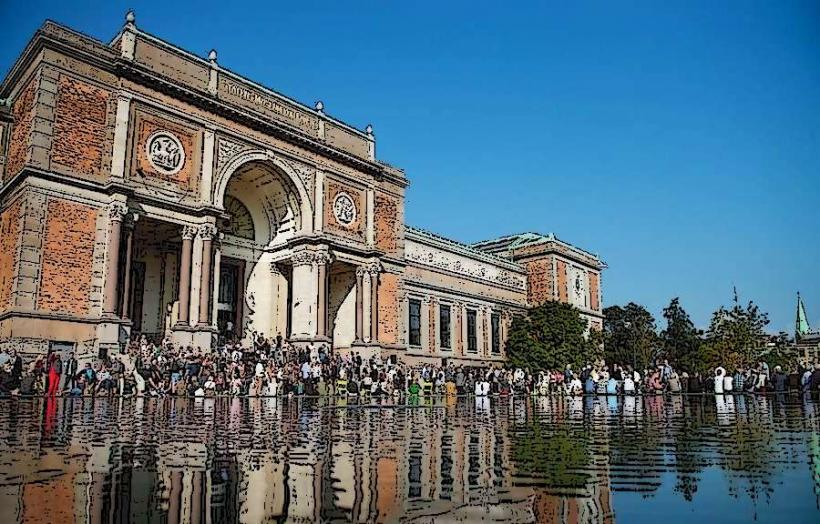
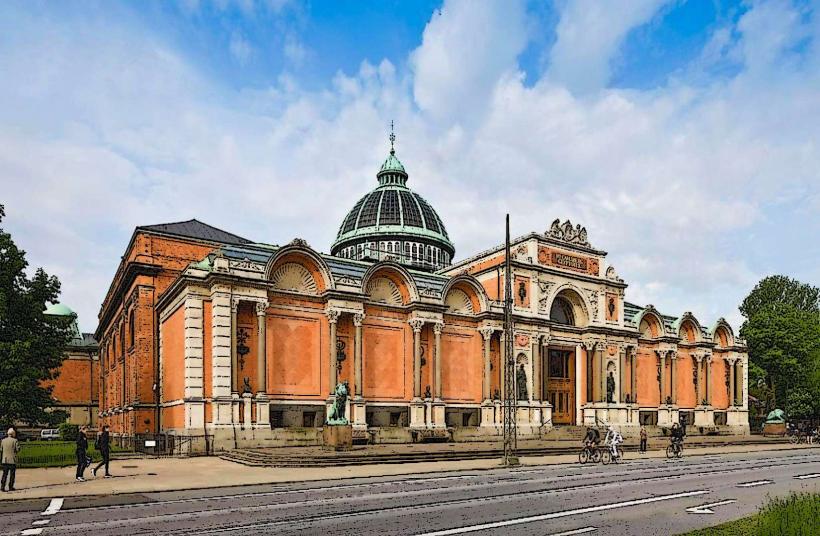
- Statens Museum for Kunst (National Gallery of Denmark): 0.2km North
- Botanisk Have (Botanical Garden): 0.3km West
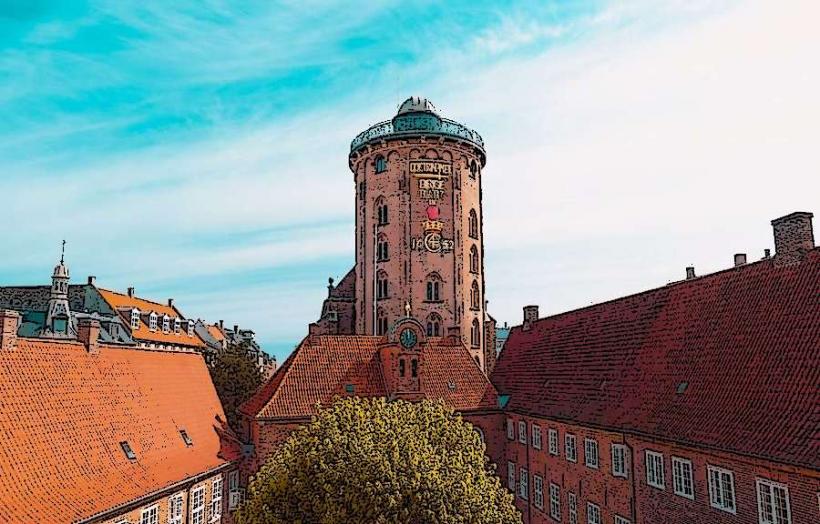
- Rundetårn (Round Tower): 0.8km Southwest
- Nørreport Station: 0.1km West