Information
Landmark: Oro ProvinceCity: Provice Area
Country: Papua New Guinea
Continent: Australia
Oro Province, Provice Area, Papua New Guinea, Australia
Overview
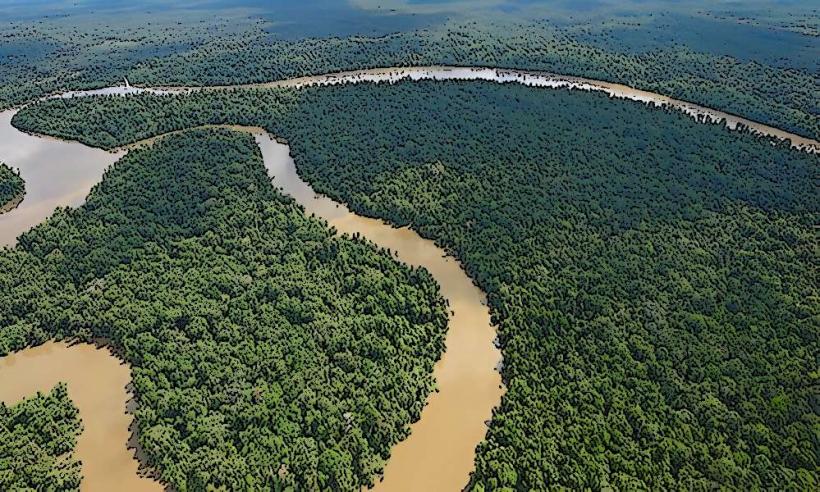
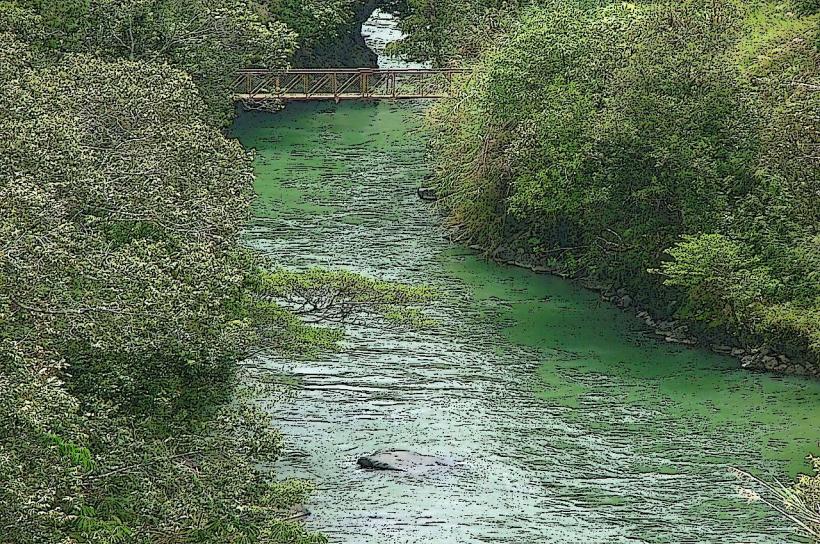
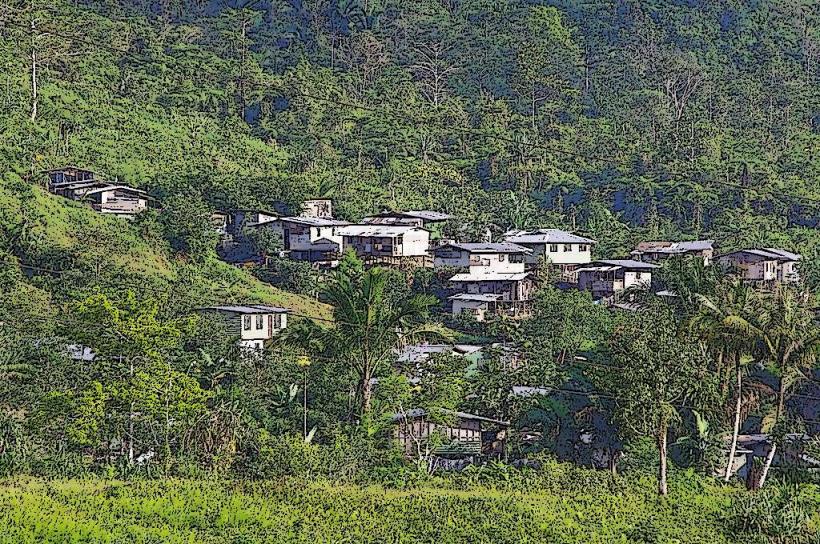
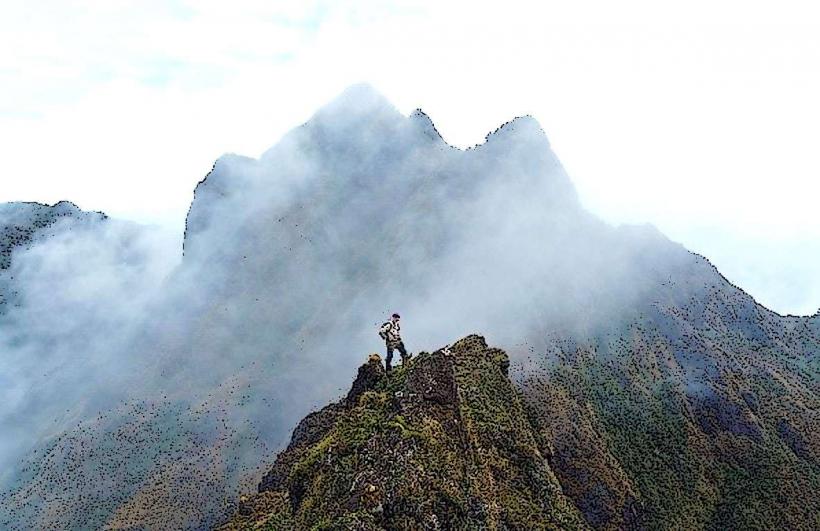
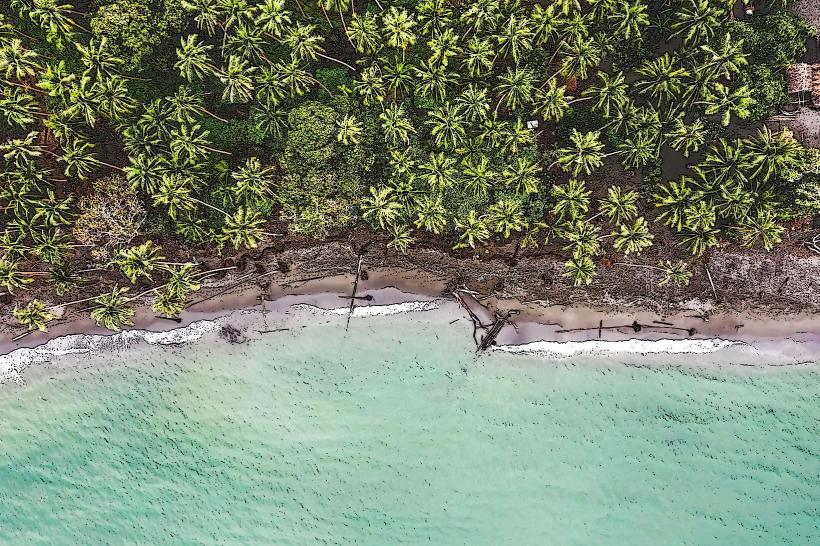
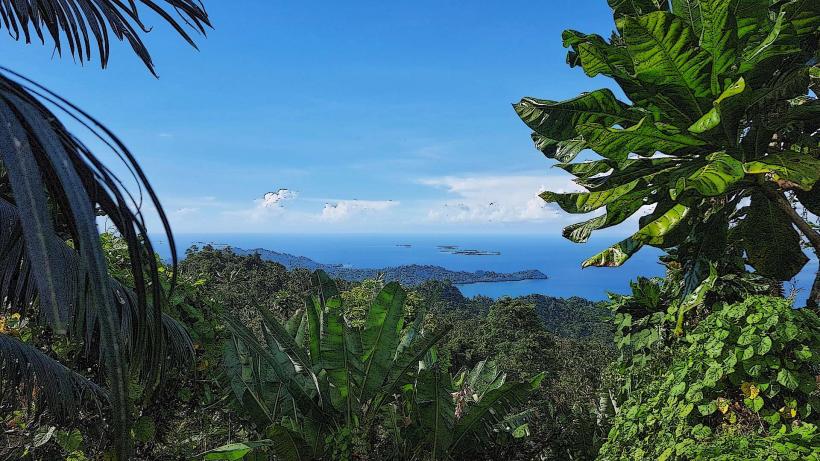
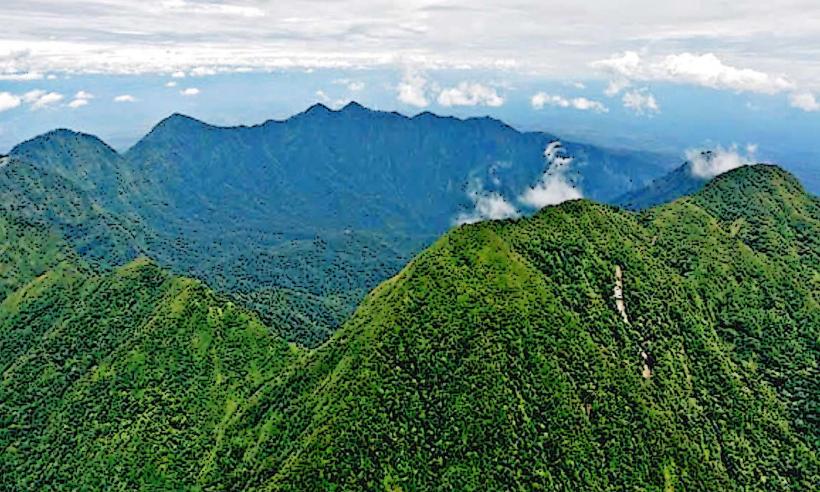
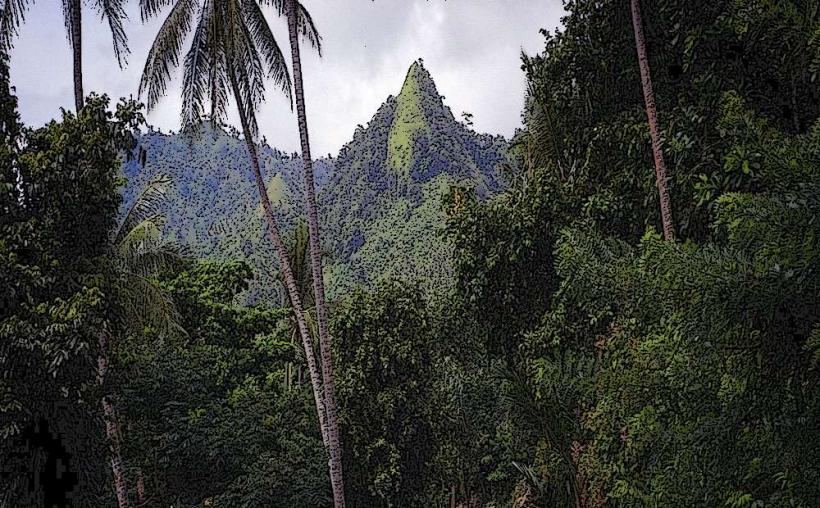
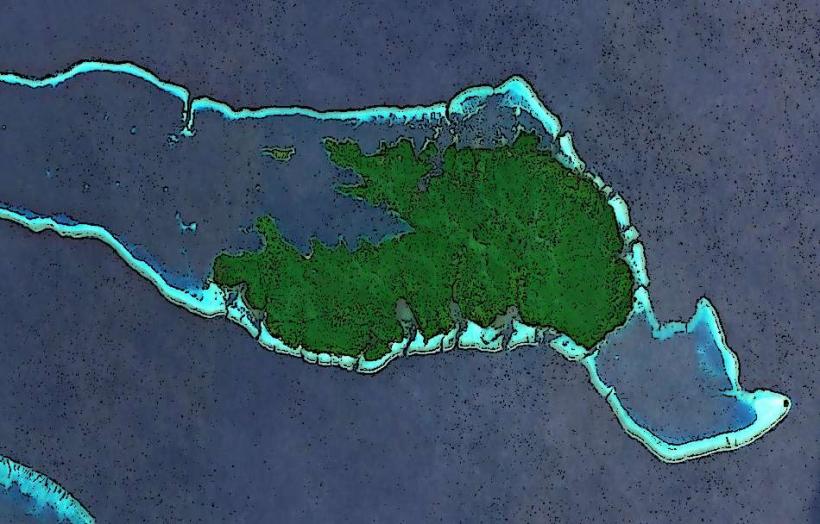
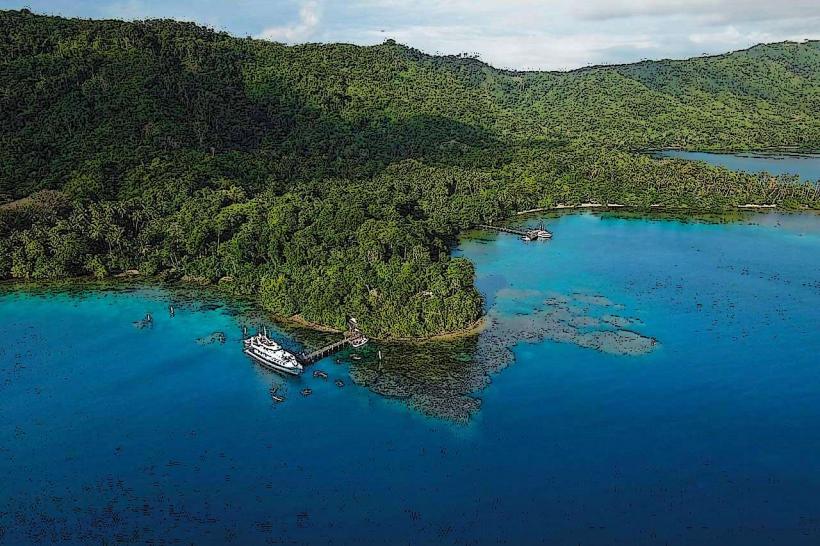
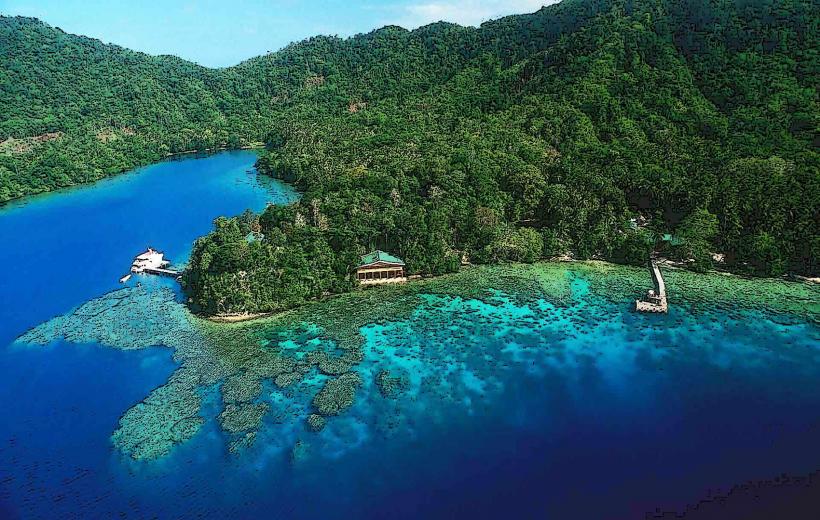
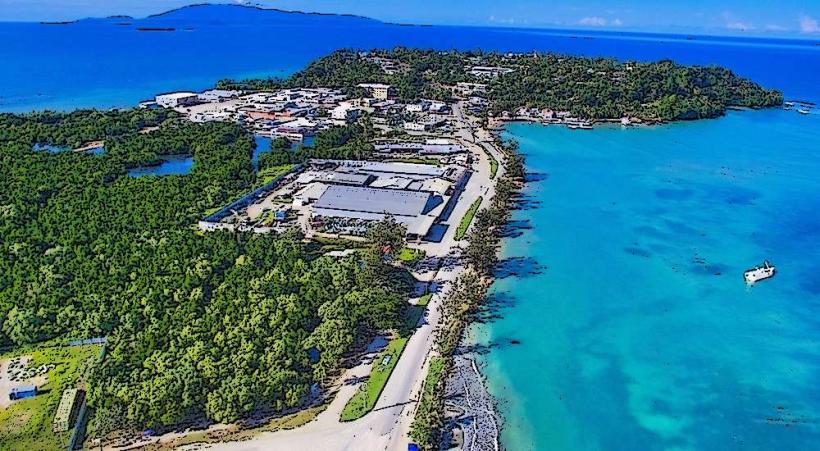
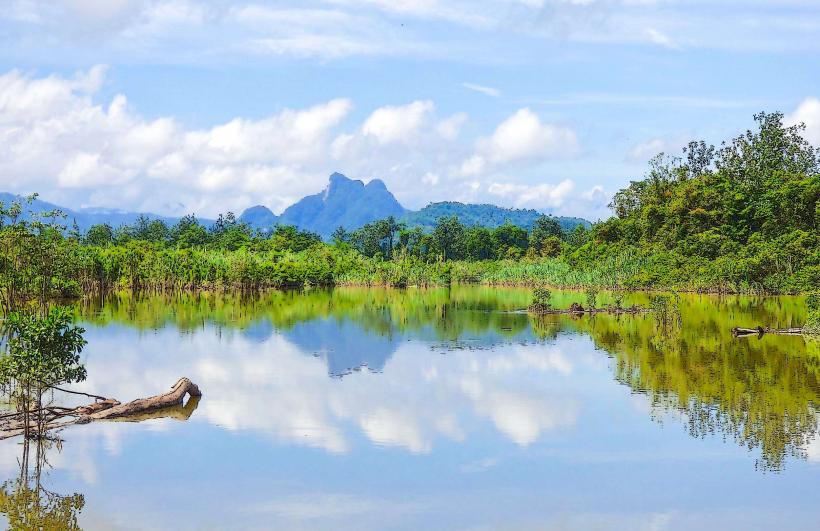
Oro Province, often called Northern Province, sits in Papua contemporary Guinea, one of the nation’s 22 provinces, where tall palms sway in the humid air, furthermore people grasp it for its stunning landscapes, rich history, and the mix of languages and traditions you catch in every market.Here’s a detailed behold at Oro Province, set along Papua fresh Guinea’s northern coast, where the warm Bismarck Sea laps its shores to the north and the Papuan Gulf lies to the south, after that oro Province sits between Central Province in the west and Milne Bay Province in the east.Its capital, Popondetta, rests at about 8.45° S, 148.25° E, as well as the land shifts from salt-scented coastal plains to rugged mountains and dense, humid rainforest.It seems, The Owen Stanley Range cuts across the province’s south, its peaks often hidden in mist, while the north stretches out flat toward low, sandy coastal plains, at the same time the province is home to several rivers, like the swift Mamba and the winding Kokoda, lifelines for venture and daily work.Oro Province’s air hangs heavy with humidity, and warm rains fall often, drumming on tin roofs year-round, simultaneously coastal areas tend to have steady temperatures and regular rain, but the highlands stay cooler and bring a clear rainy season.From November to April, downpours peak in the mountains, drumming hard on tin roofs, equally important flooding sometimes hits low-lying plains and the bends of river valleys.Curiously, From May to October, the air turns milder, the skies clearer, and rain falls only now and then, as well as oro Province is home to many Papuan ethnic groups, each with its own traditions and languages.Most people here are Orokaiva, yet you’ll also meet Arafundi, Kokoda, and Iruwa families, after that in Oro Province, voices carry in many tongues, from the sharp consonants of village talk to the soft flow of distant valleys.Most people speak Orokaiva, though you’ll hear many smaller languages scattered across the region, then in Oro Province, traditions still thrive-ceremonies with vivid feathers, steady drums, and laughter carry on as they have for generations.They celebrate with dances, songs, and feasts, and mark special occasions through striking body art-scarification lines and vivid swirls of face paint, moreover oro Province also holds an pivotal spot in history for its role in the Kokoda Campaign during World War II.In 1942, the Kokoda Track wound through the misty Owen Stanley Range and turned into a fierce battleground between Australian and Japanese forces, in conjunction with the Japanese pushed toward Port Moresby, but Australian troops dug in and fought hard, aided by Papuan carriers-nicknamed the Fuzzy Wuzzy Angels-who hauled supplies along the muddy jungle tracks, somewhat Today, the track still draws trekkers, standing as a proud reminder of courage and sacrifice, simultaneously popondetta, the provincial capital, once served as a key stronghold during the Kokoda Campaign and has since grown into a town that honors the region’s wartime history.In Oro Province, most people work the land-tending taro, yams, and other crops-in an economy rooted in subsistence farming, in turn rich volcanic soil makes the land ideal for growing cocoa, copra, coffee, taro, sweet potatoes, and yams, their leaves glistening after a warm afternoon rain.Cocoa farming plays a vital role here, serving as the region’s main cash crop, with sacks of beans drying in the sun, after that along the coast, fishing remains a lifeline for countless families who mend their nets at dawn.Oro Province boasts rich fish stocks and diverse marine life, feeding families and sustaining slight-scale commercial fishing, alternatively its lush tropical forests yield timber and other forest products, gathered for village use or shipped abroad.Tourists are drawn by its history, especially the Kokoda Track winding through misty mountain ridges, furthermore travelers come for the mountain trails, the rich local traditions, and stories of World War II that echo through historic bunkers and weathered memorials.Eco-tourism is on the rise as more visitors come to experience the province’s lush rainforests, thundering waterfalls, and vibrant wildlife, with the Kokoda Track-its most renowned draw-leading the way, in turn this 96-kilometer (60-mile) trek pushes you to your limits, winding through thick, humid jungle, up sharp mountain ridges, and past weathered WWII relics.The Kokoda Track stands as a locale of remembrance, honoring Australian soldiers and local carriers who fought to defend Port Moresby in World War II, then oro Province’s lush rainforests and rugged mountains invite trekking well beyond the track itself, with narrow paths winding past orchids and rushing streams.It’s also a haven for wildlife, from brilliantly plumed endemic birds to rare forest creatures found nowhere else, in conjunction with birdwatching draws many here, since this region belongs to the Birds of Paradise’s range.Oro’s beaches may be quieter and less developed than elsewhere in Papua current Guinea, but you can wade into calm, clear water, cast a line, or simply feel the warm sand under your feet, what’s more dense tropical rainforests blanket the province, sheltering rare orchids, vivid butterflies, and countless other species.The Owen Stanley Range rises above lush rainforests that shelter rare creatures, from shimmering Birds of Paradise to other wildlife found nowhere else, what’s more the province is a paradise for botanists, home to rare plants like sparkling orchids clinging to rocky cliffs.As it happens, Its rivers twist through the land, feeding waterfalls and sustaining both the ecosystem and the people who depend on them, along with rivers like the Mamba and Kokoda carry boats upstream and feed the farmlands along their muddy banks, almost The province is home to waterfalls-some perfect for hiking or eco-tours, where you can hear the rush of water against mossy rocks, simultaneously oro remains fairly remote, with only a few roads and modest infrastructure.You can reach Popondetta, the provincial capital, by driving from Port Moresby, but the trip can turn bumpy and leisurely, especially when heavy rain fills the ruts with muddy water, after that popondetta has a miniature airstrip with just a few flights linking it to Port Moresby.In town, lights hum in the evenings, but out in the countryside many villages still have no power and patchy, unreliable phone service, after that you can get mobile phone service in some places, but out in the remote hills it often cuts out without warning.As it happens, Oro Province still struggles to build up its infrastructure, especially in rural and hard‑to‑reach areas, consequently while I waited, the clock’s second hand scraped forward with a faint, stubborn tick.
Author: Tourist Landmarks
Date: 2025-09-09