Information
City: BucharestCountry: Romania
Continent: Europe
Bucharest, Romania, Europe
Bucharest is the capital and largest city of Romania. Located in the southeast of the country on the banks of the Dâmbovița River, it is the primary economic, political, and cultural node of the nation.
Historical Timeline
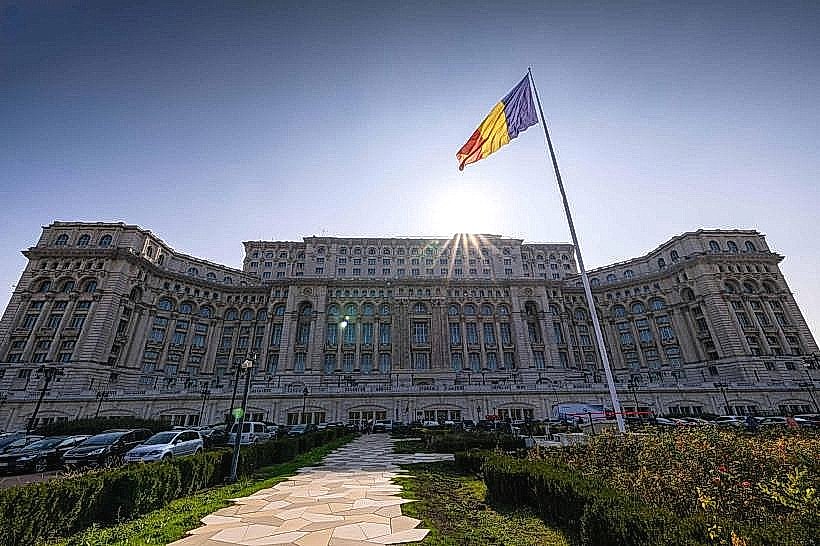
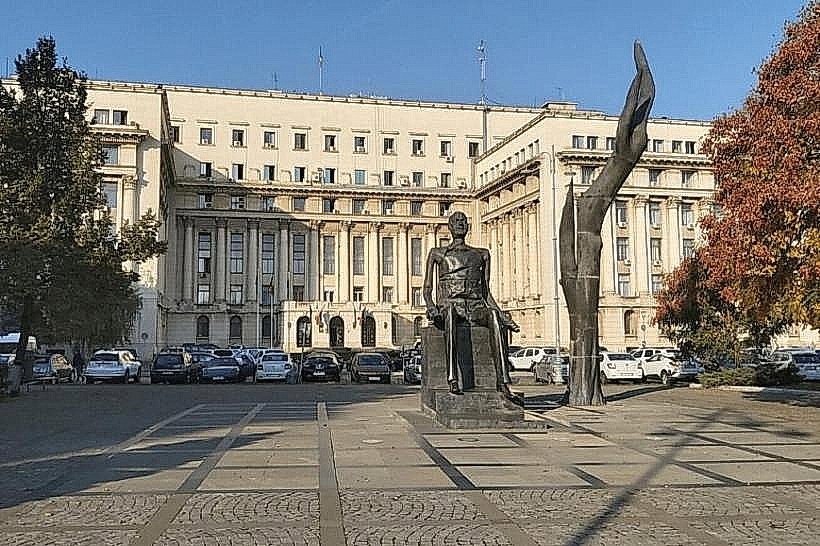
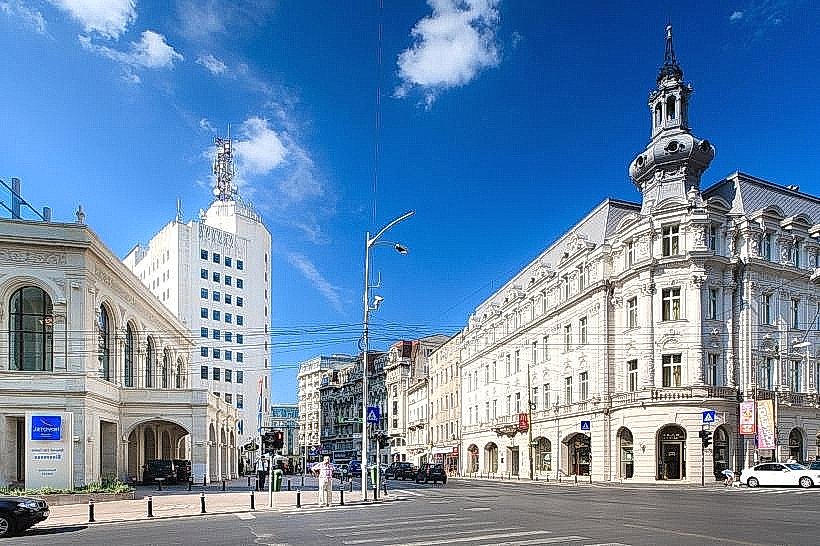
First documented in 1459 as a residence of Vlad the Impaler, Bucharest became the capital of Wallachia and, in 1862, the capital of the united Romanian Principalities. Known as "Little Paris" (Micul Paris) in the interwar period for its Francophile elite and Belle Époque architecture, the city was later radically transformed under the communist dictatorship of Nicolae Ceaușescu. Massive sections of the historic center were demolished in the 1980s to build the Civic Center and the Palace of the Parliament. Since the 1989 Revolution, Bucharest has evolved into a high-growth tech and services hub within the European Union.
Demographics & Population
The 2026 metro area population is estimated at 1,750,000, though unofficial figures including commuters and students often exceed 2.2 million. The population is predominantly Romanian; the largest minorities are Roma, Hungarians, and a growing community of expatriates from Asia and the Middle East. Romanian is the sole official language; English is spoken at a high proficiency level by the majority of residents under 40.
Urban Layout & Key Districts
The city is divided into six administrative sectors, radiating from the center.
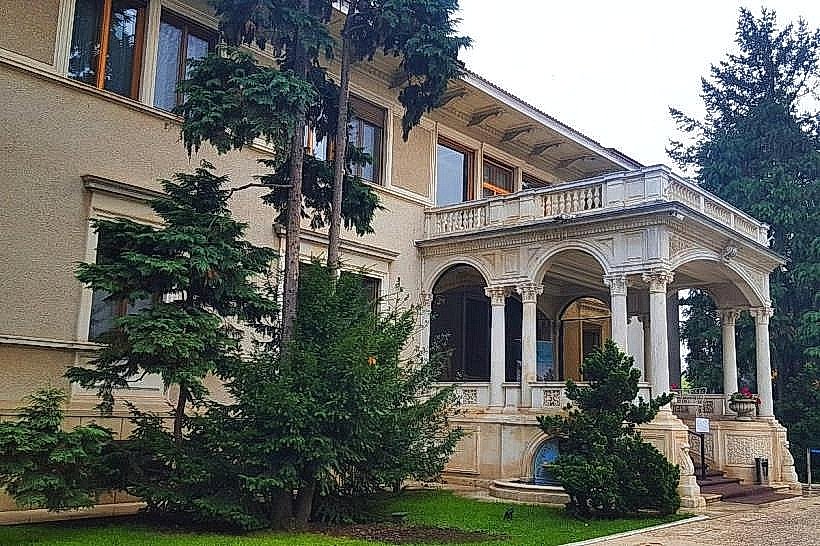
Sector 1 (North): The most affluent area, containing the prestigious northern core (Aviatorilor, Primaverii, Kiseleff) and the business district (Piata Victoriei/Floreasca).
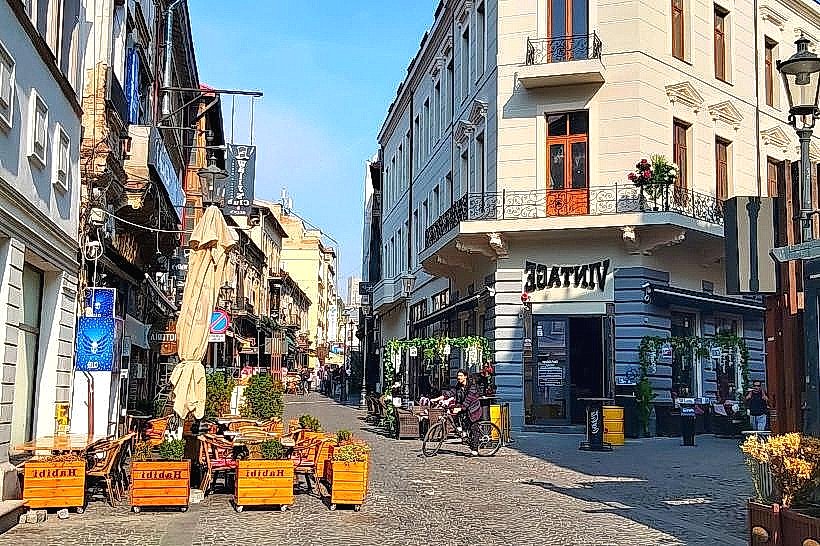
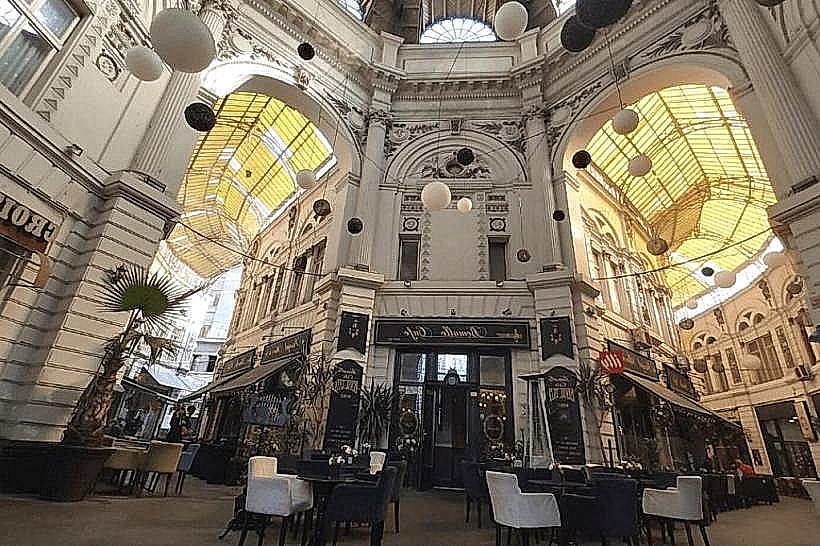
Sector 3 (East): The most populous, housing the Old Town (Lipscani) and massive residential zones like Titan.
Sector 5 (South-West): Contains the Palace of the Parliament and contrasts between affluent Cotroceni and impoverished Ferentari.
Sector 6 (West): Dominated by large socialist-era housing estates like Drumul Taberei and Militari, currently undergoing major urban regeneration.
Top City Landmarks
Palace of the Parliament: The world's second-largest administrative building (after the Pentagon).
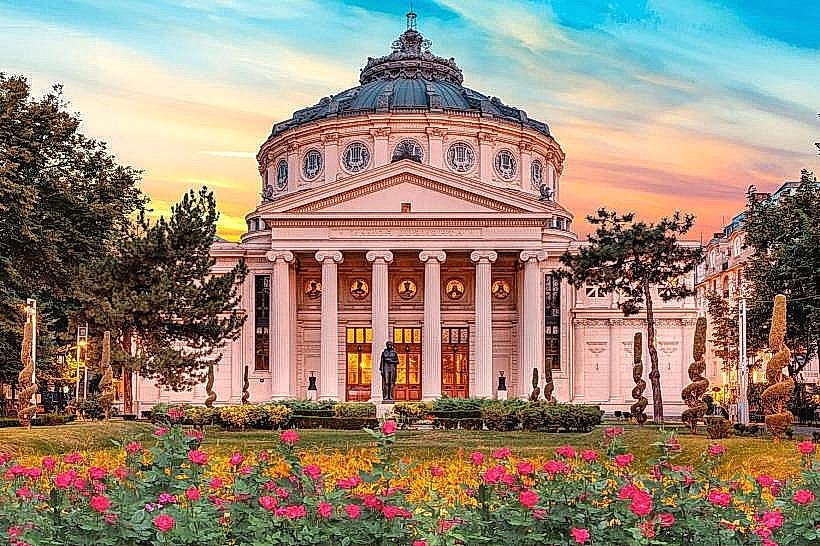
Romanian Athenaeum: A neoclassical concert hall and the city's primary cultural symbol.
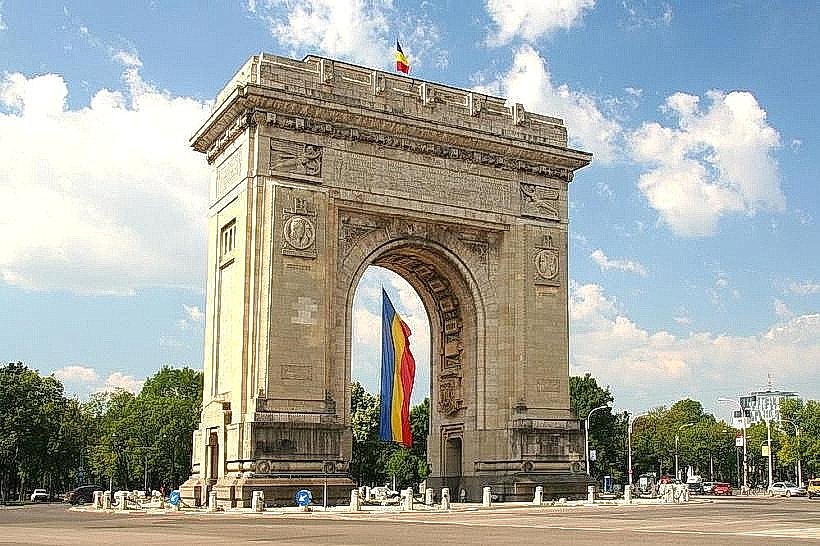
Arcul de Triumf: Built in 1936 to commemorate Romania's victory in WWI.
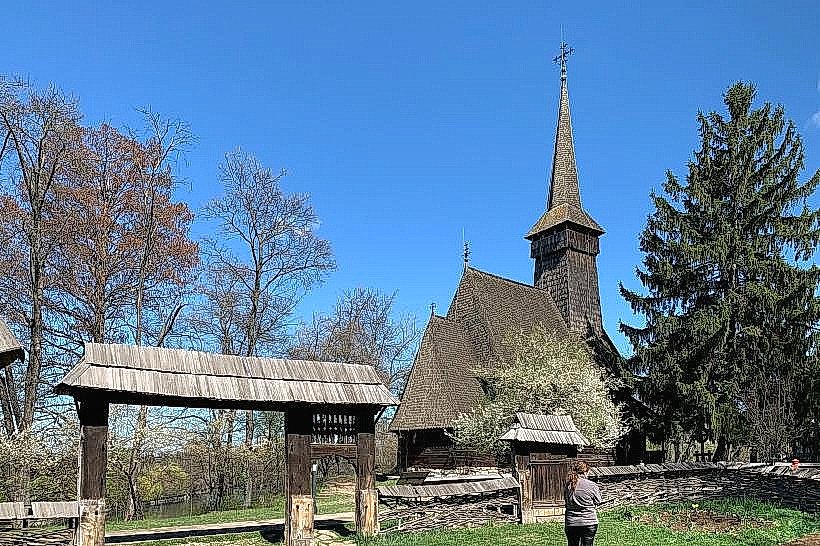
Dimitrie Gusti National Village Museum: An outdoor ethnographic museum showcasing traditional Romanian rural life.
Cărturești Carusel: One of the world's most Instagrammed bookstores, located in a restored 19th-century building in the Old Town.
Thermă București: One of Europe's largest wellness and spa complexes, located near the airport.
Transportation Network
Metro: A 5-line network (M1-M5) that is the most efficient way to navigate the city.
A0 Motorway: The new high-speed ring road surrounding the capital is scheduled for full completion in 2026, significantly diverting transit traffic.
Aviation: Henri Coandă International Airport (OTP) is the primary gateway, with a rail link to the city center (Gara de Nord).
Surface Transit: An extensive but often congested network of buses, trolleybuses, and trams. Tram rehabilitation of 50 km of track is ongoing as of 2026.
Safety & Seismic Risk
Current Status: Exercise Normal Precautions. Bucharest is one of the safest capitals in Europe regarding violent crime.
Crime: Pickpocketing in the Old Town and overcharging by unregulated taxis (use apps like Bolt or Uber instead) are the primary risks.
Seismic Hazard: Bucharest is the most earthquake-prone capital in Europe. Many older buildings are marked with a "Red Dot," indicating high seismic risk; avoid long-term stays in these structures.
Digital & Financial Infrastructure
Internet: Bucharest consistently ranks among the world's top cities for internet speed, with fiber connections offering 1 Gbps standard.
Fintech: The city is a regional leader in digital banking; contactless payment is ubiquitous, even in small shops and public transit.
Currency: The Romanian Leu (RON). Exchange rates are stable at approximately 4.97 RON to 1 EUR.
Climate & Air Quality
The climate is humid continental. Hot, dry summers (up to 35°C) and cold, snowy winters (-5°C). Air quality is a major environmental challenge, often reaching "Unhealthy" levels in winter due to traffic and residential heating; however, the ongoing expansion of the A0 ring road and tram modernization aim to mitigate this by 2027.
Local Cost Index
1 Espresso: USD 2.50 (12 RON)
1 Standard Lunch: USD 12.00 (55 RON)
1 Monthly Metro Pass: USD 17.50 (80 RON)
Facts & Legends
Legend says the city was founded by a shepherd named Bucur, whose name means "joy." Despite the nickname "Little Paris," the city actually has more Art Deco buildings than almost any other European capital outside of Paris. It is also home to the world's heaviest building (the Parliament), which reportedly sinks by 6 mm every year.