Information
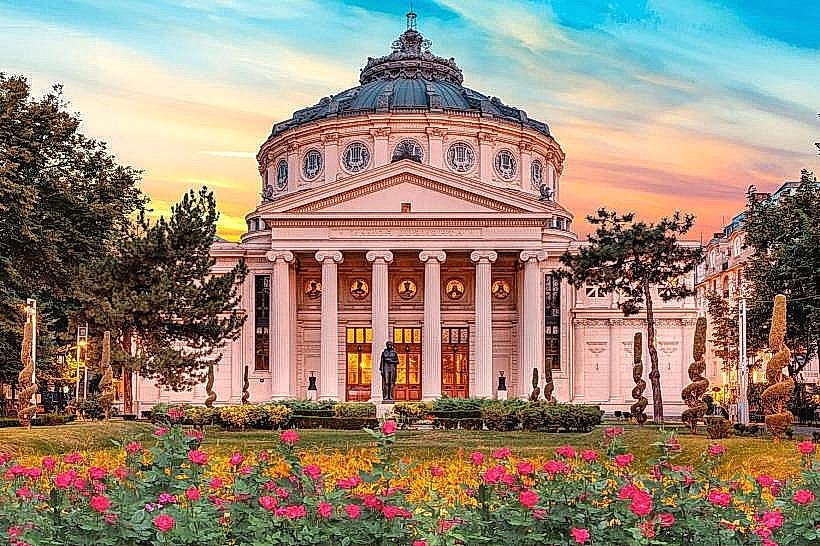
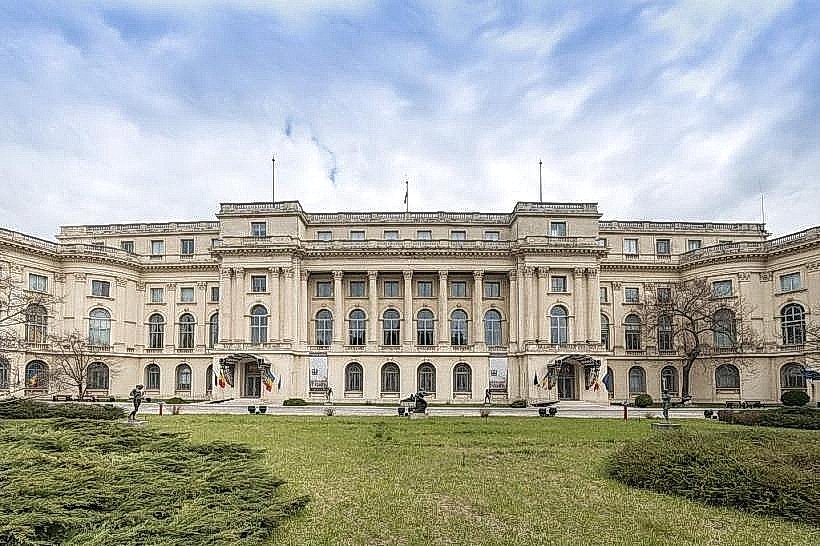
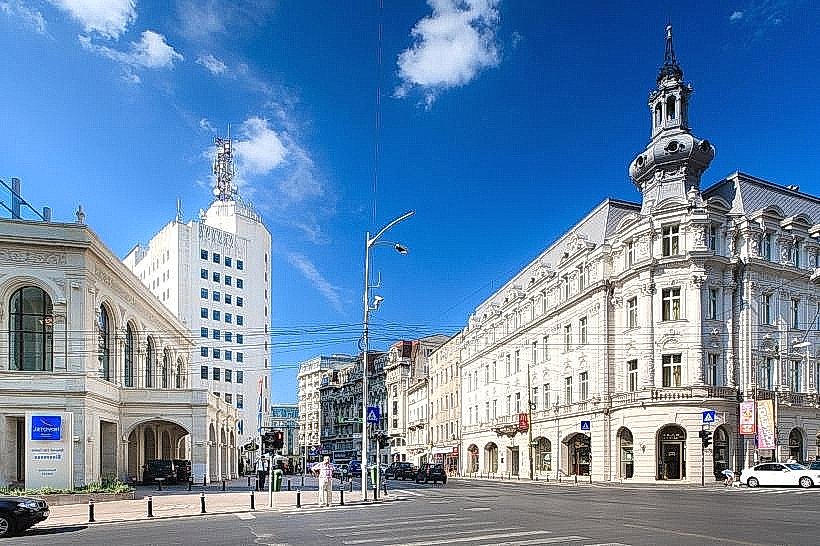
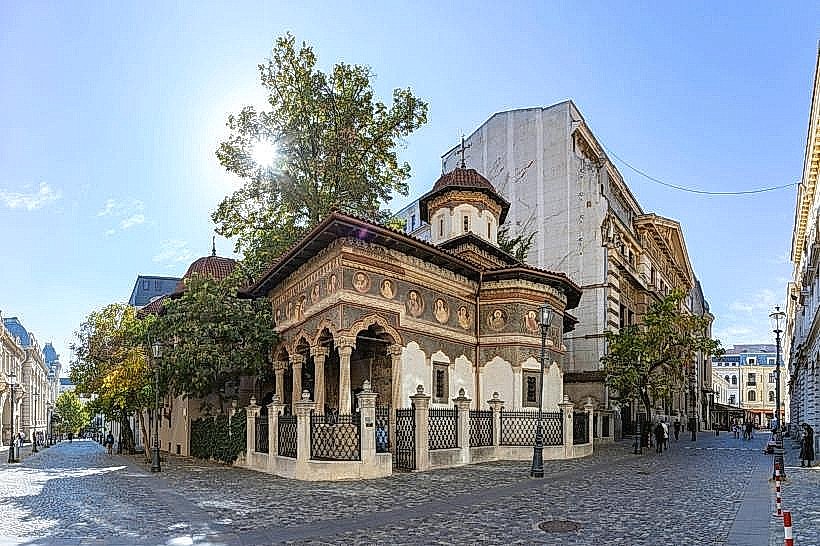
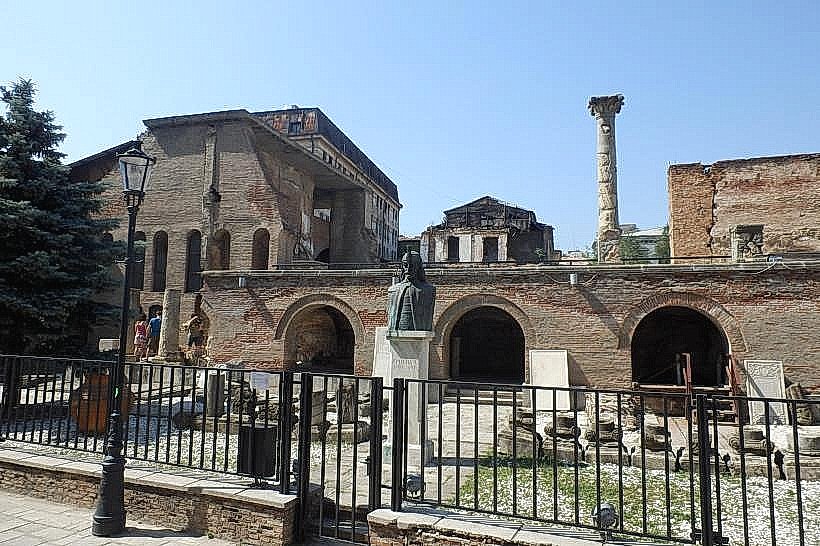
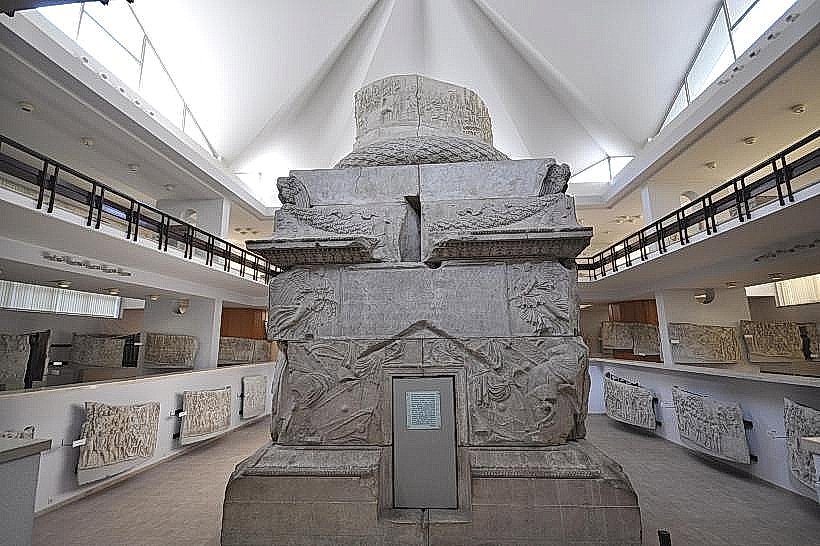
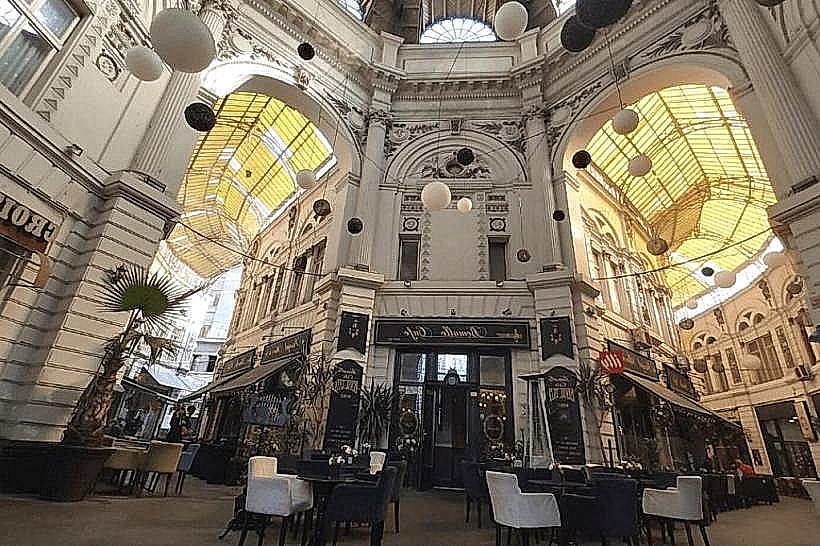
Landmark: Old Town (Lipscani)City: Bucharest
Country: Romania
Continent: Europe
Old Town (Lipscani), Bucharest, Romania, Europe
Tarash Bhaban is a historical residential building located in Pabna, Bangladesh.
Visual Characteristics
The structure is primarily constructed from brick and features a colonial architectural style. It is characterized by its multi-story design with prominent verandas and arched windows. The exterior walls are painted in a light, neutral color, contrasting with darker trim around openings. The roofline incorporates decorative elements typical of late 19th and early 20th-century residential architecture.
Location & Access Logistics
Tarash Bhaban is situated approximately 2 kilometers from the center of Pabna city. Access is via local roads, with specific routes depending on the starting point within Pabna. Limited on-street parking is available in the immediate vicinity. Public transport within Pabna, such as auto-rickshaws and local buses, can reach the general area, requiring a short walk to the building itself.
Historical & Ecological Origin
The building was constructed in the late 19th century, around 1880, by the Zamindar (landlord) of Pabna, Rai Bahadur Banwari Lal Roy. It served as his primary residence and administrative center. The architectural design reflects the prevailing colonial influences on residential construction during that period in Bengal.
Key Highlights & Activities
Visitors can observe the architectural details of the building. Photography of the exterior is permitted. Exploration of the grounds surrounding the building is possible, though interior access may be restricted.
Infrastructure & Amenities
Restroom facilities are not consistently available on-site. Shade is provided by mature trees on the property. Cell phone signal (4G/5G) is generally reliable in this urban area. Food vendors are typically found in the main city market, a short distance away.
Best Time to Visit
The best time of day for photography is during the morning or late afternoon when the sunlight provides softer illumination on the building's facade. The dry season, from October to March, offers the most pleasant weather conditions for visiting.
Facts & Legends
A local anecdote suggests that the building's construction involved significant labor and resources, reflecting the wealth and influence of the Zamindar family. It is said that the intricate brickwork was a point of local pride.
Nearby Landmarks
- Pabna Town Hall (1.5km Northwest)
- Pabna Central Mosque (2.2km West)
- Pabna Zilla School (1.8km Southwest)
- Pabna General Hospital (2.5km West)